High Fiber and Weight Loss

We've always known fiber to be an important part of a healthy diet. But what is it about fiber that makes it the secret to losing weight and keeping it off?  Fiber is a type of carbohydrate that the body can't digest. Though most carbohydrates are broken down into sugar molecules, fiber cannot be broken down into sugar molecules, and instead it passes through the body undigested. Fiber helps regulate the body's use of sugars, helping to keep hunger and blood sugar in check.

Aside from fiber’s regulatory benefits, high-fiber foods are rich in vitamins and essential nutrients, especially when compared to other food groups.  Fiber has been shown to lower blood cholesterol and blood pressure. As an added benefit, especially for keeping a healthy weight, fiber fills you up and keeps you feeling fuller longer. Recent studies have shown that people who added more fiber to their diet picked up other important healthy habits like exercising regularly.  So it seems that a simple high-fiber diet can provide immense health benefits and easier to stick to when compared to other diets that require multiple changes in eating habits.

The ease with which people can incorporate fiber into their diet makes it easy to stick to long term.  Many people struggle to follow complex dietary recommendations, with reason.  The easier something is, the more likely we are to stick to it.  When changes are too drastic, or involve an entire overhaul of or current lifestyle, these big changes often lead to falling off the wagon much sooner than anticipated. A simple diet that only requires you to increase your fiber intake may be an easier alternative and a great starting point for those who have tried many different diets and ways to lose weight.

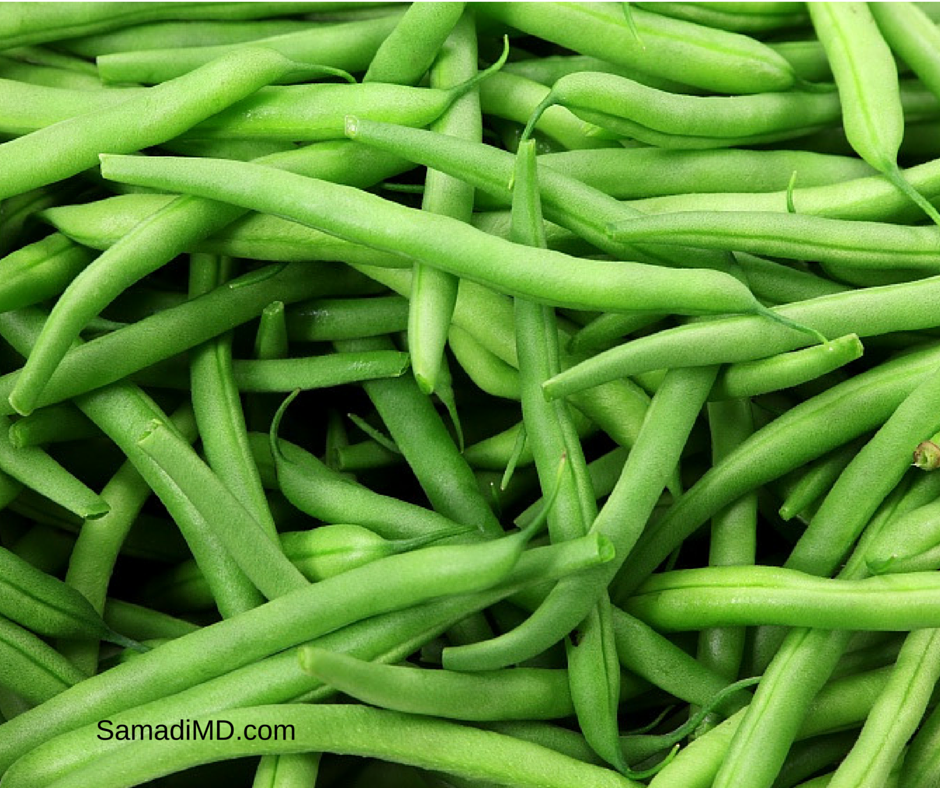
In general, Americans have a lot of room for improvement when it comes to their fiber intake.  The truth is that fiber supplements do not provide the same health benefits as the natural fiber you get from whole foods.  Therefore, it is important to expand your fiber intake through high-fiber foods rather than only supplements. The recommended daily intake of fiber is between 25-30 grams.  Some of the best sources of fiber are fruits, vegetables, whole grains, nuts, seeds and beans.

Here are some of the best foods to add fiber to your diet, and support your weight loss goals:

·      Raspberries

·      Avocado

·      Chia seeds

·      Flaxseed meal

·      Oatmeal

·      Lentils

·      Broccoli

·      Cabbage

·      Apples

·      Brussel sprouts

10 foods that make you bloated

1.     Watermelon. Contains a high amount of fructose. Many people can't fully absorb fructose, which leads to bloating, gas, and sometimes diarrhea.

2.     Artificial sweeteners. Sweeteners like sorbitol and xylitol absorb very slowly in the small intestine. This can cause gas, bloating, cramping, and sometimes diarrhea.

3.     Muesli bars. A healthy snack bar which include protein isolate. This is derived from soybeans, which causes gas. Look for foods that do not have soy-derived ingredients.

4.     Yogurt. Yogurt contains dairy, which has certain levels of lactose which gets fermented in your body and makes you bloat. Aim for plain Greek yogurt and avoid nonfat and low-fat yogurts as these often have more sugar which will make you feel gassy and bloated.

5.     Grains. Grains like wheat and rye have non-digestible fructan. If you have a gluten intolerance, eating these grains causes an immune reaction which destroys the lining of the small intestine and leads to gas, bloating, diarrhea, and/or constipation.

6.     Beans. Filled with starch which makes you gassy and bloated. Try soaking the dried beans overnight. Hydrating them will break down some of the starch.

7.     Onions. Onions contain a carb called fructan, which is poorly absorbed and causes increased water content in the intestine.

8.  Dairy products: If you have trouble digesting lactose, this can lead to intestinal distress and bloating.

9.     Gum. Sugarless chewing gum often contains sorbitol, a sugar alcohol which causes digestive distress. Look for sorbitol-free gum.

10.  Vegetables. Veggies like brussels sprouts and broccoli all have a carbohydrate called raffinose. Because we don't make the enzyme needed to break down raffinose, it passes through the small intestine undigested. And when food enters the large intestine without being broken down first, it gets fermented by bacteria. This results in gas and bloating. Try roasting them instead. 

Trick yourself to lose weight

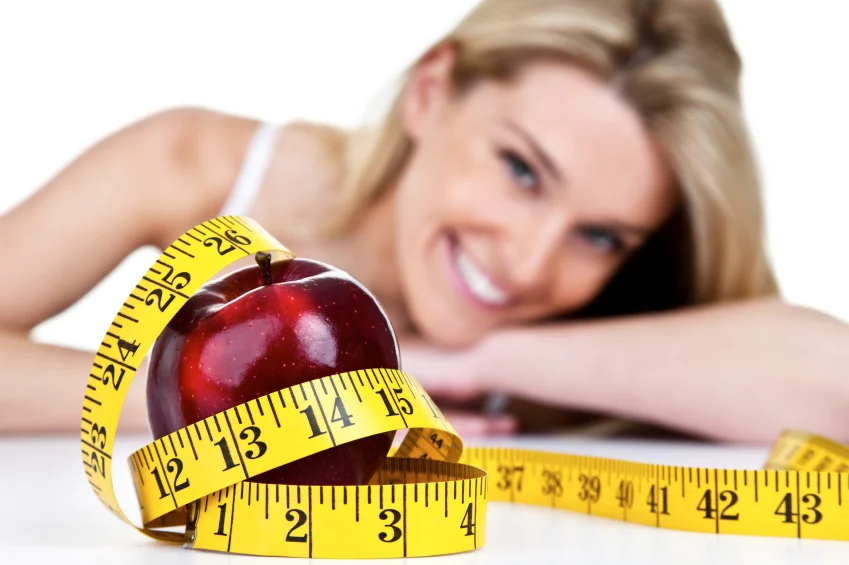
1.     Trick your brain into eating smaller portions. Eat on smaller plates. A huge piece of chicken looks a lot larger on a medium sized plate than it does on a large platter. And a small serving of rice is much more appealing in a small bowl than in a large one. You can only fit so much food onto smaller dishes. Just don't use this method as an excuse to go back for seconds.

2.     Always try to eat at a table. Eating on the go, at your work desk, or in front of the television can be harmful to your weight-loss plan. Research shows that focusing on food, with minimal distractions, can help you enjoy flavors and reduce overeating. Eating at the table can also help with portion control: Prepare your meal, and then commit to yourself that you won't go back to the kitchen for seconds.

3.     Eat before going to the grocery store. If you go to the grocery store on an empty stomach, you’re more likely to buy whatever you think would satisfy your hunger at that moment. Research shows that shoppers bought more high-calorie foods in the hours leading up to dinnertime than earlier in the day. So make sure to have a snack that is packed with protein before you go to the grocery store. Or, plan your trip to the grocery store after a meal. And don't go grocery shopping without a list of healthy foods.

4.     Only eat half the portions at a restaurant, pack the rest to go. Restaurant meals are often too big and loaded with calories and sodium. This is hard to do halfway through the meal, so ask for one half to be packed up as soon as it arrives. This leaves you with a reasonably sized plate of food, as well as an additional meal for another time.

5.     Keep healthy food stocked and visible. A recent study shows that thought process is pretty common. The research suggests that people who eat healthy often do so because nutritious foods like fruits and veggies are visible and easy to reach. Therefore, buy a fruit bowl and put some fruit you like in it. Another option is to keep cut up veggies right in front in your fridge. 


Want healthy gut bacteria? Follow the Mediterranean diet


Once again, the Mediterranean Diet continues to shine as an exceptionally healthy way of eating.  A recent 2015 study demonstrated a direct link between the type of food consumed in the Mediterranean Diet and the production of health-promoting short-chain fatty acids (SCFAs) in our intestinal tract.

When we eat insoluble fiber from plant based foods such as fruits, vegetables and legumes, it is fermented into SCFAs by bacteria living in the intestinal tract. These SCFAs are beneficial as they appear to help reduce heart disease, diabetes and inflammatory diseases. 

The study looked at 153 Italian adults who followed the Mediterranean Diet.  The Mediterranean Diet consists of large amounts of vegetables, fruits, legumes, nuts, whole grains, fish and low amounts of saturated fat, red meat and dairy foods.  The Italians following this way of eating had high levels of SCFAs and those who consumed the most plant based foods, basically vegetarians, had even higher levels of SCFAs than those who ate meat.  Meat eaters can benefit from SCFAs if they keep portion sizes small and consume more plant based foods.   A compound called trimethylamine oxide (TMAO) found in higher levels of individuals who eat beef, eggs, pork, and fish, is linked to heart disease.  The vegetarians and those who follow the Mediterranean Diet have lower levels of TMAO. 

The message learned here is to eat more plant-based foods having them fill up at least one-half of your dinner plate each day and keeping meat portions to a minimum.  Learn more about following the Mediterranean Diet way of eating and how it can boost your health and reduce disease.


Counting calories for weight loss is not working and here’s why:

I remember in my undergraduate years training as a student of dietetics, having to sometimes keep a food log for a class recording our calorie intake.  I found it tedious and boring.  Later on, working with clients seeking to lose weight, we were taught to place them on a certain calorie level to induce weight loss meaning they had to look up calorie levels of food.  For some it did work but I remember thinking to myself, “thank goodness that’s not me having to do that.”

Why did I not like counting calories?  Because I rarely put the emphasis on the number of calories consumed.  Instead my focus, my motivation always was and still is, on the nutritional quality of food I’m eating.  I’ll admit, I’ve never been overweight in my life therefore I’ve never been on a weight loss diet.  I’m not saying that in a bragging sense but rather to emphasize when our focus is shifted from thinking in terms of calories to instead thinking in terms of nutritional quality, everything changes.  

The notion weight loss can best be achieved by keeping track of how many calories you’ve eaten in a day, is beginning to be questioned more and more.  Is this really the right thing for people wanting to lose weight to focus on? The weight loss industry, bringing in $58 billion in revenue each year in the U.S., highlights calorie restriction by either cutting out entire food groups or severely restricting calories, and yet most people will regain the weight lost on these diets.  Currently, 34.9% or 78.6 million adults in the U.S. are obese (obesity being defined as a body mass index or BMI of 30 or >), a record level.  Clearly, something is not working.

The food industry has not helped.  Remember back in the 1980’s and 1990’s when fat was considered a villain and suddenly supermarket shelves were filled with snack foods labels proudly proclaiming “fat-free” or “reduced-fat.”  What do you think they replaced the fat with?  Sugar.  Sugar is a simple carbohydrate rapidly absorbed in our intestinal tract. This leads to a brisk rise in our blood sugar causing the pancreas to release the hormone insulin. Insulin gets the sugar out of our bloodstream and into the cells of our body, which is its job, but then this leads to a corresponding rapid drop in our blood sugar.  When we have a rapid drop in our blood sugar, we get hungry and our cravings lean towards eating more highly-sweetened carbohydrate foods, resulting in a viscous cycle. 

The results of replacing fat with sugar and other highly refined/processed food in our food supply during the 1980’s-1990’s was very likely one factor in the explosion of the obesity rate in the U.S.  People didn’t eat less, they ate more.  Consuming easily absorbed carbohydrates that quickly enter into our bloodstream make us hungrier faster than foods that take longer to be digested. 

You’ve probably heard of the phrase “a calorie is a calorie no matter where it comes from.”  This is no longer accepted.  Two separate journal articles, one a 2014 commentary in Public Health Nutrition and the other, a 2015 editorial address this.  Calories are units of energy, a measure of the potential energy a food can release. Calories come from protein, fat, carbohydrates and alcohol, each having varying effects on our satiety, food consumption, weight maintenance and body composition by how they interact with different hormones and physiological pathways.  Hormones affected include:

·      Ghrelin – an appetite –stimulating hormone

·      Leptin – an appetite-suppressing hormone

·      Glucagon – a hormone raising blood sugar

·      Insulin – a hormone lowering blood sugar

When a person reduces their caloric intake, it tends to result in fatigue along with increasing hunger usually for carbohydrates that are absorbed quickly – highly processed and refined foods such as white rice, sodas, food made with white flour – often resulting in rebound weight gain in the long term.  Eating carbohydrates that are rapidly absorbed, may be promoting leptin resistance, the appetite-suppressing hormone.  Maybe it’s not so much the number of calories eaten but instead the type of carbohydrate foods we’re choosing leading to weight gain. 

So, should all of us quit counting calories and stop looking at the calorie amounts on the back of food labels?  It depends. 

Here are some reasons why counting calories may be harming your weight loss efforts:

·      It can be monotonous leading to burnout making you feel like a human calculator.  If you love math and keeping figures, you may enjoy it.  But often you feel resentful if you deprive yourself from all high calorie foods.  When foods are forbidden, you may end up craving them and eating more when the opportunity arises.

·      If you restrict yourself on the number of calories you can consume, anytime you give into temptation, it can lead to bingeing.  It’s called the “what the hell effect.”  You have a tendency to feel “if I’ve blown my diet, I might as well eat even more.” 

·      It can cause you to overthink your food choices.  This can lead to feelings of stress and deprivation that takes a toll on our mental and physical well-being to where you lose the pleasure of eating.

·      It may not be helping you learn to listen to your body intuitively.  There will be some days you want to eat less calories you’ve been assigned to or other days you want to eat more.  When we begin really paying attention to our hunger/fullness cues throughout the day, this can go a long way to curbing your intake of food more naturally.

So, what can be done? 

Both aforementioned journal articles had suggestions that merit a closer look and are ones I’ve always advocated as a registered dietitian.  Our focus should not be so intense on the calories found in food.  Here are ideas that may turn the tide in reducing obesity:

·      Put the focus on eating actual food.  Not processed or refined food but food Mother Nature provides for us.  The kind you grow in your backyard or find at a farmer’s market or in the produce section at the grocery store. 

·      Think in terms of the nutritive value of the food and not so much the amount of calories in it.  What kind of minerals, vitamins and phytochemicals does the food provide, that should be the focus.  Build meals around fresh, healthy food.

·      Decrease consumption of refined/highly processed foods to a bare minimum.  The more ingredients listed usually the less healthy it is for you.

·      Work with agricultural industries to help create subsidies for fruits and vegetables, making them more affordable and available to the general public.

 ·      Have tighter controls on marketing of junk food.

·      Eat regular meals each day.  Avoid skipping or eating chaotically throughout the day. 

 ·      When choosing what to eat, think in terms of “How will this nourish my body?  Is this a food promoting my health or harming my health?”

There are no short term fixes.  Counting calories may be the solution for some people but it’s been tried over and over without making much headway when it comes to weight loss.  It’s time to get back to basics by wiping clean the highly refined/processed foods from your diet and starting with fresh, natural foods – vegetables, fruits, nuts, seeds, legumes, whole grains, lean meat, fish, poultry, dairy.

Simply eating healthy without having to count calories is one of the easiest things to do.   It frees you up to enjoy food without stressing over a certain number to meet.  In addition, keeping things simple makes everything more likely to fall into place. 


Good for Your Detox Smoothies

Good for Your Detox Smoothies

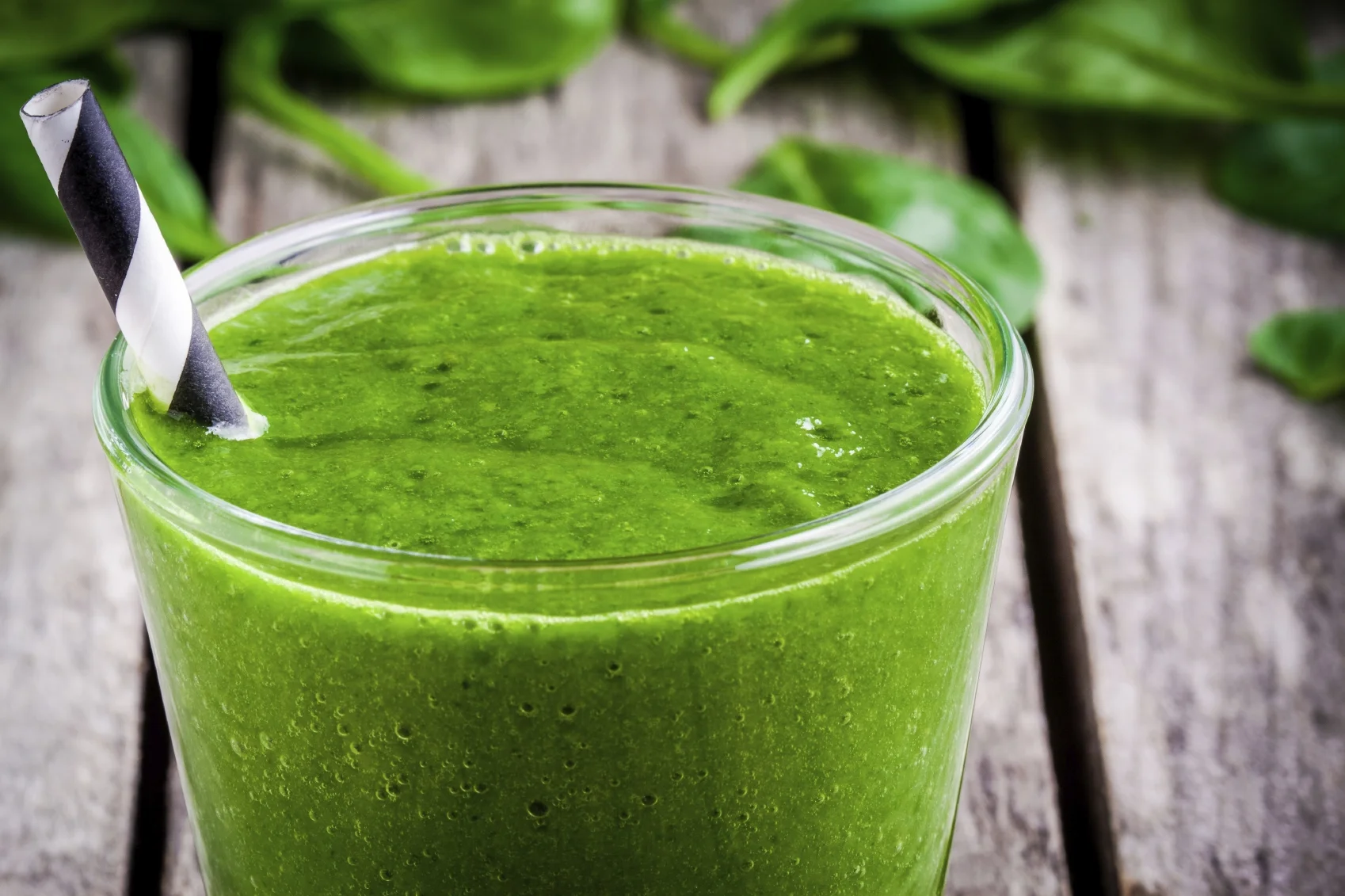
A great way to get these into your diet are juices and smoothies.  Of course nature is full of fruits and vegetables that have the power to detoxify, but some are definitely more powerful than others. Here are some great ingredients to use in your juices and smoothies to help with your daily detox: 

Read More

Confront Your Sugar Addiction

Confront Your Sugar Addiction

Fructose paired with glucose in both table sugar and high-fructose corn syrup is a fixture in diets worldwide. Increasingly the factor to blame for epidemics of obesity, diabetes and a wealth of related health problems. Scientists are still struggling to understand both the complicated metabolic effects and secrets of the allure: why we’re so drawn to consume sugar in sodas, desserts, snacks.

Read More

Tips for a Bloat-Free Life

Tips for a Bloat-Free Life

Paying attention to your gut health is one of the most important (and often overlooked) things you can do for your health. Currently, a lot of research has been done around the micro-biome and apparently a happy microbiome is the secret to good health. 

Read More

No time? No problem. Make a healthy lunch in 5 minutes flat

No time? No problem. Make a healthy lunch in 5 minutes flat

Have you ever had one of those days – or maybe everyday – when lunch hour rolls around and there’s just not enough time to make time to eat?  You’ve got tons of work to do and it’d be so much easier going to a fast food drive-thru window or better yet, skip eating lunch altogether.  

Read More

Saving Cents at the Supermarket

Saving Cents at the Supermarket

Ouch!  Have you felt the “pinch” of rising food prices at the grocery store lately?  Up and down the aisles, prices are soaring for basic staple foods such as meat, milk, eggs, fruits and vegetables. 

Read More

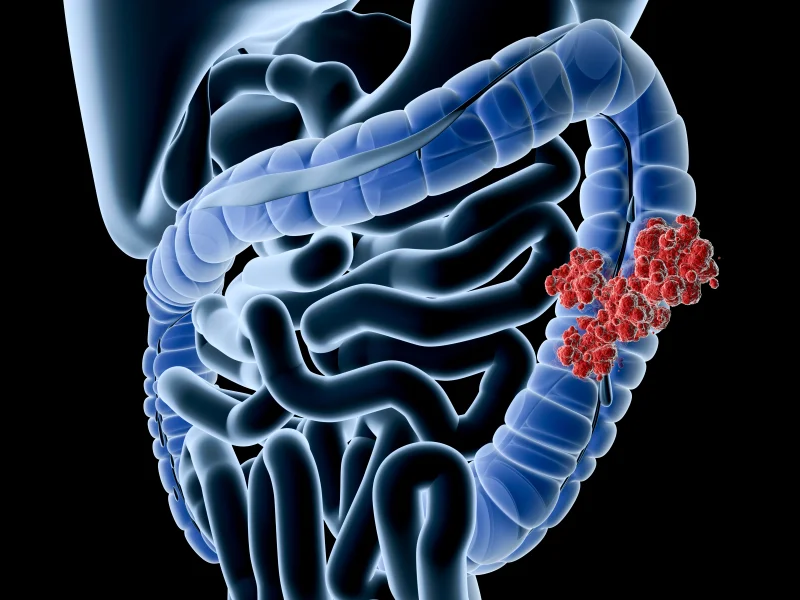
Foods to eat for a healthy colon

Foods to eat for a healthy colon

Garlic. Garlic has long been known for containing natural antibacterial properties. Prior research has found that eating more garlic is associated with a decreased risk of developing non-cancerous growths in the colon. 

Read More

Reasons why you are always hungry

Reasons why you are always hungry

The most common reasons a person is constantly hungry include the following: you are dehydrated, you do not get enough sleep, you skip meals, you are always stressed out, you drink too much alcohol, you eat too fast, you do not get enough protein, you eat too many starchy carbohydrates, and you are on certain medications that increase your appetite.

Read More

How to eat a Mediterranean diet

How to eat a Mediterranean diet

The Mediterranean diet is a diet that is based on traditional foods people used to eat in Mediterranean countries like Italy and Greece. Researchers say that people on Mediterranean diet were much healthier compared to people who ate a western diet and had lower risk of many deadly diseases.

Read More

Let's Talk About Butter

Let's Talk About Butter

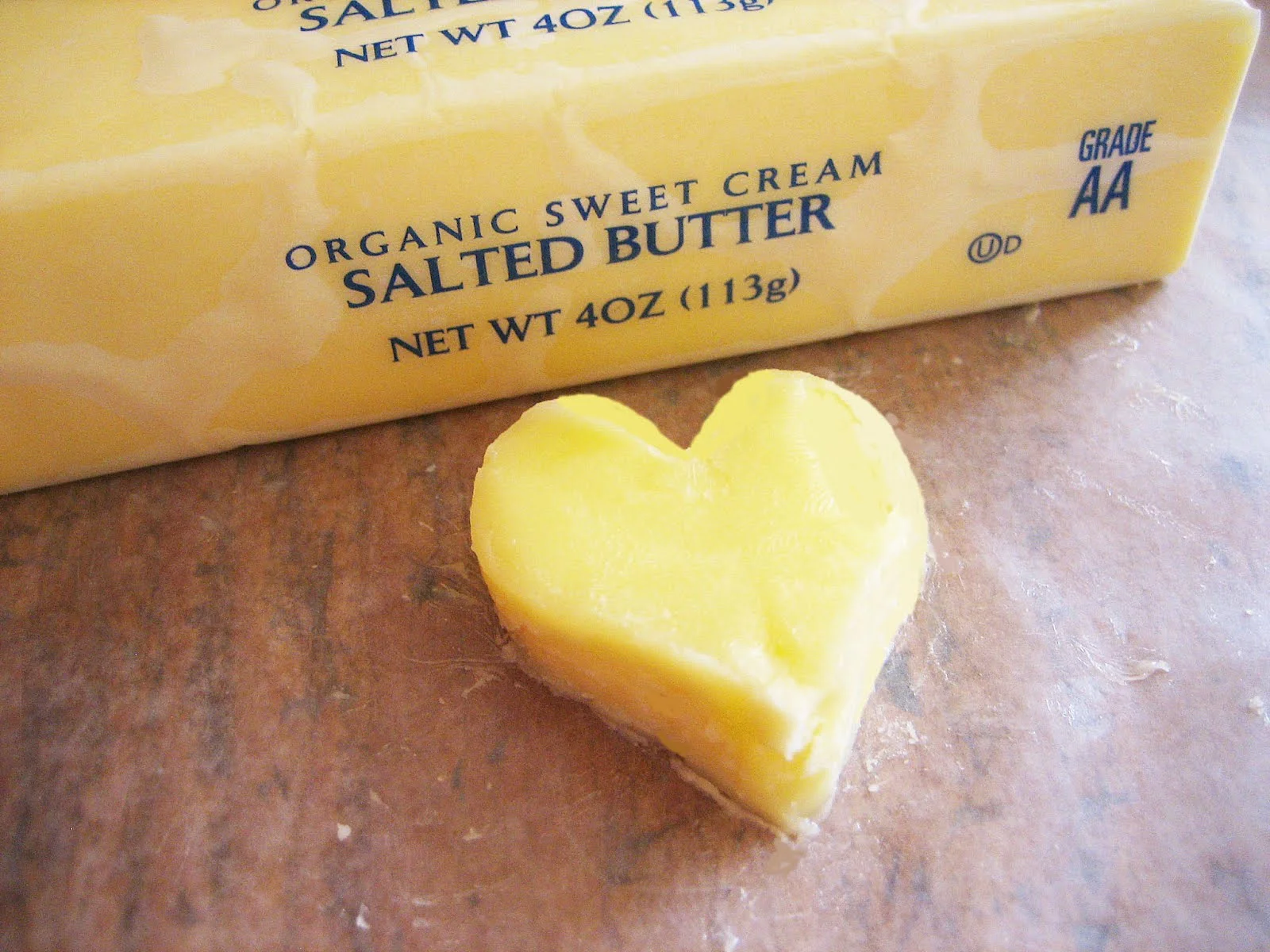
Ahh, butter, every foods favorite thing to swim in and our favorite ingredient. Of course, many butters, especially artificial ones, can have a high amount trans fat. Even in real  butter, saturated fats are high. 

Read More

Eat More Fermented Foods

Eat More Fermented Foods

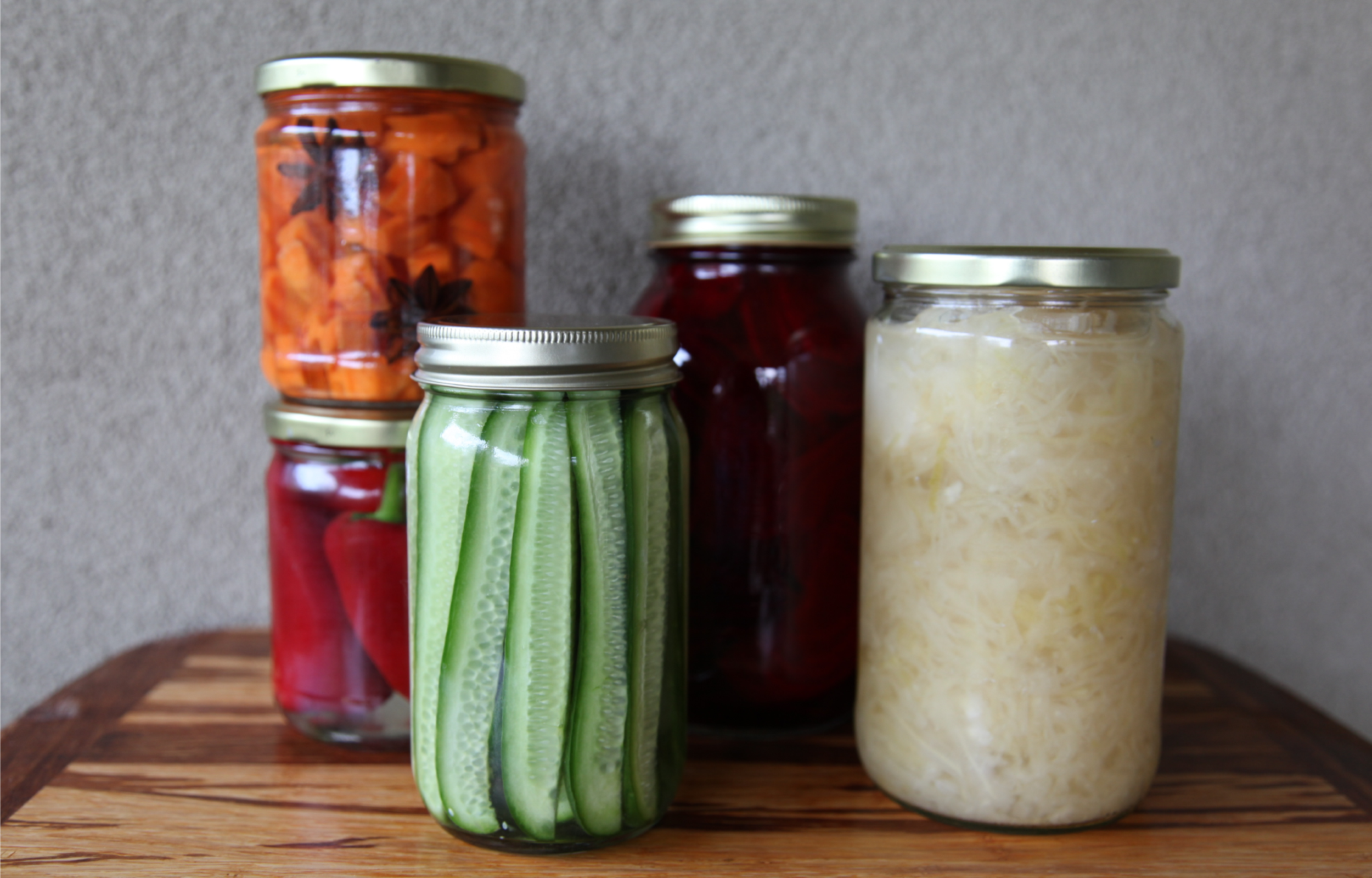
Fermented foods are probably not the first thing you think of when it comes to eating healthy. We're taught to constantly reach for the freshest foods. But fermented foods, which have been around for thousands of years, and the process helped our ancestors preserve food long before refrigerators and canning systems were available. 

Read More

Beyond bananas - 8 exotic fruits to go crazy over

Beyond bananas - 8 exotic fruits to go crazy over

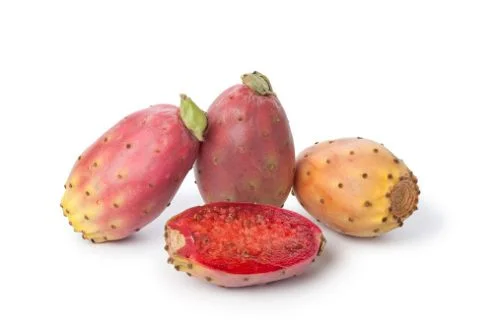
They say variety is the spice of life and when it comes to fruit, there’s more than just apples, oranges and bananas.  Dragon fruit, Cactus Fig and Physalis are just a few examples of exotic fruit that can bring more gusto and nutritional value into your everyday choices.  By “eating outside the box” we can experience more of what this food group has to offer.

Read More