12 must-have fruits and vegetables to eat this winter
/
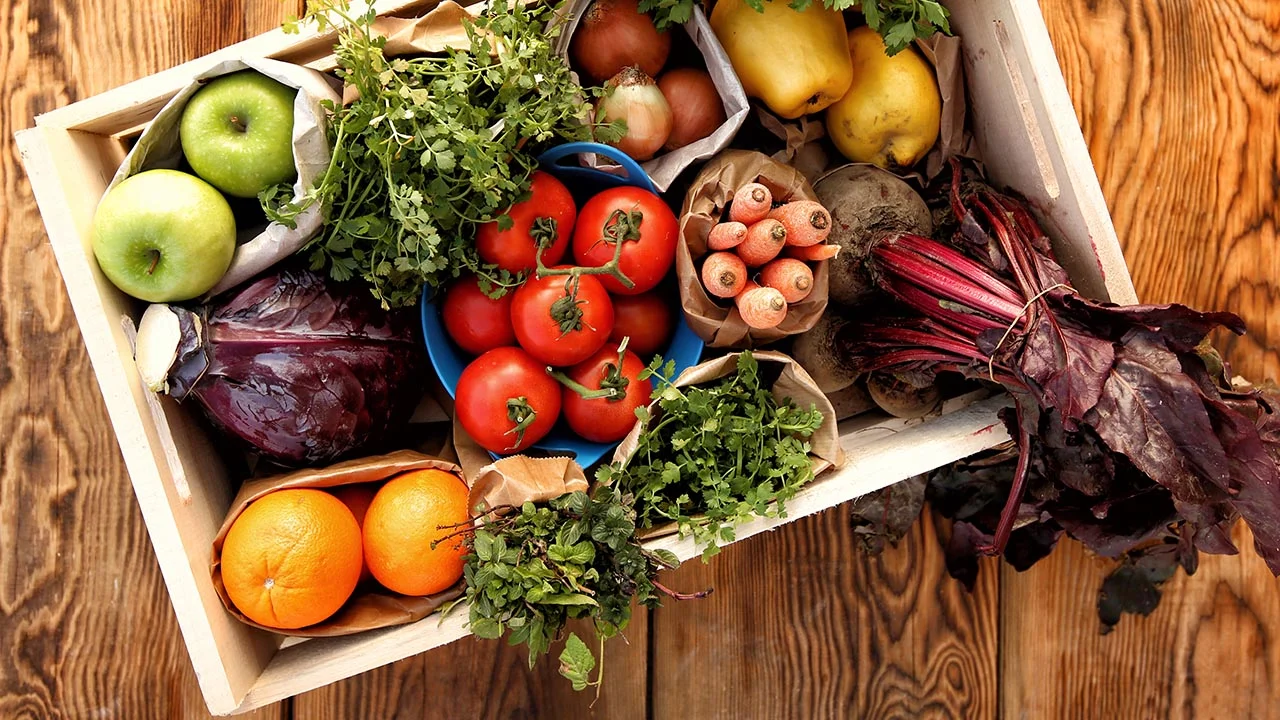
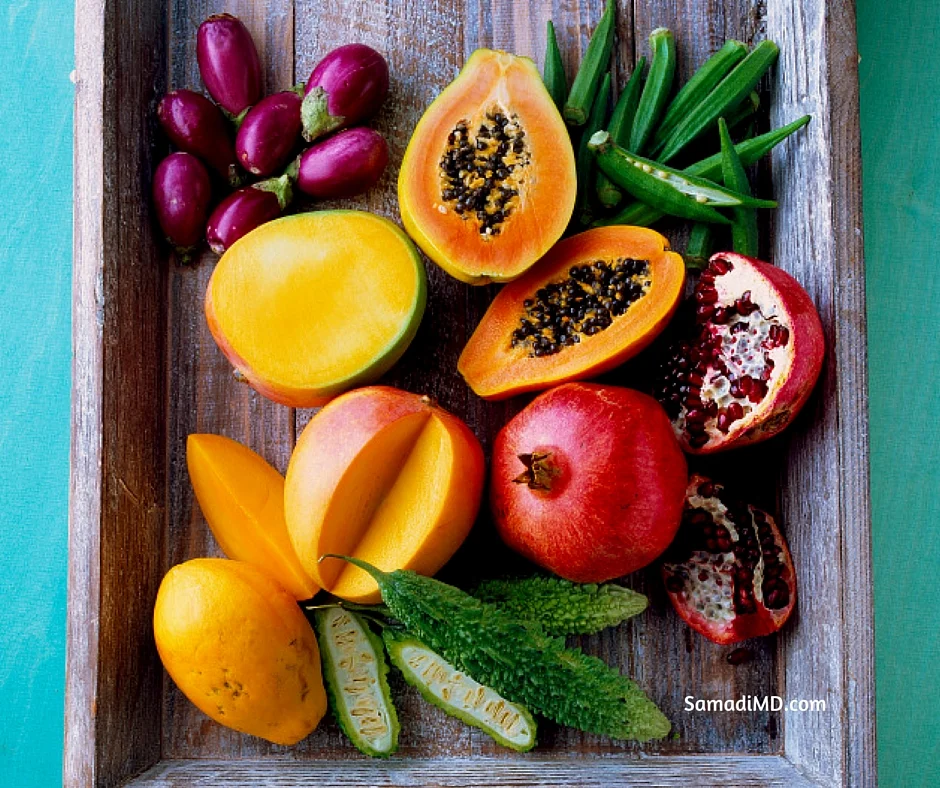
In fact, winter can be a wonderful time to try out a wide variety of fruits and veggies we may often overlook during other seasons.
Read More
Food and Diet. Find daily health food tips and ideas from Dr. David Samadi. Discover healthy food for healthy living. Explore major food issues and debates related to health such as buying and cooking with organic food, genetically modified food (GMO versus Non-GMO), nutrition, dieting epidemic, obesity, disease prevention, best digestion foods.
In fact, winter can be a wonderful time to try out a wide variety of fruits and veggies we may often overlook during other seasons.
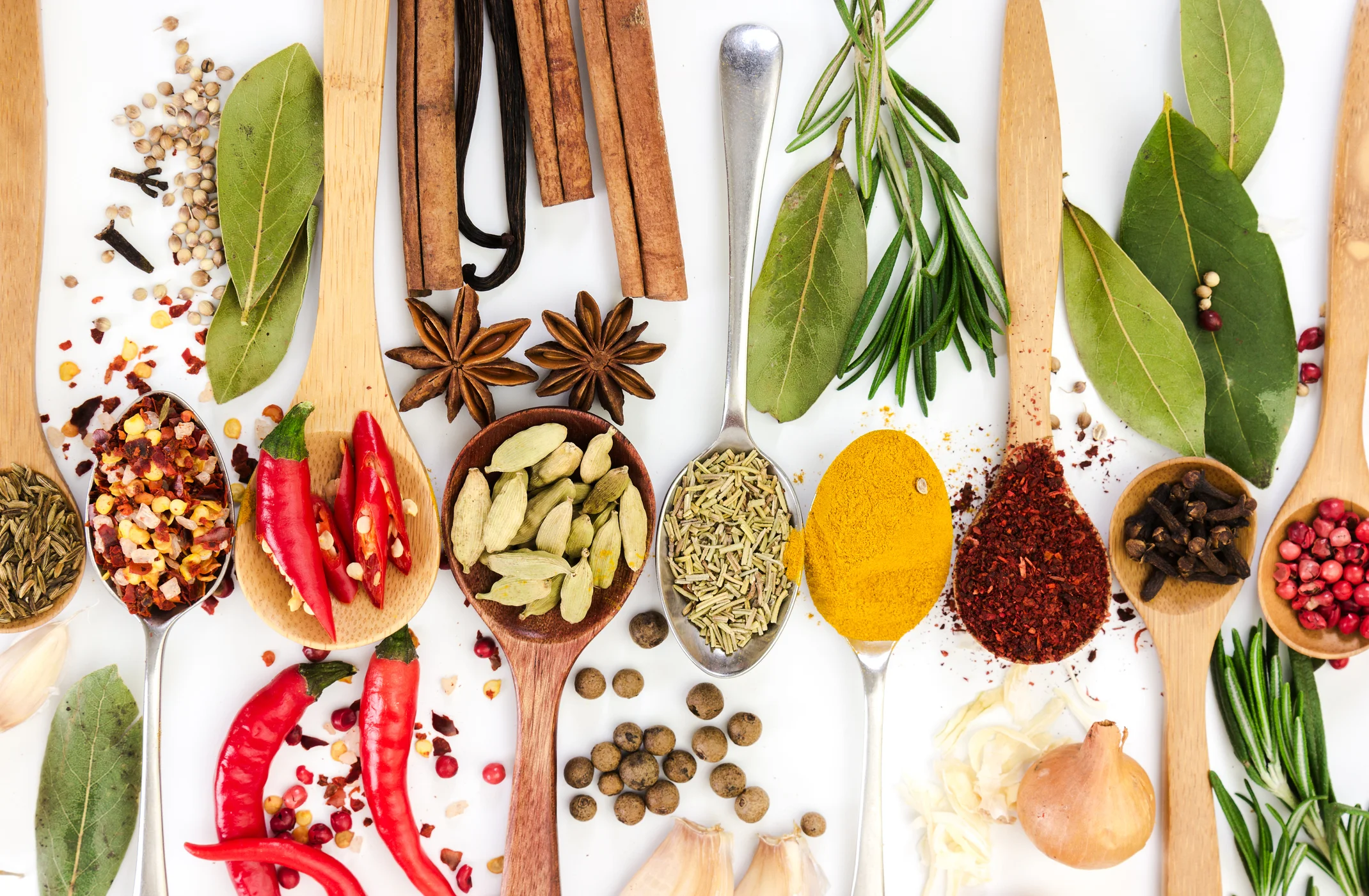
Read MoreHerbs, those fragrant culinary delicacies, offer so much more than just flavoring and garnishing our food. Whether you buy them at the grocery store, a farmer’s market or grow your own, these tender plants harbor a wealth of health benefits just waiting for you to discover.
Read MoreMom was right (but aren’t they always). Eating your greens is a good thing but in this case, not just any greens will do. The darker the green and the leafier the vegetable, the better for you they will be. When we consume leafy greens frequently, we are the ones who reap the nutritional value they offer us.
Read MoreJuicing fruits and veggies has been a dietary craze storming across the country as a convenient approach to clean eating. From juice shops popping up in the neighborhood to celebrities jumping on the juice bandwagon, this trendy beverage infatuation looks to be around for a while.
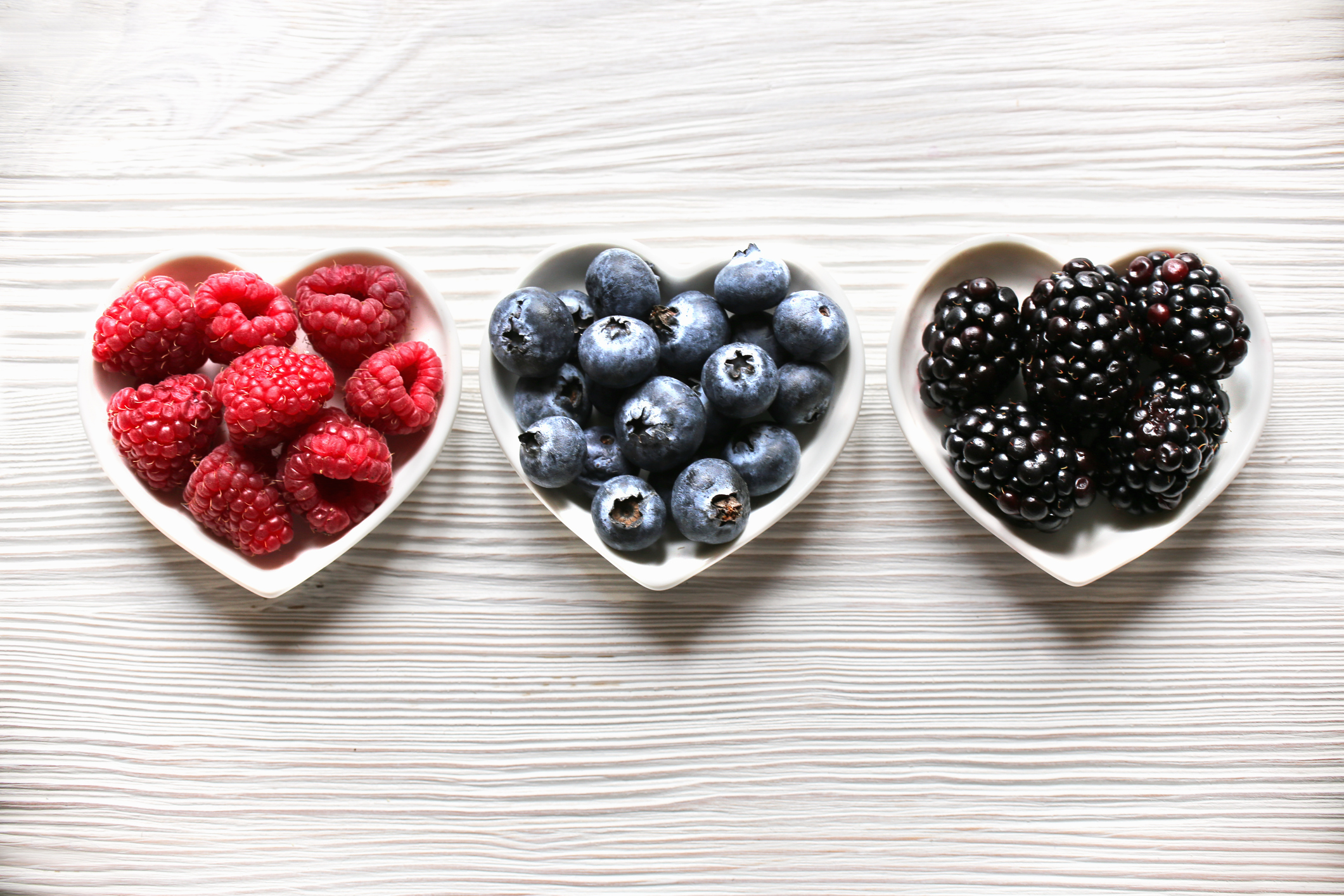
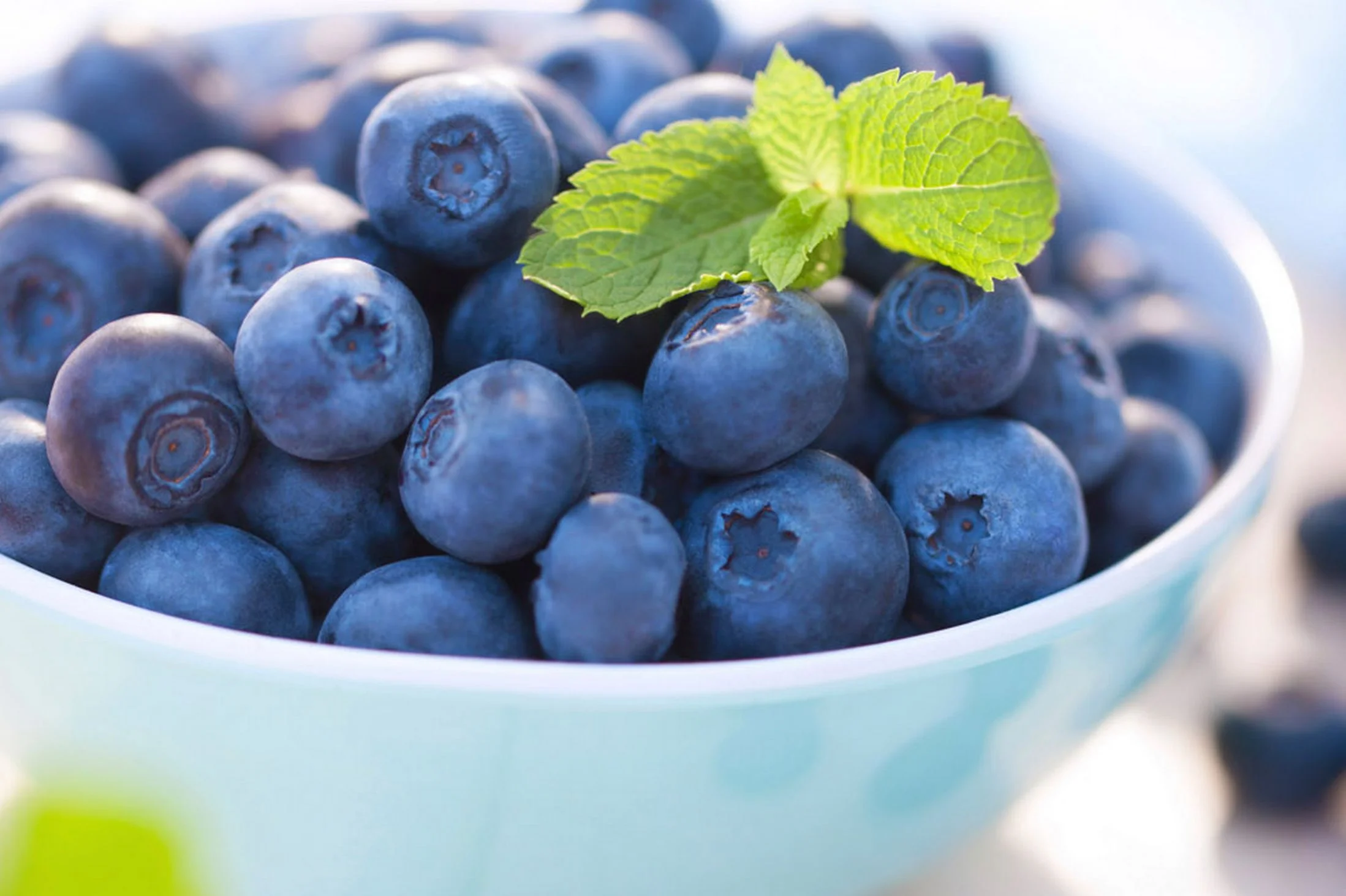
Read MoreBerries are just about the perfect food to eat, whether fresh or frozen, and the variety to choose from is outstanding – blackberries, blueberries, boysenberries, cranberries, gooseberries, loganberries, raspberries, and strawberries.
Read MoreIf you’ve ever spoken the words, “I have a sweet tooth,” there may be a good explanation for that. And it looks to be not as easy as simply having more willpower to refrain from indulging in goodies and desserts. It may actually be more of a biological aspect motivating and rewarding some people to go into sugar craving overdrive that could be the explanation.
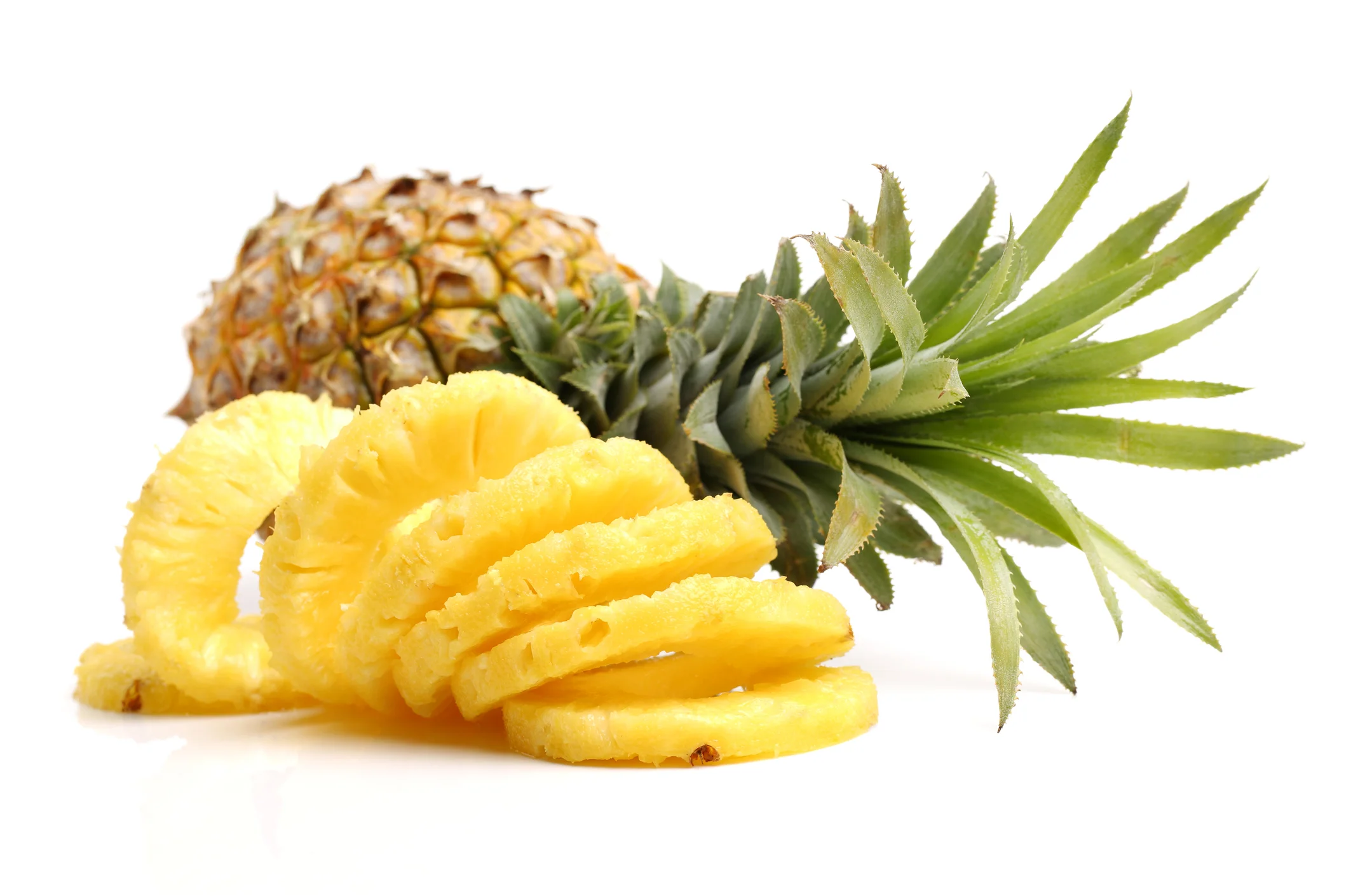
Read MoreWhen we think of pineapple, images of Hawaiian women in grass hula skirts placing flowered leis around our necks come to mind. This exotic fruit was first introduced to the Hawaiian islands in 1813 and by 1930, nine million cases of pineapple were exported out of the state by nine different canneries. By the 1960’s, Hawaii was responsible for growing 80 percent of the world’s pineapple. Hawaii still grows pineapple but over the years, it is no longer a profitable place to grow and process this fruit. Today, Hawaii currently only grows about two percent of the world’s pineapple.
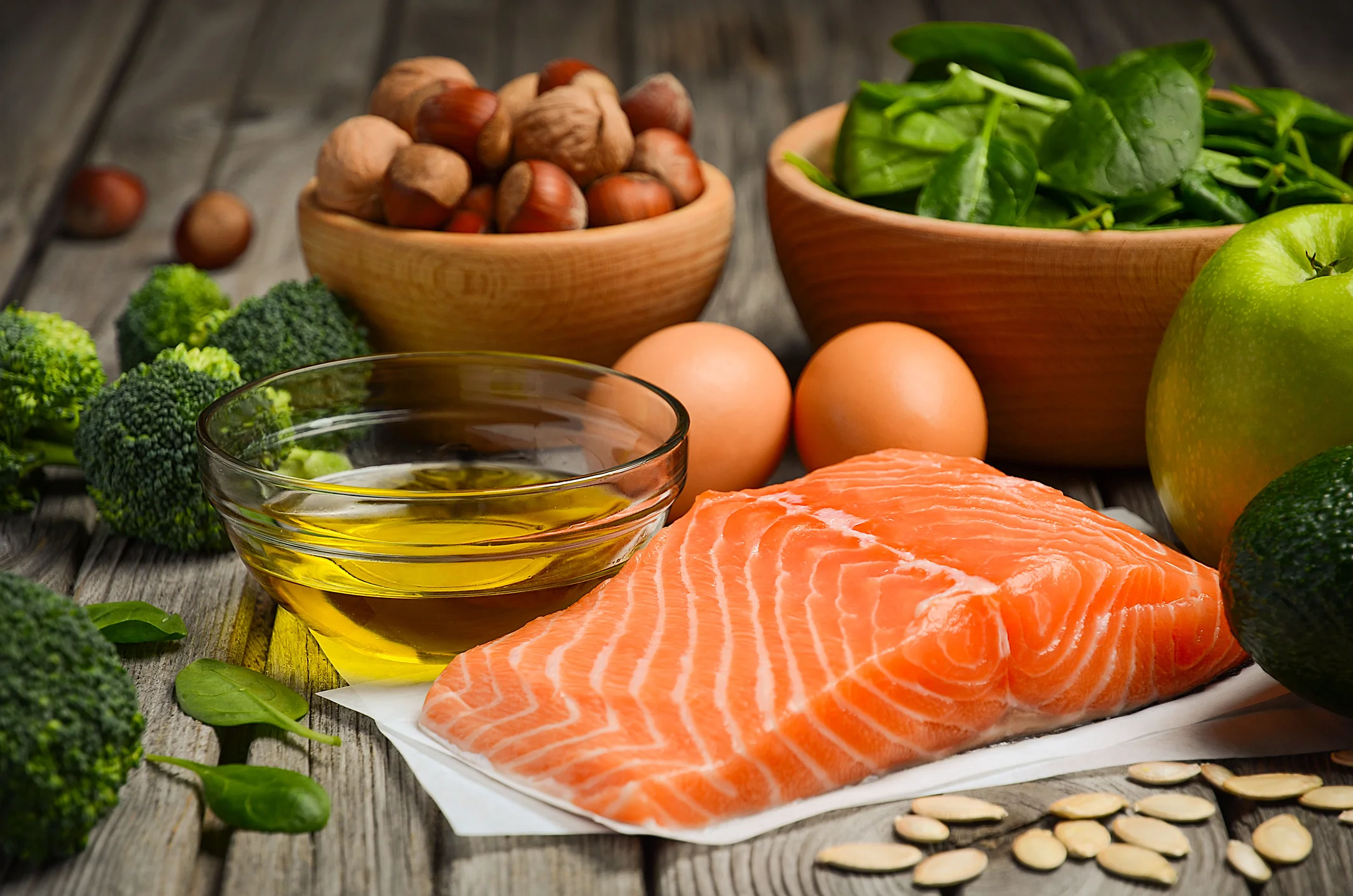
Read MoreEach day, every one of us must make choices when it comes to eating. If there is one area all of us can do our health a favor is to reduce our intake of saturated fat.
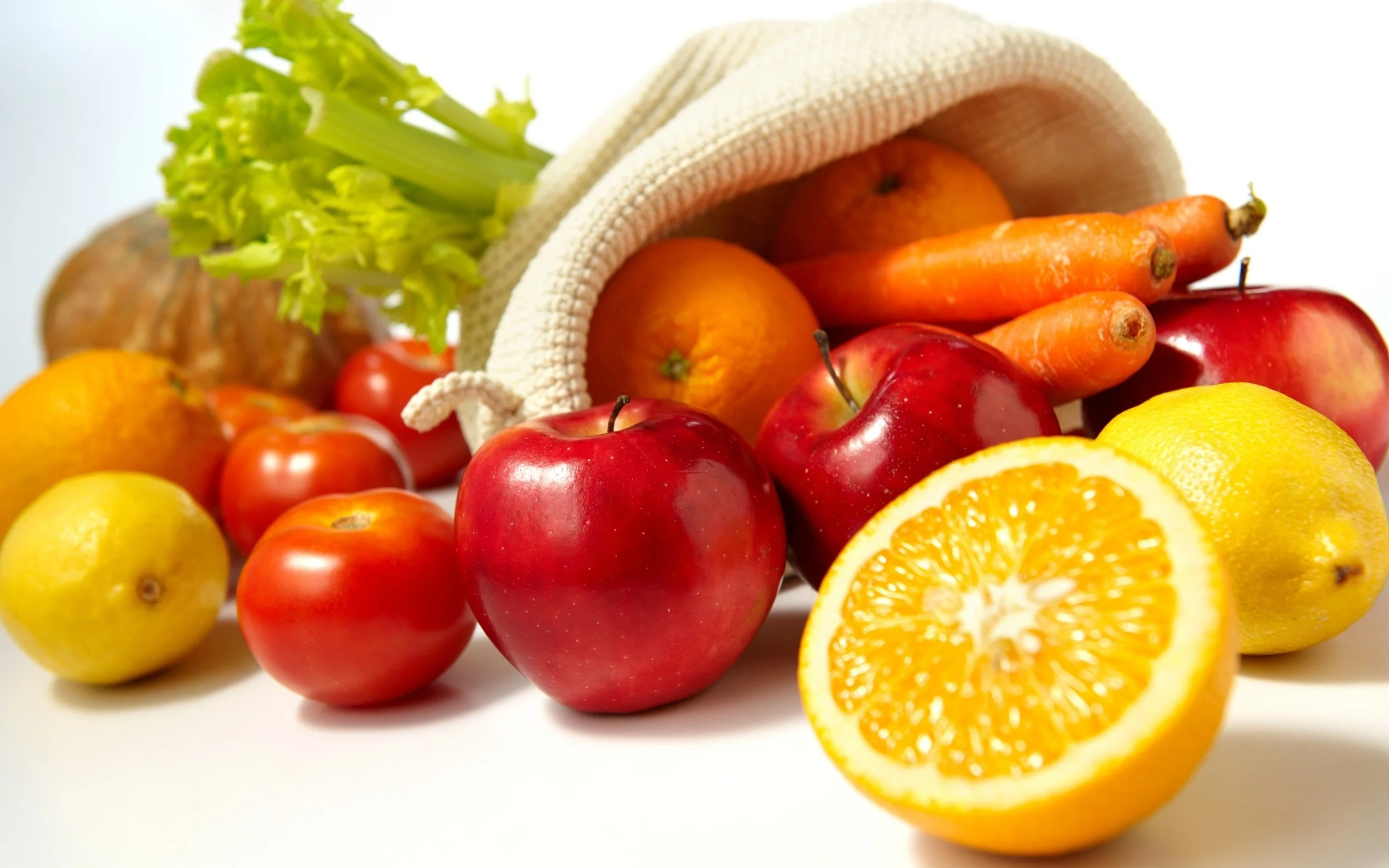
Read MoreIf you find it hard to get in the recommended number of servings of fruits and veggies each day, there is hope.
Read MoreWhen your repertoire of veggies consists of carrots, corn, and green beans, it’s time to branch out and take a second look at healthy vegetables you’re overlooking.
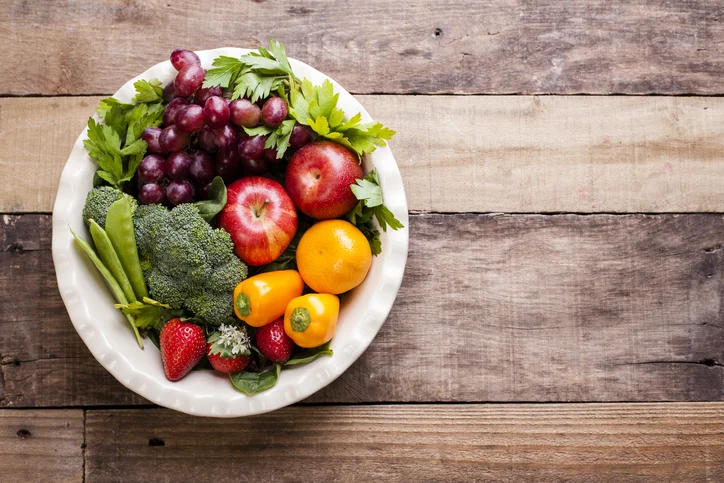
Read MoreBe honest – do you eat the recommended number of fruits and vegetables a day? If you’re the average American, you’re not even close. A telling recent report conducted by the Centers for Disease Control and Prevention and the National Cancer Institute found that fewer than 18% of adults in all states ate the recommended amount of fruit and less than 14% were eating the recommended amount of vegetables. This is not surprising as for years many of us just don’t eat a lot of produce. We get busy with our jobs, family and all the stresses life brings and eating the recommended amount of fruits and vegetables may not be at the top of our to-do list.
If more people truly understood the value and importance fruits and vegetables can bring to their overall health, it may convince more of us to make eating them a priority. Once you start adding more produce to your diet, you’ll begin to see how beneficial they are and will ask yourself, “Why wasn’t I eating more of these before?”
How many servings of fruits and vegetables is recommended?
The amount needed per day depends on different factors – your age, sex and level of physical activity. An excellent guideline is choosemyplate.gov which will thoroughly explain how many servings needed daily, what is considered an amount, and what foods are found in both fruits and vegetables.
Excuses we use to not eat fruits and vegetables
If you were to ask a person why they don’t get in the recommended number of servings of fruits and vegetables, there can be dozens of reasons. Let’s take a look at some of the more common ones:
· They cost too much – I’m with you on this one. They can be but not always. Here’s a couple of hints: One, buy when they’re in season as they are usually cheaper and taste their best and two, remember canned and/or frozen fruits and vegetables are another option. They are often a good bargain and will still offer the nutritional value of fresh produce. Both canned and frozen produce are picked at their peak so they often retain more nutrients than fresh produce unless you eat it within a few days. Choose canned fruits packed in water and canned vegetables that are low-sodium or rinse them with cold water in a colander to decrease the sodium content. Dried fruit is another option but they can be pricey and have a concentrated sugar content.
· They spoil before I can use all of it – Again, with fresh produce this can definitely happen. This usually results for several reasons – you bought more than what you needed, they weren’t stored properly, or you put them in the refrigerator and forgot about them until they turned limp and moldy. Here are a few tips to prevent wastage:
- Before going to the grocery store check to see what produce you already have on hand.
- Buy only the amount you will use or need.
- At the store, avoid produce that may be rotting or have insect damage.
- Store produce in the proper location. Depending on the fruit or vegetable will determine whether they need stored at room temperature or in the refrigerator.
- Certain fruits and vegetables need to be kept separate – fruits like apples and peaches release ethylene gas as they age causing other produce to ripen and spoil quicker.
- Use the FIFO rule – first in, first out. Rotate using up what you already have before using anything new.
· I don’t like the taste of fruits and/or vegetables – Some people may have grown up with little exposure to produce or were picky eaters while others may be what is called a “supertaster” where strong flavors, particularly from certain vegetables, can be overwhelming. The neat thing about produce is there are numerous ways to fix them for eating – baked, roasted, grilled, microwaved, steamed, stir-fry, sautéed – all of which can be done in a healthy manner and cooked to your liking. Check out the link to get great ideas on preparing fruits and vegetables.
Top 15 reasons to be eating more fruits and vegetables
1. They contain an abundance of vitamins and minerals that keep us healthy
2. They contain phytochemicals that may protect against certain diseases
3. They add texture, color and variety to our diet
4. They are naturally low in calories
5. They have little to no fat (except avocados but it’s a healthy fat), saturated fat or trans fats
6. Most can be eaten raw with minimal preparation – be sure and wash before eating
7. They make you feel full without feeling stuffed
8. They are full of fiber helping to prevent constipation
9. They are good for healthy skin
10. They make an easy snack
11. They contain nutrients that can protect against the eye condition macular degeneration
12. They are fun to grow yourself and then eat
13. They can help with weight control
14. They are naturally low in sodium
15. They help decrease tooth decay and promote oral health
Be honest – do you eat the recommended number of fruits and vegetables a day? If you’re the average American, you’re not even close. A telling recent report conducted by the Centers for Disease Control and Prevention and the National Cancer Institute found that fewer than 18% of adults in all states ate the recommended amount of fruit and less than 14% were eating the recommended amount of vegetables. This is not surprising as for years many of us just don’t eat a lot of produce. We get busy with our jobs, family and all the stresses life brings and eating the recommended amount of fruits and vegetables may not be at the top of our to-do list.
Read MoreWe invest a lot of money in our fresh fruits and vegetables and overall produce purchases each week. When preparing these items, we often throw away half of the apple or other weird parts on the product themselves and discard before cooking. The truth is you aren't just tossing a few dollars in the garbage, but you're also throwing away some serious nutritional benefits.
Read MoreZero-calorie foods? Is that an oxymoron? Think again — We've got delicious and no-calorie foods to jump start your summer beach body. Get your grocery list out.
Read MoreAlthough most are preventable, foodborne illnesses continue to be a big problem in the United States. It seems as if every few months we hear about another food-borne illness outbreak, whether it is caused by the well-known culprits Salmonella and E. coli, or less familiar organisms like Listeria, or Vibrio.
Read MoreAs spring reveals its vibrant blooms, reflecting these bright colors on our plates is a powerful step towards improved health. The compound that pigments fruits and vegetables are called flavonoids. Flavonoids have been found to have many health benefits. In particular, they have been highlighted to have antioxidant and anti-inflammatory properties.
Read More