Learning about Schizophrenia

Learning about Schizophrenia

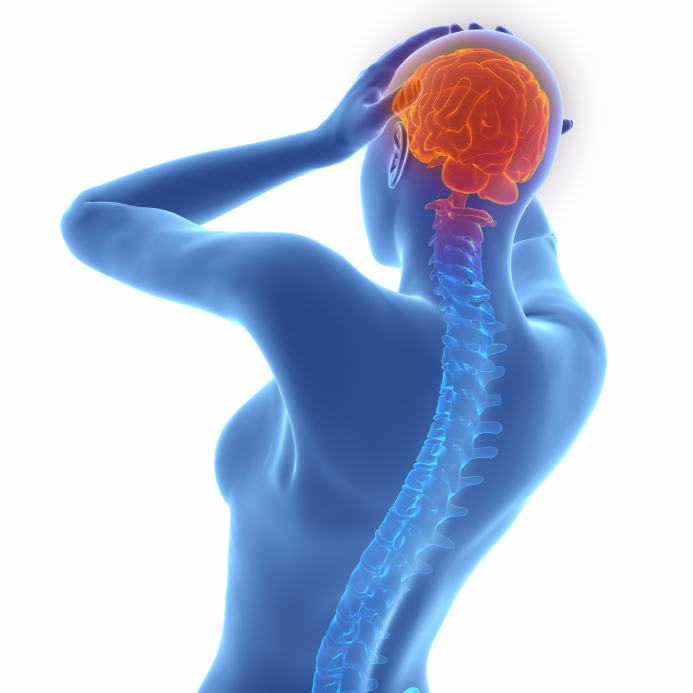
Schizophrenia is a group of severe brain disorders in which people interpret reality abnormally.  Schizophrenia can cause a combination of hallucinations, delusions, and disordered thinking and behavior.

Read More

What are Varicose Veins

What are Varicose Veins

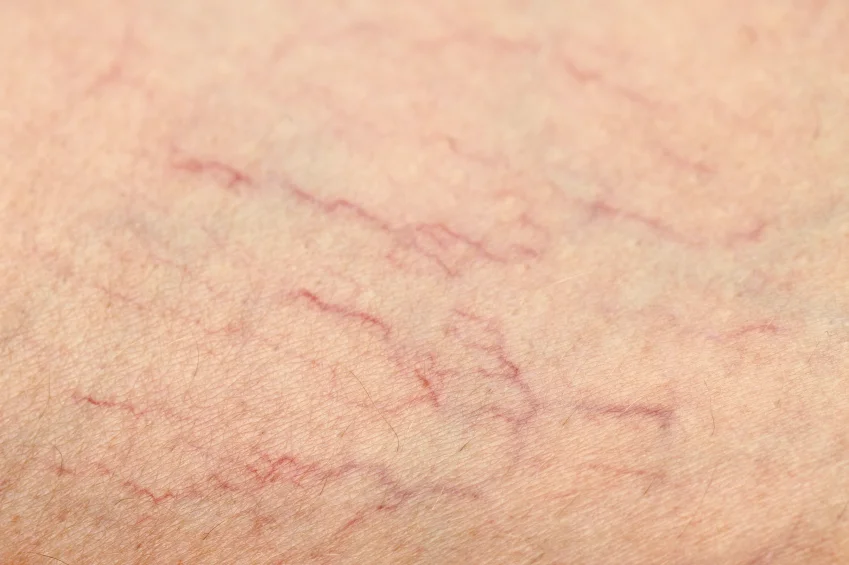
Varicose veins are thought to be inherited, but they can develop from any number of reasons.  For example, according to the Society for Vascular Surgery, approximately 50-55% of pregnant women in the U.S. develop varicose veins.  Varicose veins can not only be unsightly, but can be painful and can lead to more serious health problems if not treated.

Read More

What you need to know about suffering from anxiety

What you need to know about suffering from anxiety

eople who suffer from anxiety suffer on both a psychological and physical level. The condition occurs when the body feels threatened that something is about to happen or will happen in the future.

Read More

Has Gonorrhea Developed Resistance to Antibiotics?

Has Gonorrhea Developed Resistance to Antibiotics?

We’ve all been treated by antibiotics for one thing or another, but what antibiotics no longer worked as an effective cure?  This is currently the future we face with one of the most prominent sexually transmitted diseases, gonorrhea. 

Read More

What you should know about COPD

What you should know about COPD

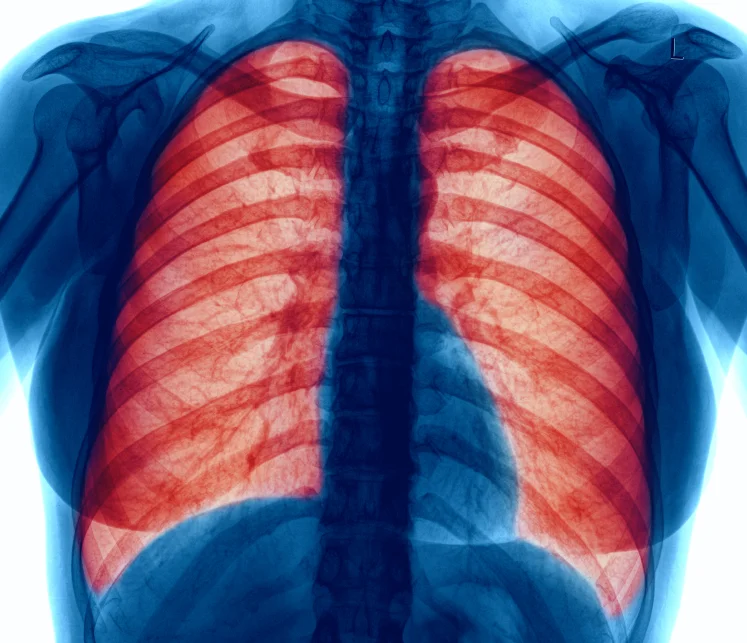
Chronic obstructive pulmonary disease is often referred to as COPD. It is a chronic inflammatory disease that occurs in the lungs. It causes the airflow from the lungs to become obstructed. Chronic

Read More

America and the obesity epidemic

America and the obesity epidemic

Many Americans are eating more calories than they burn mainly because food is more convenient than ever before. It is very easily accessible, especially with the use of mobile apps these days. The majority of Americans also don't get much exercise.

Read More

What does a Spleen do?

What does a Spleen do?

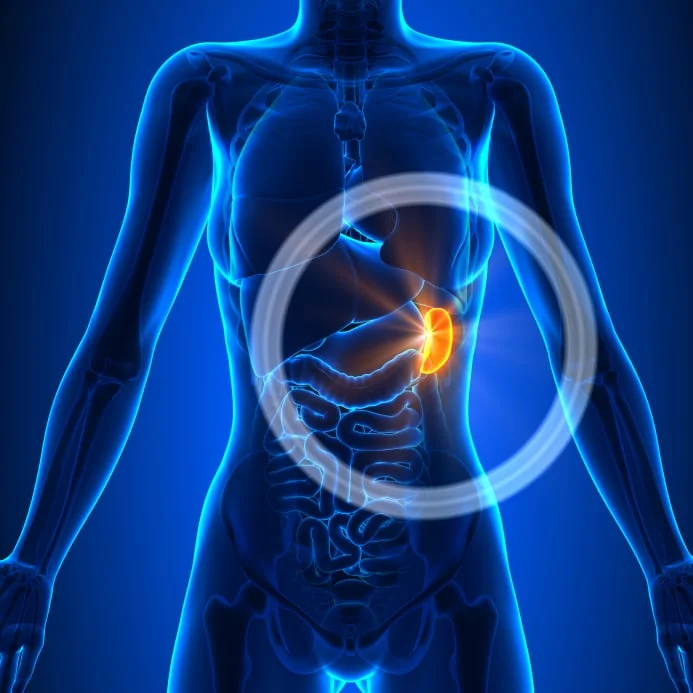
The spleen is an organ that sits on the left upper quarter of the abdomen. The spleen commonly lies under the ninth to the twelve rib, next to the stomach and pancreas.  One of the major functions of the spleen is to filter the blood of old and dying red blood cells. The spleen also stores platelets that normally help in blood coagulation and clotting.

Read More

Diabetes snuck up on Robert Kardashian

Diabetes snuck up on Robert Kardashian

Rob Kardashian, 28-year-old reality television star seen on ‘Keeping up with the Kardashians’, has been diagnosed with diabetes after being rushed to the hospital for feeling ill. This is news to him and the family, as they were unaware he was diabetic. As seen on the reality show, Rob has gained a significant amount of weight over the last few years and has been battling with depression. As a result, he has removed himself from the public eye and no longer appears on the show with his sisters and mother.

Read More

Do you have an overactive bladder

Do you have an overactive bladder

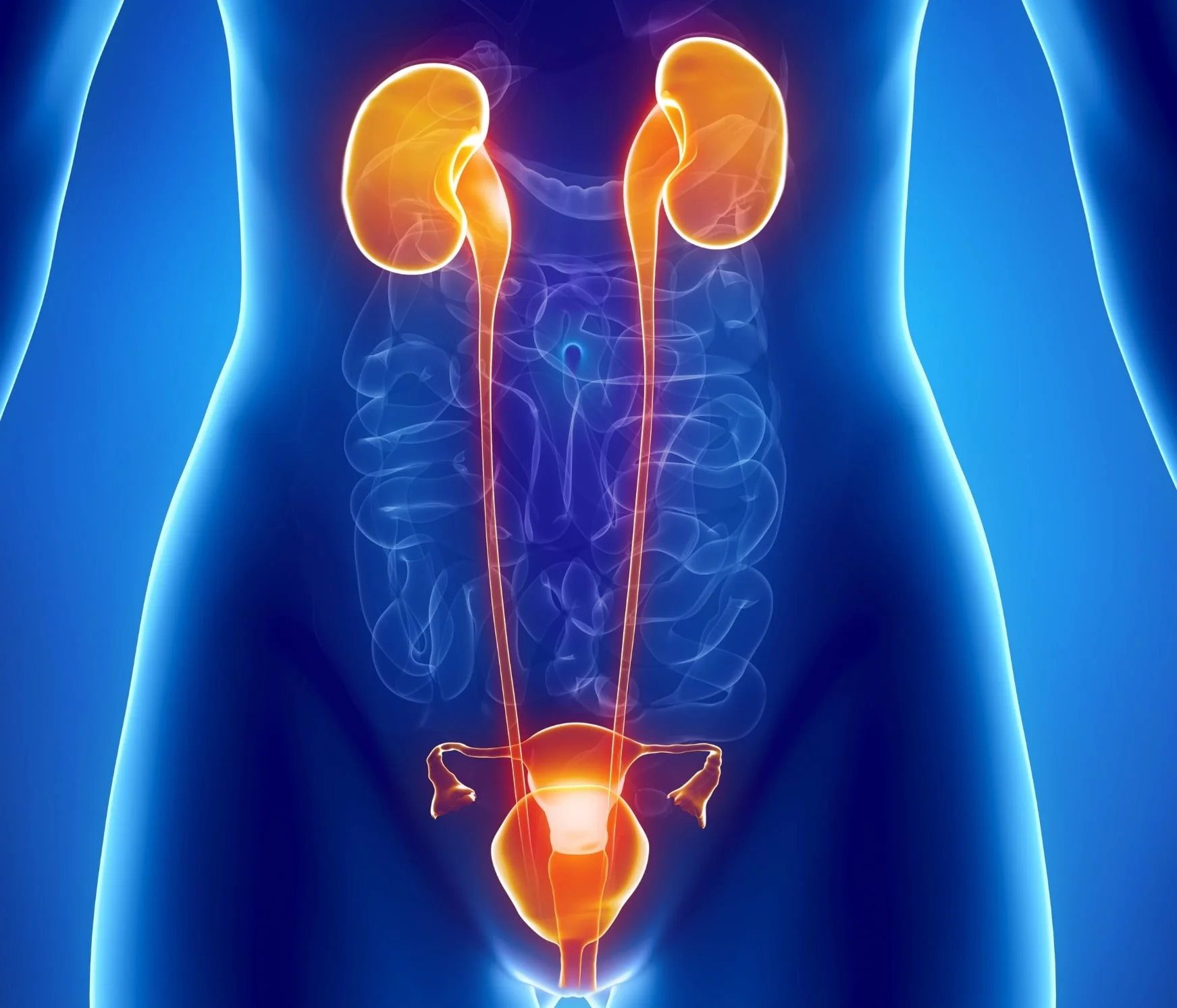
Overactive bladder is a common urological condition that affects about 33 million people in America.  Interestingly, this is a large problem for men that often goes untreated.  According to statistics there are about 30% of men currently living with overactive bladder in the US but it is likely that there are many more men are living with the disorder than are reported.  As mentioned, this is because many men don’t seek help for this problem, let alone any medical condition.

Read More

What is Raynaud's Disease

What is Raynaud's Disease

Raynaud’s disease is a condition that causes some areas of your body to feel numb and cool in response to cold temperatures or stress.  This is caused by narrowing of the small arteries that supply blood to your skin, limiting blood circulation.  When exposed to cold temperature the blood supply is markedly reduced and the skin turns pale or white and becomes cold and numb.  When the oxygen supply is depleted, the skin color turns blue, something that is known as cyanosis. 

Read More

What you should know about bladder stones

What you should know about bladder stones

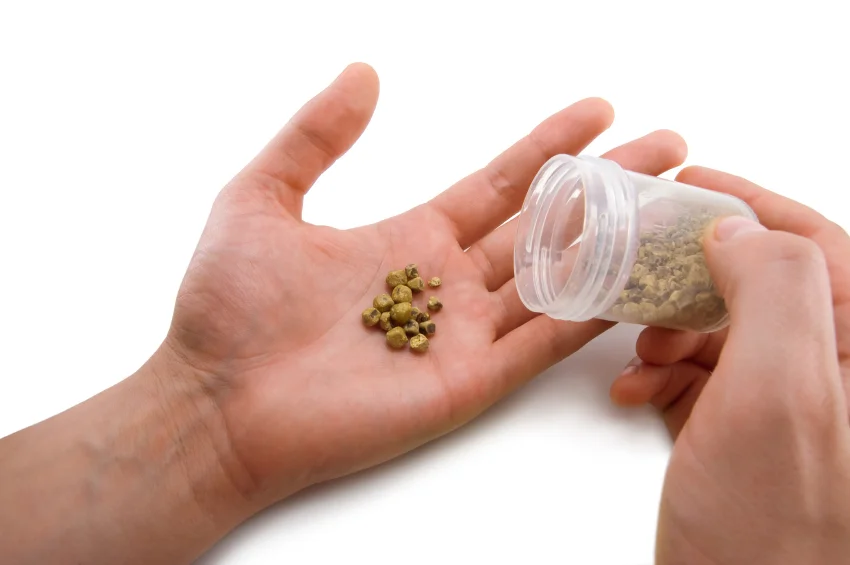
Bladder stones are crystalline masses that are developed from the minerals and proteins found in urine. Bladder stones can start off very small but will vary in both their numbers and size. Bladder stones will begin when your bladder is unable to properly empty. Urine that is left in your bladder will stagnate and the proteins and minerals in the urine will begin to crystalize and form into bladder stones.

Read More

What is dural sinus thrombosis

What is dural sinus thrombosis

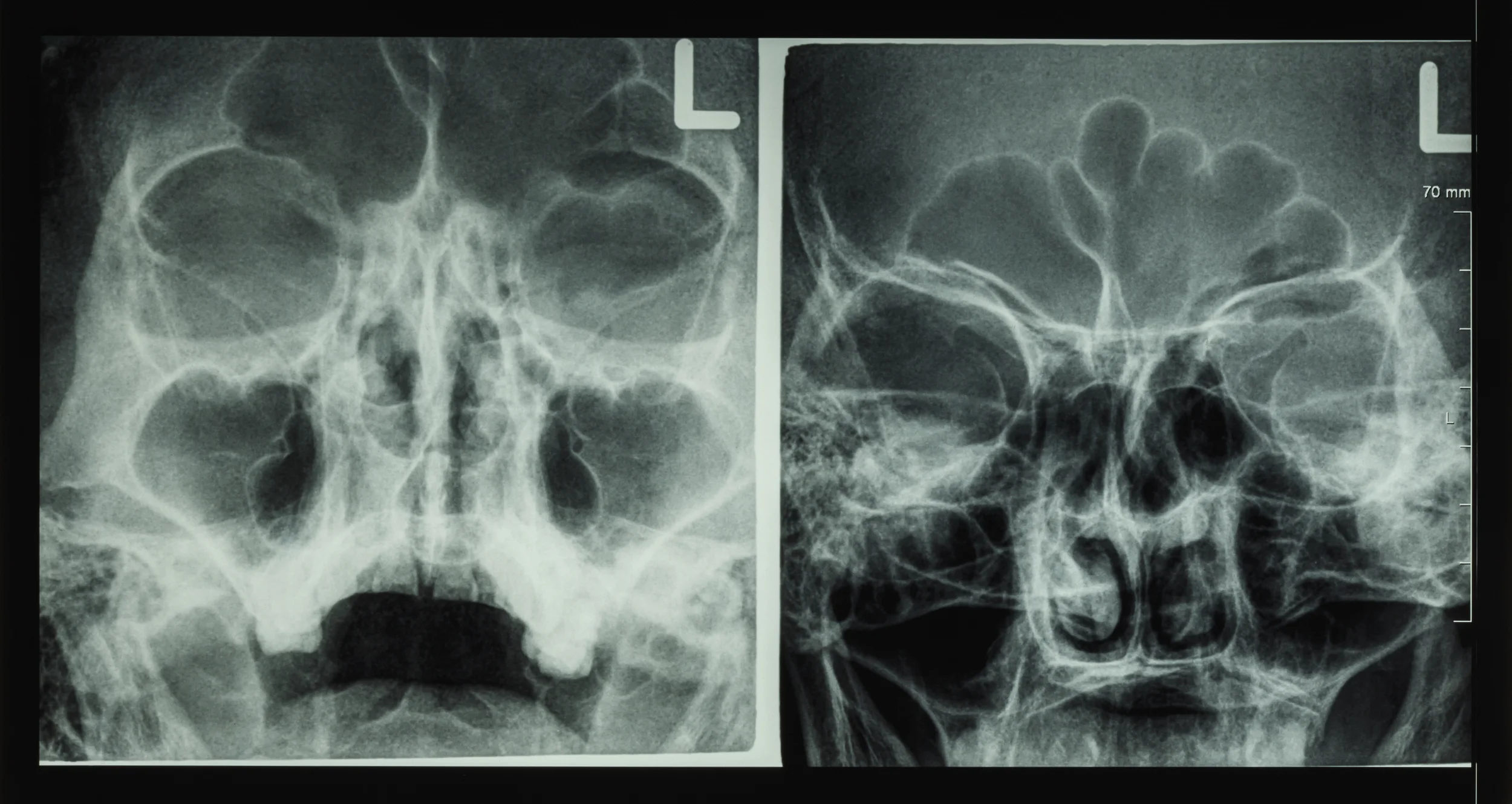
Like every organ of our body, the brain has a system of draining veins by which oxygen-depleted blood is channeled back to the lungs, where it can once again be re-oxygenated.  This system of draining veins begins as a collection of small channels which fuse with one another as you move away from the brain to form larger and larger veins that finally gather between the brain and the skull bone to form what is called the "dural sinuses".  The dural sinuses are the largest canals through which blood flows out of the brain, on its way back to the lungs.

Read More

Migraine Triggers vs. Symptoms

Migraine Triggers vs. Symptoms

A migraine headache can cause intense throbbing or pulsing in one area of the head and is commonly accompanied by nausea, vomiting, and extreme sensitivity to light and sound.  Migraine attacks can cause significant pain for hours to days and be so severe that all you can think about is finding a dark, quiet place to lie down.  Some migraines are preceded or accompanied by sensory warning symptoms (aura), such as flashes of light, blind spots or tingling in your arm or leg.  Medications can help reduce the frequency and severity of migraines.

Read More

New report: 20% of American kids face higher risk of heart disease

iStock_000044500320_Small.jpg

A new reports says that one in five, or about 20 percent, of American kids have unhealthy levels of cholesterol. Cholesterol levels are even worse for children who are obese as over 43 percent of obese kids have bad cholesterol levels. Among this group, teenagers have the worst cholesterol levels; 27 percent are aged 16 to 19 years old. Heart disease with artery clogging blockages can start as young as three years old.

About 21 percent of American children and teens have some form of “abnormal” cholesterol. And nearly 14 percent of kids have unhealthily low levels of “good” cholesterol. Cholesterol levels in children are mainly associated with diet, obesity, and heredity.

Cholesterol is a waxy, fat-like substance that is found in the cells of our bodies. We naturally produce cholesterol because it makes other essential substances such as vitamin D or hormones. It also makes substances to help with digestion. However, cholesterol is also found in the food we consume such as poultry, meat, and dairy products. Consuming foods that are high in saturated and trans-fats makes our liver produce more cholesterol than we need. Too much cholesterol causes plaque to develop in the walls of the arteries. Increased cholesterol levels can eventually lead to serious health problems such as blood clots, stroke, or heart attack.

There are two types of cholesterol: good cholesterol and bad cholesterol. “Bad cholesterol” is also known as LDL (low-density lipoprotein) cholesterol. High levels of LDL cholesterol create a buildup of plaque in the artery walls, which can cause the arteries to become blocked. This can result in atherosclerosis, blood clots, heart attack, stroke, and peripheral artery disease.

“Good” cholesterol is also known as HDL (high-density lipoprotein) cholesterol. HDL cholesterol helps remove LDL cholesterol from the artery walls. Good levels of HDL cholesterol help protect us from heart attacks and strokes. However, a low HDL cholesterol levels may increase the risk of developing heart disease.

When should your child have their cholesterol levels checked? It is recommended that children start screening as early as age 2, but no later than age 10. If the fasting lipid profile is normal, they should be screened again in three to five years.

For kids who are overweight or obese and who have a high blood-fat level or low level of "good" HDL cholesterol, the first form of treatment is to lose weight. This can be done by eating a healthier diet, getting more physical exercise, and often times getting nutritional counseling.

Tips for children to improve cholesterol levels

·       Exercise regularly. Regular aerobic exercise, such as running, biking, and swimming, can help raise HDL levels which lowers the risk for heart disease.

·       Eat a healthy diet. Eat foods low in total fat, saturated fat, trans-fat, and cholesterol. Make sure to eat a variety of foods in order to get all the essential nutrients.


 

Suffering from urinary incontinence?

Suffering from urinary incontinence?

Urinary incontinence is an extremely common, and often embarrassing condition that many people suffer from. The condition can vary in severity from minor leaking that occurs when coughing or sneezing, to having such a strong urge that you are unable to make it to a bathroom in time.

Read More