What are ovarian cysts?

An ovarian cyst is a fluid-filled sac that forms in or on the ovaries. The two most common types of ovarian cysts are follicle cysts and corpus luteum cysts. Other types of benign ovarian cysts which are less common include endometriomas, dermoids, and cystadenomas. Some women may experience many small cysts, which is called polycystic ovary syndrome.

Ovarian cysts are a common condition among women, especially during their childbearing years. They occur on the outside of a woman’s ovaries and develop in the form of sacs that are filled with fluid. Ovarian cysts may not pose any problems or discomfort, but sometimes, they can be quite painful. Follicular cysts are the most common type of ovarian cysts. They often go away on their own but some may require treatment. Women have two ovaries that are located on each side of the uterus. Their role is to act as a host to the eggs that develop and mature when a woman is trying to have a baby.

Most cysts do not cause any symptoms. However, when large ovarian cysts develop, they can cause symptoms such as:

·       Pelvic pain shortly before your period begins or just before it ends

·       Pressure on your bladder that causes you to urinate more frequently or have difficulty emptying your bladder completely

·       Pelvic pain (a dull ache that may radiate to your lower back and thighs)

·       Fullness or heaviness in your abdomen

·       Pelvic pain during intercourse (aka dyspareunia)

·       Pain during bowel movements or pressure on your bowels

·       Nausea, vomiting or breast tenderness like that experienced during pregnancy

Treatment for ovarian cysts includes watchful waiting, birth control pills, or surgery. Watchful waiting may be recommended if you have no real symptoms that are causing problems. Birth control pills can help decrease the development of new cysts in future menstrual cycles. Surgery may be done to remove a cyst causes pain or other symptoms, or continues to grow after a couple of menstrual cycles. 
 

What is Pharyngitis?

What is Pharyngitis?

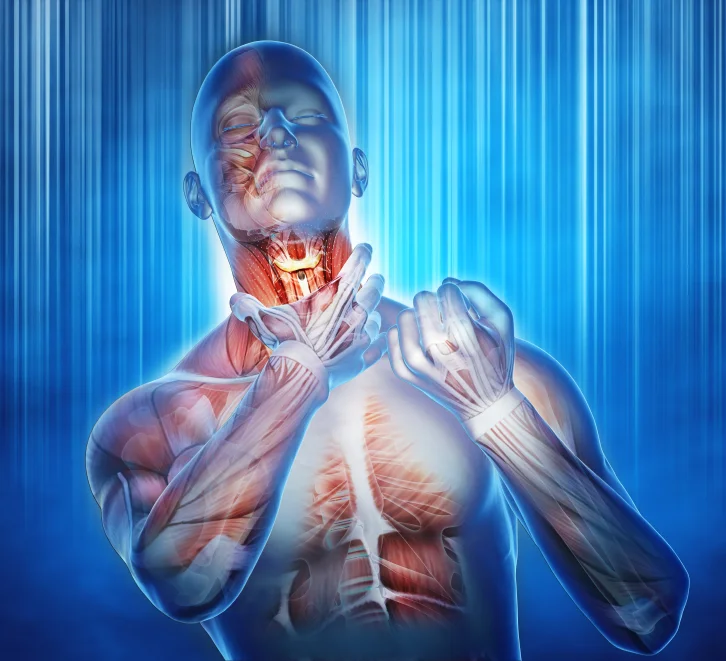
Pharyngitis is caused by swelling in the back of the throat between the tonsils and the larynx. It most often occurs during cold and flu seasons when viral infections are prevalent. It usually spreads between people by breathing in bacteria or viruses that are spread in the air, or by touching surfaces or objects that have been exposed with germs.

Read More

What is a Diuretic

What is a Diuretic

Diuretics, or water pills, can help your body shed excess fluid through your kidneys. This class of medications are typically prescribed to treat high blood pressure, fluid buildup within the body due to heart failure, fluid buildup in the abdomen because of liver damage, or the eye condition glaucoma.  Some other reasons your doctor may prescribe water pills is polycystic ovarian syndrome, kidney stones, diabetes insipidus and osteoporosis.

Read More

Learning About Diverticulitis

Learning About Diverticulitis

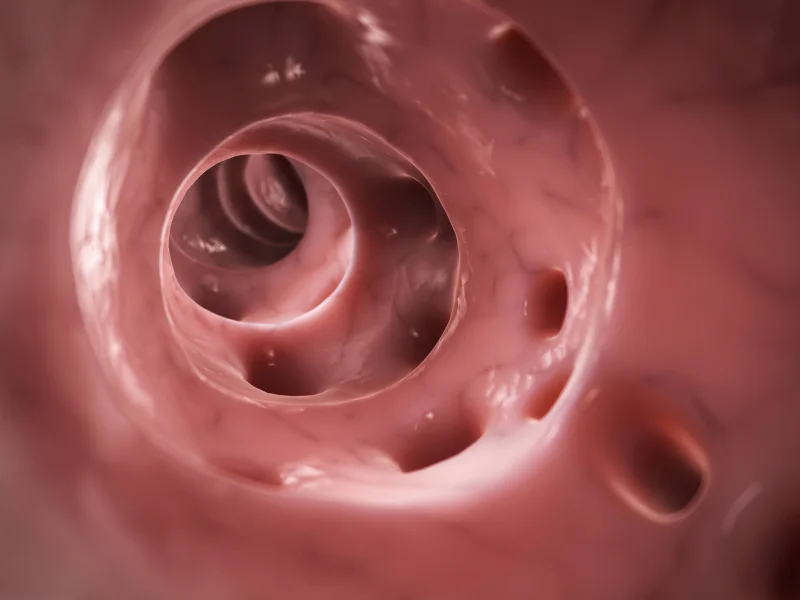
Eating an unbalanced diet can have more complications than just looking a bit overweight.  Individuals on low-fiber diets are more prone to constipation, which can cause increased colon pressure during a bowel movement and may lead to weakening of the colon wall and eventually diverticula. Food can back up into the diverticula, or pouches in the colon, and bacteria can begin to thrive there leading to infection.  When these pockets, or diverticula, in the wall of the colon become inflamed or infected, this is specific type of diverticular infection called diverticulitis.  Although most people with diverticula in their colon will never develop diverticulitis, it is more common in people as they grow older and symptoms should not be overlooked as surgery may be necessary for proper treatment. Let’s see how diverticulitis can present itself, and what everyone should look out for.

Read More

What is Ulcerative colitis?

Ulcerative colitis is an inflammatory bowel disease that affects as many as 700,000 Americans. The condition is known to cause ulcers and inflammation in the digestive tract. The part of the digestive tract that is affected in the innermost lining of the colon and rectum. The condition can lead to a debilitating lifestyle and may even be life-threatening. Unfortunately, there is currently no cure for ulcerative colitis. However, there are treatment options that can relieve symptoms and allow for long-term remission.

Read More

What is Botulism?

What is Botulism?

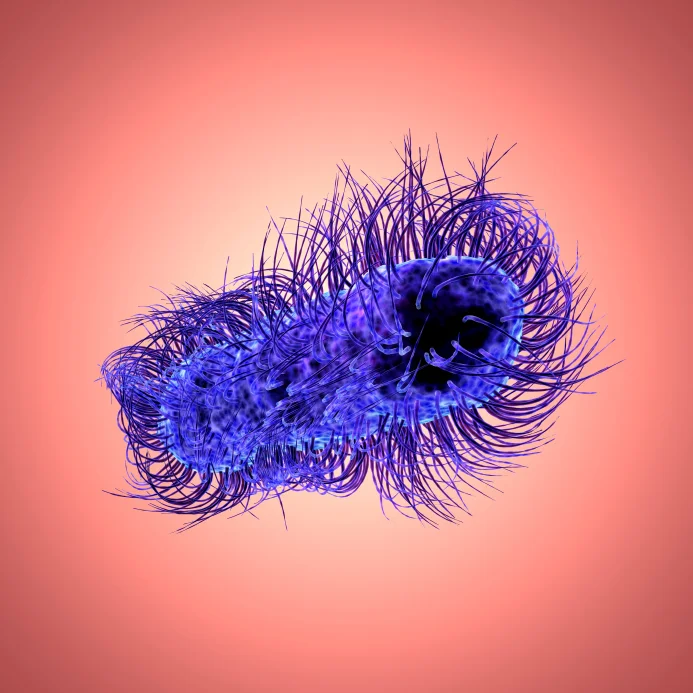
Botulism is a serious and potentially fatal disease. It is a rare paralytic illness that is caused by the nerve toxins of certain bacteria which are found in soil and untreated water. People catch botulism from ingesting improperly processed foods in which the bacteria of the spores are present and produce toxins. It cannot be passed from human to human.

Read More

Reasons why your blood sugar changes

Reasons why your blood sugar changes

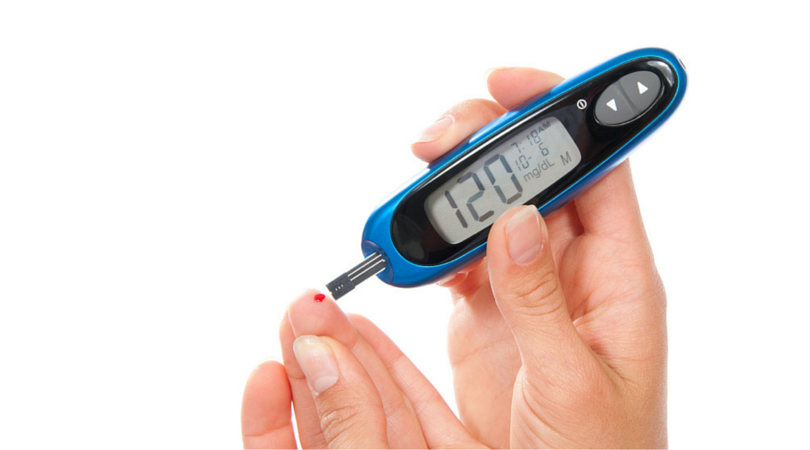
Stress can take a toll on your blood sugar levels. The most common type of stress is often associated with work. When you are feeling overwhelmed and under a lot of stress, your body releases hormones that can make your increase your blood sugar. This is more common in people with type 2 diabetes. To de-stress, learn how to relax and practice deep breathing. Exercise can help too. Also, try to eliminate some of the things that are making you so stressed out.  

Read More

Make heartburn take a U-Turn

You knew better. You shouldn’t have eaten the greasy fried chicken along with the fried onion rings and spicy dipping sauce at lunch.  Eventually it comes back to haunt you in the form of  heartburn, acid reflux or GERD.  Whichever form it takes, it makes life unpleasant leading to feelings of stress, irritability and pain.

Read More

Will HIV Treatment end the AIDS pandemic?

According to the World Health Organization, all those diagnosed as HIV positive need access to antiretroviral AIDS drugs, to keep the HIV virus from progressing and becoming AIDS.  The antiretroviral drugs halt the virus and allow those diagnosed with HIV to continue to lead relatively healthy lives. UNAIDS hopes to end the threat of AIDS pandemic by 2030, and has put a five-year, fast-track plan together making HIV treatment more available to those diagnosed, quicker.  Thus far, their fast track plan has shown results, and we are hopeful it will mean less death by AIDS globally. 

Read More

Charlie Sheen has HIV, but seems healthy

As for how Sheen contracted HIV, he says he is not sure how it happened. He also said that since being diagnosed, he has informed every sexual partner he’s had and that he was sure, in fact that it was “impossible” that he had not given it to them. There are two ways HIV is spread in the United States: sexual intercourse, and sharing needles. Although Sheen has a history of drug use, he denied any possibility of contracting the virus through sharing needles. He did admit to having frequent visits with prostitutes in his life.

Read More

What is Legionnaires’ disease?

Legionnaires’ disease is a severe infection caused by Legionella species, primarily L. pneumophila. L. pneumophila is responsible for 90 percent of infections. The disease is a common cause of severe pneumonia that requires hospitalization.  Symptoms may include a high fever, chills, cough, muscle aches, headaches, and diarrhea. In the United States, it is estimated that about 8,000 to 18,000 people hospitalized each year due to Legionnaires’ disease, however only about 3,000 cases are reported to the CDC.

Read More

Tips to reduce asthma symptoms

Asthma is a chronic lung disease that affects more than 25 million people in the United States.  Asthma interferes with breathing by inflaming, thereby narrowing the airways.  Asthma is typically characterized by episodes of breathlessness and wheezing.  When these episodes are more serious, they are known as asthma attacks.  Because the trouble starts from chronic inflammation in the airways that carry air to the lungs, it is good to know how these airways work.

Read More

Facts about alopecia

The hair loss isn't permanent. Unlike age-related or natural baldness, alopecia areata does not damage your hair's ability to grow back. Your immune cells come in and surround hair follicles like a swarm of bees, which stops them from producing hair. But once your immune system settles down, hair often grows back just as before.

Read More

Emphysema

Emphysema is a condition in which the alveoli at the end of the bronchioles of the lungs are destroyed as a result of damage that occurs with exposure to harmful substances. It is one of the most common conditions that cause chronic obstructive pulmonary disease, or COPD. It is a chronic inflammatory disease that occurs in the lungs. It causes the airflow from the lungs to become obstructed. Chronic obstructive pulmonary disease is often caused by smoking. People with chronic obstructive pulmonary disease have an increased risk of developing serious health conditions such as heart disease and lung cancer.

Read More

Are You at Risk for Blood Clot?

Depending on where they appear, clots can cause deep vein thrombosis in the legs, strokes, heart attacks, and pulmonary embolisms. And although blood clotting is necessary to help stop bleeding after an injury, sometimes they can do more harm than good. A blood clot is a mass formed by platelets and fibrin in the blood to stop bleeding. However, with a blood clot disorder, blood clots may form in areas of the body that are abnormal.

Read More

Common signs of liver damage

Jaundice. Jaundice is a yellowish discoloration of the skin, eyes, and sometimes inside the mouth. It is one of the most common signs of an unhealthy liver and may even indicate liver disease. It is caused by a buildup of bilirubin inside the body. The liver normally processes and excretes bilirubin in bile. But when the liver isn’t functioning properly, the bilirubin builds up in the body. Bilirubin is produced when red blood cells are being broken down, which is a normal process in the body. When red blood cells are broken down excessively, jaundice can occur. This can happen even when the liver is functioning normally.

Read More

Recognizing Alzheimer's

Recognizing Alzheimer's

The signs and symptoms of Alzheimer's disease may vary depending on the stage of the disease.  The aforementioned are signs of early symptoms of the disease. People may have mild, moderate, or severe symptoms. The signs and symptoms of mild Alzheimer’s disease include wandering and getting lost, trouble handling money and paying bills, repeating questions, taking longer to complete normal daily tasks, losing things or misplacing them in odd places, personality and behavior changes.

Read More

What you need to know about HIV

HIV cannot be cured. Currently, there is no cure for HIV. However, there are treatments available to help keep virus levels low and help maintain your immune system. Some drugs work by interfering with the proteins that HIV needs to copy itself. Others work by blocking the virus from entering or inserting its genetic material into your immune cells.

Read More

10 unusual signs of iron deficiency

What does it mean to be iron deficient? An iron deficiency is a type of anemia. It is a condition in which the blood does not have enough healthy red blood cells, and therefore causes a shortage of iron in the body. Bone marrow needs iron to make hemoglobin. Without enough iron, the body can't produce enough hemoglobin for red blood cells. This type of anemia is often caused by blood loss, such as from heavy menstrual bleeding, an ulcer, cancer, a polyp somewhere in your digestive system, and prolonged use of aspirin or drugs known as nonsteroidal anti-inflammatory drugs.

Read More