Oral HPV: What You Need To Know

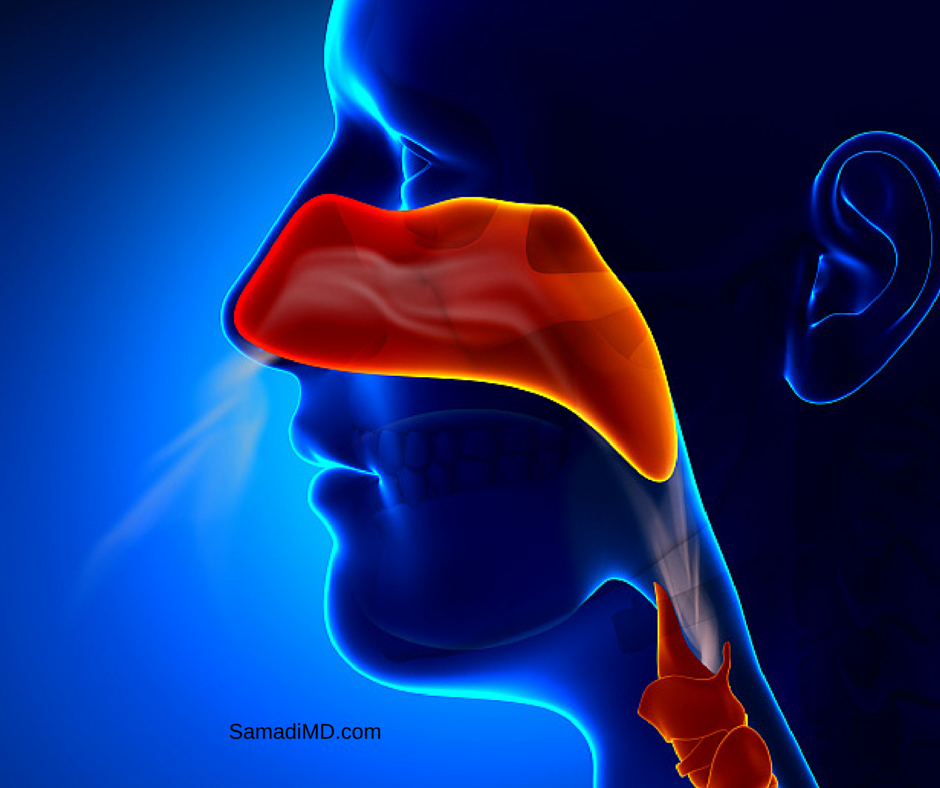
HPV or human papilloma virus is the most common sexually transmitted infection in the US, affecting 75-80% of males and females in their lifetime. There are about 79 million Americans infected with HPV, and about 14 million people become newly infected each year.  What most people don’t realize however, is that aside from being the leading cause of cervical cancers, it is also the leading cause of mouth and throat cancers.

Read More

What is Sleep Apnea?

Sleep apnea is a potentially serious sleep disorder in which breathing repeatedly stops and starts resulting in low oxygen levels in blood.  Sleep apnea can cause you to wake up frequently throughout the night, but many sufferers claim they do not recall this restlessness the following morning. It also causes sleepiness and drowsiness during the day which can increase the risk of sleep deprivation related accidents and illness. 

Read More

Causes of heart failure

Copy of eat-14.png

Heart failure is a condition that occurs when the heart is not pumping blood as effectively as it should. It is estimated that there are more than three million cases of heart failure each year in the United States. It is also known as congestive heart failure and is a chronic condition. With congestive heart failure, the ventricles are unable to pump blood in ample volume. As a result, blood and other fluids get backed up inside the lungs, abdomen, liver, and lower body which can be life-threatening.

Signs and symptoms of congestive heart failure:

·       Shortness of breath when you exert yourself or when you lie down

·       Fatigue and weakness

·       Swelling in your legs, ankles and feet

·       Rapid or irregular heartbeat

·       Reduced ability to exercise

·       Persistent cough or wheezing

·       Increased need to urinate at night

·       Swelling of your abdomen

·       Sudden weight gain from fluid retention

·       Lack of appetite and nausea

·       Difficulty concentrating or decreased alertness

·       Sudden, severe shortness of breath and coughing up pink, foamy mucus

·       Chest pain if your heart failure is caused by a heart attack

Congestive heart failure may be caused by other health conditions that affect your heart such as high blood pressure, coronary artery disease, or certain valve conditions. When your blood pressure is greater than 120/80 mmHg it can eventually lead to CHF if left untreated or not managed properly. With coronary artery disease, your heart’s coronary arteries become damaged by restricting blood flow. The arteries become blocked and narrowed as fatty substances build up. Valve conditions occur when the valves do not open and close correctly which causes the ventricles to work even harder to pump blood to the rest of your body.

Treatment for congestive heart failure may include ACE inhibitor medications, diuretics, heart muscle stimulants, beta-blockers, surgery, devices such as a pacemaker or implantable cardioverter-defibrillator, or a heart transplant.


Symptoms of heart attack

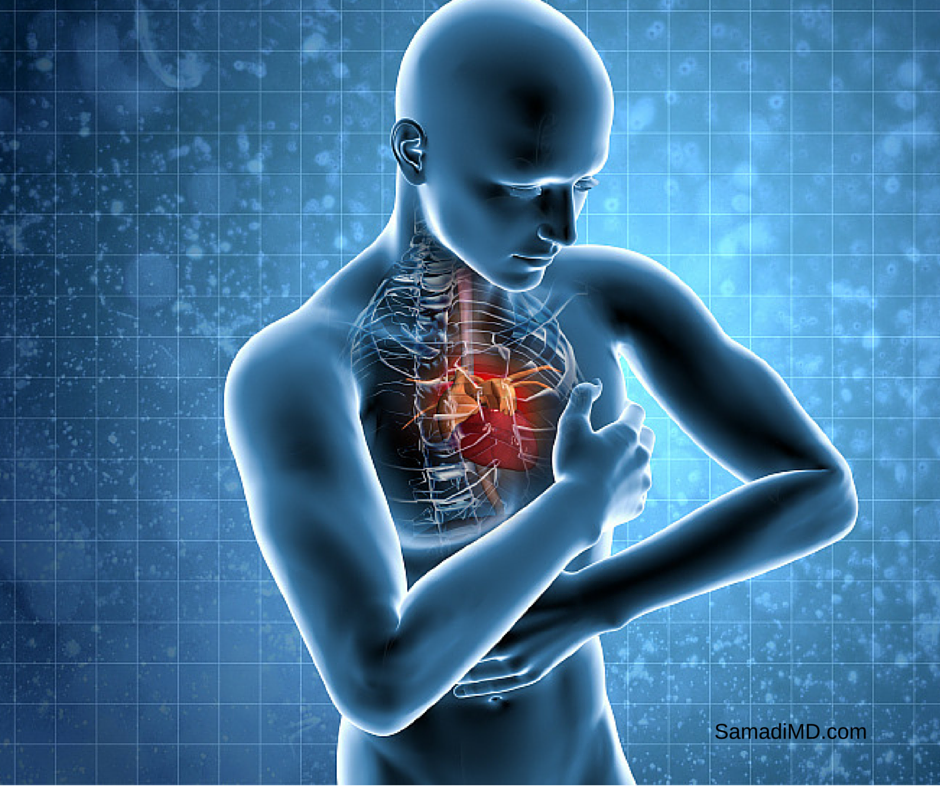
Most heart attacks begin with mild symptoms. The initial feeling is a degree of discomfort that often is not described as pain. The chest discomfort may come and go, and therefore many people may not realize what is actually happening. They may think it is heart burn or indigestion. It is important to recognize when you may be having a heart attack as it could save your life.  

Read More

Most common autoimmune disorders

Graves’ disease is a type of autoimmunity in which the thyroid gland becomes overly active. People who have Graves' disease may have trouble sleeping, irritability, unexplained weight loss, eyes that bulge, sensitivity to heat, muscle weakness, brittle hair, light menstrual periods, and hand shakiness.

Read More

What is Thyroid Disease?

Thyroid disease occur when the thyroid produces too little or too much hormone. According to the American Thyroid Association, thyroid disease affects about 20 million Americans. It can affect people of all different ages and races, however, women are five to eight times more likely than men to develop it. Up to 60 percent of people with thyroid disease are unaware they have it. 

Read More

Heart attack symptoms in women

Sometimes, women may even have a heart attack without experiencing any initial chest pain at all. In fact, women are more likely to experience signs and symptoms that are completely unrelated to chest pain. The signs and symptoms that women may experience prior to a heart attack include:

Read More

What you should know about blood clots

A blood clot is a mass formed by platelets and fibrin in the blood to stop bleeding. Blood clotting is necessary to help stop bleeding after an injury. However, with a blood clot disorder, blood clots may form in areas of the body that are abnormal. When this happens, they become dangerous because blood clots can block a vein or artery. This increases the risk of heart attacks, strokes, miscarriages, and pulmonary embolisms.

The causes of blood clots may include:

·       Inherited blood clotting disorders

·       Certain heart conditions

·       Certain medications

·       Surgery

·       Pregnancy

·       Prolonged immobility

·       Smoking

The symptoms of a blood clotting disorder include a history of blood clots, high blood pressure, severe headaches, frequent miscarriages, pain and swelling in the legs, chest pain, changes in vision, difficulty speaking, dizziness, confusion, or shortness of breath.

Treatments for blood clotting disorders include taking medications that will break up the clot such as aspirin, blood thinner medications, such as heparin and warfarin (Coumadin), antithrombin factor and protein C. You may also be treated for underlying conditions or risk factors such as high blood pressure, diabetes, and heart problems. Surgery or other treatments may also be required.


The Most Common Adult Skin Issues

There are many different types of skin disorders out there, and changes are we have experienced, or will experience, at least one in our lifetime.  From acne to psoriasis, skin conditions are commonplace for many.  Let’s take a look at some of the most common skin disorders affecting adults in America:

Acne: this skin condition effects many more people than just those going through puberty, although acne is a classic sign of adolescence. It is formed by oil and dead skin clogged pores, most prominently on the face and upper back.  These clogged pores become inflamed and form whiteheads, blackheads, papules, pustules, cysts, or deep nodules.

For some, acne starts as a teen and persists into adulthood.  For others, a much smaller portion, acne presents itself for the first time as an adult.  The main cause is fluctuating hormone levels, stress, and beauty products which may be having an adverse effect on the skin.  A proper skin cleansing regiment is usually enough to treat those unsightly pimples, but for severe cased, prescription medication is available.

Eczema: Eczema is a common skin condition in adults, and affects up to 3% of adults. Atopic dermatitis, another name for the skin condition, leaves the skin with inflamed, red, dry, and itchy patches. The patches of skin can appear anywhere on the body, but are most common in skin folds, hands and elbows. But don’t worry, this skin condition is not contagious.

About 70% of these who are diagnosed with eczema also have a family history of the skin disease, but the exact causes are unknown.  Eczema has no cure, but may be controlled with topical creams, antihistamines, and immunosuppressant drugs.

Hives: Hives, are raised, red bumps that appear suddenly on the skin’s surface. The can occur anywhere on the body, and tend to cause itching, stinging and burning on the site where they appear.  When pressed, these welts turn white.  Hives are typically caused by an allergic reaction to some type of food or medication, but can also appear when the body is affected by an infection.  Antihistamines, like Benadryl, are the common treatment recommended for hives.

Psoriasis: Psoriasis is a chronic autoimmune condition of unknown origin that results in the overproduction of skin cells. These dead cells build up creating thick, red patches and whitish, grey scales on the skin.  This causes severe itching at the site of the skin patches.  The patches of psoriasis are most likely to appear on the elbows, knees, scalp, and lower back.

It is estimated that about 7.5 million people in America are affected by this skin disease.  And although psoriasis has no cure, but can be treated with oral medications, immunosuppressants, and topical ointments. 

Vitiligo: Vitiligo is different from other skin conditions on this list because it is not a surface skin reaction.  Instead, this common skin condition is where the melanin, or pigment in the skin is lost.  The skin disorder is characterized by white patches of skin from the loss of melanocytes, and subsequent skin pigment. The most common areas to be affected are those most exposed to the sun like the hands, face, arms, and feet.

Like most of these disorders on this list, the exact cause of vitiligo is unknown, but there does seem to be a hereditary link. There is also no cure for this condition, but topical ointments, immunomodulators, or depigmentation of the body may be used as treatment.


 

Signs you are iron deficient

Iron deficiency is a type of anemia. It is a condition in which the blood does not have enough healthy red blood cells, and therefore causes a shortage of iron in the body. Bone marrow needs iron to make hemoglobin. Without enough iron, the body can't produce enough hemoglobin for red blood cells. This type of anemia is often caused by blood loss, such as from heavy menstrual bleeding, an ulcer, cancer, a polyp somewhere in your digestive system, and prolonged use of aspirin or drugs known as nonsteroidal anti-inflammatory drugs.

The symptoms of iron deficiency anemia may include:

·       Inflammation or soreness of your tongue

·       Chest pain or a fast heartbeat

·       Weakness or extreme fatigue

·       Shortness of breath, dizziness or lightheadedness

·       Pale skin or brittle nails

·       Frequent infections

·       Headache

·       Cold hands and feet

·       Unusual cravings or a poor appetite

·       An uncomfortable tingling or crawling feeling in your legs (restless legs syndrome)

Signs you are vitamin D deficient


You are overweight or obese, or have more muscle mass. If you are overweight or obese, your body requires more vitamin D compared to a thin person with less body fat. This is also true for people who weigh more as a result of having a higher amount of muscle mass.

You have gastrointestinal issues. Having gastrointestinal conditions that occur in the gut like Crohn’s disease, celiac and non-celiac gluten sensitivity, and inflammatory bowel disease may be sign you are not getting enough vitamin D.

Your mood is down. The amount of serotonin your body produces is linked to the amount of sun exposure you get. Our body produces more serotonin when we are more sun exposure, and produces less serotonin when we get less sun exposure.

You are aged 50 or older. As we age, our skin does not make as much vitamin D as a result of sun exposure. The kidneys are also less capable of converting vitamin D into the form that is used by our bodies. When we get older, we tend to spend more time inside due to certain health conditions or the inability to be as physically active and therefore, we get even less sun exposure and less vitamin D.

You have dark skin. African Americans are at higher risk of being vitamin D deficient because they have more melanin in their skin. Having more melanin decreases the skin’s ability to make vitamin D from sun exposure.

You have bone pain. Bone pain is a sign of vitamin D deficiency osteomalacia. This is different than the type of vitamin D deficiency that causes osteoporosis in adults in that the vitamin D deficiency is limiting the ability to put calcium into the collagen matrix in the bones, which can result in aches and pain in the bones.


What you should know about anaphylaxis

Anaphylaxis is a type of allergic reaction. It may occur after coming into contact with something you are allergic too such as peanuts. The allergic reaction can happen very quickly and can be potentially life-threatening. Anaphylaxis can cause a person to go into shock, also known as anaphylactic shock. The immune system releases chemicals during anaphylaxis which can cause a person to go into shock. As a result, a person will experience a sudden drop in blood pressure and a narrowing of the airways, which inhibits regular breathing.

The signs and symptoms of anaphylaxis include a rapid, weak pulse, a skin rash, and nausea and vomiting. The most common triggers of anaphylaxis include certain foods, some medications, insect venom and latex. When a person develops anaphylaxis, they must seek immediate medical attention so they can be treated with an injection of epinephrine. If anaphylaxis is not treated promptly, it can lead to unconsciousness or even death.

Anaphylaxis symptoms usually occur within minutes of being exposed to what a person is allergic to. Other times, it may take a thirty minutes or longer after exposure to for symptoms to appear. The signs and symptoms of anaphylaxis include skin reactions (including hives along with itching, and flushed or pale skin), a feeling of warmth, the sensation of a lump in your throat, constriction of the airways and a swollen tongue or throat, which can cause wheezing and trouble breathing, a weak and rapid pulse, nausea, vomiting or diarrhea, dizziness or fainting.

There are a number of allergens that may trigger anaphylaxis. It depends on what a person is allergic to. The most common anaphylaxis triggers include certain medications such as penicillin, certain foods (such as peanuts, tree nuts, walnuts, pecans, almonds, cashews, wheat, fish, shellfish, milk and eggs), or insect stings from bees, yellow jackets, wasps, hornets and fire ants. Less common causes of anaphylaxis include latex, medications used in anesthesia, and exercise.

There are not many known risk factors for anaphylaxis. However, there are some things that may increase your risk of developing anaphylaxis. This includes having a personal history of anaphylaxis, having allergies or asthma, or having a family history of anaphylaxis. If you have had anaphylaxis once, you have an increased risk of having it again. Future reactions may be worse than the first. People who allergies or asthma have an increased risk of having anaphylaxis. If you have a family history of anaphylaxis, you are at an increased risk of developing anaphylaxis.


Diet for cancer prevention

cancer prevention

Last week, the World Health Organization announced that there is new evidence suggesting red meat is linked to the development of colorectal cancer. The main culprit is processed meat, however unprocessed meat was found to be no good either. Processed meat is any meat that has been preserved by smoking, curing, salting or adding chemical preservatives.

The study, which was carried out by researchers at the University of Oxford, involved more than 500,000 British men and women between the ages of 40 and 69. The researchers observed their dietary habits specifically related to meat consumption. The results showed that people who ate four servings of red meat a week were 42 percent more likely to develop colorectal cancer than those who had one serving or none at all. Furthermore, people who ate red meat at least twice a week were 18 percent more likely to develop colorectal cancer than vegetarians.

The WHO are now categorizing processed meats as a known human carcinogen. They also concluded that each 50-gram portion of processed meat (less than 2 ounces) eaten daily increases the risk of colorectal cancer by 18 percent. For unprocessed red meat, the results were only slightly better. The WHO is categorizing unprocessed meat as ‘probably causes cancer.’

Colorectal cancer is the third most common cancer diagnosed in both men and women in the United States. Among women and men combined, it is the second leading cause of cancer death. It is estimated that colorectal cancer will kill about 49,700 people in 2015. The lifetime risk of developing colorectal cancer is about 1 in 20. This risk is slightly lower in women than in men.

How to reduce your risk for colorectal cancer

·       Maintain a healthy diet. Eat a diet that consists of a variety of fruits, vegetables and whole grains.

·       Maintain a healthy weight, or lose weight if you are overweight or obese. A health or normal weight is a BMI between 18.5 and 24.9.

·       Stay physically active. This means getting exercise most days of the week. Try to get at least 30 minutes of exercise on most days of the week.

·       Limit alcohol consumption. Either drink alcohol in moderation, or avoid it completely. If you choose to drink alcohol, try not to drink more than one drink a day for women and two for men.

·       Avoid or quit smoking.

The cancer-prevention diet

Avoid red meat. Processed and even unprocessed red meat is apparently no good for us. Red meat has been linked to various cancers including colorectal, prostate, kidney and pancreatic cancer.  This includes beef, bacon, sausage, ham, etc.

Eat fruits and vegetables every day. Eat a wide variety of fruits and veggies such as broccoli and berries.   Dark-green leafy vegetables are especially helpful in fighting cancer.

Add turmeric to your food. Turmeric is an Indian spice. It is also a polyphenol that has excellent anti-inflammatory properties.

Include more fiber. Good sources of fiber include whole grains, fruits, and vegetables. Did you know that every 10 grams of daily fiber intake reduces the risk of colon cancer by 10 percent? Aim for 25 grams of fiber daily.

Limit or avoid alcohol consumption. Alcohol is a risk factor for oral cancers. This includes esophageal,  liver, colon, breast, and possibly pancreatic cancer. It is recommended that women drink no more than one drink daily and men drink no more than two drinks daily.

Eat more fish. Fish that are low in saturated fat and high in omega-3 fatty acids, such as salmon reduce inflammation, which is linked to cancer.

Eat organic. The development of at least nine different cancers is associated with exposure to certain pesticides. Buy organic.

Drink green tea. Green tea contains catechins which are also known as antioxidants. Antioxidants are great source or protection for our cells from DNA damage. They also strengthen our immune system and activate enzymes that fight off tumors.

Avoid foods with trans fats. Trans fat is often found in fried foods and sweets. Trans fat increases your risk for cancers including breast and prostate cancer.

Get enough vitamin D. More vitamin D in the blood is associated with lower rates of various cancers including colon, breast, ovarian, renal, pancreatic, and prostate. Ask your doctor about a supplement, and whether you should eat more vitamin D rich foods, or get more sun.


Ways to Lower your Blood Pressure

High blood pressure, or Hypertension, is one of the most common conditions that affects millions of people. It is a condition in which a person’s blood pressure is greater than a healthy level and puts too much force on the artery walls. The arteries are responsible for carrying blood from the heart to the rest of the body. About one-third of adults in the United States have high blood pressure.

Key statistics:

·       About 70 million American adults have high blood pressure—that’s 1 of every 3 adults.

·       Only about half of people with high blood pressure have their condition under control.

·       Nearly 1 of 3 American adults has prehypertension—blood pressure numbers that are higher than normal, but not yet in the high blood pressure range.

·       Women are about as likely as men to develop high blood pressure during their lifetimes.

·       However, for people younger than 45 years old, the condition affects more men than women. For people 65 years old or older, high blood pressure affects more women than men.

Best ways to lower blood pressure:

Lose weight/watch your waistline. More often than not, the more you weigh, the higher your blood pressure will be. Being overweight can cause a person to develop sleep apnea, which can also increase your blood pressure. One of the best ways to lower your blood pressure is by losing weight. By losing just ten pounds, you can lower your blood pressure. It is also important to control the size of your waistline. Having a larger than average waistline can increase your risk of high blood pressure. Men are at risk if their waistline is greater than 40 inches, while women are at risk if their waistline is greater than 35 inches. These numbers may change depending on your ethnic background.

Exercise regularly. Getting regular physical exercise can help lower your blood pressure. Regular exercise means getting at least thirty minutes of exercise on most days of the week. The best types of exercise for lowering blood pressure include walking, jogging, cycling, swimming and strength training.

Eat a healthy, well-balanced diet. To lower your blood pressure, you need to eat a diet that includes whole grains, fruits, vegetables and low-fat dairy products. It is key to limit or avoid foods that contain saturated fat and cholesterol. One of the best diets for this is the Dietary Approaches to Stop Hypertension (DASH) diet.

Limit or avoid alcohol consumption. Limiting your alcohol consumption can lower your blood pressure. Some argue that small amounts of alcohol can be good for you, however this become ineffective when a person drinks too much alcohol. In general, women should not drink more than one drink a day, and men should not drink more than two drinks a day. Drinking more than a moderate amount of alcohol can increase your blood pressure significantly. It can also interfere with how your blood pressure medications work, making them less effective.

Limit sodium intake. Limiting the amount of sodium in your diet can help lower your blood pressure. People should aim to limit the amount of sodium they consume to less than 2,300 milligrams a day or less. However, if you are more sensitive to salt, you may be better off consuming an even lower amount, such as 1,500 milligrams a day or less. You may have a greater salt sensitivity if you are African-Americans, age 51 or older, or have been diagnosed with high blood pressure, diabetes or chronic kidney disease.


Tips to relieve sinus issues

Breathe humidified air. One of the best ways to relieve sinus problems is to keep a humidifier in your bedroom or other rooms where you spend a lot of time. Air that is dry can irritate your sinuses. By keeping the air moist, it can help to reduce congestion. It may also be helpful to simply inhale some of the steam about two to four times a day.

Breathe moist air from the shower. Another way to relieve sinus congestion is to breathe in the steam from a hot shower. Try sitting in the bathroom or shower with the door closed and the shower running. Make sure the water is hot so that a lot of steam is created. In just a few minutes, you should be able to breathe again.

Avoid areas where people smoke or where there are harsh chemicals. Things like harsh cleaning products, paints, hair spray, perfumes, and especially cigarette smoking can irritate your sinuses. Make sure to stay away from people, whether it be strangers, friends or family who smoke. Don’t allow smoking in your home either. When shopping, look for safe cleaning products that are unscented. These are less likely to contain the harsh chemicals that can create or further complicate a sinus problem.

Drink more water. If you have sinus problems, drink more water. You can also try juice and hot tea. Drinking more of these will help thin out mucus and encourage drainage. Be careful not to drink too much caffeine though. Drinks that contain caffeine or alcohol can be dehydrating. And alcohol can actually make sinus swelling worse. Aim for eight or more 8-ounce glasses of water or other drinks each day.

Try nasal irrigation. Nasal irrigation is also called nasal lavage or nasal wash. This can help keep your sinuses clear. It involves using a mild sterile saline solution to flush out the thickened mucus and allergens causing your sinus congestion.


Do you have back pain?

Back pain is one of the most common complaints. Fortunately, most back pain can be resolved. On the other hand, back pain can also be one of the most difficult and frustrating problems to treat. It is important to understand what causes back pain to get the proper treatment.

Causes of back pain

·       Lumbar muscle strain. Muscle strains are the most common cause of low back pain.

·       Ruptured disc. A ruptured intervertebral disc, also called a herniated disc, is another common cause of back pain.

·       Discogenic back pain. Cause of low back pain; result of damage to the intervertabral disc, but without having a disc herniation.

·       Spinal stenosis. Causes back pain in older people. As we age, the spinal canal can become constricted, due in part to arthritis and other conditions.

·       Lumbar spine arthritis. Arthritis of the spine can cause back pain with movement.

·       Spondylolisthesis. Causes back pain because adjacent vertebra become unstable. Caused by degenerative changes causing loss of the normal stabilizing structures of the spinal column.

·       Osteoporosis. Most commonly related to compression fractures of the vertebra.

See a doctor if:

  • Your back pain persists beyond a few days
  • Your back pain awakens you at night
  • Your have difficulty controlling your bowels or bladder
  • You have a fever, chills, sweats, or other signs of infection
  • Any other unusual symptoms

Treatment for back pain

·       Nonsurgical treatment

·       Alternative treatment

·       Spine surgery

Heart attack: what it feels like

Samadimd.com-29.png

Heart disease includes coronary artery disease, arrhythmia, cardiomyopathy, and heart failure. It occurs when the arteries become clogged. This happens where there is a buildup of plaque that narrows your heart's arteries, making it harder for blood to pass through. Most people don't even know they have heart disease until they have a heart attack. A common warning sign is frequent chest pain called angina.

What does a heart attack feel like?

  • Weakness, anxiety, or shortness of breath
  • Pain or pressure in the chest
  • Nausea, indigestion, or heartburn
  • Fast or irregular heartbeats
  • Discomfort spreading to the back, jaw, throat, or arm

 Heart disease key statistics

·       Heart disease is the number one cause of death in the United States.

·       In the United States, someone has a heart attack every 34 seconds. Every 60 seconds, someone in the United States dies from a heart disease-related event.

·       About 720,000 people in the U.S. suffer heart attacks each year. Of these, 515,000 are a first heart attack and 205,000 happen in people who have already had a heart attack.

·       It is the leading cause of death for people of most racial/ethnic groups in the United States, including African Americans, Hispanics and Whites. For Asian Americans or Pacific Islanders and American Indians or Alaska Natives, heart disease is second only to cancer.

·       Coronary heart disease is the most common type of heart disease, killing nearly 380,000 people annually.


Treatment for sinus infection

A sinus infection is also known as sinusitis. The sinuses are responsible for filtering and humidifying the air we inhale. When we are healthy, our sinus secretions are always moving and draining into the nasal cavity. However, when the movement of those secretions is blocked or mucus is thickened, sinusitis can occur. Sinusitis is a painful inflammation of the sinuses. It is estimated that sinusitis affects up to 20 percent of people at some point. It can be caused by viruses, bacteria, or other factors.

Symptoms include drainage of a thick, yellow or greenish discharge from the nose or down the back of the throat, nasal obstruction or congestion, causing difficulty breathing through your nose, pain, tenderness and swelling around your eyes, cheeks, nose or forehead, or a reduced sense of smell and taste, ear pain, aching in your upper jaw and teeth, cough, which may be worse at night, sore throat, bad breath (aka halitosis), fatigue or irritability, or nausea.

Treatment options

·       Medications. Medications used to treat sinusitis and sinus infections include analgesics for pain, decongestants, saline nasal irrigation, and intranasal corticosteroids.

·       Neti pots. Nasal irrigation with saline solutions or salt water offer a safe and inexpensive treatment option for sinusitis symptom relief in both adults and children, especially in chronic or frequent sinusitis. Rinsing the nose with a solution of salt water can soften nasal secretions and clear out mucus.

·       Decongestants. Many people find decongestants such as pseudoephedrine (Sudafed) helpful in reducing pressure and pain. Decongestants reduce sinus swelling and encourage mucus to drain into the nose. The best option is usually a nasal spray decongestant. Topical decongestants should not be used for longer than three days because they can cause rebound congestion.

·       Antibiotics. Not used to treat sinusitis as much anymore. This is cecause most cases of viral sinusitis resolve without treatment, and bacterial infection occurs in only a very small number of cases. They are only often recommended for adults or children who suffer from acute bacterial sinusitis.

·       Surgery. Surgery is sometimes used to treat chronic sinusitis that persists, recurrent acute sinusitis, or when acute bacterial sinusitis does not respond to antibiotic treatment. The goals of surgery are to improve drainage and the passage of air through the sinuses, and to remove unwanted debris. Types of surgery include:

o   Functional endoscopic sinus surgery: the main type of sinusitis surgery.

o   Facial ultrasound: can also be effective for relieving pain and congestion associated with acute bacterial sinusitis.

o   Adenoidectomy (removal of the adenoids) or adeno-tonsillectomy (removal of the adenoids and the tonsils): sometimes used in children to improve symptoms of chronic sinusitis.


Odd symptoms you should know about

Dry white patches on your tongue. If you have dry white patches which appear in odd shapes on your tongue, this could be a sign of celiac disease. Celiac disease is an autoimmune disorder that causes your body to attack itself when you ingest gluten. You may also have celiac disease if you have diarrhea, fatigue, vomiting, or weight loss.

Frequent urination. Frequent urination is a common early symptom of type 2 diabetes. When your kidneys have a hard time managing blood sugar, they try excrete it in your urine. Frequent urination is also causes dehydration which is another early symptom of diabetes.

Chronic hiccups. Chronic hiccupping is when you can't stop hiccupping for 48 hours or longer. If this is the case, it could be a sign of lung or esophageal cancers or stroke. Your central nervous system controls hiccupping, and brain issues and some types of cancer affect that system.

Frequent chills. We often feel chilly during the winter, however if you often feel cold even during the summer, that may be a sign of an underactive thyroid gland. An underactive thyroid can limit your body's energy burning and heat-producing functions.

Lumps under your skin. Lumps that appear firm under your skin may be the first symptom of rheumatoid arthritis. These lumps are composed of tissue and can grow quite large, but usually don’t hurt. They usually appear near your joints, especially in your hands and near your elbows.

A craving for ice. Craving ice may indicate you are anemic, which is due to an iron deficiency. This may be associated with the tongue pain or swelling that can occur when you are anemic.