What is Amblyopia?

What is Amblyopia?

mblyopia, known better as a condition referred to as ‘lazy eye’, is the result of abnormal development of the eye during infancy and early childhood.  The abnormal development is the fault of improper stimulation in the nerve pathways between the brain and the eye.  As a result, the brain favors one eye over the other, and the weaker or “lazy” eye will wander.  Untreated, the brain might start to ignore signals from the lazy eye all together. 

Read More

What Are The Symptoms Of Rhinophyma

What Are The Symptoms Of Rhinophyma

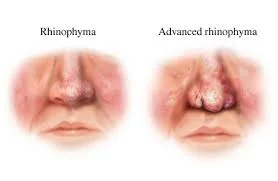
Rhinophyma is a skin condition that is characterized by a large, swollen, red and bulbous or bumpy nose.   It is actually the advanced form of acne rosacea, which is known to cause red swelling and inflammation on the face, neck and scalp.  The condition is actually much more common than one might think, as about 13 million people in the U.S. have rosacea and could potentially develop rhinophyma. 

Read More

Middle East Respiratory Syndrome (MERS)

Middle East Respiratory Syndrome (MERS)

MERS or (Middle Eastern Respiratory Syndrome) is caused by a caronavirus which is the same family of viruses that cause the common cold. According to the Center for Disease Control and Prevention, MERS tends to spread due to having close contact with an ill person. The outbreak in South Korea and deaths associated were mostly among people with preexisting conditions. Experts from the WHO are heading to South Korea to assess the pattern of the spread of the virus and evaluate public health response efforts.

Read More

What Is Kawasaki Disease?

 What Is Kawasaki Disease?

Kawasaki disease is an uncommon but serious condition that usually occurs in children under the age of five years old. It is characterized by inflammation of the blood vessels. Kawasaki disease is also known as Kawasaki syndrome or Mucocutaneous Lymph Node Syndrome. It is unclear as to what the exact cause of the disease is. 

Read More

Learn About Porphyria?

Learn About Porphyria?

Porphyria is a rare hereditary disease where hemoglobin in the blood is not metabolized properly.  This causes a buildup of natural chemicals that produce porphyrin in your body, and at high levels this porphyrins can cause a wide array of issues in the body. 

Read More

What Is Priapism?

What Is Priapism?

Priapism is a condition in which a man experiences a prolonged erection. This prolonged erection usually lasts for four hours or more. The condition is not caused by sexual stimulation or arousal. It is usually painful as well. 

Read More

What Is Pick’s Disease?

What Is Pick’s Disease?

Pick’s disease is a type of dementia. It is very rare, and it is irreversible. Pick’s disease may also be known as frontotemporal dementia, semantic dementia, or Arnold Pick's disease. It is believed that Pick’s disease accounts for up to fifteen percent of all dementia cases. This condition can cause severe personality changes. 

Read More

What Is Pericarditis?

What Is Pericarditis?

Pericarditis is inflammation of the pericardium, the membrane that surrounds the heart muscle.  This swelling and irritation of the pericardium causes pain within the chest that is likened to that of a heart attack.  

Read More

What Is Hypoglycemia?

What Is Hypoglycemia?

Hypoglycemia is a condition that causes an abnormally low level of blood sugar, or blood glucose. This is the body's main source of energy. People with diabetes get hypoglycemia when their bodies do not have enough sugar to use as energy. There are a number of things that can cause people to develop hypoglycemia. Some people may develop it as a result of their diet, exercise regimen, or as a result of being on certain medications. The symptoms of hypoglycemia usually begin when people’s blood sugar drops to 70 milligrams per deciliter or lower.

Read More

Learn About Gonorrhea

Learn About Gonorrhea

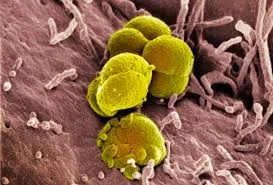
One of the most common sexually transmitted diseases is gonorrhea.  The CDC estimates that there are 700,000 new cases of Gonorrhea each year.  This STD is also known by the nickname the “clap”.  By definition, an STD is a sexually transmitted disease, also known as an STI or sexually transmitted infection.  These diseases, of which gonorrhea is grouped into, are spread via sexual contact from one partner to the next.  This sexual contact can occur in many ways such as orally, vaginally, anally, or from hand to genital interaction. 

Read More

Facts About Hepatitis A

Facts About Hepatitis A

Hepatitis A is a viral liver disease that can cause mild to severe illness. It is caused by the hepatitis A virus and causes inflammation of the liver which affects the liver’s ability to function. It is one of three of the most common types of hepatitis viruses: hepatitis A, hepatitis B, and hepatitis C. Hepatitis A is the mildest form of hepatitis.

Read More

What is a Peptic Ulcer?

Apeptic ulcer is an open sore or hole that develops inside the lining of the stomach, esophagus, and the upper part of the small intestine (also known as the duodenum). It may be caused by a bacterial infection such as H. pylori, stomach acids, or even from taking non-steroidal anti-inflammatory drugs. A peptic ulcer may also be known as a duodenal ulcer, a gastric ulcer, or a stomach (gastric) ulcer. It is estimated that about 1 in every 50 people in the United States have peptic ulcers. 

Read More

What you should know about heat exaustion

What you should know about heat exaustion

Heat exhaustion is a condition that is caused by being exposed to high temperatures for a long period of time. It is a heat-related illness and is often accompanied by dehydration. Heat exhaustion may also be known as sunstroke. The main symptoms include a rapid pulse, heavy sweating, both of which are caused by your body overheating after being exposed to high temperatures. Heat exhaustion is preventable. It is estimated that heat exhaustion and heat-related illnesses in general affects millions of people in the United States at some point in their lives.

Read More

What is giardiasis?

What is giardiasis?

Giardiasis, also known as the giardia infection, is an infection of the intestines. It is caused very small parasite called giardia. The giardia parasite can be found all over the world and is a waterborne infection. The parasite that causes giardiasis is most commonly found in places where unsanitary water and poor sanitation. It may be found in places like lakes, swimming pools, and wells. The most common signs and symptoms include abdominal cramps, bloating, nausea and watery diarrhea. The giardia infection usually goes away within a couple of weeks. It is estimated that about two percent of people in the United States are infected with giardia.

Read More

Ever Heard of Sleep Paralysis?

Ever Heard of Sleep Paralysis?

This may be the scariest thing you ever read on SamadiMD. There is a condition called Sleep Paralysis. No this is not insomnia or sleep apnea, this is a condition or phenomenon that occurs either when falling asleep or being awakened. It's thought to be a mix-up of normal REM sleep (the deepest sleep we achieve throughout the night.) People who experience it are in some sense conscious and aware that they're aware they're in bed for example. But some part of their body believes they're still asleep, in particular their muscles. The muscles become paralyzed, something that happens in REM sleep. Some scientists believe this is an evolutionary mechanism that prevents people from acting out their dreams. 

Read More

What is a Ganglion Cyst?

What is a Ganglion Cyst?

A ganglion cyst is a benign (noncancerous) lump or sac-like swelling that most commonly occurs on the tissues that line the tendons or joints of your wrists or hands. They also may occur in the ankles and feet. They are usually harmless. Ganglion cysts are the most common cyst of the hands and wrists. A ganglion cyst usually appears round or oval in shape and are filled with a jelly-like fluid. Ganglion cysts may be small or large. The larger cysts are usually about an inch in diameter. If a ganglion cyst grows near a nerve and puts pressure on that nerve, they can be painful. Depending on where they are growing, they may disrupt a person’s normal movement, especially within their joints.

Read More

What Are Normal Blood Sugar Levels?

What Are Normal Blood Sugar Levels?

How does blood sugar work? How is sugar transferred into the blood? Sugar in the blood or also called glucose comes directly from what we eat. The digestive system breaks down that food into glucose and absorbs it into the blood. That's why eating foods high in carbohydrates provide most of the glucose in your diet. Once glucose enters the blood, cells throughout the body use it for energy. The pancreas produces insulin as soon as blood sugar levels begin to rise. Insulin is an important hormone that helps transport glucose into cells. 

Read More

What is an Acoustic Neuroma?

What is an Acoustic Neuroma?

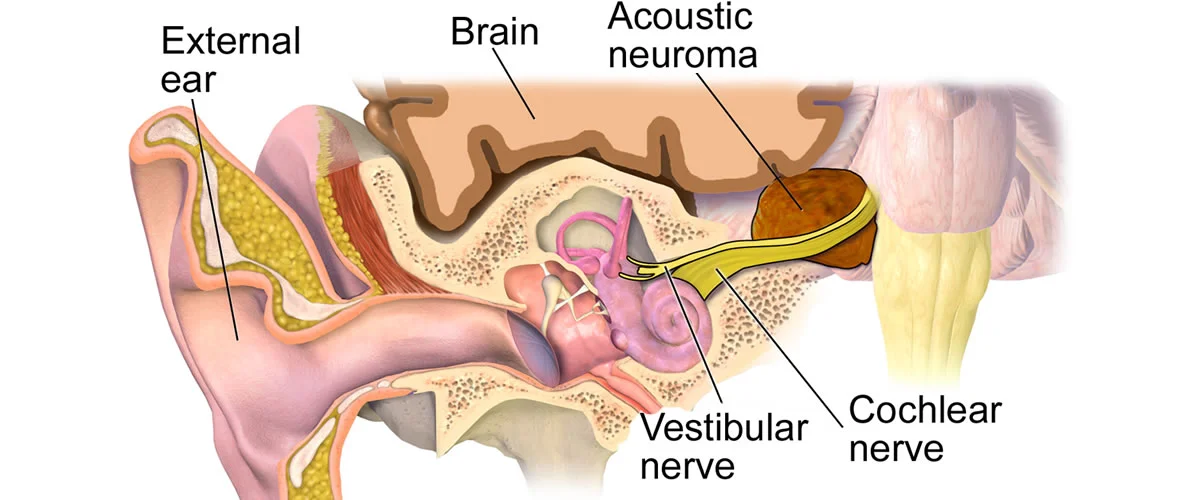
An acoustic neuroma is a rare, benign tumor that occurs on a nerve that connects the brain to the inner ear. It is usually a very slow-growing tumor. Although an acoustic neuroma is noncancerous and will not spread throughout the body, they can grow to become quite large. When this happens, it can damage parts of the brain. This is due to the fact that the branches in the nerve that runs from the brain to the inner ear are directly associated with your hearing and balance. If the acoustic neuroma becomes big enough, it can place significant pressure on the nerve which may result in hearing loss. It is estimated that about ten out of every one million people are diagnosed with an acoustic neuroma each year.

Read More

What is Venous Insufficiency?

What is Venous Insufficiency?

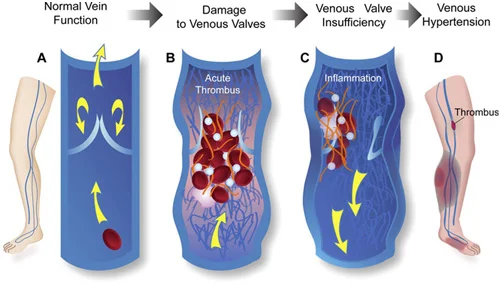
We might take moving around with ease for granted, but the body has a lot of functions going on in the background just to help us get from point A to point B. one of these functions is that of circulation, where the blood circulates to and from the lungs, transporting nutrients, oxygen, carbon dioxide, hormones, and blood cells to and from the cells in the body.  The function of circulation is to provide our body and its cells with nourishment, helping it work properly.  Within the circulatory system, the arteries carry oxygenated blood from the heart and lungs to the rest of the body, while veins carry deoxygenated blood away from the body and back to the heart and lungs to get oxygenated.

Read More

Learning About Agoraphobia?

Learning About Agoraphobia?

Agoraphobia is a condition that is characterized by the fear of open spaces or being in any environment where escaping is difficult. People with agoraphobia have an intense fear of being in open places such as in a crowd or on public transportation. It is considered an anxiety disorder and people develop it as a result of having a panic disorder. The condition can sometimes be so severe that it interferes with people’s daily lives because in some cases, agoraphobia causes people to never leave their house. It is estimated that about one percent of people in the United States suffer from agoraphobia.

Read More