Toxic Algae On West Coast Affecting Seafood

Toxic Algae On West Coast Affecting Seafood

Have you heard? Toxic algae is taking over the West Coast, and has become denser and more widespread and deeper than scientists predicting a few weeks back. According to surveyors aboard a National Oceanic Atmosphere Administration research ship found a coastal ribbon microscopic algae up to 40 miles wide and 650 feet deep in places. It seems to be growing rapidly in areas of the unusually warm Pacific Ocean. Now stretching from California to Alaska, the algae has even shut down larger fisheries. 

Read More

What is Paragonimiasis?

What is Paragonimiasis?

Paragonimiasis is an infection that is caused by a parasitic worm called a fluke. The infection is caused by eating raw, undercooked, pickled, or salted crustaceans, such as crab or crayfish. The infection may also be caused by eating raw meat, such as wild boar. Sometimes, the infection in transmitted by using contaminated food utensils. Not long after the infection, larvae will inhabit the lungs. It may also spread to other organs such as the brain.

Read More

Lower Back Pain? This Could Be Why

Lower Back Pain? This Could Be Why

Lower back pain can be quite a debilitating issue that even young people experience. Lower back pain is not just caused by an injury or just a given. It can be caused by a variety of problems. The spinal muscles are a complex, interconnected network of nerves, bones, discs and tendons in the lumbar spine.  

Read More

10 ESSENTIAL FACTS ABOUT LEGIONNAIRES’ DISEASE

10 ESSENTIAL FACTS ABOUT LEGIONNAIRES’ DISEASE

1. Legionnaires’ disease got its name from a 1976 outbreak at an American Legion convention in Philadelphia. After returning home from the convention, a number of Legionnaires began experiencing mysterious symptoms like fevers that reached 107 degrees, as well as pneumonia (a lung infection). By the following month, 6 of the 14 infected men had died, reports the Times, yet laboratory tests couldn’t determine a cause for the illnesses.The outbreak quickly made front page news amid fears of an epidemic. Six months after the initial cases were identified, doctors discovered that the illness was caused by a bacterium, which they named Legionella pneumophila. Legionella grows in warm water, and the outbreak at the convention was spread by the hotel’s air-conditioning system.

Read More

Do you have cystitis?

Do you have cystitis?

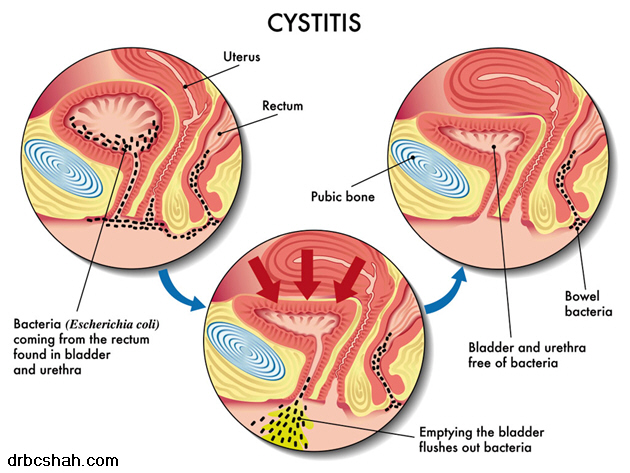
Cystitis is inflammation of the bladder. The inflammation of the bladder is caused by a urinary tract infection or UTI, which is a bacterial infection. Cystitis more commonly affects women, however men can get it too. In either case, cystitis can affect a person’s quality of life and therefore requires treatment. Men who suffer from an enlarged prostate or benign prostatic hyperplasia (BPH), kidney stones, or a urethral stricture have an increased risk for cystitis. 

Read More

What is pemphigus?

What is pemphigus?

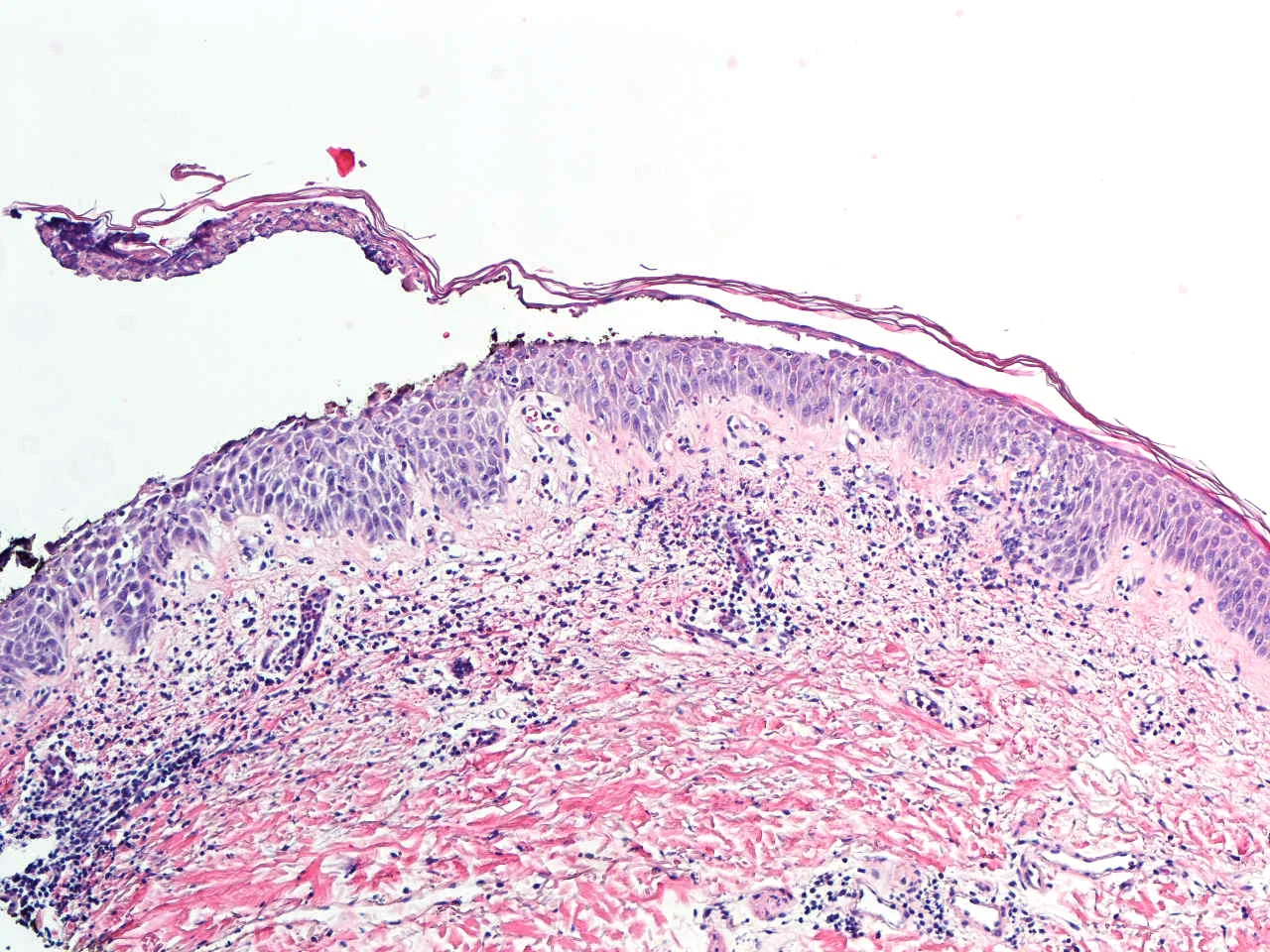
Pemphigus is a rare disease and autoimmune disorder that is characterized by group of skin disorders that cause blisters and sores on the mucous membranes of the nose, eyes, mouth, and genitals. It is not contagious. There are two main types of pemphigus: pemphigus vulgaris and pemphigus foliaceus. Pemphigus vulgaris is the most common type. Pemphigus can occur at any age, however, people who are middle aged or older are most often affected. It is estimated that about 1 in 20,000 to one in a million people develop some form of pemphigus each year.

Read More

Local Anesthetic Toxicity

Local Anesthetic Toxicity

When we receive local anesthesia, for a small procedure, biopsy or stitches we never expect that we are in danger. And in general, these local anesthetics are safe, but in some special cases getting local anesthesia can prove to be toxic.  Toxicity can occur if the anesthetic is administered inappropriately, that is at higher than normal doses or in the wrong tissue type than it is intended. Toxicity can also occur in some people even when the local anesthetic is properly given, if for instance the body has an allergic reaction to the anesthetic.  If a person does get toxicity from a local anesthetic, the reaction can fall into two categories: local or systemic. 

Read More

What is pancreatitis?

What is pancreatitis?

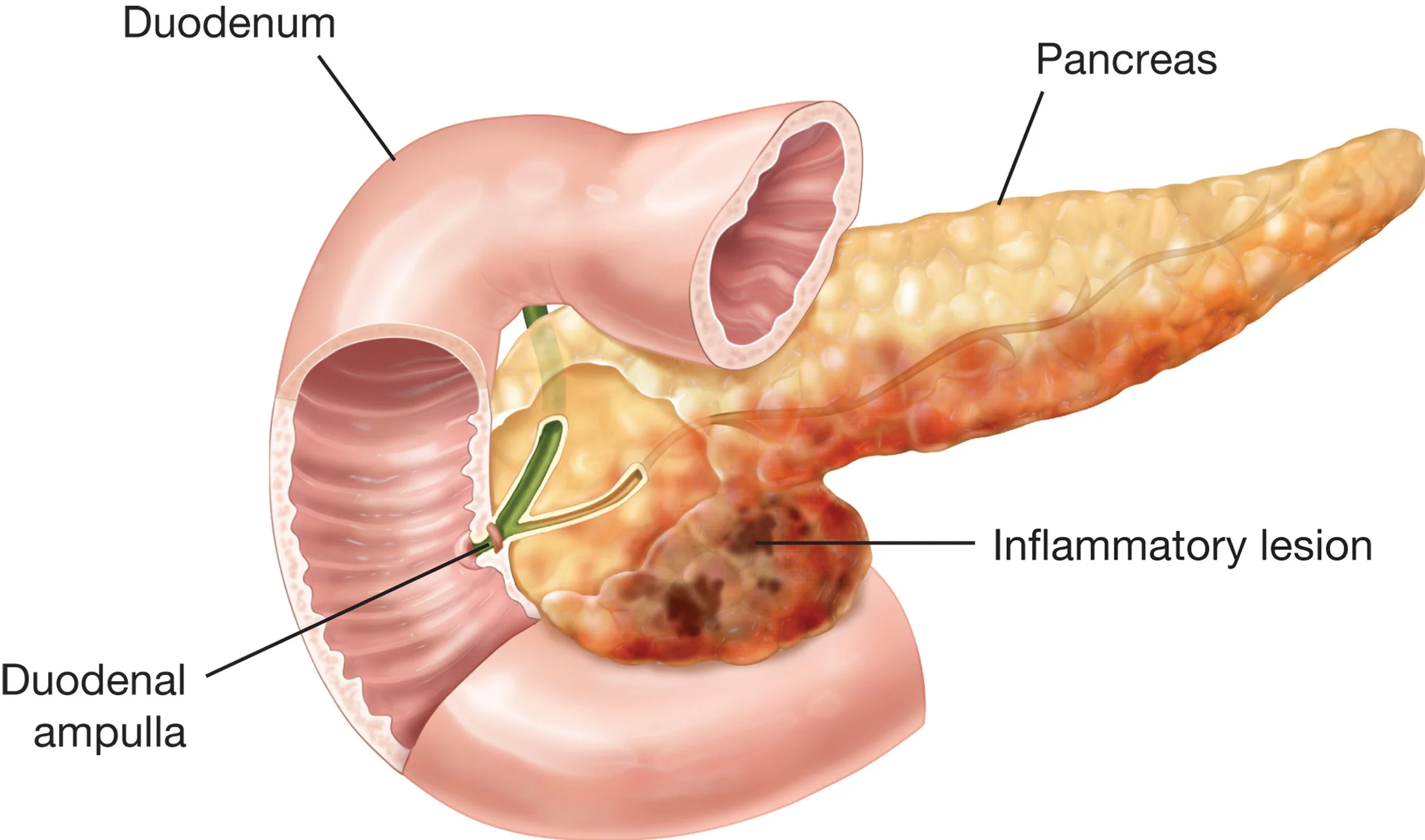
ancreatitis can either be acute or chronic. Acute pancreatitis occurs when the pancreas becomes suddenly inflamed, which only lasts for a few days. Symptoms can be mild, severe, and even life-threatening. With proper treatment, acute pancreatitis can be treated. But if acute pancreatitis is left untreated, this can lead to infection, bleeding, cysts, or severe tissue damage, and can also being to affect the kidneys, heart, or lungs.

Read More

Juvenile Rheumatoid Arthritis

Juvenile Rheumatoid Arthritis

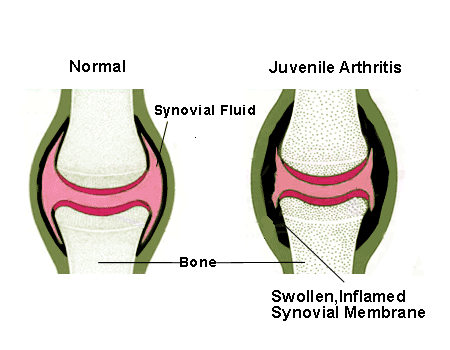
You’ve probably heard of rheumatoid arthritis, an autoimmune disease and a chronic inflammatory disorder that causes the immune system to attack the joints. But what about when this happens in children under 17, not at the usual over 40?   This persistent joint pain, swelling, and stiffness in children is known as juvenile rheumatoid arthritis.  Interestingly, juvenile rheumatoid arthritis affects about 50,000 children in the United States alone.

Read More

Age-Related Macular Degeneration

Age-Related Macular Degeneration

Macular degeneration is deterioration in the central area of the retina, called the macula. The macula is a part of the eye within the retina which is responsible for giving us sharp, central vision.   Because of the central location of the macula, the effects of macular degeneration can be debilitating to those who suffer from it.  Moreover, macular degeneration is the leading cause of vision loss for those over 50, effecting over 10 million Americans.

Read More

Restless Leg Syndrome

Restless Leg Syndrome

Restless leg syndrome, also known as Willis-Ekbom Disease affects up to 15% of people in America.  The disorder can cause itching, burning, and aching in the legs when you are at rest and lead to major issues with your sleep patterns.   This sleep-related movement disorder gets its name from the overpowering urges to move the legs while at rest.   These urges for movement can cause uncomfortable sensation in the limbs and oftentimes hurt. 

Read More

Do You Suffer From Insomnia?

Do You Suffer From Insomnia?

Insomnia is a sleep disorder that is characterized by the inability to fall asleep, having extreme difficulty falling asleep, or problems staying asleep. People who suffer from insomnia often wake up and can never get back to sleep or are never able to get to sleep in the first place. As a result, they often feel a lack of energy which can interfere with a person’s daily routine. It can also affect your mood, quality of life, and overall health. It is very important for people to get at least seven to eight hours of sleep a night. It is estimated that about 30 percent to 50 percent of people in the United States will have insomnia at some point in their life.

Read More

What is a hip labral tear?

What is a hip labral tear?

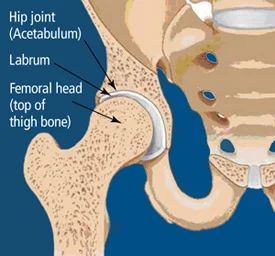
A hip labral tear occurs as a result of a tear in the labrum which holds the ball part of the ball-and-socket hip joint in place. This type of injury often occurs during a sports injury or a car accident. This type of injury may also occur as a result of continuous repetitive motions on the hip joint. Some people may also be born with an abnormality in their hip that makes them more susceptible to developing a hip injury. Some people may never experience any signs or symptoms from a hip labral tear. However, other people may experience significant pain, stiffness, or a limited range of motion in their groin or hip.

Read More

What is intussusception?

What is intussusception?

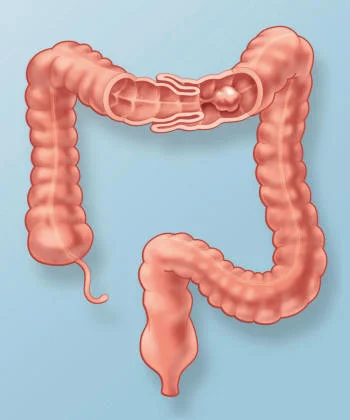
Intussusception is a serious condition that occurs as a result of part of the intestine sliding into an adjacent part of the intestine. When this happens, the intestine becomes blocked and food and fluids are unable to pass through. Intussusception also causes the intestine that the condition is affecting to be cut off from its normal blood supply. This condition can result in a tear in the bowel (also known as perforation). It can also result in an infection and death of bowel tissue.

Read More

Tips to Sleep Better with GERD

Tips to Sleep Better with GERD

GERD is also another name for acid reflux. Acid reflux can affect everyday activities. Not everyone’s reflux is triggered by the same foods or drinks.  If the items listed above don’t seem to get your acid churning, keep a food journal and note the meals that brought on reflux symptoms.  Once you have identified the food that is bringing on acid reflux, you can try to avoid it. If you frequently suffer from acid reflux at night, you may find relief is as simple as avoiding big meals before bed and raising the head of your bed.  More prone to reflux when laying down or bending over. When we are standing, gravity lends a helping hand in keeping food down in the stomach.  When we lay down, we lose the effect of gravity and will often experience worse acid reflux.

Read More

Do You Have the Mumps?

Do You Have the Mumps?

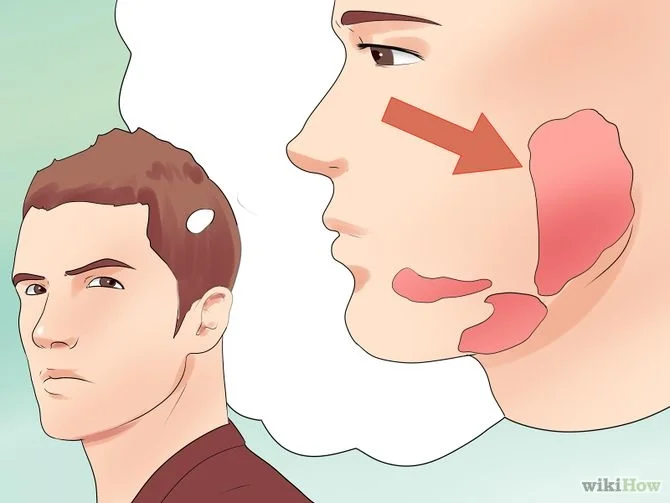
Mumps is a contagious viral infection that affects the parotid glands. The parotid glands are one of three pairs of salivary glands that are located below and in front of your ears. When a person develops mumps, they will experience painful swelling in one or both of the parotid glands. Mumps may also be known as a parvovirus infection.

Read More

Do you have mononucleosis?

Do you have mononucleosis?

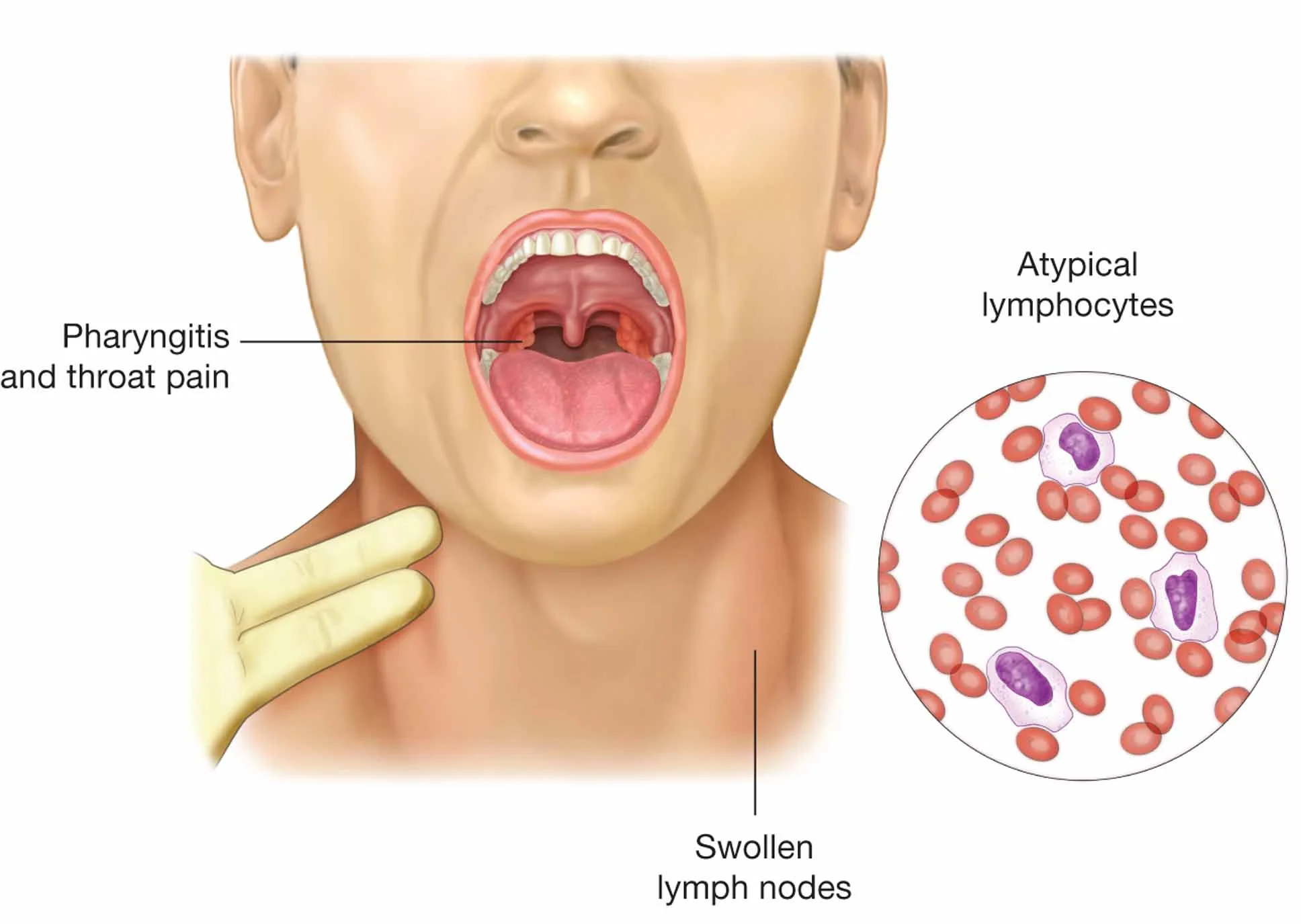
Mononucleosis is also known as mono, Epstein-Barr virus infection, or “the kissing disease”. Mono is caused by the Epstein-Barr virus. The condition is transmitted by an infected person’s saliva. Therefore, you can catch the condition by sharing saliva with someone either by kissing, sharing a drink, sharing food utensils, or being close to someone who has mono and coughs or sneezes. Mono can last anywhere from ten days to three months. Unfortunately, there is no medical treatment for mono. Treatment often includes treating the symptoms and getting plenty of rest. Otherwise, mono usually goes away by itself.

Read More

What is Menorrhagia?

What is Menorrhagia?

Menorrhagia is a condition that affects women and is characterized by having very heavy menstrual periods with prolonged bleeding. Menorrhagia is more severe than just having an abnormally heavy period once in a while because with menorrhagia, women experience a heavy loss of blood during every menstrual period. While it is concerning in general for premenopausal women to experience heavy blood loss, most premenopausal women do not experience such a heavy blood loss to be considered menorrhagia. It is estimated that about 10 percent of women in the United States have menorrhagia.

Read More

What is Laryngitis?

What is Laryngitis?

Laryngitis is an inflammation of the larynx. Your larynx is more commonly known as your voice box. The condition occurs as a result of developing an infection, irritation, or simply overuse of the vocal cords. There vocal cords are found inside the larynx. The vocal cords normally open and close smoothly which produces our normal talking voices. However, when you have laryngitis, the vocal cords become irritated and inflamed. As a result, the vocal cords swell and this produces an abnormal talking voice which sounds hoarse. In severe cases of the condition, you may lose your voice completely.

Read More

Signs of Kidney Disease

Signs of Kidney Disease

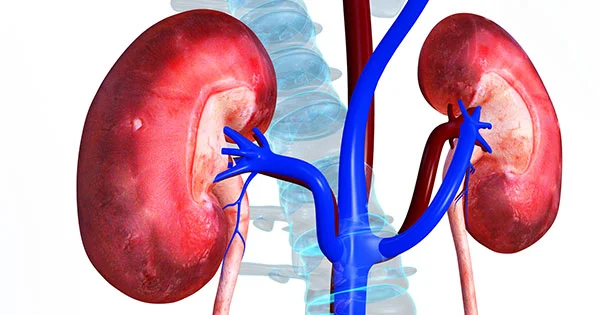
Kidney disease, also known as chronic kidney disease, is a life-long condition in which the kidney gradually loses function. About 26 million American adults have chronic kidney disease, according to the National Kidney Foundation. Millions of others are at an increased risk for developing the disease and are not aware of it. With the progression of kidney disease, wastes build up in your blood. As a result, complications can occur such as high blood pressure, high potassium levels which can impair heart health, central nerve damage, anemia, poor nutritional health, weak bones, and a decreased immune response. 

Read More