Alzheimer's Disease At A Glance

Alzheimer's Disease At A Glance

Alzheimer's disease is an irreversible, progressive brain disorder that gradually destroys a person’s memory, thinking ability, and other important mental functions. It is the most common cause of dementia in older adults. People often develop the condition around their mid-60s. With Alzheimer's disease, the brain cells degenerate and die. This causes a slow reduction in memory and mental function. Alzheimer's disease is currently listed as the sixth leading cause of death in the United States. It is estimated that about five million people in the United States have Alzheimer's disease.

Read More

What is interstitial cystitis?

What is interstitial cystitis?

Interstitial cystitis is a chronic bladder condition that causes pain and pressure in the bladder as well as pelvic pain. The condition is also known as painful bladder syndrome. Women are most often affected by this condition, however, men can develop it too. Having interstitial cystitis is usually long-term and can negatively affect your quality of life. Unfortunately, there is no cure for the condition. But there are a number of treatment options to manage the condition and help relieve some of the symptoms.

Read More

Learning About Irritable Bowel Syndrome

Learning About Irritable Bowel Syndrome

Irritable bowel syndrome, also known as IBS, is a common disorder that affects the colon, (aka large intestine). The condition causes a number of embarrassing and uncomfortable symptoms such as gas, constipation, cramping, abdominal pain, bloating, and diarrhea. Most people who are at risk for Irritable bowel syndrome usually begin to experience signs and symptoms before age 35. Women are more likely to suffer from irritable bowel syndrome than men are. Some people may only experience irritable bowel syndrome a few times in their life. However, some people may suffer from it for many years. It is estimated that about one in every five people in the United States suffers from has symptoms of irritable bowel syndrome.

Read More

Unpacking the Debilitating Condition that is Fibromyalgia

Unpacking the Debilitating Condition that is Fibromyalgia

Fibromyalgia is a chronic condition that is characterized by widespread musculoskeletal pain, fatigue, sleep, mood, and memory issues. It is estimated that the condition affects about ten million people in the United States. Women are much more likely to develop fibromyalgia than are men. Fibromyalgia is not completely understood, but it is believed that the condition causes pain as a result of the way the brain processes pain signals.

Read More

Do you have an anal abscess?

Do you have an anal abscess?

An anal abscess is a condition that occurs when there is a buildup of pus near the anus. They can be quite painful. The most common cause of anal abscesses is an infection that develops in the anal glands. The most common type of anal abscess is a perianal abscess, which looks like a swollen boil near the anus. These types of abscesses usually require treatment involving drainage and surgery. Treating the abscess this way often results in successful results. However, complications may arise. After draining an abscess, about fifty percent of patients develop a fistula.

Read More

Traveler’s Diarrhea

Traveler’s Diarrhea

Traveler's diarrhea affects about 10 million people a year, and is a digestive tract disorder that causes diarrhea, as the name suggests.  Loose stools and abdominal cramps that are associated with diarrhea are not only uncomfortable and painful, but can cause dehydration that puts a traveler at serious health risk. Fortunately, most cases of traveler's diarrhea does develop into anything serious or life threatening and resolves within a few days. 

Read More

What Are The Symptoms Of Rhinophyma

What Are The Symptoms Of Rhinophyma

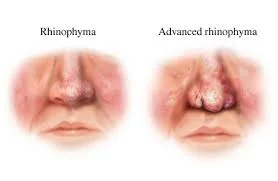
Rhinophyma is a skin condition that is characterized by a large, swollen, red and bulbous or bumpy nose.   It is actually the advanced form of acne rosacea, which is known to cause red swelling and inflammation on the face, neck and scalp.  The condition is actually much more common than one might think, as about 13 million people in the U.S. have rosacea and could potentially develop rhinophyma. 

Read More

Learn About Porphyria?

Learn About Porphyria?

Porphyria is a rare hereditary disease where hemoglobin in the blood is not metabolized properly.  This causes a buildup of natural chemicals that produce porphyrin in your body, and at high levels this porphyrins can cause a wide array of issues in the body. 

Read More

What Is Pick’s Disease?

What Is Pick’s Disease?

Pick’s disease is a type of dementia. It is very rare, and it is irreversible. Pick’s disease may also be known as frontotemporal dementia, semantic dementia, or Arnold Pick's disease. It is believed that Pick’s disease accounts for up to fifteen percent of all dementia cases. This condition can cause severe personality changes. 

Read More

What Is Pericarditis?

What Is Pericarditis?

Pericarditis is inflammation of the pericardium, the membrane that surrounds the heart muscle.  This swelling and irritation of the pericardium causes pain within the chest that is likened to that of a heart attack.  

Read More

What Is Hypoglycemia?

What Is Hypoglycemia?

Hypoglycemia is a condition that causes an abnormally low level of blood sugar, or blood glucose. This is the body's main source of energy. People with diabetes get hypoglycemia when their bodies do not have enough sugar to use as energy. There are a number of things that can cause people to develop hypoglycemia. Some people may develop it as a result of their diet, exercise regimen, or as a result of being on certain medications. The symptoms of hypoglycemia usually begin when people’s blood sugar drops to 70 milligrams per deciliter or lower.

Read More

Learn About Gonorrhea

Learn About Gonorrhea

One of the most common sexually transmitted diseases is gonorrhea.  The CDC estimates that there are 700,000 new cases of Gonorrhea each year.  This STD is also known by the nickname the “clap”.  By definition, an STD is a sexually transmitted disease, also known as an STI or sexually transmitted infection.  These diseases, of which gonorrhea is grouped into, are spread via sexual contact from one partner to the next.  This sexual contact can occur in many ways such as orally, vaginally, anally, or from hand to genital interaction. 

Read More

Facts About Hepatitis A

Facts About Hepatitis A

Hepatitis A is a viral liver disease that can cause mild to severe illness. It is caused by the hepatitis A virus and causes inflammation of the liver which affects the liver’s ability to function. It is one of three of the most common types of hepatitis viruses: hepatitis A, hepatitis B, and hepatitis C. Hepatitis A is the mildest form of hepatitis.

Read More

Signs of Autoimmune Disease

Signs of Autoimmune Disease

An autoimmune disease is a disorder that arises from an unusual immune response of the body against healthy body tissue.  Essentially, it is the body mistakenly attacking and destroying itself.  This may be restricted to certain organs or involve a particular tissue.  Immunosuppressants, medications that decreases the immune response, are typically the treatment for the more than 80 different types of autoimmune diseases.  Some examples of autoimmune diseases that may sound familiar are Celiac disease, thyroiditis, fibromyalgia, Lupus and rheumatoid arthritis.

Read More

How Alcoholism Develops

How Alcoholism Develops

Many of us have a drink with dinner, or a few when going out with friends or at family gatherings.  But for some people, the occasional drink is not occasional at all, but habitual and excessive.  Alcoholism is a disease where the body becomes physically addicted or dependent on alcohol. For many alcoholics, as with other substance abuse disorders, drinking becomes a compulsion rather than a choice.  This means alcoholics continue to drink despite the deleterious effects on personal relationships, everyday life and overall health.  Many suffering from alcoholism may not even recognize that they have it, and can’t recognize the symptoms that they display.  About 8% of Americans are diagnosed as alcoholics. 

Read More

10 Surprising Risk Factors for Kidney Stones

10 Surprising Risk Factors for Kidney Stones

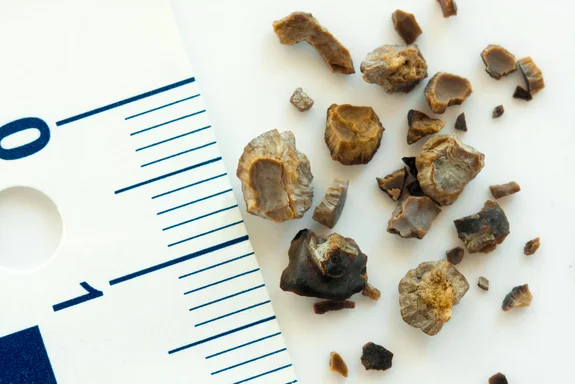
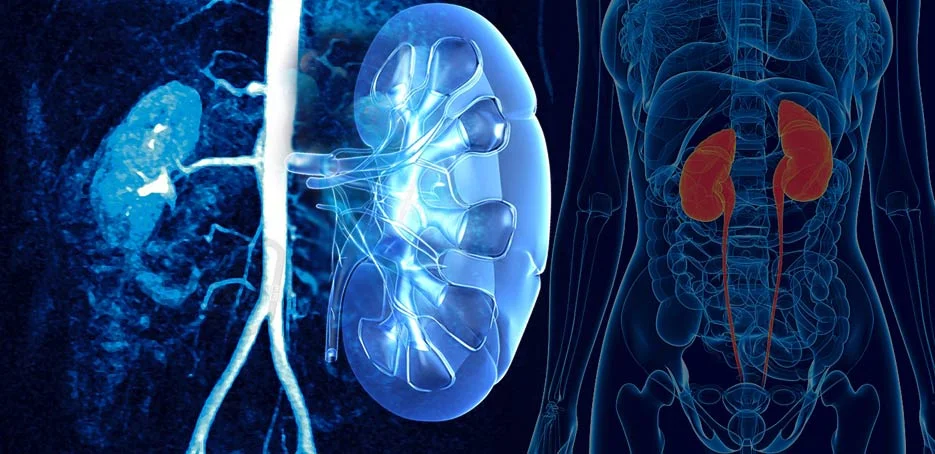
The risk of kidney stones is higher in the United States than it is in the rest of the world. Although these stones do not normally cause any permanent damage, passing them can be quite painful.  Depending on the size of the stone, surgical intervention may be necessary. Kidney stones are a relatively common occurrence, especially in the United States.  They affect approximately one in ten people throughout their lifetime, and the incidence of kidney stones has actually increased over the past few decades. 

Read More

How We Get Shin Splints

How We Get Shin Splints

Shin splints are also known as medial tibial stress syndrome. They are characterized by pain that occurs along or behind the shinbone. Shin splints are most often a result of overused and swollen muscles. The most common symptoms are pain or tenderness on the front of the lower legs, which is also known as the tibia. It is common for people who are involved in vigorous sports that put pressure on the shins like running, soccer, tennis, or dancing to develop shin splints. Shin splints are the cause of about 13 percent of all injuries in runners.

Read More

What It Means To Have A Prolapsed Bladder

What It Means To Have A Prolapsed Bladder

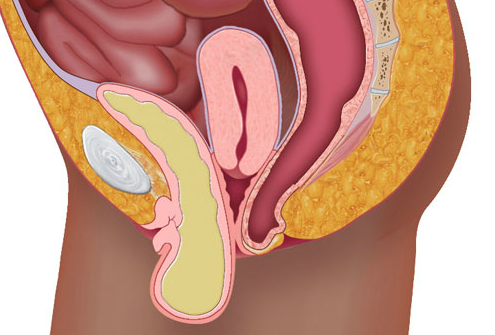
Under normal conditions, a woman’s bladder is held in place by a net of pelvic floor muscles and connective tissues.  When these muscles and tissues stretch and weaken, it allows the bladder to “drop” or prolapse through this net or wall.  A prolapsed bladder is one in which the bladder decends into the vagina following the deterioration of the vaginal wall. A proposed bladder is also known an as a cystocele or a fallen bladder. The bladder itself is the hollow organ in the pelvis that serves as a storage unit for our urine.  This urine is filtered from the body through the kidneys and makes its way down to the bladder. 

Read More

Suffering From Chronic Pain in Your 20s?

Suffering From Chronic Pain in Your 20s?

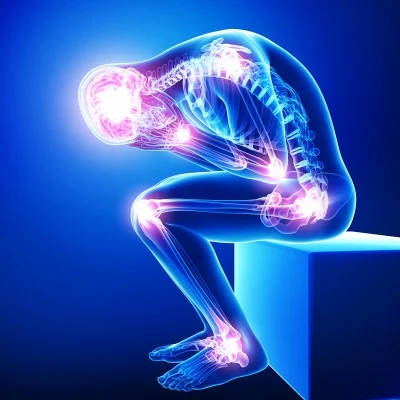
Many young people experience chronic pain even as early as their 20s. They tend to find themselves working closely with a team of medical experts trying to ease the symptoms and find a way through but obviously it can be very debilitating especially at a time in life when freedom and mobility are so critical to the lifestyle. The idea of going out and maintaining a normal 20-something social life is quite difficult with chronic pain. Many lifestyle changes young people are forced to inhibit such as medications, specific and strict diets gets in the way of social activities.

Read More

Do you have gas pains?

Do you have gas pains?

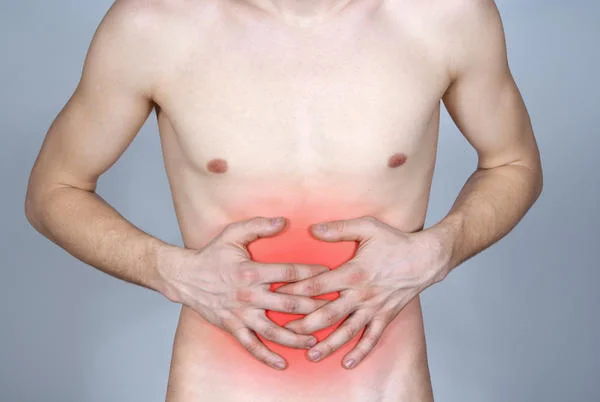
Gas pains, otherwise known as gas, flatulence, bloating, or intestinal gas. We all get it. While gas pains are by no means a serious condition, it can be annoying, uncomfortable, sometimes painful, and definitely embarrassing. There are a number of things that can cause gas pains, but it is most often a result of being constipated or diarrhea. When gas builds up in the intestines it can become painful if you are unable to get rid of it with ease.

Read More