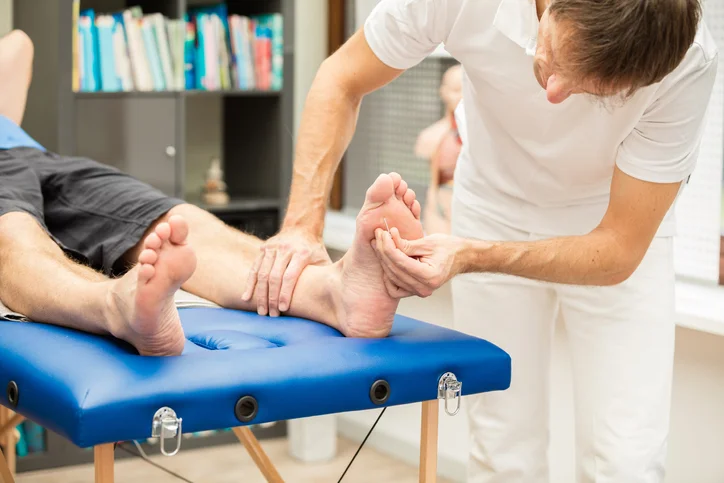
Diabetes’ effect on your feet
/
A diagnosis of diabetes means much more than just paying attention to blood sugar levels.
Read MoreA diagnosis of diabetes means much more than just paying attention to blood sugar levels.
Read MoreThe lifelong condition of PsA is when the body’s immune system mistakenly attacks healthy tissue in both joints and skin.
Read MoreSea lice are a marine parasite that affect fish and are not actual lice like their name implies. Found in the warm waters of the Gulf of Mexico, Caribbean, and along both the east and west coasts of the United States during the spring/summer months of April to August is when sea lice are in season. Swimmers are more likely to encounter stinging sea lice than other ocean pests.
Read MoreHPV is also known to cause cancers in the back of the throat, in an area known as the oropharynx. HPV is linked with about 70 percent of these types of cancers in the U.S. and the rates of these cancers are rising dramatically, according to the Centers for Disease Control and Prevention.
Read MoreCorrelation between the higher a person’s BMI is, the higher the amount of the excretion of urinary oxalate.
Read MoreKnowing and understanding the risk factors for this disease is important as it can help you make lifestyle changes before the condition has set in.
Read MoreMedicine still cannot cure the common cold, but we may have just discovered a quick and inexpensive way to get you better, faster. A meta-analysis of three controlled trials has revealed that zinc acetate lozenges increases the rate of recovery from the common cold by a factor of three.
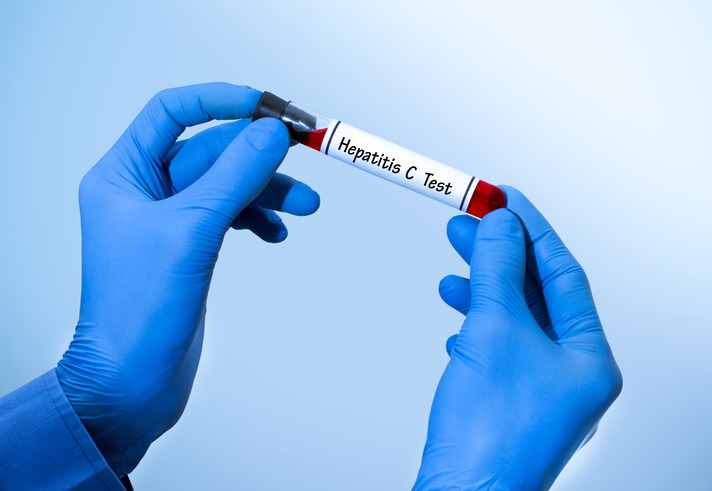
Read MoreIn 2015, almost 20,000 Americans died from hepatitis C-related causes, most who were age 55 and older. Unfortunately, there is no vaccine at this time to prevent hepatitis C.
Read MoreThe second largest organ in your body, your liver, is sort of a jack of all trades. It can process what you eat and drink into energy, makes cholesterol, stores various vitamins and minerals, removes bilirubin from the blood along with other harmful substances, makes bile to help digest fat, and regulates the composition of blood.
Read MoreUp to 45 million people in the U.S. have an open sore in the lining of their gastrointestinal tract known as an ulcer. An ulcer can occur in the upper portion of the small intestine (duodenal ulcer), the stomach (gastric ulcer), and the esophagus (esophageal ulcer). Ulcers are often referred to as “peptic ulcers” to indicate they occur in the digestive tract.
Read MoreNone of us get through life without some kind of skin issues. Be it major or minor skin eruptions, ignoring the condition and wishing it will go away is not the solution. Your skin is the largest organ of the body and when it goes haywire it’s like setting off an alarm warning you to take notice and take action.
Read MoreOften confused with osteoporosis, osteopenia is a condition in which bone mineral density is lower than normal but not to the extent of osteoporosis, the brittle bone disease. The decreased bone density of osteopenia can lead to bone weakening and bone fragility with an increased risk of breaking a bone.
Read MoreProbably the last thing someone with fibromyalgia feels like doing is to exercise. The symptoms of muscle pain, fatigue and tenderness throughout the body do not make it very conducive to want to get up and move. Yet exercise may be one of the best activities one can do for anyone with this chronic disorder. Of the estimated 5 million Americans 18 or older – 80% to 90% of those diagnosed being women - exercise can be an effective treatment option significantly showing positive improvements of symptoms resulting in increased quality of life and physical functioning.
Read MoreHypertension or high blood pressure is the common condition of when blood pressure, the force of your blood pushing against the walls of your blood vessels, is consistently high. Most of us are familiar with and have a basic understanding of it. But there is another type of hypertension we may have heard of but are not clear on exactly what is means. This hypertension is called pulmonary hypertension or PH and is when a person has high blood pressure in the lungs. It can also be referred to as pulmonary arterial hypertension or PAH.
Read MoreThe survival rate for people diagnosed with breast cancer is pretty good (80 percent recover and go on to live for at least 10 years) but the ordeal can easily be overwhelming. Still, there have been steady improvements made in both longevity and quality of life for those undergoing treatment.
Read MoreWhat if we could re-program immune cells in your body to recognize, seek out and destroy cancer cells?
Read MoreCancer anywhere in the body is never good but for some reason, having cancer strike in our oral cavity seems particularly bad. Oral cancer also known as head and neck cancers will appear as a growth or sore in the mouth that does not go away. This type of cancer includes cancers of the lips, tongue, cheeks, floor of the mouth, hard and soft palate, sinuses, and pharynx (throat). Any of them can not only be disfiguring but also life-threatening if not diagnosed and treated early.
Read MoreWhen we hear of a woman who has been diagnosed with cancer, most of us tend to assume it is breast cancer. Part of this is the fact breast cancer gets a lot of media exposure compared to other forms of cancer. But for women in the United States, with the exception of skin cancer, breast cancer is the most commonly diagnosed cancer among American women and according to BreastCancer.org, for 2017 it is estimated that about 30% of cancers diagnosed in women will be breast cancer.
Read MoreA study published in the Journal of Clinical Oncology is negating previous studies that suggested a possible link between use of androgen deprivation therapy (ADT) for prostate cancer and Alzheimer’s disease (AD). This study included almost 31,000 men whose prostate cancer had not spread but were using (ADT).
Read MoreDepression is a common and serious medical illness affecting how you feel, the way your think and how you act. Feelings of sadness and or a loss of interest in activities once enjoyed along with a variety of emotional problems can reduce a person’s ability to function at work and at home.
Read More