Understanding pulmonary hypertension

 Understanding pulmonary hypertension

Hypertension or high blood pressure is the common condition of when blood pressure, the force of your blood pushing against the walls of your blood vessels, is consistently high.   Most of us are familiar with and have a basic understanding of it.  But there is another type of hypertension we may have heard of but are not clear on exactly what is means.  This hypertension is called pulmonary hypertension or PH and is when a person has high blood pressure in the lungs.  It can also be referred to as pulmonary arterial hypertension or PAH. 

Read More

An overview of Hashimoto’s disease

An overview of Hashimoto’s disease

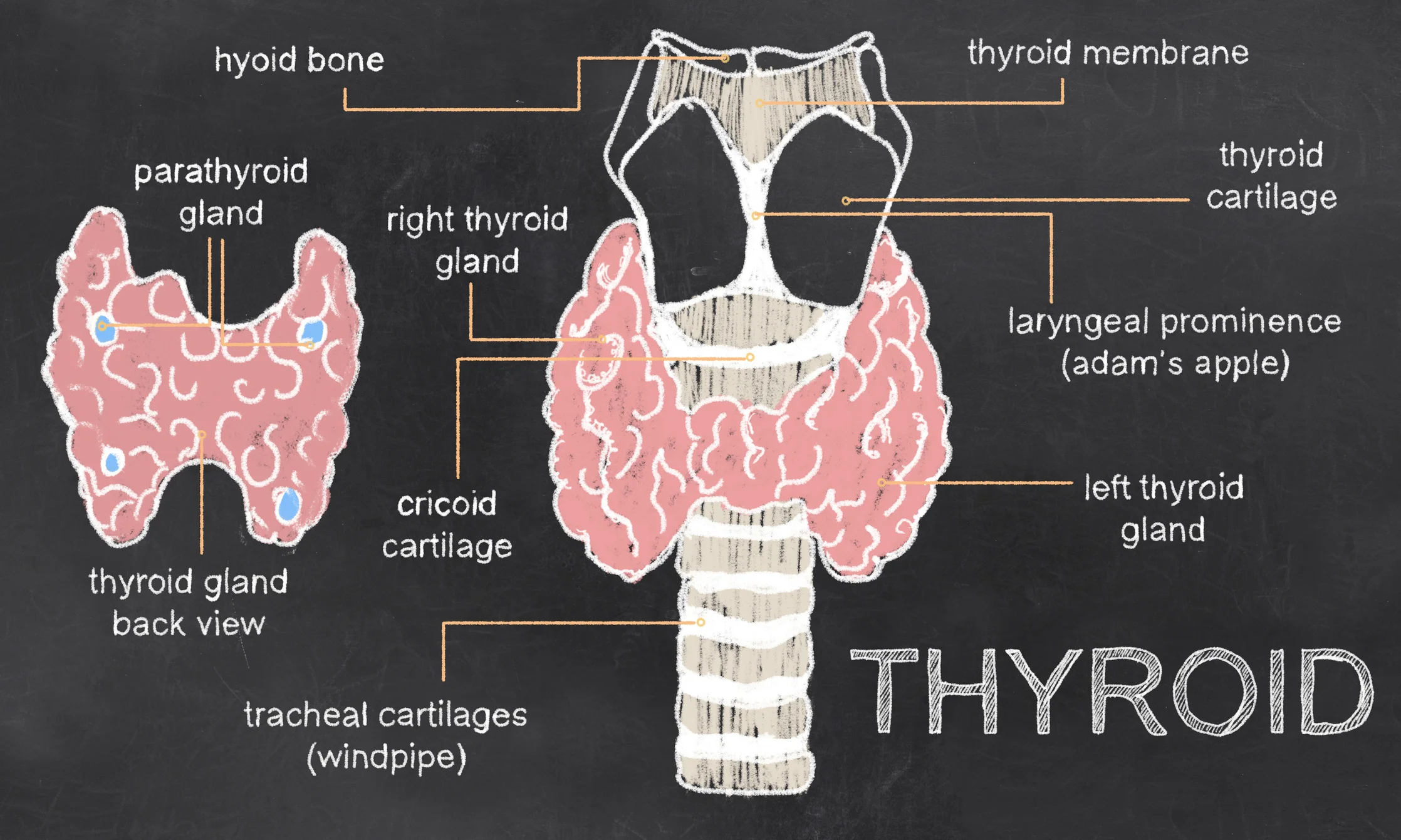
To understand Hashimoto’s disease, you need to understand the thyroid.  The thyroid is a 2-inch long butterfly-shaped gland located in front of the neck below the larynx or voice box.  It is one of the glands making up the endocrine system which produces and stores hormones releasing them into the bloodstream when needed.  Hashimoto’s disease, also known as chronic lymphocytic thyroiditis or autoimmune thyroiditis, is a disorder affecting the thyroid gland and is the most common cause of hypothyroidism in the United States. 

Read More

Peyronie’s disease – when a man’s penis curves

Peyronie’s disease – when a man’s penis curves

There is probably no other part of the male anatomy that men scrutinize the most than their penis.  If it is not perfectly straight when erect, a man may wonder is this normal or not.  To set the record, uh, straight, a slight curve or tendency to lean to the left or right when erect is considered normal.  But, if the penis has a significant bend that is more noticeable, then it could be a condition called Peyronie’s disease.

Read More

Exploring esophageal cancer

Exploring esophageal cancer

Esophageal cancer is a disease in which malignant cancer cells form in the tissues of the esophagus. Even though esophageal cancer is an uncommon cancer, any signs or symptoms of it should not be ignored as only about 20 percent of patients survive at least 5 years after diagnosis.  Knowing what to look for and possible ways to prevent this cancer is a first step in avoiding it to begin with. 

Read More

Causes and treatment of varicose veins

Causes and treatment of varicose veins

Varicose veins can be an unsightly condition appearing like gnarled, enlarged veins usually found in the legs and feet.  These swollen, twisted veins can be seen just below the skin surface.  They can cause mild to moderate pain, blood clots, skin ulcers (sores), a heavy or aching feeling, a burning sensation or itching above the affected veins.

Read More

6 ways to cut your risk of colorectal cancer in half

6 ways to cut your risk of colorectal cancer in half

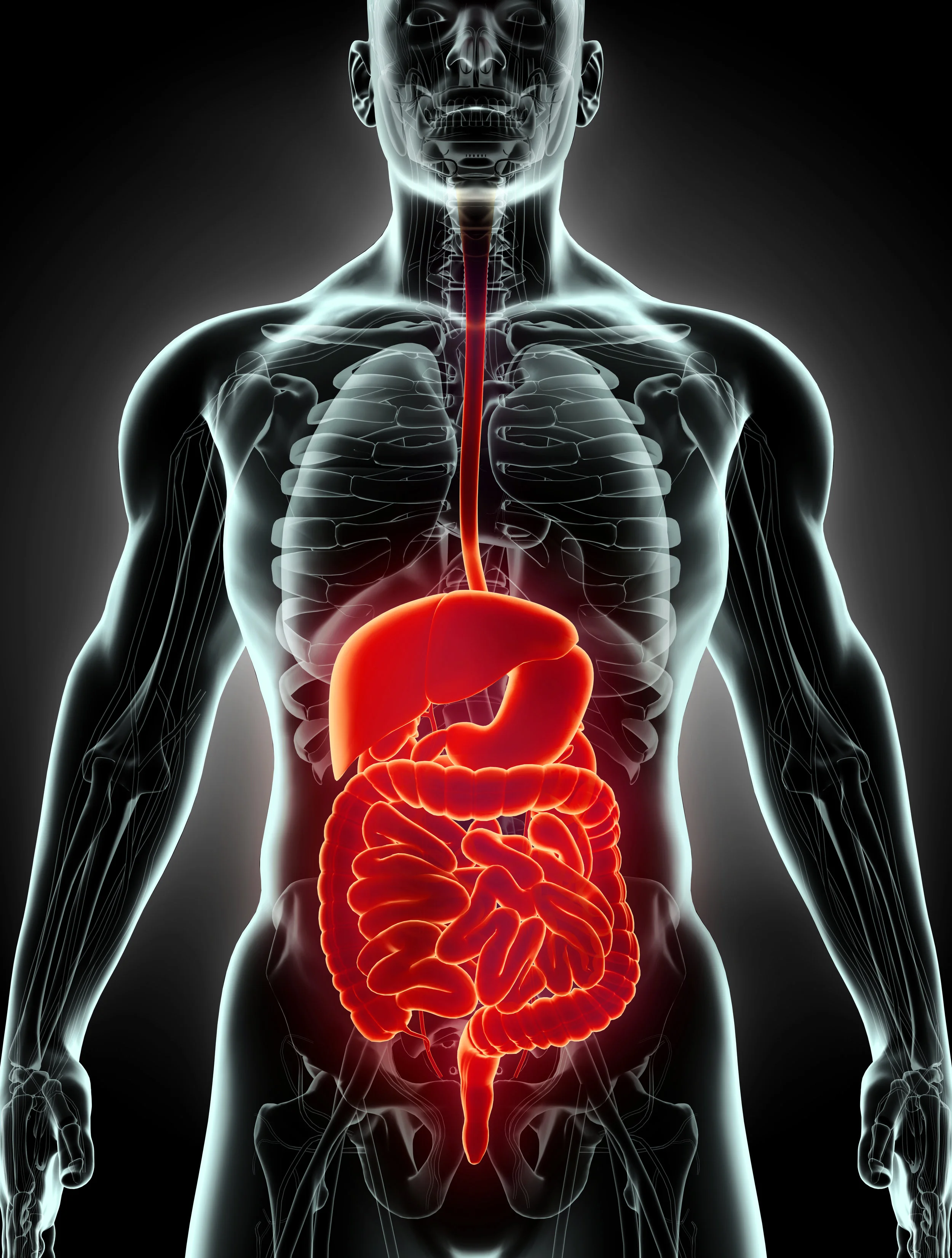
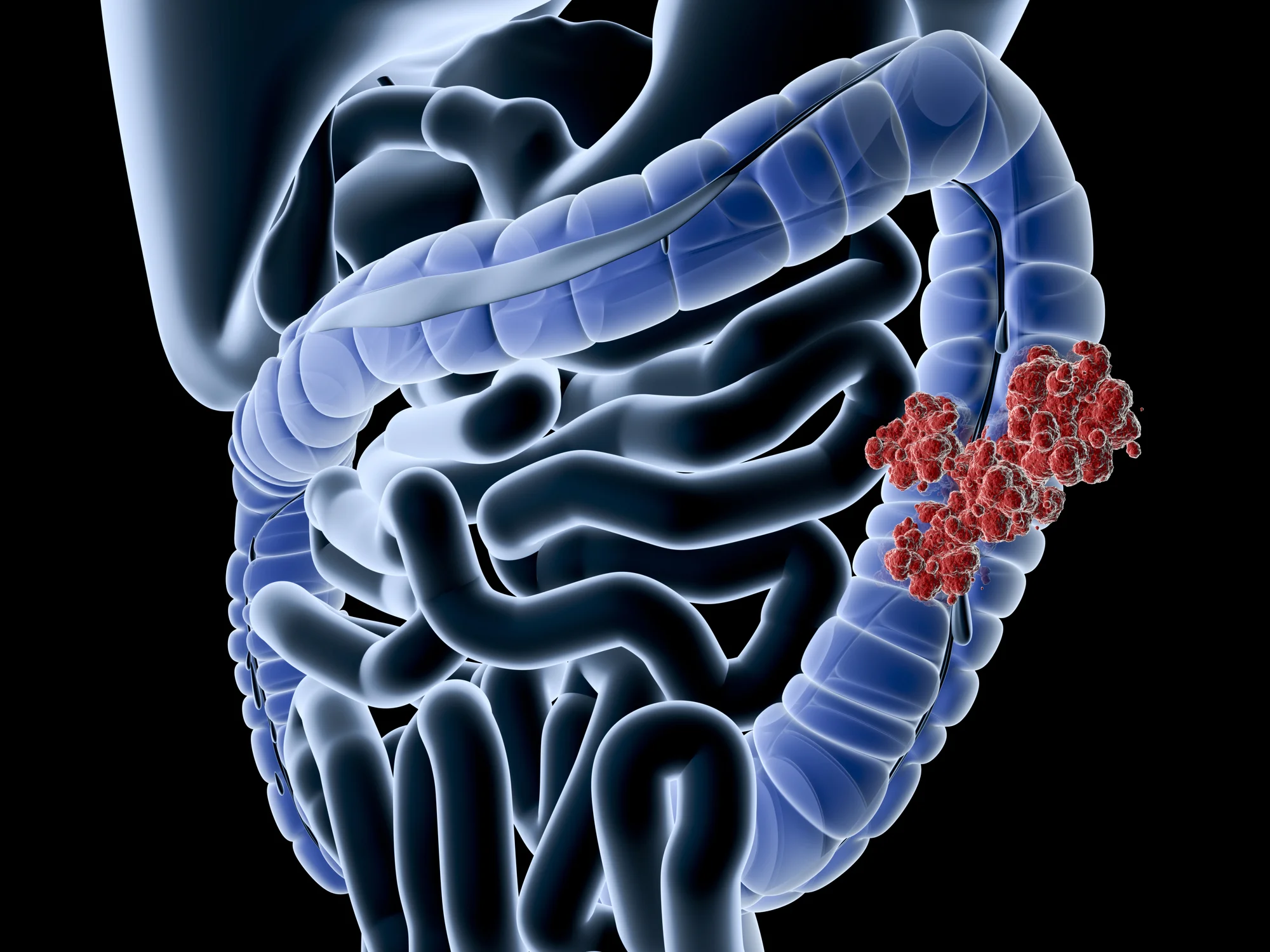
One of the most complex pieces of machinery found in our body is our colon.  More than just an inert tube attached to the tail end of our digestive system (our rectum), our colon dutifully performs what no other organ cares to deal with – our bowel movements.  But in addition to that thankless yet necessary job is the fact our colon also directs the balance of fluid and electrolytes in the body and plays host to a crucial ecosystem of bacteria playing a vital role in our health.  Until something goes wrong with this essential organ, many of us fail to appreciate just what our colon means to our health and well-being.

Read More

How Men Can Beat Osteoporosis

How Men Can Beat Osteoporosis

Osteoporosis is a major public health threat affecting almost 44 million American men and women aged 50 and older. Most of those people are women; mainly because the “brittle bone disease” affects the elderly and women live longer, and men are more likely to have exercised, which builds up bone mass. The most common cause of osteoporosis in men is low testosterone.

Read More

The Biomechanics of Pitcher's Elbow

The Biomechanics of Pitcher's Elbow

Despite everything we know about and are developing in the area of sports medicine – not to mention the enormous financial investment that the Major League Baseball teams have in their pitchers – the elbow injuries for the horsehair hurlers continue to be on the rise. What is known about the actual variables that cause “pitcher's elbow?”

Read More

To know your liver is to love your liver

To know your liver is to love your liver

How well do you really know your liver?  This second largest organ and the largest internal organ (our skin is the largest organ of the human body), is a virtual factory performing more than 500 vital functions that have been identified some of which include the following:

Read More

Understanding bladder stones

Understanding bladder stones

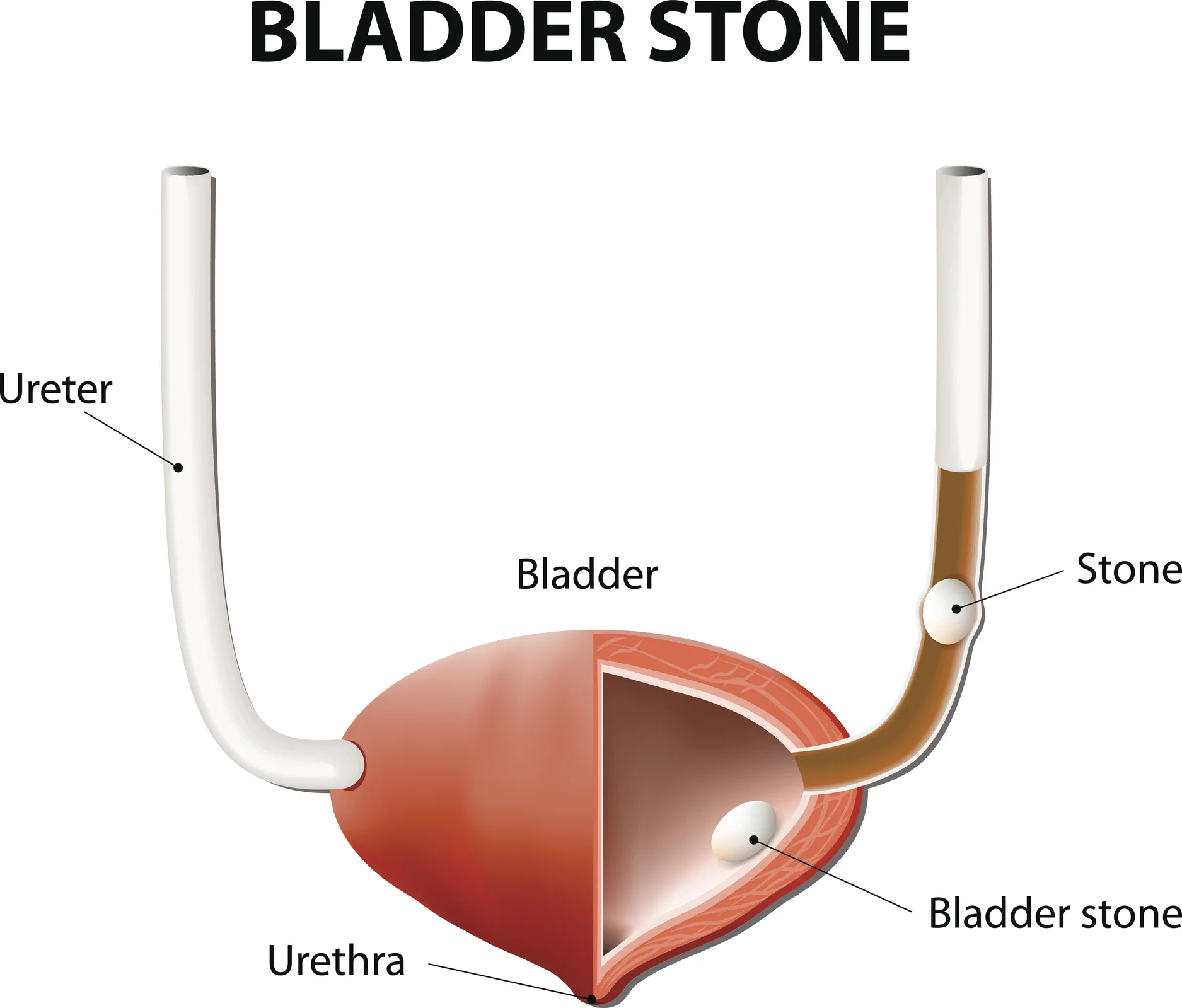
Let’s face it – all of us have heard of kidney stones or maybe have even experienced them.  But bladder stones?  Yes, stones can form in the bladder. They are much more common in men past the age of 50 but are much less common than kidney stones.  If they are small enough they may cause no symptoms passing on out the body on their own without a person even knowing they had any. But, unfortunately, more often than not, they will make their appearance known causing pain or other problems on urination.

Read More

Graves Disease

Graves Disease

Although it can technically affect anyone, Graves’ disease is known as a young woman’s ailment, inasmuch as its favored prey are women under 40. The disease is an immune disorder that causes your body to create excess thyroid hormones.

Read More