
Can Antidepressants Slow Prostate Cancer?
/
We are a nation of anxious people. Ten percent of Americans take antidepressants, and more than 60 percent of those people have taken them for 2 years or longer.
Read MoreWe are a nation of anxious people. Ten percent of Americans take antidepressants, and more than 60 percent of those people have taken them for 2 years or longer.
Read MoreProstate cancer very often produces no symptoms, and the only way a man will know if he is in danger is as a result of a screening.
Read MoreThe type of treatment your doctor will suggest will depend on a number of different factors.
Read MoreLearn more about your diagnosis: The first step is to fully understand the extent your diagnosis. Your doctor will establish this by determining the grade and stage of your prostate cancer.
Read MoreMark has now been 2 years cancer free, thanks to the prostatectomy performed by Dr. David Samadi and his team.
Read MoreProstate cancer very often produces no symptoms, and the only way a man will know if he is in danger is as a result of a screening.
The type of treatment your doctor will suggest will depend on a number of different factors.
Learn more about your diagnosis: The first step is to fully understand the extent your diagnosis. Your doctor will establish this by determining the grade and stage of your prostate cancer.
Mark has now been 2 years cancer free, thanks to the prostatectomy performed by Dr. David Samadi and his team.
We are a nation of anxious people. Ten percent of Americans take antidepressants, and more than 60 percent of those people have taken them for 2 years or longer.
Prostate cancer very often produces no symptoms, and the only way a man will know if he is in danger is as a result of a screening.
The type of treatment your doctor will suggest will depend on a number of different factors.
Learn more about your diagnosis: The first step is to fully understand the extent your diagnosis. Your doctor will establish this by determining the grade and stage of your prostate cancer.
Mark has now been 2 years cancer free, thanks to the prostatectomy performed by Dr. David Samadi and his team.
We are a nation of anxious people. Ten percent of Americans take antidepressants, and more than 60 percent of those people have taken them for 2 years or longer.
Prostate cancer very often produces no symptoms, and the only way a man will know if he is in danger is as a result of a screening.
The type of treatment your doctor will suggest will depend on a number of different factors.
Learn more about your diagnosis: The first step is to fully understand the extent your diagnosis. Your doctor will establish this by determining the grade and stage of your prostate cancer.
Mark has now been 2 years cancer free, thanks to the prostatectomy performed by Dr. David Samadi and his team.
We are a nation of anxious people. Ten percent of Americans take antidepressants, and more than 60 percent of those people have taken them for 2 years or longer.
Prostate cancer very often produces no symptoms, and the only way a man will know if he is in danger is as a result of a screening.
The type of treatment your doctor will suggest will depend on a number of different factors.
Learn more about your diagnosis: The first step is to fully understand the extent your diagnosis. Your doctor will establish this by determining the grade and stage of your prostate cancer.
Mark has now been 2 years cancer free, thanks to the prostatectomy performed by Dr. David Samadi and his team.
We are a nation of anxious people. Ten percent of Americans take antidepressants, and more than 60 percent of those people have taken them for 2 years or longer.
Prostate cancer very often produces no symptoms, and the only way a man will know if he is in danger is as a result of a screening.
The type of treatment your doctor will suggest will depend on a number of different factors.
Learn more about your diagnosis: The first step is to fully understand the extent your diagnosis. Your doctor will establish this by determining the grade and stage of your prostate cancer.
Mark has now been 2 years cancer free, thanks to the prostatectomy performed by Dr. David Samadi and his team.
We are a nation of anxious people. Ten percent of Americans take antidepressants, and more than 60 percent of those people have taken them for 2 years or longer.
Prostate cancer very often produces no symptoms, and the only way a man will know if he is in danger is as a result of a screening.
The type of treatment your doctor will suggest will depend on a number of different factors.
Learn more about your diagnosis: The first step is to fully understand the extent your diagnosis. Your doctor will establish this by determining the grade and stage of your prostate cancer.
Mark has now been 2 years cancer free, thanks to the prostatectomy performed by Dr. David Samadi and his team.
For men who’ve had a prostate cancer diagnosis, they will experience the same feelings. Prostate cancer is a serious disease, however most men will survive it living for many more years to come.
There are specific suggestions for men to help them improve their sexual performance after prostate cancer to achieve a satisfying sex life once again. Here’s how:
A biopsy of the prostate is not to be taken lightly as it can result in pain, bleeding, and infection. The doctor can minimize these effects by using conscious sedation or an anesthetic called a prostatic block and by prescribing a course of antibiotics at the time of the biopsy.
As a general rule, what benefits cardiovascular health is also beneficial for prostate health. Studies have shown that for men who have succumbed to prostate cancer, one of the most common reasons why, is that they also had cardiovascular disease.
This news is from a recent prospective study of almost 28,000 Adventist men living in the Loma Linda area of California.
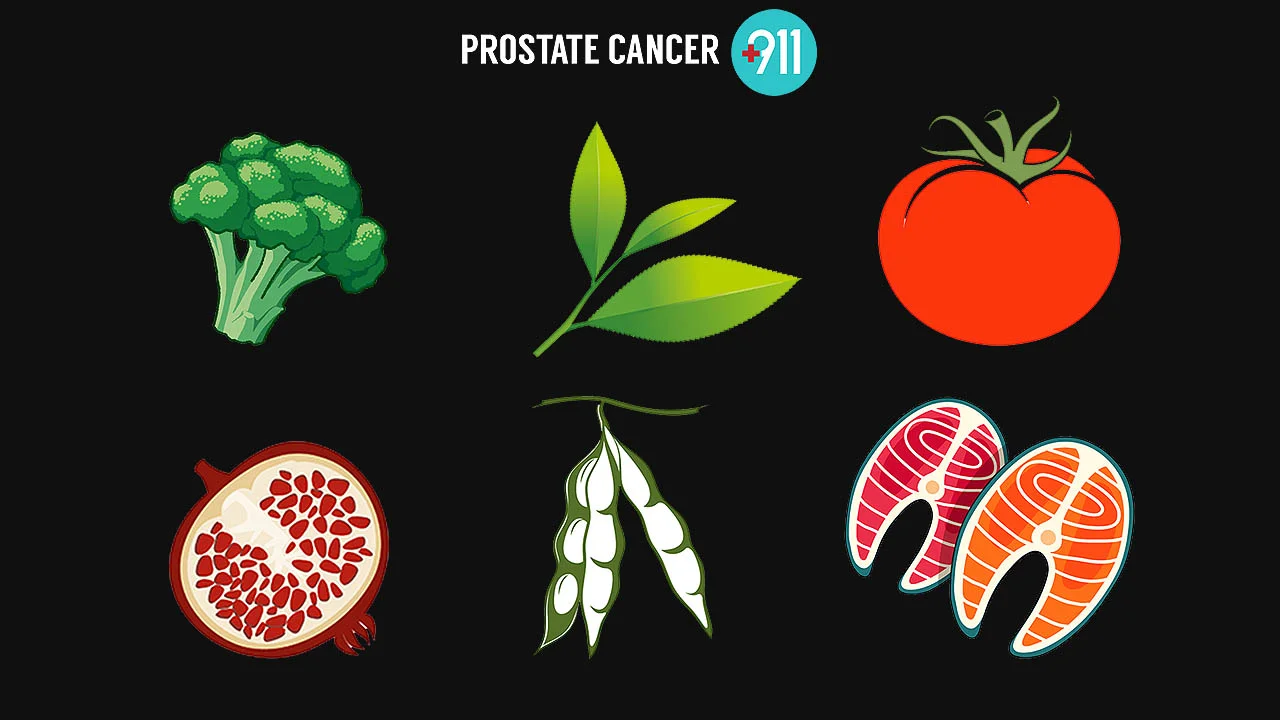
Men, who follow a nutritious dietary pattern fare much better in their treatment regimen – coping better with treatment side effects, quicker recovery and faster healing, and improvements in fighting off infections making men feel stronger, healthier and more energized.
Other likely areas prostate cancer may spread to are the bones or lymph nodes near the prostate and other organs such as the liver and intestines.
A man’s prostate gland lies just below the bladder and has the unique function of producing the fluid which protects and enriches sperm that makes up semen.
A biopsy is any type of procedure that involves taking a piece of tissue from the body to be examined under a microscope.
However, if prostate cancer is discovered in its early stages, it has a 98.9 percent survival rate as reported from the NCI.
We are a nation of anxious people. Ten percent of Americans take antidepressants, and more than 60 percent of those people have taken them for 2 years or longer.
Prostate cancer very often produces no symptoms, and the only way a man will know if he is in danger is as a result of a screening.
The type of treatment your doctor will suggest will depend on a number of different factors.
Learn more about your diagnosis: The first step is to fully understand the extent your diagnosis. Your doctor will establish this by determining the grade and stage of your prostate cancer.
Mark has now been 2 years cancer free, thanks to the prostatectomy performed by Dr. David Samadi and his team.
We are a nation of anxious people. Ten percent of Americans take antidepressants, and more than 60 percent of those people have taken them for 2 years or longer.
Prostate cancer very often produces no symptoms, and the only way a man will know if he is in danger is as a result of a screening.
The type of treatment your doctor will suggest will depend on a number of different factors.
Learn more about your diagnosis: The first step is to fully understand the extent your diagnosis. Your doctor will establish this by determining the grade and stage of your prostate cancer.
Mark has now been 2 years cancer free, thanks to the prostatectomy performed by Dr. David Samadi and his team.
















We are a nation of anxious people. Ten percent of Americans take antidepressants, and more than 60 percent of those people have taken them for 2 years or longer.