Smart ideas for keeping fit over the holidays
/
Here are ideas to keep you focused and disciplined on staying in shape so you’ll come through the holidays a fitness winner:
Read MoreHere are ideas to keep you focused and disciplined on staying in shape so you’ll come through the holidays a fitness winner:
Read MoreDecorate the house, buy gifts, wrap gifts, address holiday cards, make holiday treats, host a party, go to parties, attend children’s school holiday events….and the list goes on. Ever feel a little bit stressed out this time of year?
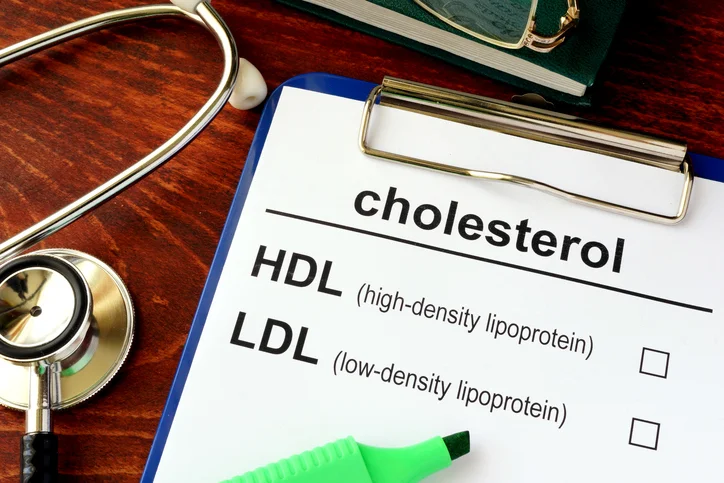
Read MoreOne of the major risk factors for heart disease is having a high blood cholesterol level. The higher the number, the greater your chance is for having a heart attack or stroke.
Read MoreHere are some ideas for practical yet thoughtful “health gifts” that can be enjoyed by all who receive them:
Read MoreHeart disease comes in many forms and is the leading cause of death for both men and women.
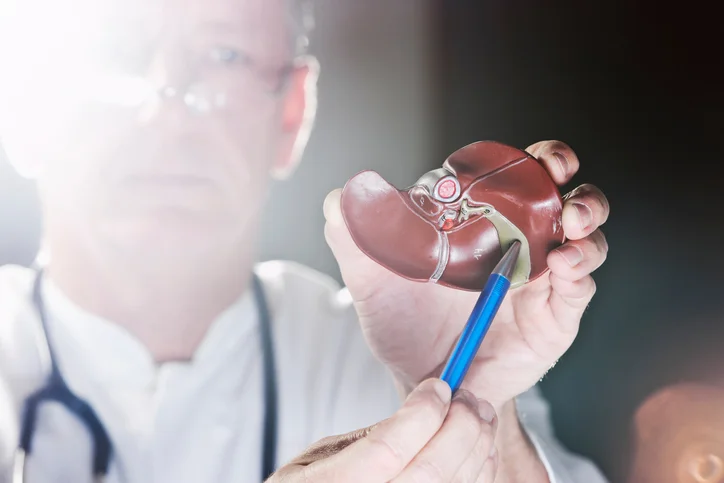
Read MoreMore than 25 million Americans have gallstones but only about 1-3% of the population will have symptoms over the course of a year.
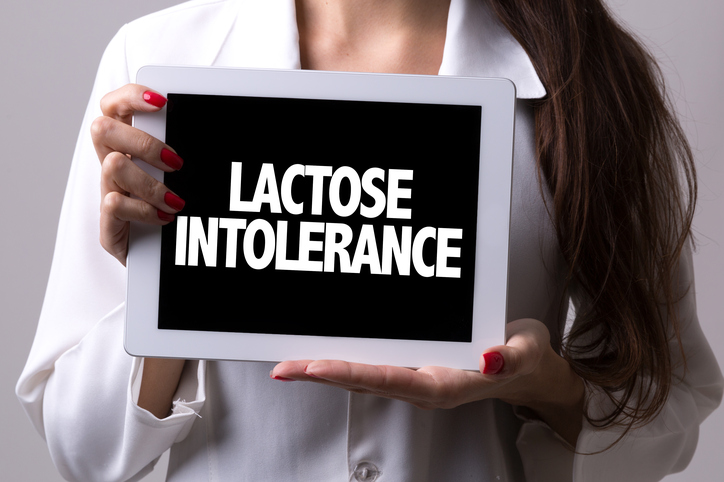
Read MoreWhen lactose is not broken down, it travels on into the large intestine, unabsorbed, where it is fermented resulting in unpleasant symptoms of cramping, bloating, and gassiness.
Read MoreFeeling sick and miserable with a cold or the flu is no fun any time of year but especially during cold weather when we are already cooped up inside for longer periods of time than ever.
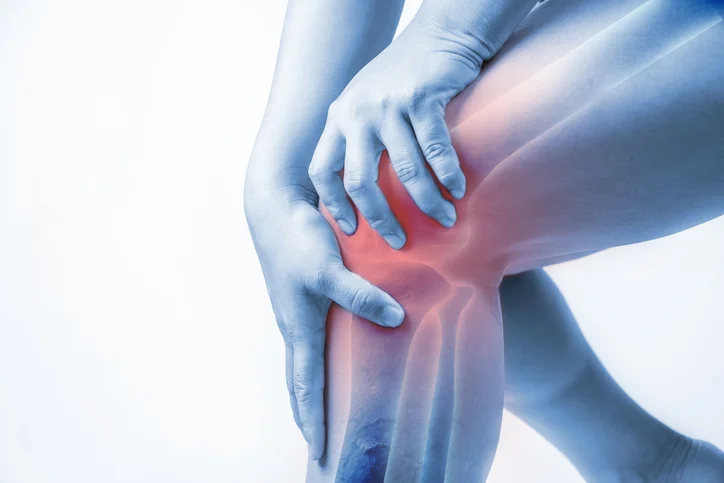
Read MoreHere are 8 ways to begin today keeping your knees in tip top shape getting you where you need to go:
Read MorePrevent eye infections by practicing good contact lenses habits
If you wear contact lens, are you avoiding bad contact lenses habits? How many of us have ever slept in lenses that are meant to be removed before bedtime, or jumped in a pool wearing our contacts, or worn them past their prescribed replacement date? If you can honestly answer “yes” to any of the above, you are at risk of a serious contact lenses-related eye infection.
The vast majority – 80 to 90 percent - of eye infections found in people who wear contact lenses are bacterial. One of the more common and tough-to-treat bacteria is known as staphylococcus aureus. The most severe infection one can get is pseudomonas aeruginosa. This fast-growing bacterial infection can actually lead to the development of a hole in your cornea which can lead to a good chance of permanent scarring and vision loss.
Other possible risks of poor contact lenses management are fungal infections such as aspergillus or fusariam which also are a potential threat to your vision.
The very best way with a high success rate in avoiding any type of infection for contact lenses wearers is to simply practice good contact lenses habits. Faithfully following your optometrist or ophthalmologist’s recommendations on caring for contact lenses is another very safe bet helping you avoid facing the possibility of an infection threatening your eye health and vision.
· Be alert to signs of an infection
Anytime there is something out-of-the ordinary with your eyes, it could be signaling an infection which includes the following:
· Red, painful eyes
· Watering or discharge from the eye(s)
· Sensitivity to light
· Blurred vision
· Sensation of a foreign body in the eye(s)
At the first sign of any of the above symptoms, get it checked out by your eye doctor immediately. Your vision is too important to risk long-term damage from an infection.
· Never sleep, swim, or shower in your lenses
Unless you have contacts in which you can sleep in, do not do so otherwise. If you are not for sure, ask your eye doctor.
Tap water or water in a swimming pool, hot tub, lake, pond, or ocean are potential hazards to your contact lenses. Water can contain pathogens or pollutants that can result in infections in your eyes if wearing your contacts. One particularly dangerous infection sometimes found in water is acanthamoeba keratitis which is caused by a free-swimming amoeba. This amoeba can cause visual impairment or even blindness.
· Avoid sleeping in contact lenses
This again, needs to be addressed with your eye doctor on what they recommend as there are some brands of contact lenses that can be worn for several weeks before replacing them. However, one of the biggest problems with sleeping or over-wearing the lenses is that your eye will not get sufficient oxygen. The added oxidative stress will make the eye more vulnerable to various bacteria and pathogens that can lead to infections, inflammation and abrasions to the eye.
Soft contact lenses are especially at risk as they create an ideal condition for pathogens to grow.
· Always store and disinfect lenses properly
Every single day throw out the solution your contact lenses have been sitting in during the night. Also be sure to replace lens cases at least once every three months. Keeping a case too long will only lead to a buildup of pathogens within the case.
· Consider using a hydrogen peroxide solution
One of the best and most efficient methods of reducing bacteria is to store contact lenses in a hydrogen peroxide-based solution. These solutions, which can be used daily, are sold in retail stores and are highly recommended by eye doctors.
Discuss with our eye doctor as to which one they recommend for your particular type of contact lenses. There are many different brands to choose from and some brands are geared for certain types of lenses. Generally the recommendation is to store and soak your lenses in this solution for at least six hours. Never put a hydrogen peroxide solution directly into your eyes as it will cause intense pain and burning.
If a person is outdoors in higher elevations, it is extremely important to wear sunscreen as snow reflects the sun at a higher level.
Read MoreHere are some ways in which to keep calm and carry on, curbing your anxiety when it rears its ugly head:
Read MoreVitamin C plays an important role in supporting the health of blood vessels leading to our eyes and is critical for maintaining good eye health.
Read MoreHowever, a growing number of expert health professionals do recommend between at least 250 milligrams (mg) to 1,000 mg of EPA and DHA per day and the primary source of these omega-3 fats are from fish.
Read MoreThe more inactive we are throughout the day, the greater the risk to your health for disease and an early death.
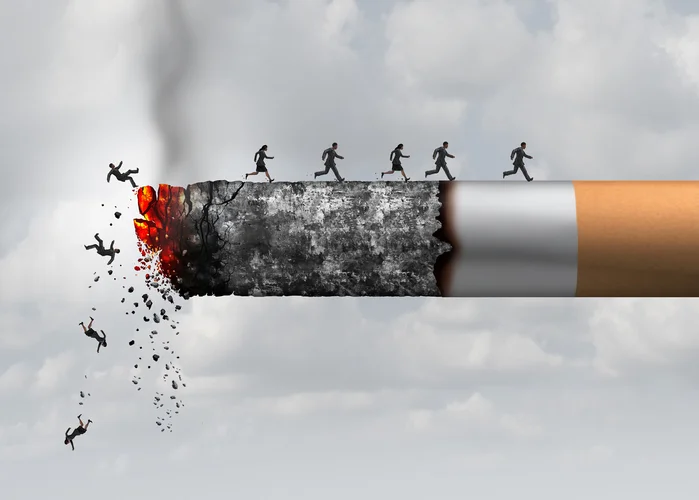
Read MoreHere are some tried-and-true methods that you will help you reach your goal to never take another drag on a cigarette again:
Read MoreMore than ever, health professionals understand the health benefits adequate sleep provides. Here are 8 ways your body will benefit when you sleep like a baby each night:
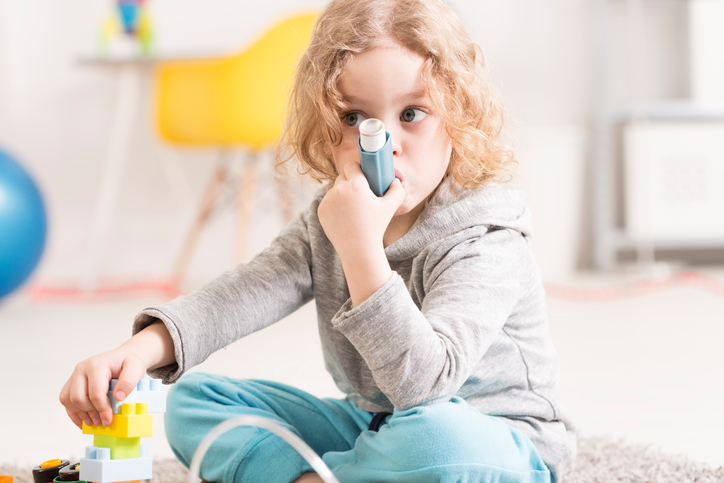
Read MoreThis chronic lung condition is where the air passages narrow and become inflamed making breathing very difficult and is a situation very few want to happen again.
Read MoreHalloween is a tricky annual celebration for health-conscious parents. Since getting candy is the focus and there is no “health food” category for this treat, the thought of candy overload makes Halloween can be an especially scary day.
Read MoreThink of it sort of like an early Christmas present since up to 35 percent of Americans report getting less than seven hours of sleep per night.
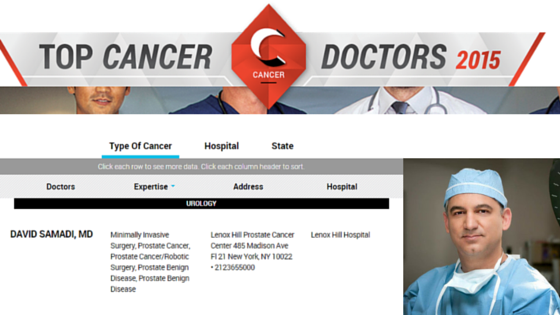
Read MoreDr. David B. Samadi's blog is the top online destination for everyday health tips, world health news, health technology, health investing, business of medicine, alternative medicine, health politics, and health pop culture. SamadiMD.com is also your go-to curated online source for the best health care and prevention tips, better sex life, healthy food, and men's health. Read the latest prevention news for all types of cancer such as prostate cancer, cervical cancer, bladder cancer, kidney cancer, breast cancer, testicular cancer, colon cancer and more. SamadiMD.com provides latest information on surgery techniques, how to pick the right surgeon, what to know before and after surgery and latest surgery industry news and information.