Health Benefits of Oolong Tea
/
Green tea is hardly oxidized at all, and black tea is oxidized until it is, well, black. That tea spectrum between green and black is where oolong resides.
Read More
Food and Diet. Find daily health food tips and ideas from Dr. David Samadi. Discover healthy food for healthy living. Explore major food issues and debates related to health such as buying and cooking with organic food, genetically modified food (GMO versus Non-GMO), nutrition, dieting epidemic, obesity, disease prevention, best digestion foods.
Green tea is hardly oxidized at all, and black tea is oxidized until it is, well, black. That tea spectrum between green and black is where oolong resides.
Read MoreYou may have been hearing a lot about kombucha, or seen it on the shelf at the supermarket or health food store. But do you actually know what this tea-like drink is? Kombucha is a fermented tea that is often marketed as a health drink. Because it is fermented, the tea has a distinct vinegary flavor.
Read MoreGreen tea is one of the healthiest drinks.
It is loaded with antioxidants, such as flavonoids and catechins. Antioxidants prevent cancer associated cells from attacking healthy cells and can decrease cancer risk. It can help protect against many types of cancer and also helps lower cholesterol, increase concentration and memory.
It is also a great addition to add to your diet because green tea increases fat burning and boosts metabolism. Previous studies have shown that drinking four cups of green tea a day have helped people lose more than six pounds over the course of two months. Other health benefits of green tea include improved brain function, increased energy, decreased risk of breast, prostate, and colorectal cancer, lowers your risk for Alzheimer’s disease and Parkinson’s disease, lowers your risk of infection and improves dental health as it kills bacteria, may lower your risk for Type 2 diabetes, may lower your risk for heart disease, may decrease your risk of dying, and lowers your risk for obesity.
One specific catechin, epigallocatechin-3-gallate (EGCG), is unique to green tea and is abundant as a result of the minimal processing through which green tea goes. Lab studies have shown that EGCG and a few other catechins can be more powerful than vitamins C and E in stopping oxidative damage to cells in addition to potentially having the ability to fight other diseases. Furthermore, it is thought that EGCG plays an important role in inhibiting DNA synthesis and cell replication, both imperative for the survival of cancer cells.
For these reasons, studies have shown associations between green tea consumption and a reduced risk for hyperlipidemia, hypertension, atherosclerosis, Parkinson's and several cancers including skin, breast, lung, colorectal, esophageal, stomach and prostate.
Before you read this article, go make yourself a cup of hot tea. You’ll be joining over 158 million other Americans who drink tea, hot or cold, on any given day. It is one of the healthiest beverages people have consumed for the past 5,000 years and is second only to water as the most widely consumed beverage in the world. Tea is an all-natural, environmentally sound product coming from a renewable source and tea manufacturers often use recycled paper for packaging.
Tea is naturally sodium, fat, calorie and sugar free. Tea contributes to good health in many ways – it helps maintain proper fluid balance in the body, it contains flavonoids that neutralize free radicals along with other antioxidant properties that appear to be good for heart health and reduce risk of cancer.
Hot tea does have some advantages over drinking cold tea. When tea is steeped, the hot water permeates into the tea leaves drawing out the flavonoids found in the leaves which contain powerful antioxidants. If you allow the tea to cool down, it loses some of that antioxidant content whereas drinking hot tea allows for maximum antioxidant effect. In addition, hot tea has a stronger aroma and flavor than cold tea.
Take time each day to have a cup or two of hot tea. It’s an excellent healthy alternative to other beverage choices such as sugary juice or soft drinks.
Listed below are several varieties of tea each with their own unique health properties to try out:
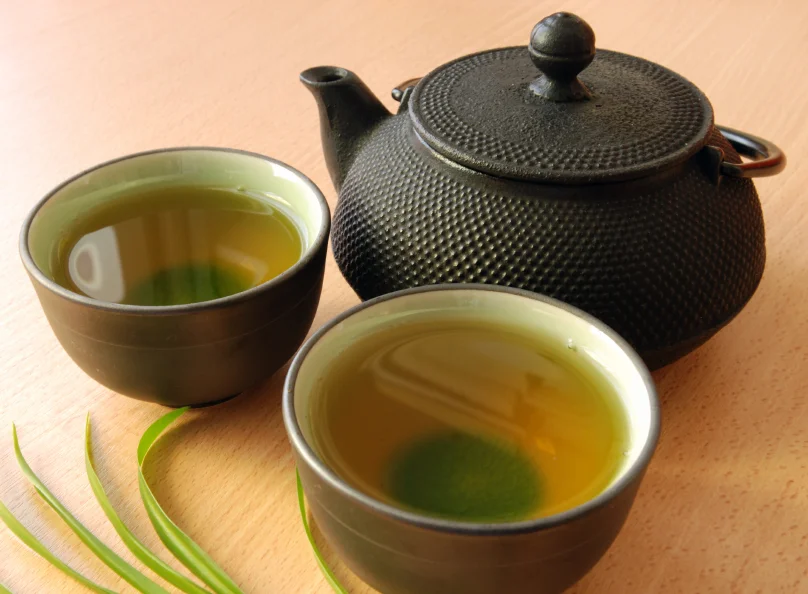
· Green Tea – Made from unfermented leaves, green tea contains the highest concentration of powerful antioxidants called polyphenols that fight free radicals damaging DNA and changing cells. In traditional Chinese medicine, green tea has been used as a stimulant, a diuretic to get rid of excess fluid in the body, and to improve heart health. A phytonutrient green tea contains is EGCG making it very effective at fighting cancers by inhibiting growth of cancer cells. It may also help prevent or slow down the progression of Alzheimer’s Disease. An 8 ounce cup contains 24-45 mg of caffeine.
· Black Tea – This tea is made from aged leaves and stems whereas green tea is made from fresh leaves of the Camellia sinesis plant. One 8 ounce cup provides anywhere from 14-70 mg of caffeine thus possibly affecting mental alertness and thinking. Black tea also contains powerful polyphenols helping to prevent tooth decay and kidney stones. The antioxidants in black tea prevent plaque from building up on the teeth leading to an added bonus of fresher breath.
· White Tea – Compared to green and black teas, white tea is the least processed and has the highest antioxidant levels. It has one of the lowest caffeine content at 15-20 mg per 8 ounce cup. The impressive antioxidant content of white tea performs various health functions ranging from preventing growth of cancer cells, lowering blood pressure, reducing cholesterol, improving bone density, naturally kills off bacteria and viruses, prevents tooth decay and promotes healthy, radiant skin. It has a flavor ranging from delicate to robust.
· Oolong Tea – This tea was used widely in China 400 years ago. It is a fermented tea that has combined qualities between green and black teas. One of the more common features of oolong tea is it being touted as aiding in weight loss. It contains a polyphenol that is effective in controlling metabolism of fat by activating certain enzymes that boost the functions of fat cells in the body. However, more studies need to be conducted before that can be determined. Oolong tea appears to possibly help reduce eczema, protects teeth from decay, strengthens bones, regulates blood sugar and insulin and may reduce cancer risk. Drinking 8 ounces of oolong tea will provide 30 mg of caffeine.
· Peppermint Tea – If you’re looking for a clean, fresh, invigorating taste from a tea, peppermint tea may just be your choice. This is an herbal tea sometimes called mint tea. Peppermint tea is caffeine free making it a relaxing tea to try before bedtime without disrupting sleep. Health benefits it provides include helping to reduce a fever as it contains menthol which can cause sweating to break the fever, can reduce chances of nausea and vomiting, can relieve coughing, bad breath, stress, and helps reduce the pain of cramps, bloating and indigestion.
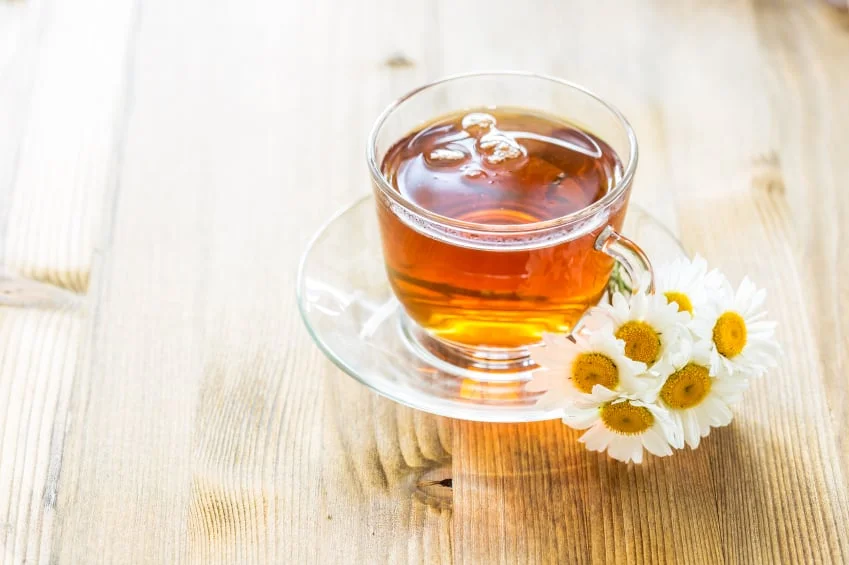
· Chamomile Tea – This caffeine-free tea is an herb coming from a flowering plant from the daisy family. For centuries, both the fresh and dried flowers of chamomile have been used to make tea to treat different health conditions. It contains an essential oil called bisabolol, having anti-irritant, anti-inflammatory and anti-microbial properties. Are you allergic to ragweed, pollen or hay fever? Chamomile tea may not be for you as it may cause severe symptoms and it can also interfere with blood thinners. Its health benefits include treating insomnia, anxiety, stomach cramps, migraine headaches, and reducing excess gas and bloating in the intestines associated with irritable bowel syndrome.
There are many other varieties of tea to try out – have fun discovering which ones you like best and in the process obtain the many health benefits each provides.