Replace saturated fats with healthier substitutions
/
Each day, every one of us must make choices when it comes to eating. If there is one area all of us can do our health a favor is to reduce our intake of saturated fat.
Read More
Food and Diet. Find daily health food tips and ideas from Dr. David Samadi. Discover healthy food for healthy living. Explore major food issues and debates related to health such as buying and cooking with organic food, genetically modified food (GMO versus Non-GMO), nutrition, dieting epidemic, obesity, disease prevention, best digestion foods.
Each day, every one of us must make choices when it comes to eating. If there is one area all of us can do our health a favor is to reduce our intake of saturated fat.
Read More1. Spinach. full of lutein which helps protect against macular degeneration, a leading cause of blindness. Research suggests that just a half cup of spinach daily also protects against heart attacks.
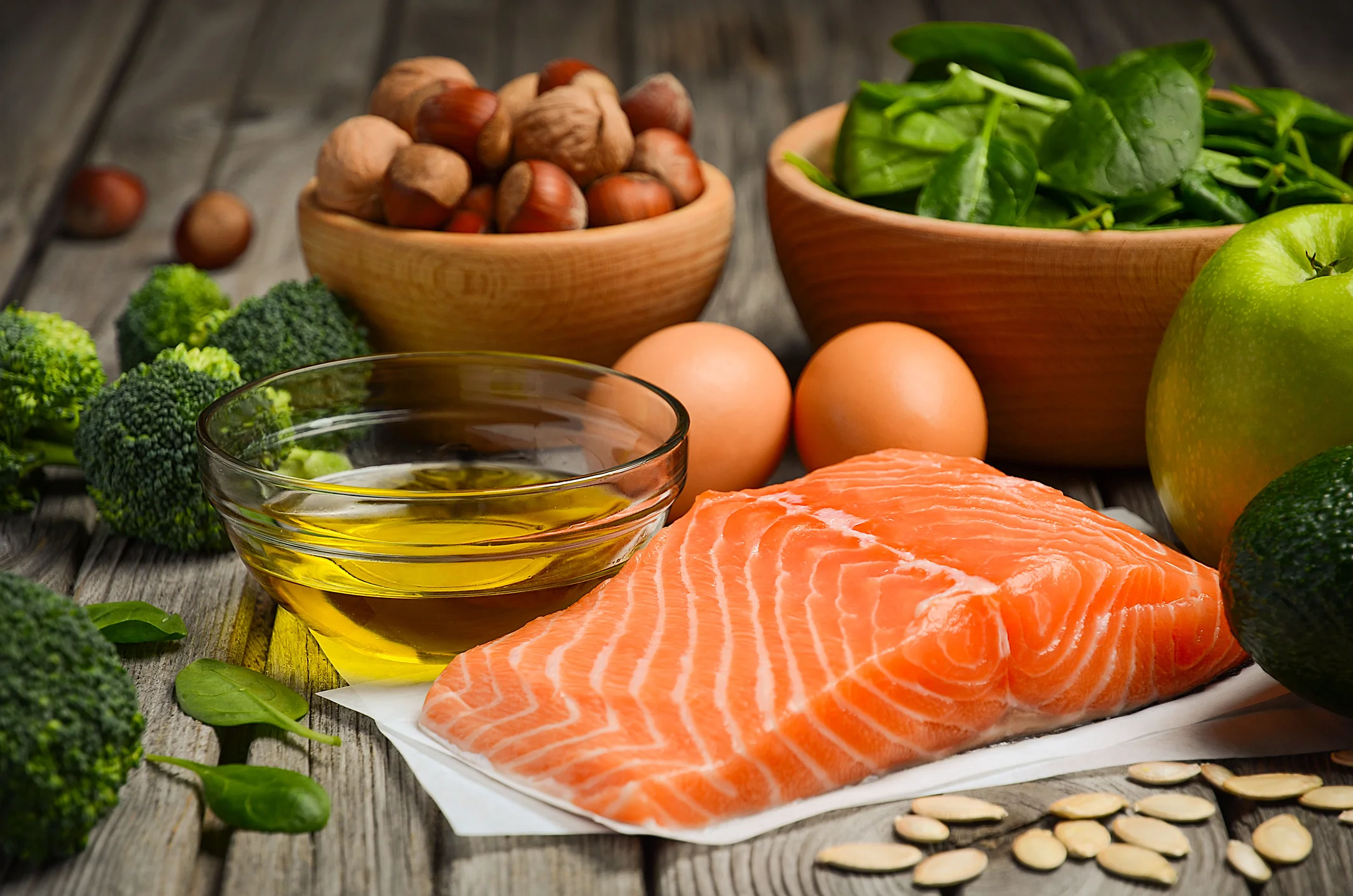
2. Salmon. Research shows that certain types of fat actually protect against high cholesterol. Omega-3 fatty acids are found in salmon which help lower "bad" LDL cholesterol, raise "good" HDL cholesterol, and lower triglycerides. The American Heart Association recommends eating at least two servings of fish every week, preferably fatty fish, by far the richest sources of fish-oil omega-3s.
3. Beans: Beans are rich in fiber and very high in cholesterol-lowering soluble fiber. By eating just a cup of any type of beans a day (kidney, navy, pinto, black, chickpea, or butter beans) you can lower cholesterol by as much as 10 percent in six weeks. Eat beans five or more times a week. The FDA and the National Cancer Institute recommend that adults get 25 to 30 g of fiber each day.
4. Soy. Reducing saturated fat is the most important dietary change you can make to cut blood cholesterol. Used as a replacement for meat and cheese, soy foods help your heart by slashing the amount of saturated fat that you eat. The FDA recommends getting at least 25 grams of soy protein each day. Consuming 25 grams of soy protein daily lowers high cholesterol.
5. Avocado. Avocados are an excellent source of monounsaturated fat. This is a type of fat that may actually help to raise levels of HDL while lowering levels of LDL. The American Heart Association recommends that you get up to 15 percent of your daily calories from monounsaturated fats like those contained in avocados.
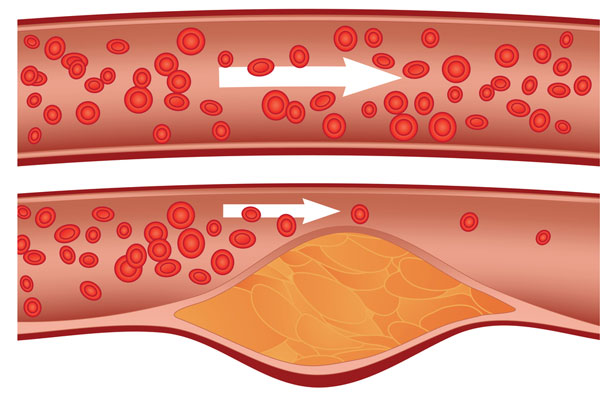
What is cholesterol? Cholesterol is a waxy, fat-like substance that is found in the body’s cells. Our bodies make cholesterol in order to make other substances like vitamin D or hormones. It also makes substances to help us digest food. Cholesterol is also found in the food we eat. Foods that we eat that contain cholesterol include poultry, meat, and dairy products. When we eat foods like this that are high in saturated and trans-fats, our livers produce even more cholesterol. When our bodies produce too much cholesterol, plaque develops in the walls of the arteries. This can lead to serious health conditions such as blood clots, stroke, or heart attack.
Read MoreMost of us would rather treat high cholesterol naturally if at all possible. But depending on your cholesterol level, many physicians will prescribe medication such as a statin. Statins can be effective in lowering cholesterol but may also cause adverse side effects for some individuals. First, always listen to your physician and never quit taking your medication without consulting them but do ask questions to thoroughly understand all the options that can be helpful in lowering your cholesterol.
Read MoreIn 1960, the American Heart Association recommended cholesterol levels of 300 or less. Then food labels were created and enforced in 1994. In 2010, warnings of high cholesterol resulting in stroke, diabetes and heart attack were advised. Now in February 2015, the nations top nutrition advisory panel announced the potential drop of their longstanding warnings about cholesterol levels.
Read MoreNew dietary guidelines are saying we shouldn't worry as much about cholesterol. I beg to differ. Read on for what you need to know.
Read MoreRecently sugar has come under fire as a culprit for a plethora of health concerns, ranging from cancer to obesity. The average American consumes approximately one third of a pound of sugar each day, translating into nearly 130 pounds of sugar per person every year. As a nation sugar usage exceeds 9 million tons a year.
Read More