8 affordable foods when money is tight
/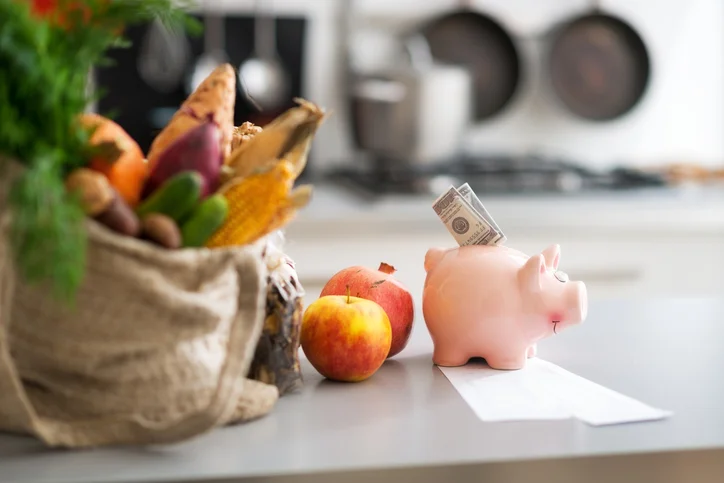
You may believe that eating healthy, nutritious foods is impossible on a tight budget. Actually, that is not true.
Read More
Food and Diet. Find daily health food tips and ideas from Dr. David Samadi. Discover healthy food for healthy living. Explore major food issues and debates related to health such as buying and cooking with organic food, genetically modified food (GMO versus Non-GMO), nutrition, dieting epidemic, obesity, disease prevention, best digestion foods.
You may believe that eating healthy, nutritious foods is impossible on a tight budget. Actually, that is not true.
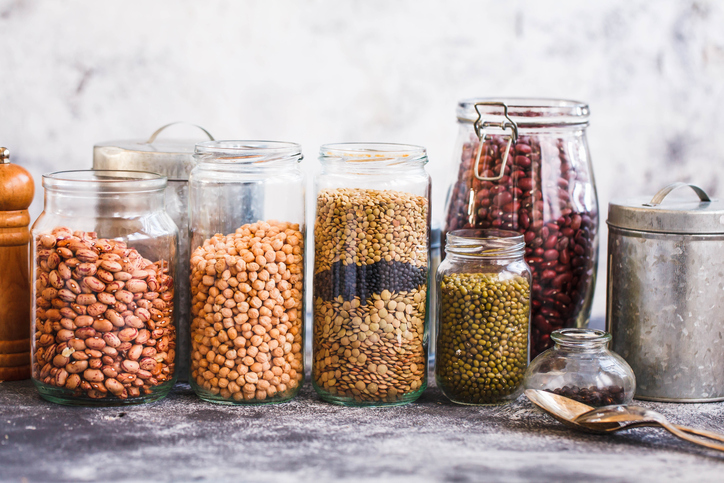
Read MoreLentils also provide riboflavin, niacin, pantothenic acid, magnesium, zinc, copper, and selenium. There’s a lot packed into those little seeds.
Read More
The old saying “Let food be thy medicine and medicine be thy food” credited to the Greek physician Hippocrates (circa. 460-370 B.C.), also considered the “father of medicine,” seems to have really practiced what he preached. He once prescribed a certain food substance for nearly everything from poor digestion, fatigue, respiratory issues, and parasites. This same food was even given to the first Olympic athletes in Ancient Greece to aid in their athletic performance.
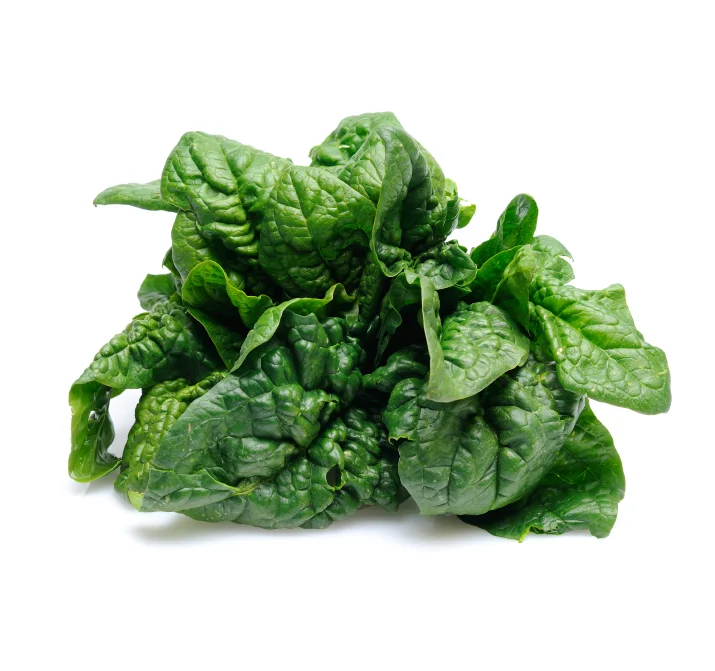
Read MoreSpinach is also rich in vitamin K, which bolsters bone-mineral density, thus protecting against osteoporosis, and reducing fracture rates.
Read MoreHave you ever started getting real snappy with people for no reason at all? Has it always been after not eating for a few hours? Do you feel instantly better once you have a meal? What you are experiencing is the feeling of being “hangry”, a real thing.
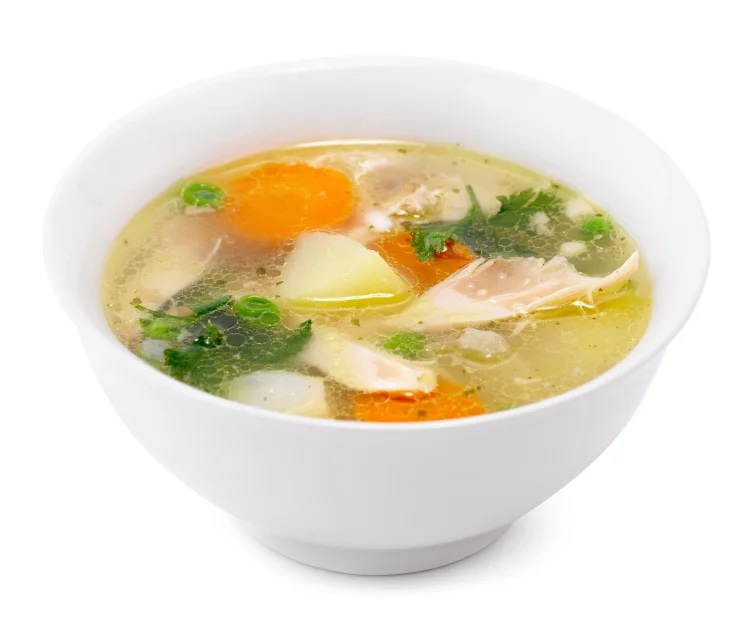
Read MoreChicken soup. Chicken soup helps you get the fluids you need to boost your immune system. Research shows that eating chicken soup can help with the healing process. When it’s hot, chicken soup can improve the way tiny hair-like parts in the passages of your nose protect your body from bacteria and viruses.
Read MoreWe carry up to 2 kilograms of microbes in our gut, and there are at least 1,000 species of bacteria consisting of over 3 million genes. Two thirds of the gut microbiome, or the population of microbes in the intestine, is unique to each individual. This means that the food that we put into our bodies gets processed a bit differently by each of us. It also means that our reaction to these foods that we eat to sustain us can vary.
Read MoreGarlic. Garlic has long been known for containing natural antibacterial properties. Prior research has found that eating more garlic is associated with a decreased risk of developing non-cancerous growths in the colon. Garlic contains natural compounds such as selenium and arginine, which have been known to have potential health benefits such as excreting harmful waste from the body. It is important to know how much garlic is good for you, as too much as cause other digestive problems.
Legumes. Legumes are excellent because they are low in fat and packed with protein. They are good for the colon because they provide the good bacteria via their healthy starches. They are also a good source of folate and antioxidants, and phytochemicals. Try to add some kidney beans to your meal the next time you sit down for dinner.
Flax seeds. Flax seeds do not look tasty right away but when added to things like smoothies, cereals, and whole grain products, they can be much more appealing. Flax seeds are packed with fiber and contain phytonutrients. They are great for helping to regulate bowel movements and are also a natural source of omega 3 fatty acids.
Dark leafy vegetables. Dark leafy vegetables that are good for the colon include spinach, collard greens, kale, and romaine. These green vegetables are packed with fiber which helps cleanse your colon. They also contain folate and a variety of vitamins and minerals. However, please remember that not all of these dark leafy greens contain the same amount of nutrients. For example, one cup of iceberg lettuce has almost no nutritional value, and it is mainly made up of water. What to remember when buying dark leafy greens: the darker the leaf the more beneficial it is for your colon and overall health.
Probiotics. Did you know that your entire colon is filled with bacteria and yeast? Good bacteria, that is. Good bacteria and yeast actually help to break down and eliminate waste from the body. They also make sure the bad bacteria stays out. It is important to maintain a good balance of these living organisms, otherwise you may suffer. People who have an imbalance in bacteria in their colon may have problems with digestion such as diarrhea or bloating. In this case, you may need some extra help to get these organisms balanced again. This can be done by getting more probiotics. You can find probiotics in fermented foods, such as yogurt or kefir.
1. Watermelon. Contains a high amount of fructose. Many people can't fully absorb fructose, which leads to bloating, gas, and sometimes diarrhea.
2. Artificial sweeteners. Sweeteners like sorbitol and xylitol absorb very slowly in the small intestine. This can cause gas, bloating, cramping, and sometimes diarrhea.
3. Muesli bars. A healthy snack bar which include protein isolate. This is derived from soybeans, which causes gas. Look for foods that do not have soy-derived ingredients.
4. Yogurt. Yogurt contains dairy, which has certain levels of lactose which gets fermented in your body and makes you bloat. Aim for plain Greek yogurt and avoid nonfat and low-fat yogurts as these often have more sugar which will make you feel gassy and bloated.
5. Grains. Grains like wheat and rye have non-digestible fructan. If you have a gluten intolerance, eating these grains causes an immune reaction which destroys the lining of the small intestine and leads to gas, bloating, diarrhea, and/or constipation.
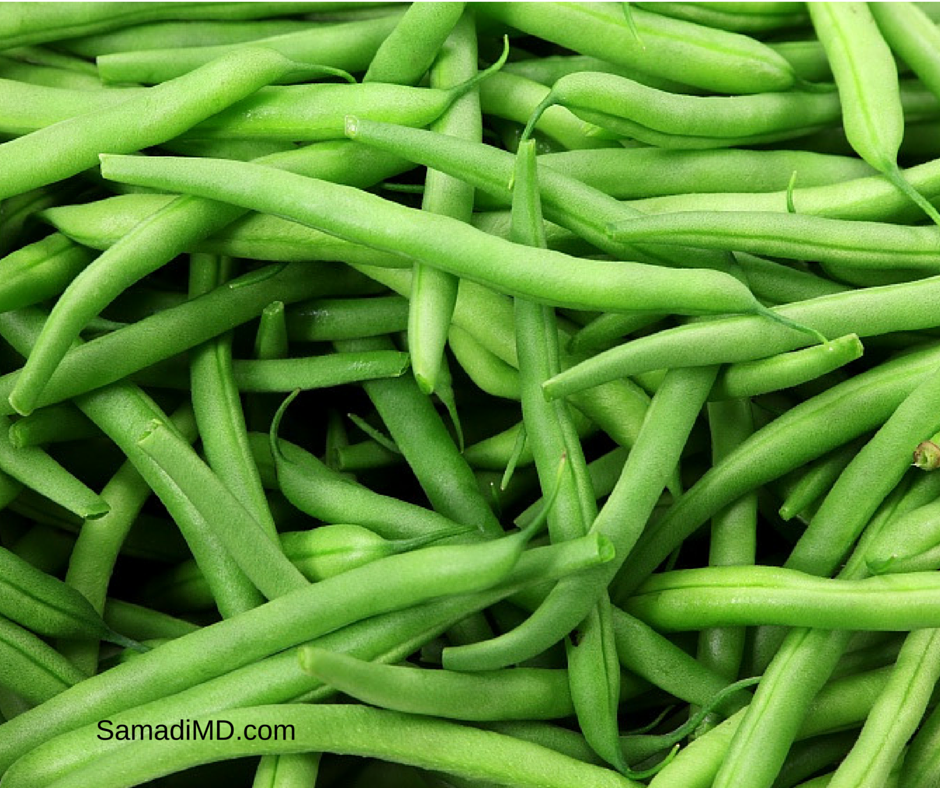
6. Beans. Filled with starch which makes you gassy and bloated. Try soaking the dried beans overnight. Hydrating them will break down some of the starch.
7. Onions. Onions contain a carb called fructan, which is poorly absorbed and causes increased water content in the intestine.
8. Dairy products: If you have trouble digesting lactose, this can lead to intestinal distress and bloating.
9. Gum. Sugarless chewing gum often contains sorbitol, a sugar alcohol which causes digestive distress. Look for sorbitol-free gum.
10. Vegetables. Veggies like brussels sprouts and broccoli all have a carbohydrate called raffinose. Because we don't make the enzyme needed to break down raffinose, it passes through the small intestine undigested. And when food enters the large intestine without being broken down first, it gets fermented by bacteria. This results in gas and bloating. Try roasting them instead.
There are so many diets and weight loss tips spouted each day online. Of course it gets confusing. But we want to start with the basics a.k.a. finding the foods that fill you up, keep you fuller longer and fuel the metabolism.
Read MoreFor many people, the waist is often the first place excess fat goes. Unfortunately, it is also one of the hardest areas on our bodies to lose weight. Having a “muffin top” is not only unappealing, but it is also unhealthy to have on our bodies. In fact, having excess belly, or abdominal, fat is worse than having excess fat on most other places on our body. Belly fat or visceral fat is a huge proponent of chronic diseases like heart disease and diabetes and can even bring on stroke. Here are 5 ways to a flatter stomach.
Read MoreMany people have jumped on the hot water with lemon first thing in the morning bandwagon but a new drink is proving to be even better to add to your daily routine. Enter magnesium water. You'll want to try this.
Read MoreEach year, the anti-aging skin care market generates over $2 billion in sales. We say drop those creams and look the food on your plate. Here's some to try. Let's fight aging.
Read MoreZero-calorie foods? Is that an oxymoron? Think again — We've got delicious and no-calorie foods to jump start your summer beach body. Get your grocery list out.
Read MoreThe Mediterranean diet is something we've discussed a lot. It's arguably one of the most healthy ways of eating. It's also eco-friendly.
Read MoreThere are many natural ways to build up a strong immune system. Here are 7 food to help boost your immunity.
Read More