7 foods perfect for creating satiety

7 foods perfect for creating satiety

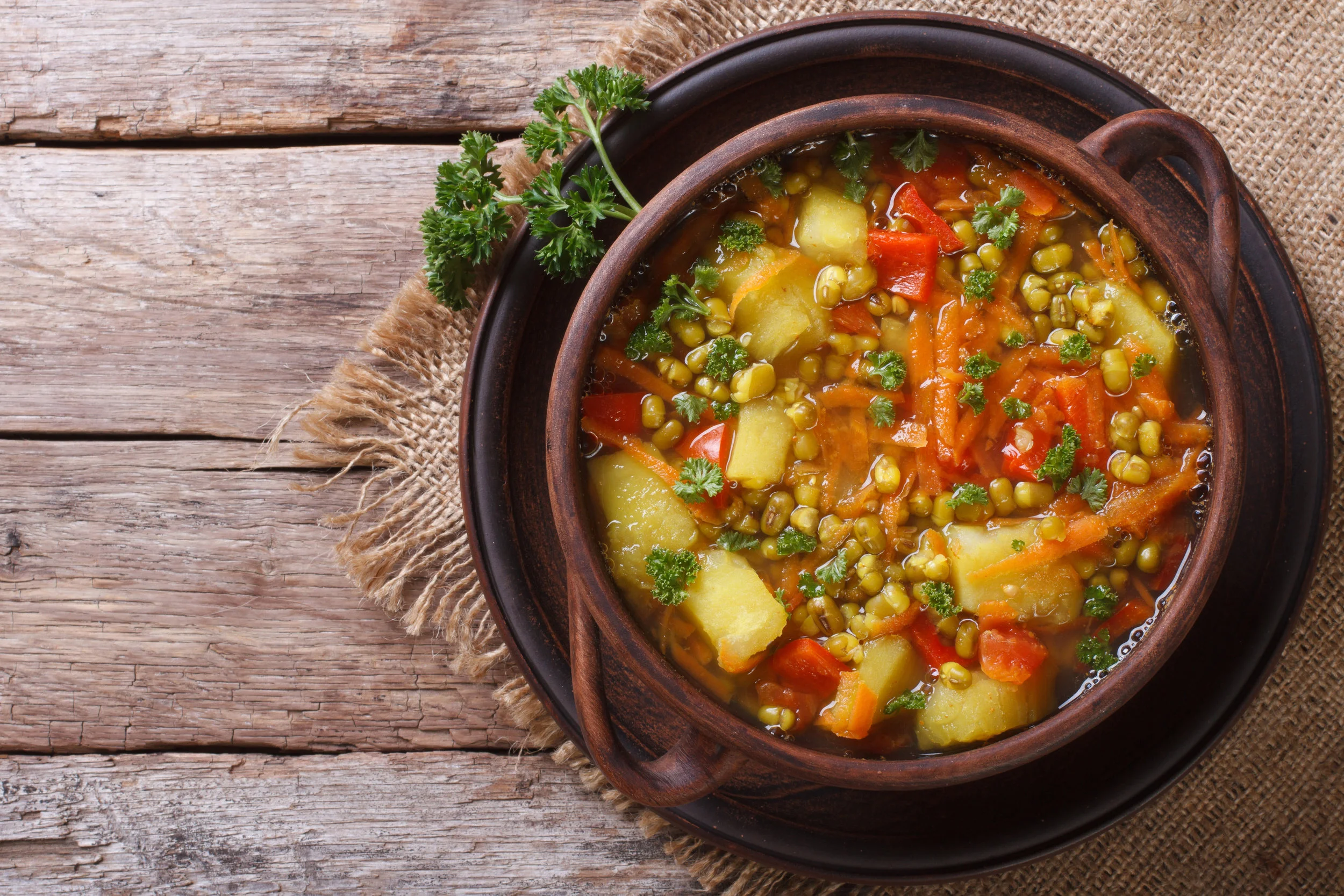
It’s a commonality we all share – finding healthy foods that create a full but not a stuffed feeling.  What we are really looking for are foods giving us a feeling of satiety - the perception of fullness that lingers in the hours after a meal and keeps us from eating until the next mealtime.

Read More

25 ideas to fill your plate with more fruits and veggies

25 ideas to fill your plate with more fruits and veggies

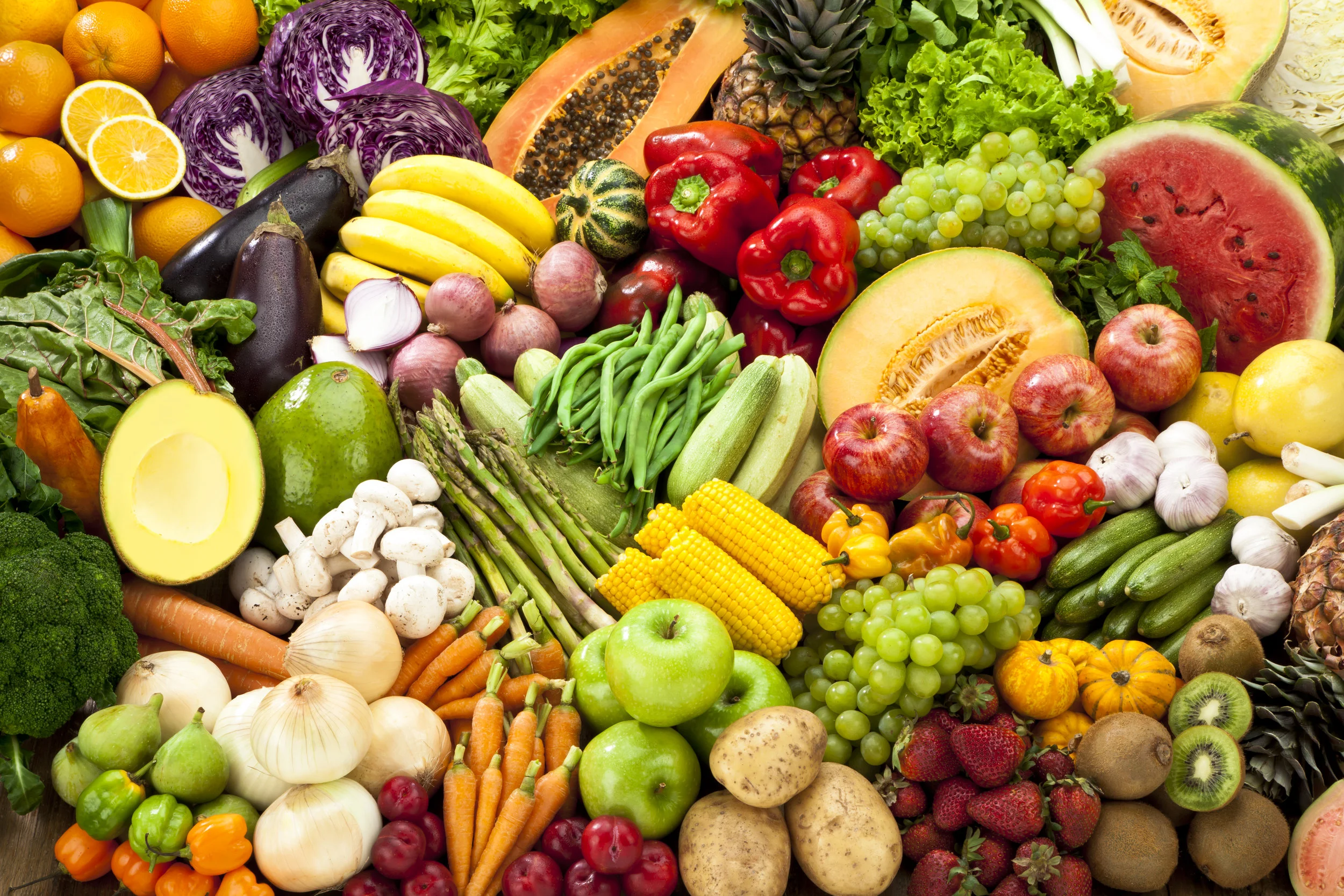
Next time you sit down to a meal notice how many fruits and veggies you have on your plate.  Is half of it filled with these disease fighting foods?  That’s what more of us need to do according to MyPlate.gov and they are right.  If you want to be a healthy person getting in the various vitamins, minerals, fiber, and phytochemicals our bodies need for nourishment and protection against chronic illness, the answer is staring you right in the face every time you walk by the produce aisle at the grocery store. 

Read More

An excellent source of fiber: whole grains

Any food made from wheat, rice, oats, corn, or another cereal is a grain product. This includes bread, pasta, oatmeal and grits are all grain products. There are two main types of grain products: whole grains and refined grains.

Whole grains contain the entire grain (bran, germ and endosperm). Ex: whole wheat, oats/oatmeal, rye, barley, corn, popcorn, brown rice, wild rice, buckwheat, triticale, bulgur, millet, quinoa, and sorghum. Refined grains have been ground into flour or meal which results in the bran and germ being removed. This gives grains a finer texture and improves their shelf life. This process removes some important nutrients, including B-vitamins, iron and dietary fiber. Ex: wheat flour, enriched bread and white rice.

Whole grains are nutritious because they have a lower glycemic index. They lead to a smaller rise and fall in blood-sugar levels after a meal than refined grains do. Including whole grains in your diet plan may help you reach or manage a healthy weight.

Whole grains contain important source of many nutrients:

·       Vitamin B1, Vitamin B2, Vitamin B3 and Vitamin B9

·       Folate (folic acid & B vitamin) helps the body form new cells and can prevent certain birth defects

·       Iron is used to carry oxygen in the blood

·       Magnesium is a mineral that is involved in more than 300 processes in the body.

·       Selenium is important for a healthy immune system and regulating thyroid hormone action

It is important to include a variety of grains in your eating plan because grains differ in their nutrient content. Whole grains can be a good source of fiber - refined grains usually are not

Choose whole grain foods that contain one of the following ingredients first on the label’s ingredient list:

·       Whole wheat, graham flour

·       Oatmeal

·       Whole oats

·       Brown rice

·       Wild rice

·       Whole-grain corn

·       Popcorn

·       Whole-grain barley

·       Whole-wheat bulgur and whole rye

High Fiber and Weight Loss

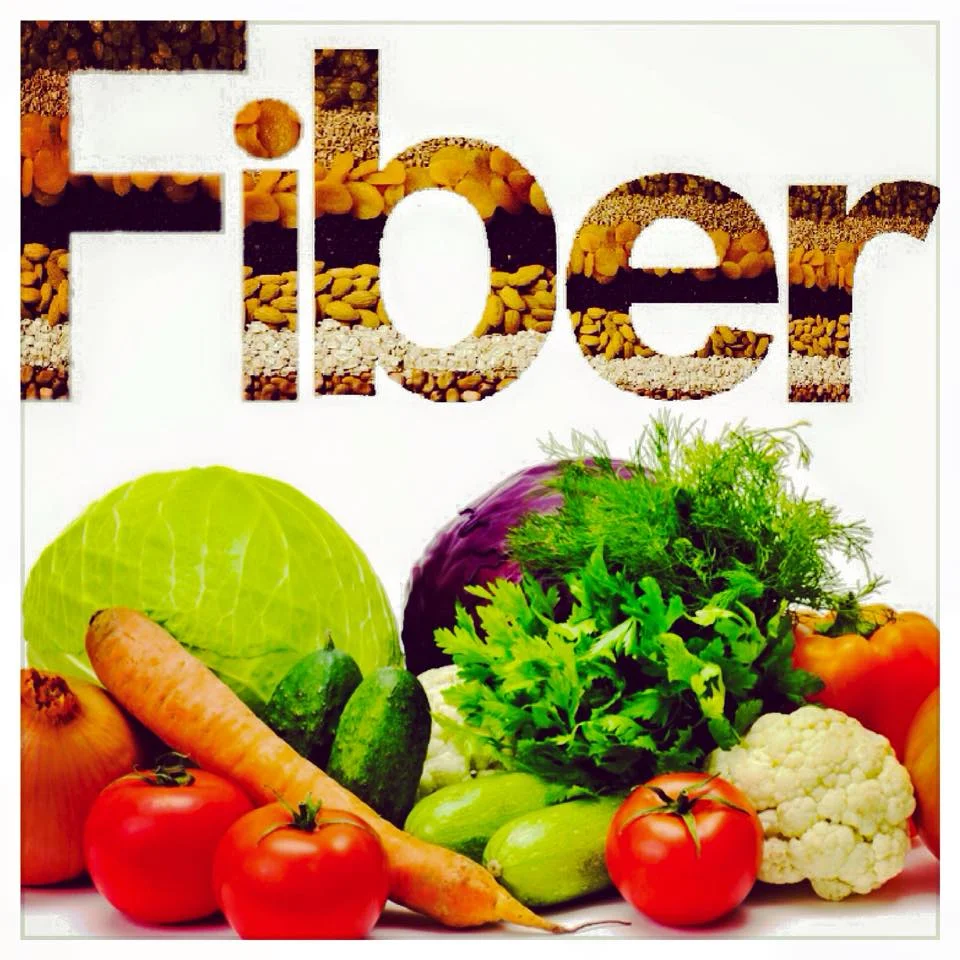
We've always known fiber to be an important part of a healthy diet. But what is it about fiber that makes it the secret to losing weight and keeping it off?  Fiber is a type of carbohydrate that the body can't digest. Though most carbohydrates are broken down into sugar molecules, fiber cannot be broken down into sugar molecules, and instead it passes through the body undigested. Fiber helps regulate the body's use of sugars, helping to keep hunger and blood sugar in check.

Aside from fiber’s regulatory benefits, high-fiber foods are rich in vitamins and essential nutrients, especially when compared to other food groups.  Fiber has been shown to lower blood cholesterol and blood pressure. As an added benefit, especially for keeping a healthy weight, fiber fills you up and keeps you feeling fuller longer. Recent studies have shown that people who added more fiber to their diet picked up other important healthy habits like exercising regularly.  So it seems that a simple high-fiber diet can provide immense health benefits and easier to stick to when compared to other diets that require multiple changes in eating habits.

The ease with which people can incorporate fiber into their diet makes it easy to stick to long term.  Many people struggle to follow complex dietary recommendations, with reason.  The easier something is, the more likely we are to stick to it.  When changes are too drastic, or involve an entire overhaul of or current lifestyle, these big changes often lead to falling off the wagon much sooner than anticipated. A simple diet that only requires you to increase your fiber intake may be an easier alternative and a great starting point for those who have tried many different diets and ways to lose weight.

In general, Americans have a lot of room for improvement when it comes to their fiber intake.  The truth is that fiber supplements do not provide the same health benefits as the natural fiber you get from whole foods.  Therefore, it is important to expand your fiber intake through high-fiber foods rather than only supplements. The recommended daily intake of fiber is between 25-30 grams.  Some of the best sources of fiber are fruits, vegetables, whole grains, nuts, seeds and beans.

Here are some of the best foods to add fiber to your diet, and support your weight loss goals:

·      Raspberries

·      Avocado

·      Chia seeds

·      Flaxseed meal

·      Oatmeal

·      Lentils

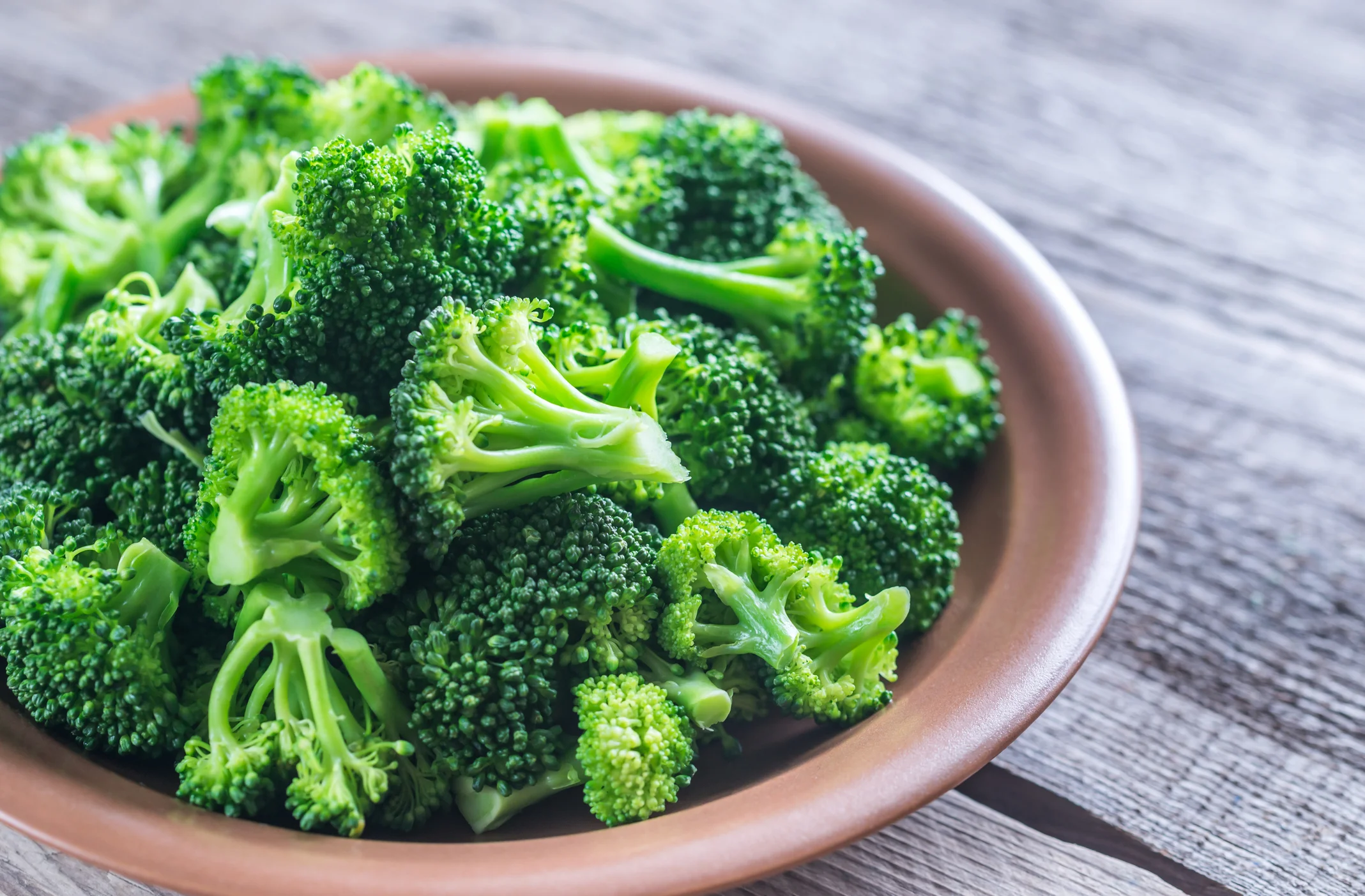
·      Broccoli

·      Cabbage

·      Apples

·      Brussel sprouts

Unexpected foods to help you lose weight

Unexpected foods to help you lose weight

It’s no secret that losing weight isn't easy; in fact, it can be downright frustrating. Contrary to popular belief, weight loss is not just about exercising vigorously or eating a diet of solely fruits and vegetables. Whether it’s because they speed up your metabolism or because they keep you feeling full, there are some foods that can help you lose weight, despite not being considered “healthy.”

Read More