Treatment for depression

Treatment for depression

People who suffer from depression often feel like there is no hope when it comes to finding a solution for how they feel. However, it is important for people who suffer from depression not to get discouraged. There are a number of treatment options that can help a person overcome feeling depressed. The first, and most important step is recognizing you have a problem and are willing to seek help. It is often very difficult for a person suffering from depression to overcome the condition on their own.

Read More

What is Depression?

What is Depression?

Depression is serious condition and a mood disorder that causes a person to feel constant feelings of sadness and a lack of interest. Depression is also known as major depressive disorder or clinical depression. The condition can be quite debilitating as it tends to take control of how you think, feel, and behave. This can cause a number of physical and emotional issues that can have a very negative affect on a person’s quality of life.

Read More

Oral Allergy Syndrome – Food, facts, and falsehoods

Oral Allergy Syndrome – Food, facts, and falsehoods

If you are someone who suffers from hay fever also called seasonal allergic rhinitis, you may also have experienced itchiness in your mouth, tongue or throat when eating certain foods such as watermelon, peaches or apples.  You may have determined that you are allergic to these foods when in reality, what you most likely have is oral allergy syndrome (OAS) also known as pollen-food syndrome.  OAS is considered to be a mild form of a food allergy.  The symptoms develop quickly after eating certain foods and rarely do they progress to a more serious reaction of severe throat swelling, difficulty breathing or a systemic reaction called anaphylaxis.

Read More

Thickness of bladder wall linked to bladder outlet obstruction

Thickness of bladder wall linked to bladder outlet obstruction

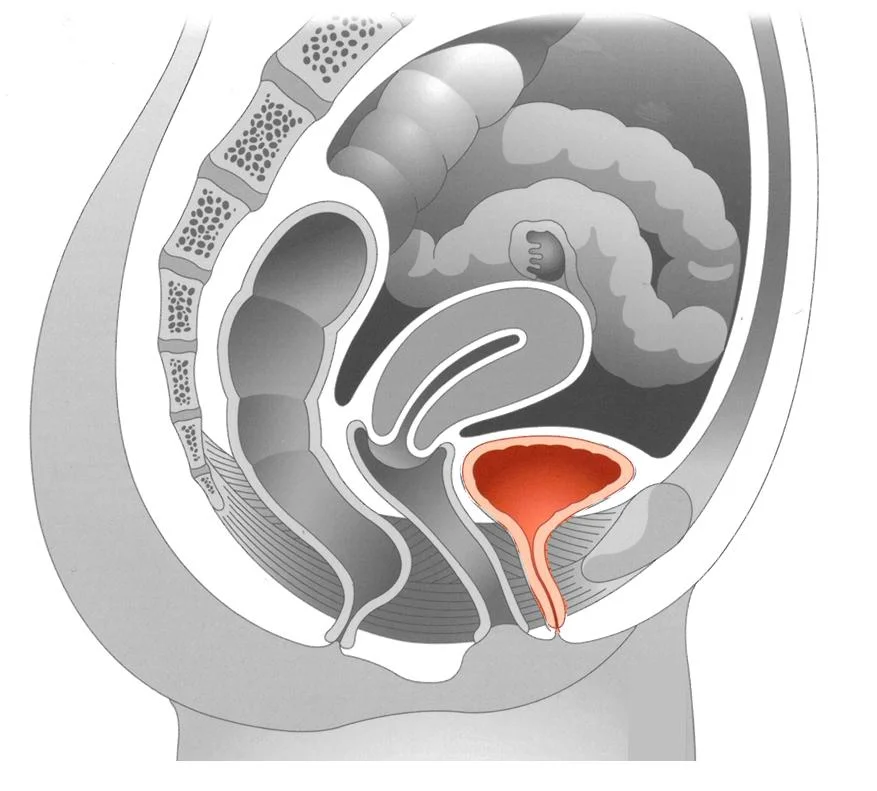
Bladder outlet obstruction is a condition in which the bladder neck becomes obstructed as a result of an abnormality. This prevents the bladder neck from completely opening during urination. Bladder outlet obstruction is common among men over the age of 50. However, the condition can occur among men of any age, as well as women.

Read More

What you should know about pancreatitis

What you should know about pancreatitis

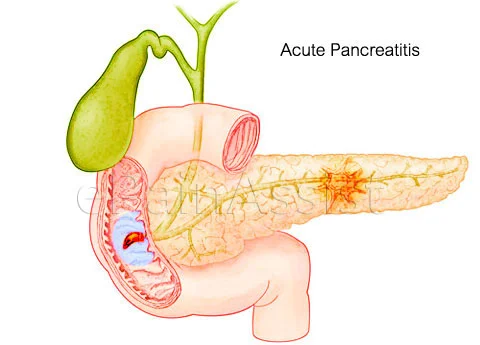
Symptoms of acute pancreatitis may include upper left abdominal pain that radiates to the back, fever, nausea and vomiting, increased heart rate, and swollen or tender abdomen. Symptoms of chronic pancreatitis may be similar, although the upper abdominal pain is usually more persistent and severe, weight loss may occur, and you may develop diabetes.

Read More

Do you have pancreatitis?

Do you have pancreatitis?

Pancreatitis is a disease that causes the pancreas to become inflamed. It can either be acute or chronic. Acute pancreatitis occurs when the pancreas becomes suddenly inflamed, which only lasts for a few days. Symptoms can be mild, severe, and even life-threatening. With proper treatment, acute pancreatitis can be treated. But if acute pancreatitis is left untreated, this can lead to infection, bleeding, cysts, or severe tissue damage, and can also being to affect the kidneys, heart, or lungs. 

Read More

Hepatitis C: Long-term effects

Hepatitis C: Long-term effects

Hepatitis C is a liver infection caused by a virus that causes inflammation. It is contagious and people get it when it is passed on when an infected person’s blood enters their body. This usually happens when people share needles when using illegal drugs like heroin. Most people don’t have any signs or symptoms, and therefore are unaware they even have it until it causes liver damage. The infection can progress for many years and cause life-threatening complications like cirrhosis, liver cancer, and liver failure. There are about 2.7 million people in the United States that are infected with hepatitis C.

Read More

Symptoms of a thyroid disorder

Symptoms of a thyroid disorder

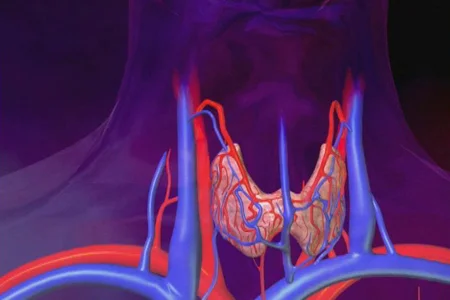
Two common thyroid conditions include hypothyroidism and hyperthyroidism. Hypothyroidism is when a person has an underactive thyroid. This occurs when the thyroid gland does not produce enough of certain hormones. Hyperthyroidism is when a person has an overactive thyroid. This is a condition that occurs when the thyroid gland produces too much of the hormone thyroxine. There are a number of signs and symptoms that may be associated with either of these conditions.

Read More

Local anesthetic toxicity

Local anesthetic toxicity

Local anesthetic toxicity is also known as local anesthetic systemic toxicity. This condition can occur when the levels of a local anesthesia in your blood are too high. Local anesthesia is often used during medical and dental procedures to help numb the area of the body that is being operated on. Local anesthesia is usually very safe. However, if you are given too much local anesthesia or it gets injected into your body too quickly into the veins, it can cause symptoms that are harmful. As a result, a person can develop local anesthetic toxicity. Local anesthetic toxicity can cause lightheadedness, confusion, dizziness, abnormal taste, loss of consciousness, or seizures. In cases that are severe, it can even cause death. It is estimated that about one in every 1,000 people who are operated on using local anesthesia may have some degree of local anesthetic toxicity.

Read More

Transcatheter Aortic Valve Replacement

Transcatheter Aortic Valve Replacement

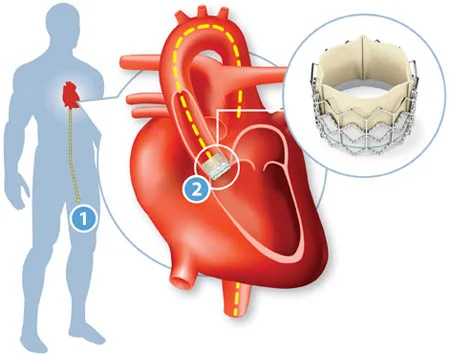
Transcatheter Aortic Valve Replacement is a type of procedure to treat aortic valve stenosis. Aortic valve stenosis occurs when there is a narrowing of the aortic valve in the heart. When the aortic valve becomes narrow, the valve is no longer able to fully open. This leads to an obstruction of blood from the heart to the aorta and throughout the rest of the body.

Read More

Treating Lactose Intolerance

Treating Lactose Intolerance

Lactose intolerance is a condition in which people are unable to completely digest lactose. Lactose is the sugar that is found in milk. Being lactose intolerant causes a number of embarrassing and uncomfortable symptoms such as gas, bloating, and diarrhea after eating or drinking dairy products. Lactose intolerance may also be known as lactose malabsorption. There are no serious complications associated with the condition and the symptoms can be managed. There are millions of people in the United States who have some degree of lactose intolerance.

Read More

Crohn's Disease and the Right Diet

Crohn's Disease and the Right Diet

Patients with Crohn's disease have found that specific foods can trigger intestinal symptoms when the disease flares. Patients who learn to avoid these foods can better manage the disease and live their daily lives. It also can help reduce gastointestinal symptoms and promote healing. Crohn's disease involves an immune reaction against the intestinal tract. With this condition, the small intestine is usually inflamed which leads to difficult digesting and absorbing key nutrients. A poor appetite can lead to malnutrition for people. It can result in taste bud alterations and reduced food and nutrient intake. 

Read More

Understanding What It's Like to Live With Ulcerative Colitis

Understanding What It's Like to Live With Ulcerative Colitis

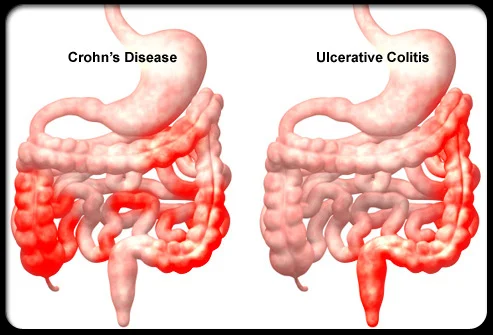
The two most common types of inflammatory bowel disease are Crohn’s disease and ulcerative colitis. Crohn’s disease causes inflammation in the lining of the digestive tract which can affect one or more areas of including the small intestine and large intestine. Ulcerative colitis is a condition that causes inflammation that is long-lasting and ulcers in the colon and rectum. 

Read More

Alzheimer's Disease At A Glance

Alzheimer's Disease At A Glance

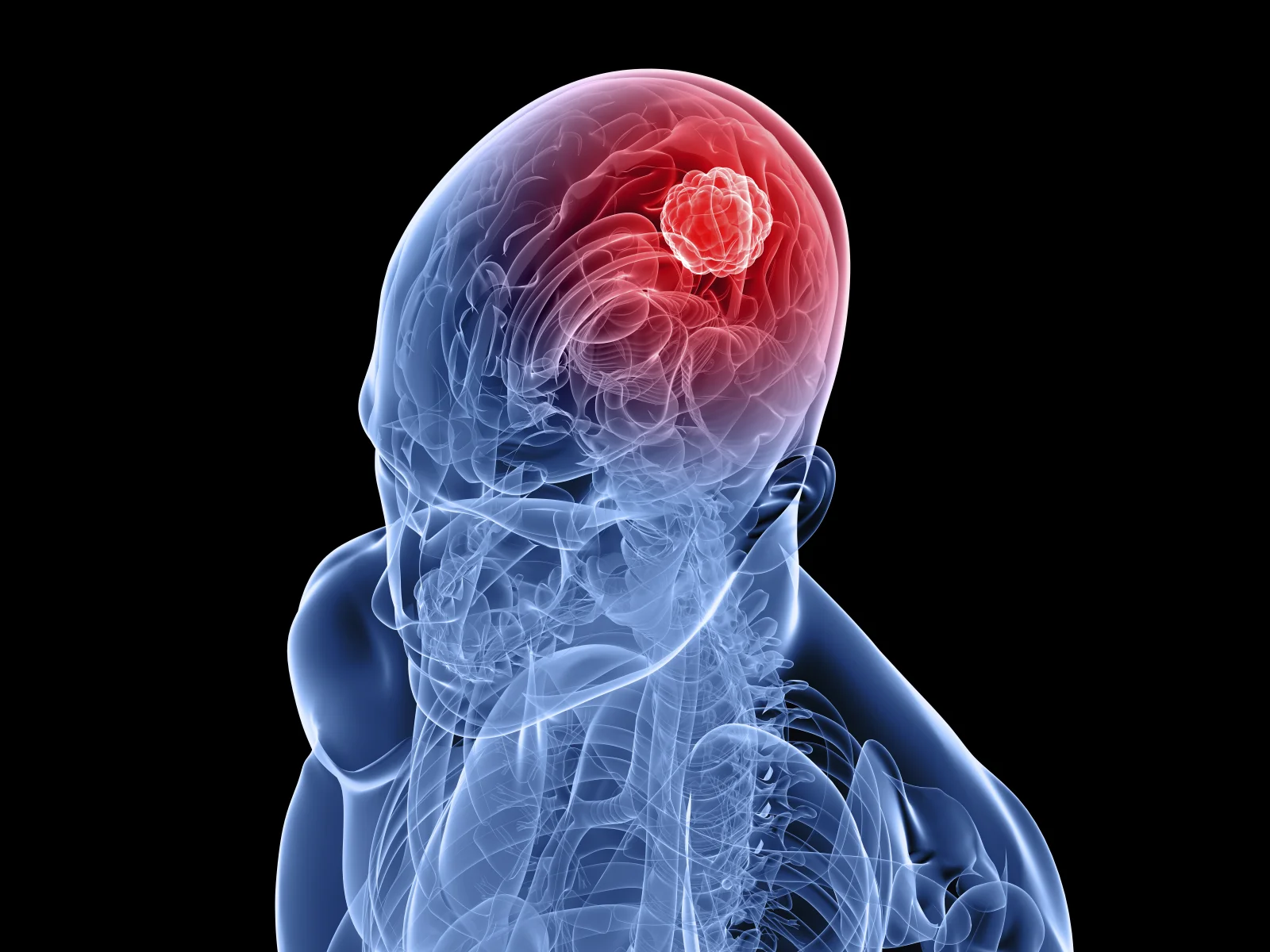
Alzheimer's disease is an irreversible, progressive brain disorder that gradually destroys a person’s memory, thinking ability, and other important mental functions. It is the most common cause of dementia in older adults. People often develop the condition around their mid-60s. With Alzheimer's disease, the brain cells degenerate and die. This causes a slow reduction in memory and mental function. Alzheimer's disease is currently listed as the sixth leading cause of death in the United States. It is estimated that about five million people in the United States have Alzheimer's disease.

Read More

What is interstitial cystitis?

What is interstitial cystitis?

Interstitial cystitis is a chronic bladder condition that causes pain and pressure in the bladder as well as pelvic pain. The condition is also known as painful bladder syndrome. Women are most often affected by this condition, however, men can develop it too. Having interstitial cystitis is usually long-term and can negatively affect your quality of life. Unfortunately, there is no cure for the condition. But there are a number of treatment options to manage the condition and help relieve some of the symptoms.

Read More

Learning About Irritable Bowel Syndrome

Learning About Irritable Bowel Syndrome

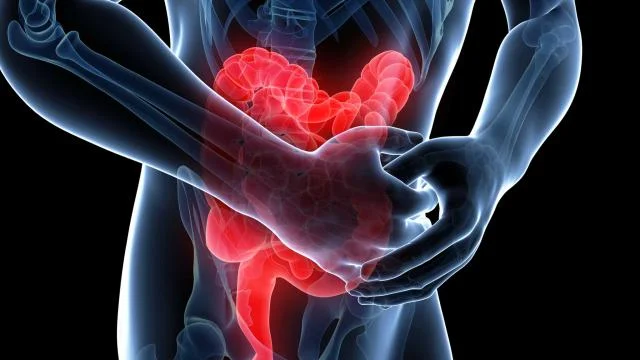
Irritable bowel syndrome, also known as IBS, is a common disorder that affects the colon, (aka large intestine). The condition causes a number of embarrassing and uncomfortable symptoms such as gas, constipation, cramping, abdominal pain, bloating, and diarrhea. Most people who are at risk for Irritable bowel syndrome usually begin to experience signs and symptoms before age 35. Women are more likely to suffer from irritable bowel syndrome than men are. Some people may only experience irritable bowel syndrome a few times in their life. However, some people may suffer from it for many years. It is estimated that about one in every five people in the United States suffers from has symptoms of irritable bowel syndrome.

Read More

Are you lactose intolerant?

Are you lactose intolerant?

Lactose intolerance is a condition in which people are unable to completely digest lactose. Lactose is the sugar that is found in milk. Being lactose intolerant causes a number of embarrassing and uncomfortable symptoms such as gas, bloating, and diarrhea after eating or drinking dairy products. Lactose intolerance may also be known as lactose malabsorption. There are no serious complications associated with the condition and the symptoms can be managed. There are millions of people in the United States who have some degree of lactose intolerance.

Read More

Common Signs of STDs

Common Signs of STDs

An STD is a sexually transmitted disease, also known as an STI or sexually transmitted infection.  These diseases or infections are spread via sexual contact from one partner to the next.  This sexual contact can occur in many ways such as orally, vaginally, anally, or from hand to genital interaction. Our first line of defense against these STDs is to practice safe sex, using abstinence, condoms, and getting checked regularly. Unfortunately this is not always enough, so recognizing the symptoms of the most common STDs can get you treatment fast and stop further spreading to others. 

Read More

Health Tips For Those Living With Chronic Disease

Health Tips For Those Living With Chronic Disease

Chronic illnesses such as diabetes, heart disease and fibromyalgia or autoimmune diseases can affect every aspect of your life, if you let it. Oftentimes, people diagnosed with a lifelong disease can become quite depressed and psychologically speaking, not well. The important thing is to stay positive and continue living your life. Now, obviously this is easier said than done, but it can really help you feel like you're living in your normal day-to-day. Here are some tips to improve your lifestyle in spite of this diagnosis. 

Read More

Unpacking the Debilitating Condition that is Fibromyalgia

Unpacking the Debilitating Condition that is Fibromyalgia

Fibromyalgia is a chronic condition that is characterized by widespread musculoskeletal pain, fatigue, sleep, mood, and memory issues. It is estimated that the condition affects about ten million people in the United States. Women are much more likely to develop fibromyalgia than are men. Fibromyalgia is not completely understood, but it is believed that the condition causes pain as a result of the way the brain processes pain signals.

Read More