Do You Suffer From Painful Bladder Syndrome?
/Interstitial cystitis, or painful bladder syndrome is a chronic bladder condition that’s associated with pain, pressure, or discomfort that stems from the bladder.
Read MoreInterstitial cystitis, or painful bladder syndrome is a chronic bladder condition that’s associated with pain, pressure, or discomfort that stems from the bladder.
Read MoreThis infection is carried in the saliva of about 40 percent of cats at one point during their nine lives. The cats themselves show no indication of any illness, and most people contract it after being scratched or bitten by the feline carrier.
Read MoreAn autoimmune disease is a disease that comes from an abnormal immune response, essentially causing the body to mistakenly attack itself.
Read MoreDepression is a common mental health problem. In 2002, World Health Organization considered depression the fourth most common cause of disability in society. Dietary factors have an important role in depression.
Read MoreIdentifying that you have acid reflux can be tricky, as many of the symptoms are not obvious or can be easily mistaken for something else, like a heart attack or common cold. However, if left untreated, acid reflux can cause esophagitis, a painful irritation of the esophagus that can lead to bleeding, ulcers and scarring in the esophagus.
Read MoreLynch syndrome is an inherited disorder that increase your risk for many cancer, especially colon cancer. Because of its strong associated with colon cancer, it is often called hereditary nonpolyposis colorectal cancer, or HNPCC.
Read MoreCrohn's disease is an inflammatory bowel diseases for which there is no cure. In the developed world it affects 3.2 people in a thousand, but is not as common in Asia and Africa.
Read MoreAnemia is a condition in which the body lacks enough healthy red blood cells to carry sufficient oxygen to the body's tissues. If you are afflicted by with anemia, you feel tired and weak – hence the PDR/NY Times crossover.
Read MoreThe “murmur” itself is descriptive of the sound the blood makes passing through a problematic heart valve, or as a result of your heart beating exceptionally fast. Heart murmurs can be heard in people who are pregnant; or have high blood pressure, an overactive thyroid, or a fever.
Read MoreTypical symptoms of listeria include, fever and muscle aches, sometimes preceded by diarrhea or other gastrointestinal symptoms. Additional symptoms include headache, stiff neck, confusion, loss of balance, and convulsions.
Read MoreGout occurs when urate crystals accumulate in your joint. These crystals gather when you have high levels of uric acid in your blood.
Read MorePTSD is characterized by re-experiencing the trauma, emotional numbing, avoidance behaviors and persistent hyperarousal. These can all lead to considerable social, occupational and interpersonal dysfunction.
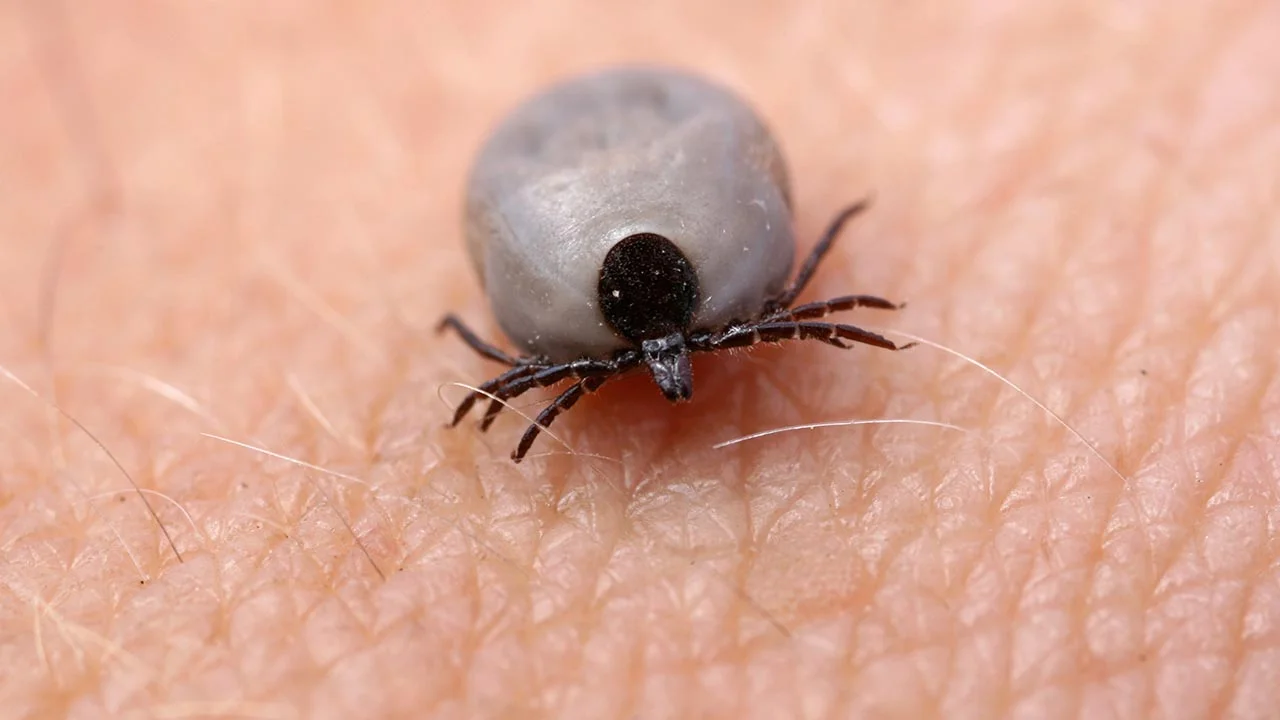
Read MoreEarly prevention and treatment is important when dealing with Lyme disease, as the symptoms get progressively worse and more serious as time goes on.
Read MoreShingles is characterized by painful vesicular rash, featuring small blisters on the skin. This rash is usually restricted to a horizontal band around the torso.
Read MoreFibromyalgia is a tough one. A chronic condition that affects nearly 5 million Americans, and an estimated 2 to 8 percent of the general population.
Read MoreMany people have felt the sensation of heartburn, but what exactly is acid reflux?
Read MoreThere are some serious side effects associated with statins, which often go overlooked.
Read MoreThe second largest organ in your body, your liver, is sort of a jack of all trades. It can process what you eat and drink into energy, makes cholesterol, stores various vitamins and minerals, removes bilirubin from the blood along with other harmful substances, makes bile to help digest fat, and regulates the composition of blood. This football shaped tireless organ is located on the right side of the body under the rib cage and weighs about 3 pounds. It needs to be treated with tender loving care to keep it healthy and your body running smoothly
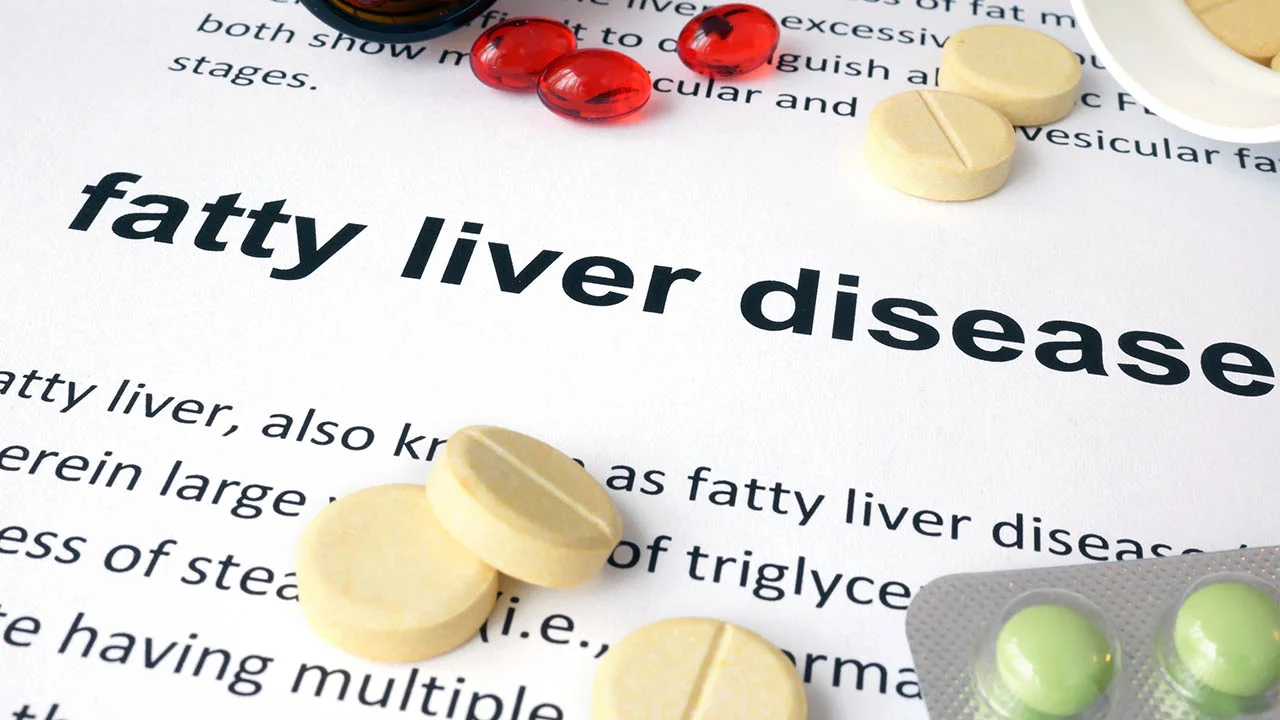
But, sometimes things can go wrong with the liver one of them being liver disease. Liver disease is often associated with severe problems due to cirrhosis brought on by chronic alcoholism or the necessity of requiring a liver transplant. The focus here is on another type of liver disease called nonalcoholic fatty liver disease (NAFLD).
NAFLD is the buildup of extra fat or triglycerides in liver cells not caused by alcohol. The liver normally contains some fat but if more than 5-10% of the liver’s weight is fat, it is then called a fatty liver. It can range from simple steatosis which is excessive fat accumulation to steatohepatitis which is liver cell injury and inflammation. When there is excessive dietary fat for the liver to process, it can get overtaxed by the fat accumulation leading to scarring, inflammation, fibrosis, and cirrhosis – the progressive stages of NAFLD.
Who is at risk for NAFLD?
NAFLD is more likely to develop in those who are overweight to obese, have diabetes, high cholesterol or high triglycerides. Individuals who have rapidly lost weight and have poor eating habits are also candidates to develop NAFLD. NAFLD is the most common chronic liver disease in adults in developed countries. In fact, 34% of adults in the United States have NAFLD. There has been a steady rise in NAFLD over the years and it is believed to be due to the progression of obesity. NAFLD is directly associated with and proportional to the degree of obesity, particularly abdominal fat.
What are the symptoms of NAFLD?
Usually there are no symptoms of NAFLD. But if symptoms do occur, they include weakness, fatigue, weight loss, loss of appetite, nausea, abdominal pain, spider-like blood vessels, jaundice or yellowing of the skin or eyes, itching, fluid buildup, and swelling of the legs (edema) and abdomen (ascites), and mental confusion.
Why is NAFLD risky?
The risks of NAFLD include swelling of the liver (steatohepatitis) which over time can cause cirrhosis which could lead to liver cancer or liver failure.
How is NAFLD treated?
There are no specific medications or treatments for NAFLD at this time. The focus is mainly on improving lifestyle behaviors, particularly diet and exercise. The most effective treatment is sustained weight loss. Here are other methods of treating NAFLD – the earlier it is diagnosed and lifestyle changes begun, it may help prevent liver damage from happening or reverse it in the early stages:
· Weight loss is a critical step in reversing the course of NAFLD. A 5% weight loss is believed to improve steatosis while a 10% weight loss is necessary to improve steatohepatitis.
· Reduce calories coming from saturated and total fat. This means stay away from fatty cuts of meat and read food labels looking at the amount of saturated and trans fats within a serving. Many people with NAFLD have lower intakes of the healthy omega-3 fatty acids and should choose foods rich in this type of fat.
· Reduce intake of foods containing excess sugar, particularly sugar-sweetened beverages that contain the simple sugar fructose and high fructose corn syrup.
· Increase physical activity. Physical inactivity leads to decreases insulin sensitivity and increased abdominal fat along with increasing the risk of metabolic syndrome. The recommendation is five times weekly of aerobic exercise of moderate to vigorous intensity lasting at least 30 minutes along with twice weekly resistance training.
· If weight loss is difficult to achieve or maintain, a person may need to consider bariatric surgery if they qualify. Bariatric surgery is one of the most effective strategies to help people who are obese to lose the weight they need to. Studies have shown that weight lost achieved through bariatric surgery did help reduce NAFLD.
In summary
The first line of therapy for anyone with NAFLD is lifestyle changes through diet and exercise. Weight loss, increasing physical activity, reducing sugar intake and consuming a healthier total fat composition all should be used to treat NAFLD on a long-term basis. To prevent it, individuals need to maintain a healthy weight, eat a healthy diet, exercise regularly, and limit alcohol. Sounds simple but they all need to be practiced on a consistent, regular basis in order to prevent and/or treat a condition too many people have and may not even know it.
Anyone with diagnosed with diabetes must practice healthy lifestyle behaviors to avoid serious medical complications. This chronic condition and the 7th leading cause of death in the United States can easily lead to major health problems disrupting a person’s quality of life unless they take the necessary steps it takes to prevent from happening.
The numerous health complications include:
· Hypoglycemia
· Hypertension
· Dyslipidemia
· Cardiovascular disease with an increased risk of strokes and heart attacks
· Blindness and eye problems
· Kidney problems
· Amputations
· Erectile dysfunction in men
· Slow healing of wounds due to poor circulation
Here are the six self-care behaviors all diabetics can begin today to lead a long, healthy life:
1. Choose healthy foods
· Choose plenty of fruits, vegetables, whole grains, legumes, fish, poultry, lean meat and low-fat dairy.
· Limit pre-packaged foods, fried foods and fast foods.
· Follow a prescribed carbohydrate controlled meal plan designed for you.
· Limit added sugars found in desserts and sweetened beverages.
· Have consistent meals and snacks with moderate portion sizes.
· Avoid skipping meals
· Choose water as your main beverage.
2. Become and stay physically active
· Find an exercise you enjoy doing and make it a daily part of your life.
· Exercise for at least 30 minutes most days of the week if not everyday.
3. Monitor blood glucose regularly
· Follow your physician’s advice on how frequently you should monitor your blood glucose. It could be several times each week, once a day or several times a day.
· Record the readings in a log booklet and take it with you to review with your physician at each visit.
4. Take all prescribed medications
· The diabetes medication prescribed to you must be taken regularly. If the medication is causing side effects, let your physician know this.
· Have a good understanding of the medications action, side effects, dosage and timing of action.
· It is not unusual to have changes made in diabetes medications so be sure to know why changes are being made.
5. Be proactive
· Quit smoking and have regular eye, foot, and dental exams
· Set a goal to have your HgbA1C be <7% and your blood pressure <140/90.
· If offered, attend any and/or all diabetes education classes taught by certified diabetes educators.
· Meet with a Registered Dietitian to have a complete understanding of what and how to eat to best control your blood glucose levels.
6. Reduce stress
· The first step is to recognize the signs of stress
· As best as you can, try to prevent or avoid stress and stressful situations and learn to relax
· Get support from other by joining a diabetes support group. Ask your physician for contacts or call your local diabetes state office for more information.