Could you be at risk for hepatitis C?
/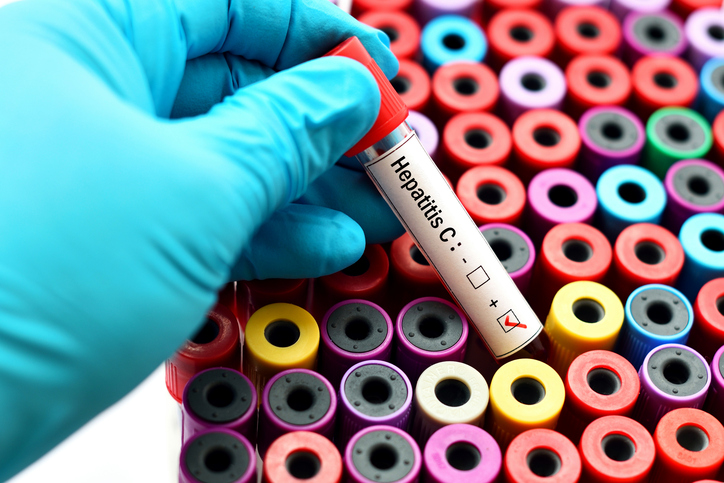
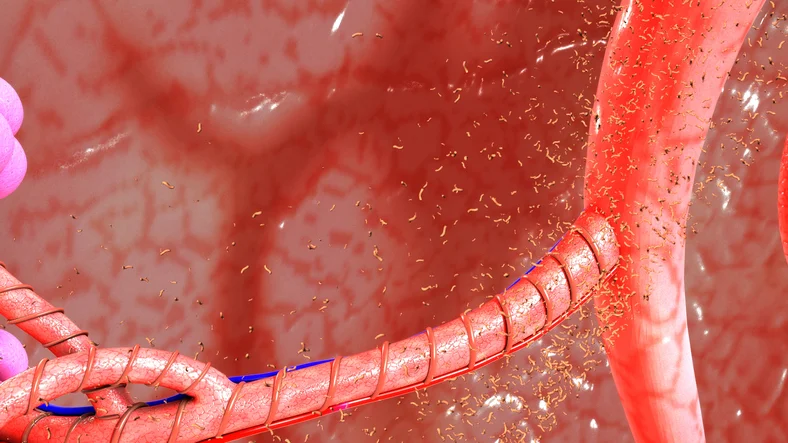
Today we have a much better understanding of how hepatitis C is transmitted, how it progresses, how to treat it, and most importantly, how to prevent it.
Read MoreToday we have a much better understanding of how hepatitis C is transmitted, how it progresses, how to treat it, and most importantly, how to prevent it.
Read MoreThe number of years we’ve lived or our family health history cannot be changed, but other factors within our control can reduce our risk.
Read MoreBladder cancer accounts for about 5% of all new cancers in the United States and is also considered one of the 10 deadliest cancers according to the American Cancer Society.
Read MoreGAD is the most common anxiety disorder affecting around 6.8 million adults or 3.1 percent of the U.S. population.
Read MoreIs it bronchitis, is it whooping cough, or maybe its cancer?
Read MoreThe loss of never hearing a symphony, the roar of a crowd at a sports event or a baby’s laughter, would be missed. The sound of silence may be hard to envisage but it would be deafeningly loud.
Read MoreMinor headaches are often taken care of by taking an over-the-counter pain reliever, rest, drinking coffee or sometimes eating foods such as yogurt, almonds, watermelon, sesame seeds or spinach.
Read MoreRestless leg syndrome (RLS) is a troublesome condition difficult to manage. People describe it as having a strong urge to move your legs (medically known as akathisia) with uncomfortable sensations of tingling, bubbling or crawling beneath the skin usually in the calves of the legs
Read MoreMen are about 3 to 4 times more at risk of developing bladder cancer with the average age of diagnosis at 73 years. According to the American Cancer Society, the disease is uncommon before the age of 60.
Read MoreFor anyone with diabetes or at risk of developing it, there could be certain daily habitual activities preventing insulin from doing its job.
Read MoreThe researchers found that those who drank daily caffeinated hot tea were 74 percent less likely to be diagnosed with glaucoma compared to those who drank no tea.
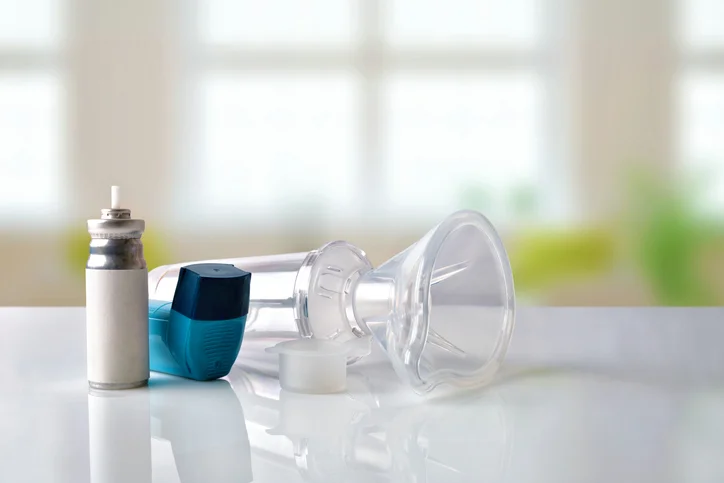
Read MoreFighting off the triggers that precipitate an asthma attack begins in your home. If someone in your family has asthma, making your home a healthier place by getting rid of or removing the things that can trigger an attack can go a long way in reducing a potentially serious scenario.
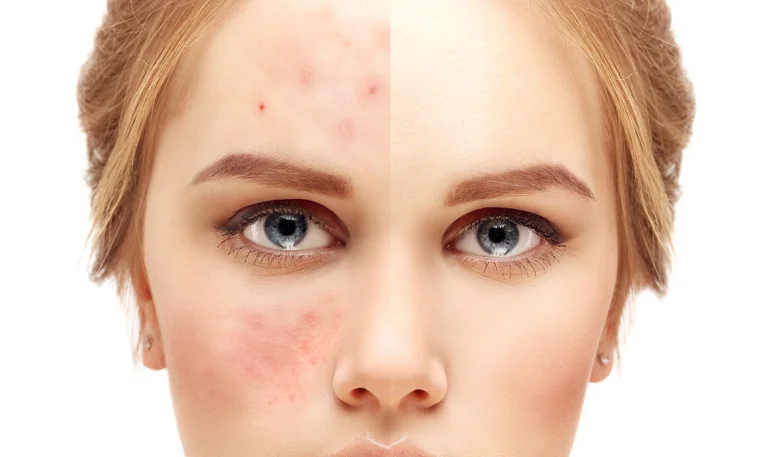
Read MoreDiscovering you have an itchy, lumpy rash known as hives is never a good sign. Medically, urticaria is the proper name for hives which can be a sign of a mild reaction to a more serious case of breaking out across large areas of your body.
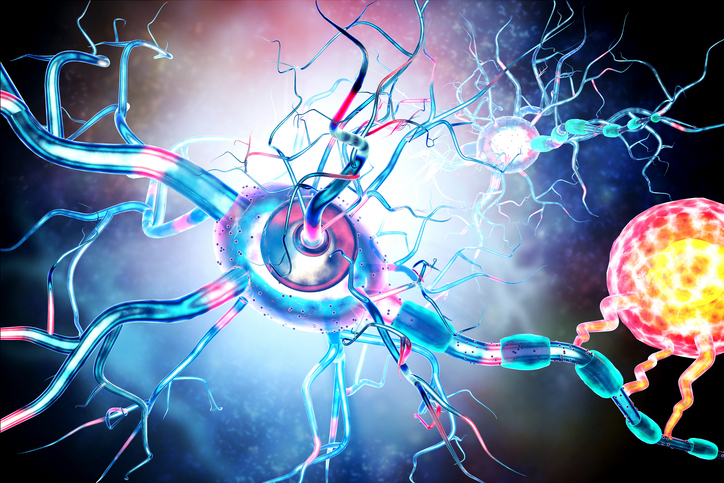
Read MoreThe symptoms of HD are similar to those having ALS, Parkinson’s and Alzheimer’s – simultaneously. The symptoms can include the following:
Read MoreThere has always been a bit of confusion surrounding the differences between Hodgkin’s vs non-Hodgkin’s lymphoma (NHL) also known as blood cancers. They sound very similar but there actually is much difference between them.
Read MoreAlthough not always a significant symptom of disease, blood in urine can be an important warning sign of a possible health problem. No matter what age you are, this sighting indicates something is going on making it imperative to contact your doctor right away to rule out any serious conditions.
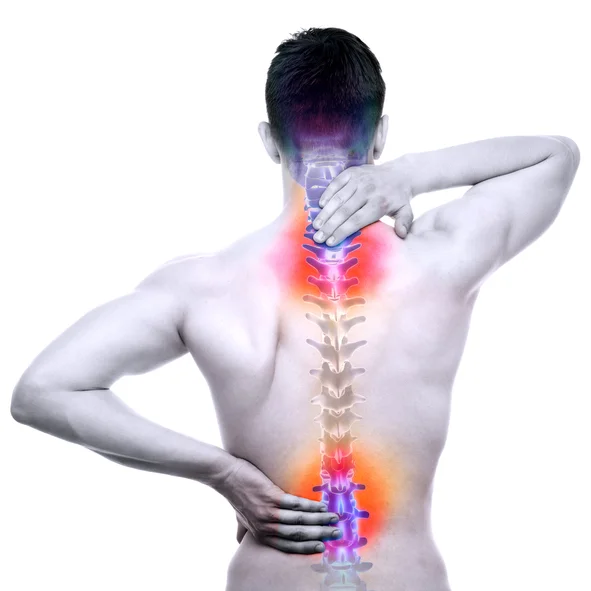
Read MoreOften described as either a dull, constant ache to a sudden, sharp sensation leaving one incapacitated, low back pain affects both men and women equally.
Read MoreThe depression of SAD is triggered typically during the winter when night comes early and the weather can be cloudy and bleak.
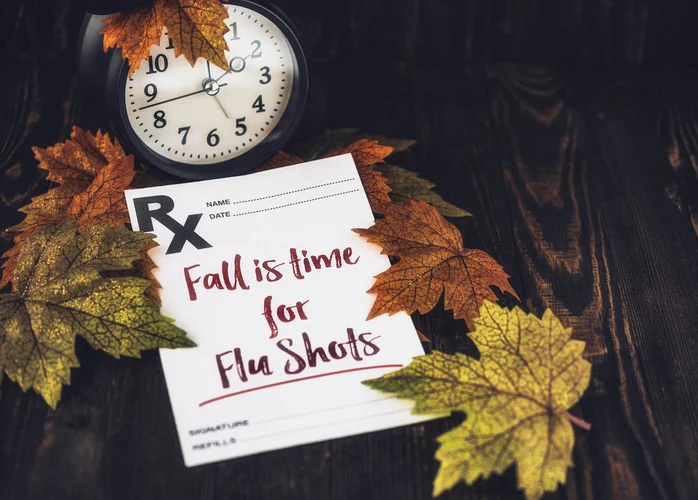
Read MoreEvery year when flu season arrives, misinformation and misconceptions about the vaccine, sickness, treatment, and recovery begin circulating.
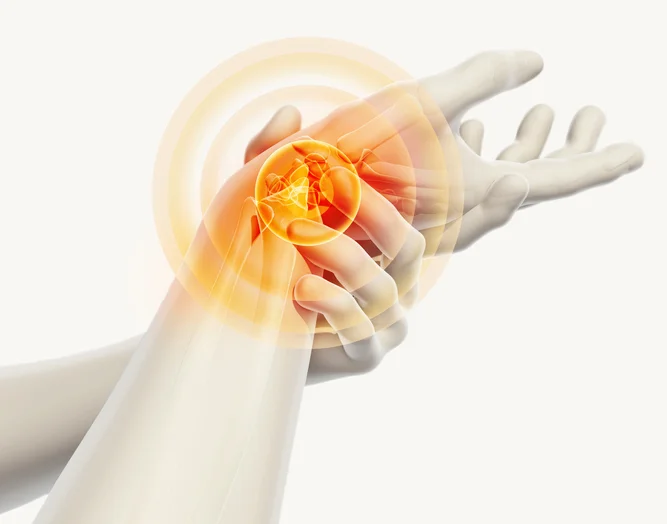
Read MoreThe clinical exam will also include performing certain tasks with the hands so as to determine if symptoms one is experiencing are related to carpal tunnel syndrome.
Read More