Mycoplasma Genitalium- The Old/New STD
/
A bacterium that can live in the urinary and genital tracts of humans and cause inflammation of the urinary tract in men and women.
Read MoreA bacterium that can live in the urinary and genital tracts of humans and cause inflammation of the urinary tract in men and women.
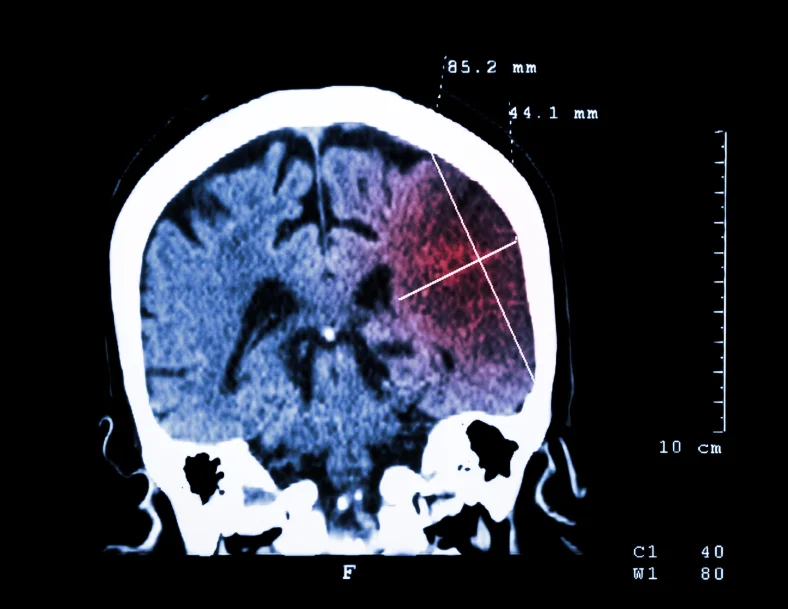
Read MoreMeningitis, is an infection and can be caused by viruses, bacteria or fungi.
Read MoreSleep apnea is a common disorder in which air movement through the upper airway.
Read MorePeople get older, the effect of stress compounds over time created a stronger link between stress and heart health.
Read MoreBladder stones are crystalline masses that are developed from the minerals and proteins found in urine.
Read MoreGastrointestinal infections are more common than you think. People often develop them as a result of food that has been contaminated. One of the most common gastrointestinal infections is known as H. pylori (Helicobacter pylori). It is a common type of bacterial infection that occurs in the stomach and upper intestines. The infection is known to cause peptic ulcers, which are characterized by sores or holes that develop in the lining of the stomach or upper intestine. It is estimated that about 1 in every 50 people has a helicobacter pylori infection.
Many people who have H. pylori never even know they have it because they are not aware of the signs or symptoms of the infection and may think they just have a stomach bug. Some people may never develop any signs or symptoms of H. pylori because they may have been born with a stronger resistance to the side effects of the infection. However, other people may develop signs or symptoms that are very apparent and can make you feel very sick. This is especially true if a peptic ulcer develops in the lining of the stomach or upper intestine. H. pylori can be treated with antibiotics.
When a person has been infected with H. pylori and does experience signs or symptoms, they may include an ache or burning pain in your abdomen, abdominal pain that's worse when your stomach is empty, nausea, a loss of appetite, frequent burping, bloating, or unintentional weight loss.
It is unclear exactly how H. pylori is transmitted. It may be transmitted from person to person via being exposed to an infected person’s saliva. It may also be transmitted via being exposed to an infected person’s fecal matter or vomit. H. pylori may also be passed on when a person consumes food or water that has been contaminated by the bacteria that causes the infection.
It is most common for people to be exposed to and develop H. pylori during their childhood. The risk factors for H. pylori infection that raise your risk for developing the infection are associated with certain living conditions that one experiences during their childhood. Living conditions that often occur during your childhood that may increase your risk for developing H. pylori include living in crowded conditions such as a home with many other people, living without a reliable supply of clean water, living in a developing country (where crowded and unsanitary living conditions are more common), or living with someone who has an H. pylori infection.
Treatment for H. pylori may include antibiotics, acid-suppressing medications, antacids, eating a healthy diet, and avoiding things like caffeine, alcohol, and tobacco.
1 in 20 people affected by Parkinson’s are under the age of 40. Worldwide the disease affects 4.1 million patients, a number that is predicted to more than double to 8.7 million by 2030.
Read MoreMultiple sclerosis is an autoimmune disease that affects the brain and spinal cord. It typically affects more women than men and is most commonly diagnosed between ages 20 and 40.
Read MorePancreatic pain is pain in the upper left abdomen which radiates into your back. This pain may get worse when you are eating, especially when eating foods with high amounts of fat.
Read MoreMost of us have suffered from dizzy spells in the past, but what if you had the feeling of the world spinning for 24 hours straight? Vertigo describes the illusion of motion or a spinning sensations and typically points to a problem with your inner ear, especially if the sensation is triggered by sudden movement. It can be easy to confuse this with common dizziness, which is why you should seek evaluation by your primary care physician.
What are the signs of vertigo?
The classic signs and symptoms of vertigo include a sense of rotation even when you are standing perfectly still. This can be triggered by a change in the position of your head. Some other symptoms include:
· Spinning
· Tilting
· Swaying
· Unbalanced
· Nausea
· Headache
· Ringing in the ear
What causes vertigo?
The sensation of vertigo is caused by a disruption in the signals between your brain and your body’s position and balance systems. Your inner ear contains specialized cells that help detect motion and changes in positions. Typically this information reinforces visual cues regarding your body’s position and movements. When there is injury or disease to the inner ear, it can send false signals that conflict with visual and positional information. As your brain tries to process these confusing signals, vertigo can occur.
Vertigo can be chronic or temporary. Acute attacks of vertigo are most commonly due to benign disorders of the inner ear. This will interfere with your balance and sense of environment, but will only occur once or twice and resolve. On the other hand, viral infections of the inner ear can interfere with normal signaling, causing a sudden attack of vertigo that can last for over 24 hours, and chronic episodes could be triggered by benign paroxysmal positional vertigo, which occurs with changes in head position. These can usually be resolved through physician treatment, or repositioning of the components of the inner ear.
Other causes include Meniere's disease, which causes a buildup of fluid and changing pressure in the ear, or head/neck injury, medications related to ear damage, migraines, and brain issues such as stroke or tumor.
How do you treat vertigo?
The most important thing is to avoid episodes of vertigo. Trying to prevent vertigo can include lifestyle changes like reduction in the intensity of physical activity, and to avoid excessive heat or humidity. During hot summer months, an air conditioned environment can be very beneficial in preventing episodes of vertigo related to heat.
Similarly, it is extremely important to see a doctor and figure out the exact cause of your vertigo, as there are very different types of causes. Some can be transient episodes, while other forms of vertigo can be indicative of something much more serious under the surface. Remember to discuss your symptoms with a doctor.
Diabetes can cause certain urologic problems involving the bladder and urinary tract infections.
Read MoreDiagnosing Crohn’s is challenging because the symptoms mimic other common intestinal disorders.
Read MoreSchizophrenia is a group of severe brain disorders in which people interpret reality abnormally. Schizophrenia can cause a combination of hallucinations, delusions, and disordered thinking and behavior.
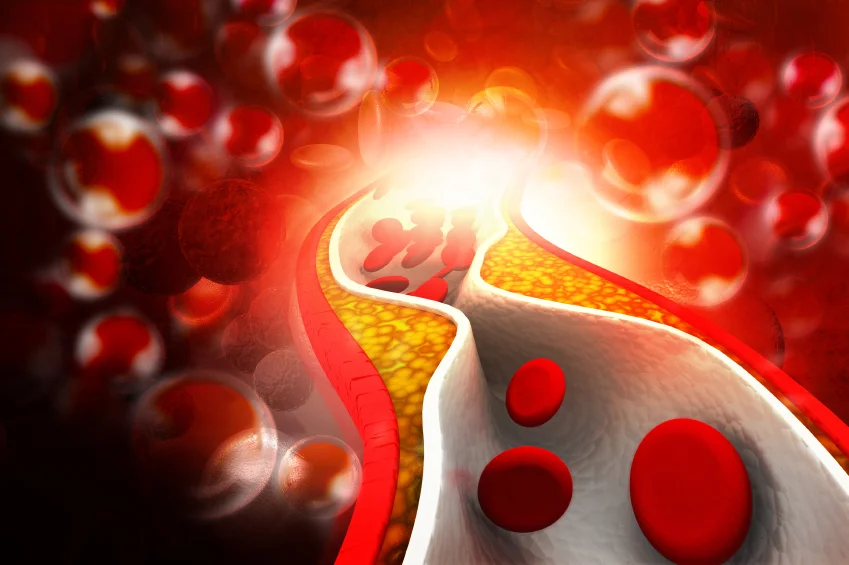
Read MoreAs recent as the 2010 DGA, and for many years previous, the recommendation has been to limit dietary cholesterol intake to less than 300 milligrams (mg) per day.
Read MoreVaricose veins are thought to be inherited, but they can develop from any number of reasons. For example, according to the Society for Vascular Surgery, approximately 50-55% of pregnant women in the U.S. develop varicose veins. Varicose veins can not only be unsightly, but can be painful and can lead to more serious health problems if not treated.
Read Moreeople who suffer from anxiety suffer on both a psychological and physical level. The condition occurs when the body feels threatened that something is about to happen or will happen in the future.
Read MoreWe’ve all been treated by antibiotics for one thing or another, but what antibiotics no longer worked as an effective cure? This is currently the future we face with one of the most prominent sexually transmitted diseases, gonorrhea.
Read MorePancreatitis is a disease that causes the pancreas to become inflamed. It can either be acute or chronic. Acute pancreatitis occurs when the pancreas becomes suddenly inflamed, which only lasts for a few days.
Read MoreMany Americans are eating more calories than they burn mainly because food is more convenient than ever before. It is very easily accessible, especially with the use of mobile apps these days. The majority of Americans also don't get much exercise.
Read More