What does a Spleen do?

What does a Spleen do?

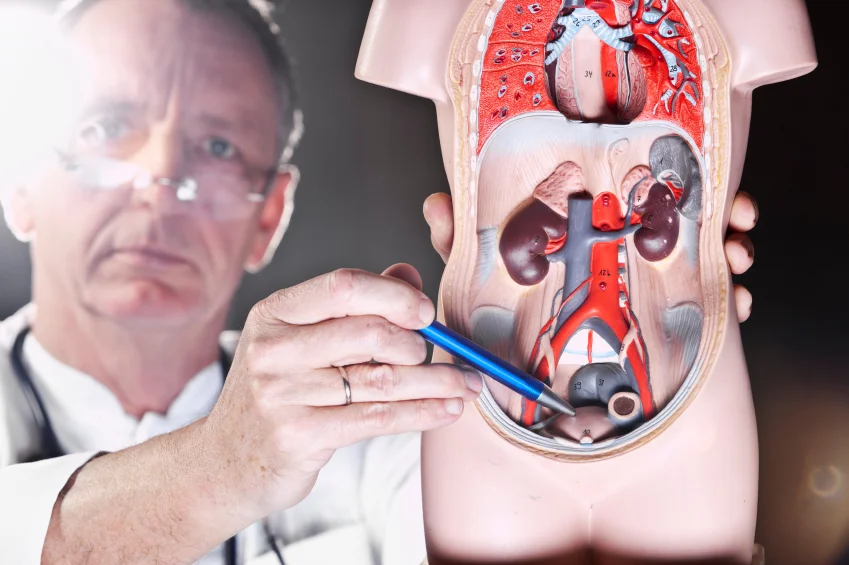
The spleen is an organ that sits on the left upper quarter of the abdomen. The spleen commonly lies under the ninth to the twelve rib, next to the stomach and pancreas.  One of the major functions of the spleen is to filter the blood of old and dying red blood cells. The spleen also stores platelets that normally help in blood coagulation and clotting.

Read More

What is Raynaud's Disease

What is Raynaud's Disease

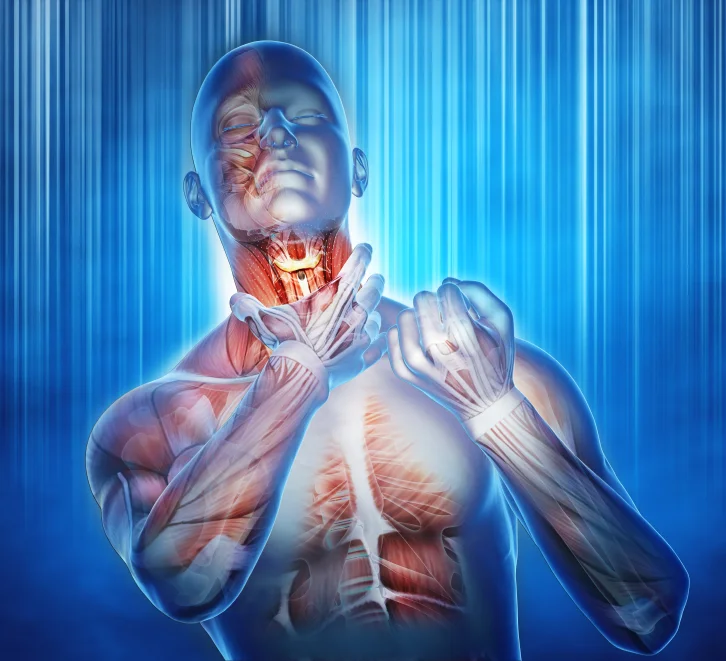
Raynaud’s disease is a condition that causes some areas of your body to feel numb and cool in response to cold temperatures or stress.  This is caused by narrowing of the small arteries that supply blood to your skin, limiting blood circulation.  When exposed to cold temperature the blood supply is markedly reduced and the skin turns pale or white and becomes cold and numb.  When the oxygen supply is depleted, the skin color turns blue, something that is known as cyanosis. 

Read More

What you should know about bladder stones

What you should know about bladder stones

Bladder stones are crystalline masses that are developed from the minerals and proteins found in urine. Bladder stones can start off very small but will vary in both their numbers and size. Bladder stones will begin when your bladder is unable to properly empty. Urine that is left in your bladder will stagnate and the proteins and minerals in the urine will begin to crystalize and form into bladder stones.

Read More

What is dural sinus thrombosis

What is dural sinus thrombosis

Like every organ of our body, the brain has a system of draining veins by which oxygen-depleted blood is channeled back to the lungs, where it can once again be re-oxygenated.  This system of draining veins begins as a collection of small channels which fuse with one another as you move away from the brain to form larger and larger veins that finally gather between the brain and the skull bone to form what is called the "dural sinuses".  The dural sinuses are the largest canals through which blood flows out of the brain, on its way back to the lungs.

Read More

Migraine Triggers vs. Symptoms

Migraine Triggers vs. Symptoms

A migraine headache can cause intense throbbing or pulsing in one area of the head and is commonly accompanied by nausea, vomiting, and extreme sensitivity to light and sound.  Migraine attacks can cause significant pain for hours to days and be so severe that all you can think about is finding a dark, quiet place to lie down.  Some migraines are preceded or accompanied by sensory warning symptoms (aura), such as flashes of light, blind spots or tingling in your arm or leg.  Medications can help reduce the frequency and severity of migraines.

Read More

New report: 20% of American kids face higher risk of heart disease

iStock_000044500320_Small.jpg

A new reports says that one in five, or about 20 percent, of American kids have unhealthy levels of cholesterol. Cholesterol levels are even worse for children who are obese as over 43 percent of obese kids have bad cholesterol levels. Among this group, teenagers have the worst cholesterol levels; 27 percent are aged 16 to 19 years old. Heart disease with artery clogging blockages can start as young as three years old.

About 21 percent of American children and teens have some form of “abnormal” cholesterol. And nearly 14 percent of kids have unhealthily low levels of “good” cholesterol. Cholesterol levels in children are mainly associated with diet, obesity, and heredity.

Cholesterol is a waxy, fat-like substance that is found in the cells of our bodies. We naturally produce cholesterol because it makes other essential substances such as vitamin D or hormones. It also makes substances to help with digestion. However, cholesterol is also found in the food we consume such as poultry, meat, and dairy products. Consuming foods that are high in saturated and trans-fats makes our liver produce more cholesterol than we need. Too much cholesterol causes plaque to develop in the walls of the arteries. Increased cholesterol levels can eventually lead to serious health problems such as blood clots, stroke, or heart attack.

There are two types of cholesterol: good cholesterol and bad cholesterol. “Bad cholesterol” is also known as LDL (low-density lipoprotein) cholesterol. High levels of LDL cholesterol create a buildup of plaque in the artery walls, which can cause the arteries to become blocked. This can result in atherosclerosis, blood clots, heart attack, stroke, and peripheral artery disease.

“Good” cholesterol is also known as HDL (high-density lipoprotein) cholesterol. HDL cholesterol helps remove LDL cholesterol from the artery walls. Good levels of HDL cholesterol help protect us from heart attacks and strokes. However, a low HDL cholesterol levels may increase the risk of developing heart disease.

When should your child have their cholesterol levels checked? It is recommended that children start screening as early as age 2, but no later than age 10. If the fasting lipid profile is normal, they should be screened again in three to five years.

For kids who are overweight or obese and who have a high blood-fat level or low level of "good" HDL cholesterol, the first form of treatment is to lose weight. This can be done by eating a healthier diet, getting more physical exercise, and often times getting nutritional counseling.

Tips for children to improve cholesterol levels

·       Exercise regularly. Regular aerobic exercise, such as running, biking, and swimming, can help raise HDL levels which lowers the risk for heart disease.

·       Eat a healthy diet. Eat foods low in total fat, saturated fat, trans-fat, and cholesterol. Make sure to eat a variety of foods in order to get all the essential nutrients.

 

What are ovarian cysts?

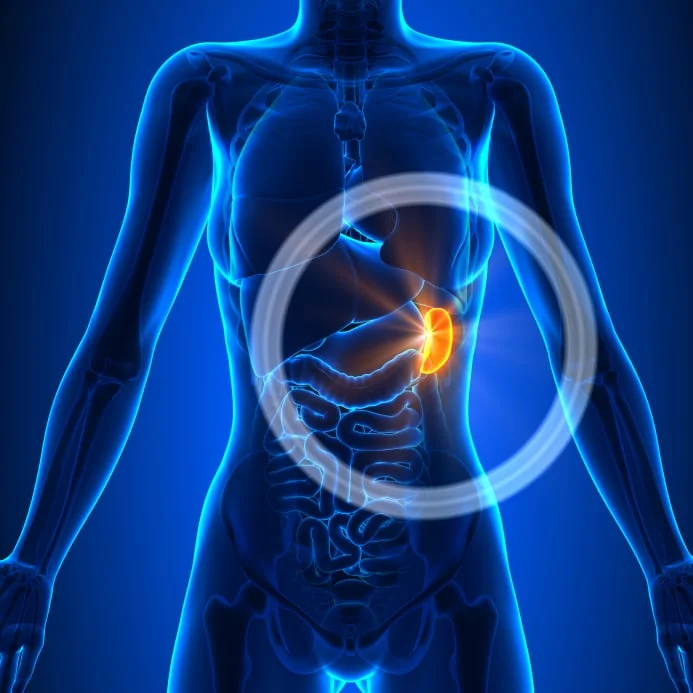
An ovarian cyst is a fluid-filled sac that forms in or on the ovaries. The two most common types of ovarian cysts are follicle cysts and corpus luteum cysts. Other types of benign ovarian cysts which are less common include endometriomas, dermoids, and cystadenomas. Some women may experience many small cysts, which is called polycystic ovary syndrome.

Ovarian cysts are a common condition among women, especially during their childbearing years. They occur on the outside of a woman’s ovaries and develop in the form of sacs that are filled with fluid. Ovarian cysts may not pose any problems or discomfort, but sometimes, they can be quite painful. Follicular cysts are the most common type of ovarian cysts. They often go away on their own but some may require treatment. Women have two ovaries that are located on each side of the uterus. Their role is to act as a host to the eggs that develop and mature when a woman is trying to have a baby.

Most cysts do not cause any symptoms. However, when large ovarian cysts develop, they can cause symptoms such as:

·       Pelvic pain shortly before your period begins or just before it ends

·       Pressure on your bladder that causes you to urinate more frequently or have difficulty emptying your bladder completely

·       Pelvic pain (a dull ache that may radiate to your lower back and thighs)

·       Fullness or heaviness in your abdomen

·       Pelvic pain during intercourse (aka dyspareunia)

·       Pain during bowel movements or pressure on your bowels

·       Nausea, vomiting or breast tenderness like that experienced during pregnancy

Treatment for ovarian cysts includes watchful waiting, birth control pills, or surgery. Watchful waiting may be recommended if you have no real symptoms that are causing problems. Birth control pills can help decrease the development of new cysts in future menstrual cycles. Surgery may be done to remove a cyst causes pain or other symptoms, or continues to grow after a couple of menstrual cycles. 


What is Pharyngitis?

What is Pharyngitis?

Pharyngitis is caused by swelling in the back of the throat between the tonsils and the larynx. It most often occurs during cold and flu seasons when viral infections are prevalent. It usually spreads between people by breathing in bacteria or viruses that are spread in the air, or by touching surfaces or objects that have been exposed with germs.

Read More

What is a Diuretic

What is a Diuretic

Diuretics, or water pills, can help your body shed excess fluid through your kidneys. This class of medications are typically prescribed to treat high blood pressure, fluid buildup within the body due to heart failure, fluid buildup in the abdomen because of liver damage, or the eye condition glaucoma.  Some other reasons your doctor may prescribe water pills is polycystic ovarian syndrome, kidney stones, diabetes insipidus and osteoporosis.

Read More

Learning About Diverticulitis

Learning About Diverticulitis

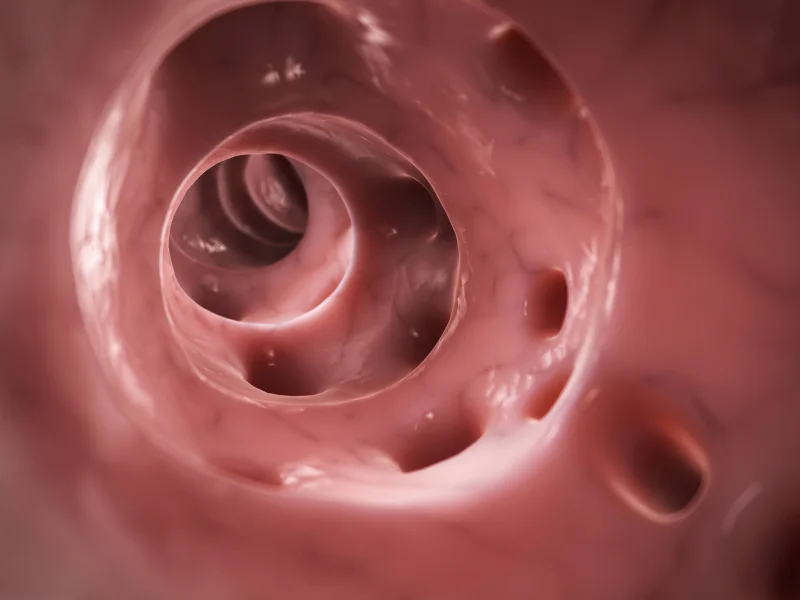
Eating an unbalanced diet can have more complications than just looking a bit overweight.  Individuals on low-fiber diets are more prone to constipation, which can cause increased colon pressure during a bowel movement and may lead to weakening of the colon wall and eventually diverticula. Food can back up into the diverticula, or pouches in the colon, and bacteria can begin to thrive there leading to infection.  When these pockets, or diverticula, in the wall of the colon become inflamed or infected, this is specific type of diverticular infection called diverticulitis.  Although most people with diverticula in their colon will never develop diverticulitis, it is more common in people as they grow older and symptoms should not be overlooked as surgery may be necessary for proper treatment. Let’s see how diverticulitis can present itself, and what everyone should look out for.

Read More

What is Ulcerative colitis?

Ulcerative colitis is an inflammatory bowel disease that affects as many as 700,000 Americans. The condition is known to cause ulcers and inflammation in the digestive tract. The part of the digestive tract that is affected in the innermost lining of the colon and rectum. The condition can lead to a debilitating lifestyle and may even be life-threatening. Unfortunately, there is currently no cure for ulcerative colitis. However, there are treatment options that can relieve symptoms and allow for long-term remission.

Read More

What is Botulism?

What is Botulism?

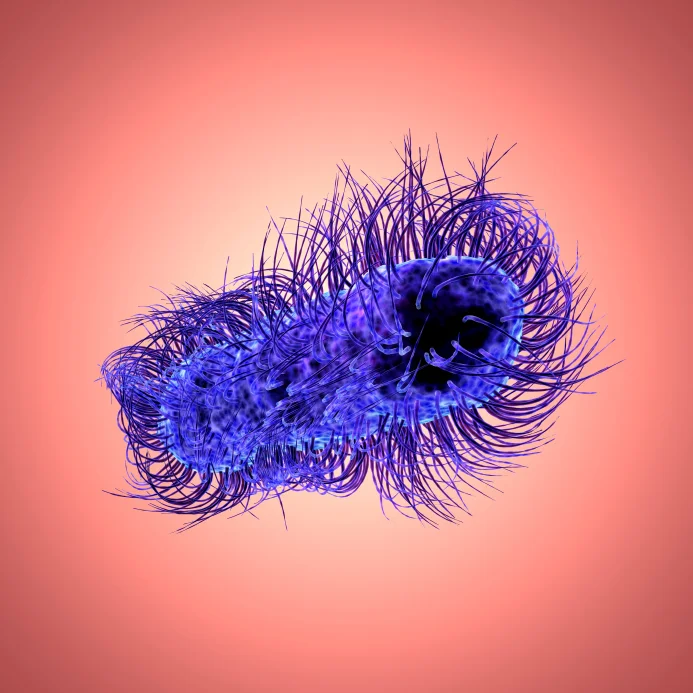
Botulism is a serious and potentially fatal disease. It is a rare paralytic illness that is caused by the nerve toxins of certain bacteria which are found in soil and untreated water. People catch botulism from ingesting improperly processed foods in which the bacteria of the spores are present and produce toxins. It cannot be passed from human to human.

Read More

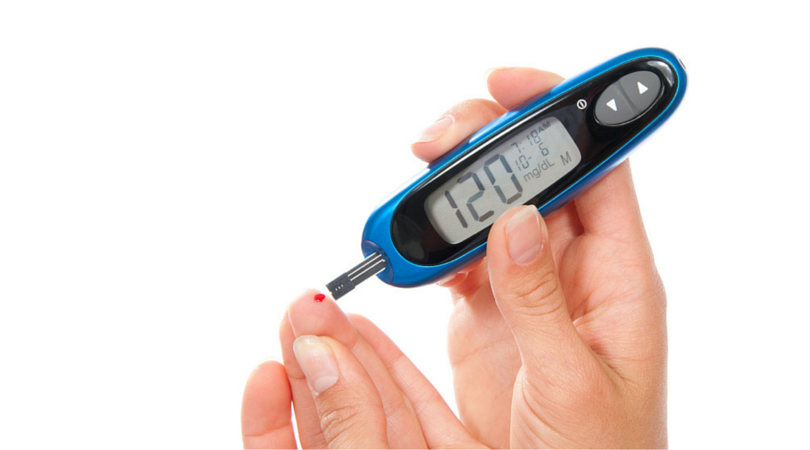
Reasons why your blood sugar changes

Reasons why your blood sugar changes

Stress can take a toll on your blood sugar levels. The most common type of stress is often associated with work. When you are feeling overwhelmed and under a lot of stress, your body releases hormones that can make your increase your blood sugar. This is more common in people with type 2 diabetes. To de-stress, learn how to relax and practice deep breathing. Exercise can help too. Also, try to eliminate some of the things that are making you so stressed out.  

Read More

Facts about alopecia

The hair loss isn't permanent. Unlike age-related or natural baldness, alopecia areata does not damage your hair's ability to grow back. Your immune cells come in and surround hair follicles like a swarm of bees, which stops them from producing hair. But once your immune system settles down, hair often grows back just as before.

Read More

Are You at Risk for Blood Clot?

Depending on where they appear, clots can cause deep vein thrombosis in the legs, strokes, heart attacks, and pulmonary embolisms. And although blood clotting is necessary to help stop bleeding after an injury, sometimes they can do more harm than good. A blood clot is a mass formed by platelets and fibrin in the blood to stop bleeding. However, with a blood clot disorder, blood clots may form in areas of the body that are abnormal.

Read More

Recognizing Alzheimer's

Recognizing Alzheimer's

The signs and symptoms of Alzheimer's disease may vary depending on the stage of the disease.  The aforementioned are signs of early symptoms of the disease. People may have mild, moderate, or severe symptoms. The signs and symptoms of mild Alzheimer’s disease include wandering and getting lost, trouble handling money and paying bills, repeating questions, taking longer to complete normal daily tasks, losing things or misplacing them in odd places, personality and behavior changes.

Read More

What you need to know about HIV

HIV cannot be cured. Currently, there is no cure for HIV. However, there are treatments available to help keep virus levels low and help maintain your immune system. Some drugs work by interfering with the proteins that HIV needs to copy itself. Others work by blocking the virus from entering or inserting its genetic material into your immune cells.

Read More

10 unusual signs of iron deficiency

What does it mean to be iron deficient? An iron deficiency is a type of anemia. It is a condition in which the blood does not have enough healthy red blood cells, and therefore causes a shortage of iron in the body. Bone marrow needs iron to make hemoglobin. Without enough iron, the body can't produce enough hemoglobin for red blood cells. This type of anemia is often caused by blood loss, such as from heavy menstrual bleeding, an ulcer, cancer, a polyp somewhere in your digestive system, and prolonged use of aspirin or drugs known as nonsteroidal anti-inflammatory drugs.

Read More

Causes of heart failure

Copy of eat-14.png

Heart failure is a condition that occurs when the heart is not pumping blood as effectively as it should. It is estimated that there are more than three million cases of heart failure each year in the United States. It is also known as congestive heart failure and is a chronic condition. With congestive heart failure, the ventricles are unable to pump blood in ample volume. As a result, blood and other fluids get backed up inside the lungs, abdomen, liver, and lower body which can be life-threatening.

Signs and symptoms of congestive heart failure:

·       Shortness of breath when you exert yourself or when you lie down

·       Fatigue and weakness

·       Swelling in your legs, ankles and feet

·       Rapid or irregular heartbeat

·       Reduced ability to exercise

·       Persistent cough or wheezing

·       Increased need to urinate at night

·       Swelling of your abdomen

·       Sudden weight gain from fluid retention

·       Lack of appetite and nausea

·       Difficulty concentrating or decreased alertness

·       Sudden, severe shortness of breath and coughing up pink, foamy mucus

·       Chest pain if your heart failure is caused by a heart attack

Congestive heart failure may be caused by other health conditions that affect your heart such as high blood pressure, coronary artery disease, or certain valve conditions. When your blood pressure is greater than 120/80 mmHg it can eventually lead to CHF if left untreated or not managed properly. With coronary artery disease, your heart’s coronary arteries become damaged by restricting blood flow. The arteries become blocked and narrowed as fatty substances build up. Valve conditions occur when the valves do not open and close correctly which causes the ventricles to work even harder to pump blood to the rest of your body.

Treatment for congestive heart failure may include ACE inhibitor medications, diuretics, heart muscle stimulants, beta-blockers, surgery, devices such as a pacemaker or implantable cardioverter-defibrillator, or a heart transplant.