Heart attack symptoms in women

Sometimes, women may even have a heart attack without experiencing any initial chest pain at all. In fact, women are more likely to experience signs and symptoms that are completely unrelated to chest pain. The signs and symptoms that women may experience prior to a heart attack include:

Read More

What you should know about blood clots

A blood clot is a mass formed by platelets and fibrin in the blood to stop bleeding. Blood clotting is necessary to help stop bleeding after an injury. However, with a blood clot disorder, blood clots may form in areas of the body that are abnormal. When this happens, they become dangerous because blood clots can block a vein or artery. This increases the risk of heart attacks, strokes, miscarriages, and pulmonary embolisms.

The causes of blood clots may include:

·       Inherited blood clotting disorders

·       Certain heart conditions

·       Certain medications

·       Surgery

·       Pregnancy

·       Prolonged immobility

·       Smoking

The symptoms of a blood clotting disorder include a history of blood clots, high blood pressure, severe headaches, frequent miscarriages, pain and swelling in the legs, chest pain, changes in vision, difficulty speaking, dizziness, confusion, or shortness of breath.

Treatments for blood clotting disorders include taking medications that will break up the clot such as aspirin, blood thinner medications, such as heparin and warfarin (Coumadin), antithrombin factor and protein C. You may also be treated for underlying conditions or risk factors such as high blood pressure, diabetes, and heart problems. Surgery or other treatments may also be required.


The Most Common Adult Skin Issues

There are many different types of skin disorders out there, and changes are we have experienced, or will experience, at least one in our lifetime.  From acne to psoriasis, skin conditions are commonplace for many.  Let’s take a look at some of the most common skin disorders affecting adults in America:

Acne: this skin condition effects many more people than just those going through puberty, although acne is a classic sign of adolescence. It is formed by oil and dead skin clogged pores, most prominently on the face and upper back.  These clogged pores become inflamed and form whiteheads, blackheads, papules, pustules, cysts, or deep nodules.

For some, acne starts as a teen and persists into adulthood.  For others, a much smaller portion, acne presents itself for the first time as an adult.  The main cause is fluctuating hormone levels, stress, and beauty products which may be having an adverse effect on the skin.  A proper skin cleansing regiment is usually enough to treat those unsightly pimples, but for severe cased, prescription medication is available.

Eczema: Eczema is a common skin condition in adults, and affects up to 3% of adults. Atopic dermatitis, another name for the skin condition, leaves the skin with inflamed, red, dry, and itchy patches. The patches of skin can appear anywhere on the body, but are most common in skin folds, hands and elbows. But don’t worry, this skin condition is not contagious.

About 70% of these who are diagnosed with eczema also have a family history of the skin disease, but the exact causes are unknown.  Eczema has no cure, but may be controlled with topical creams, antihistamines, and immunosuppressant drugs.

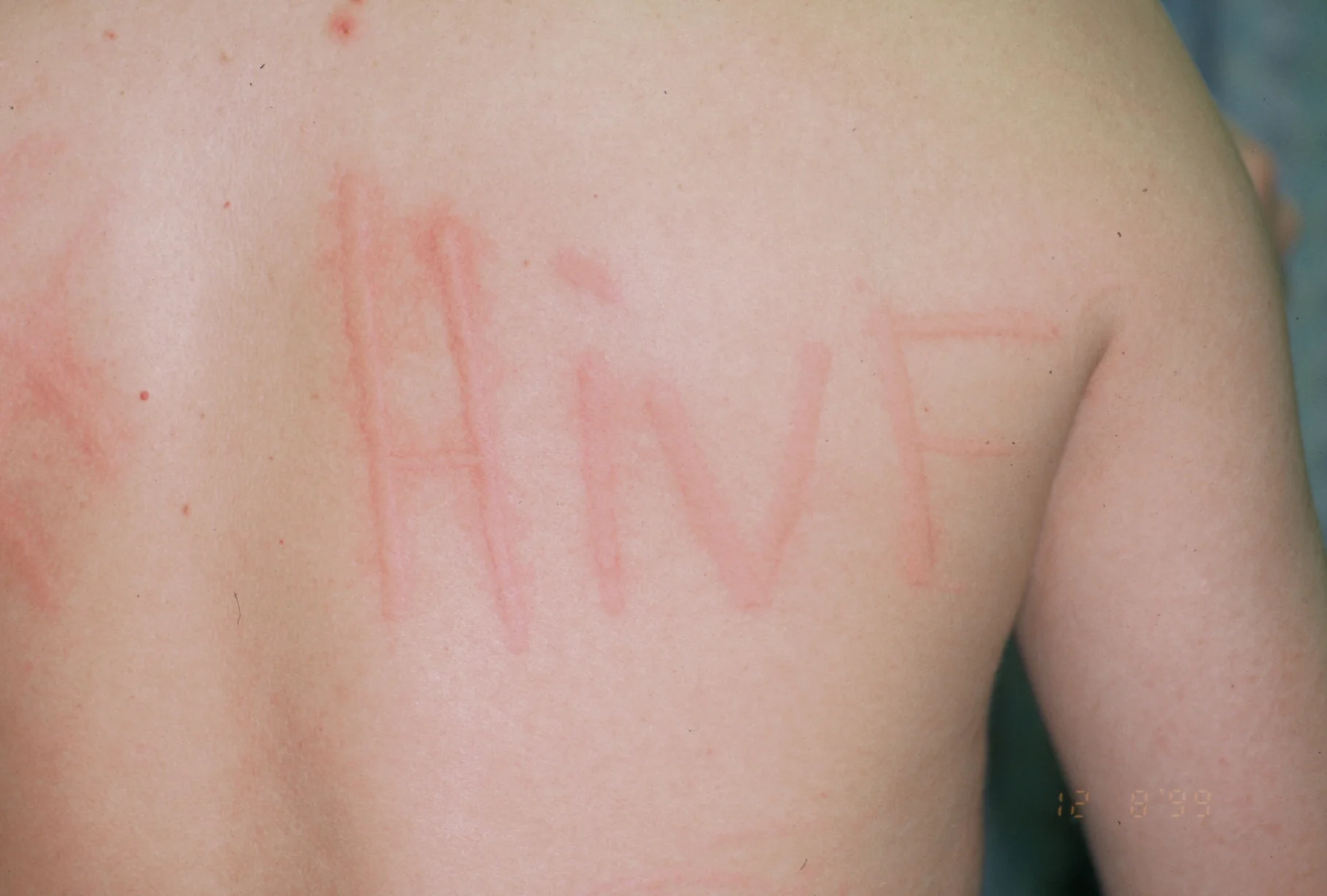
Hives: Hives, are raised, red bumps that appear suddenly on the skin’s surface. The can occur anywhere on the body, and tend to cause itching, stinging and burning on the site where they appear.  When pressed, these welts turn white.  Hives are typically caused by an allergic reaction to some type of food or medication, but can also appear when the body is affected by an infection.  Antihistamines, like Benadryl, are the common treatment recommended for hives.

Psoriasis: Psoriasis is a chronic autoimmune condition of unknown origin that results in the overproduction of skin cells. These dead cells build up creating thick, red patches and whitish, grey scales on the skin.  This causes severe itching at the site of the skin patches.  The patches of psoriasis are most likely to appear on the elbows, knees, scalp, and lower back.

It is estimated that about 7.5 million people in America are affected by this skin disease.  And although psoriasis has no cure, but can be treated with oral medications, immunosuppressants, and topical ointments. 

Vitiligo: Vitiligo is different from other skin conditions on this list because it is not a surface skin reaction.  Instead, this common skin condition is where the melanin, or pigment in the skin is lost.  The skin disorder is characterized by white patches of skin from the loss of melanocytes, and subsequent skin pigment. The most common areas to be affected are those most exposed to the sun like the hands, face, arms, and feet.

Like most of these disorders on this list, the exact cause of vitiligo is unknown, but there does seem to be a hereditary link. There is also no cure for this condition, but topical ointments, immunomodulators, or depigmentation of the body may be used as treatment.

 

Signs you are iron deficient

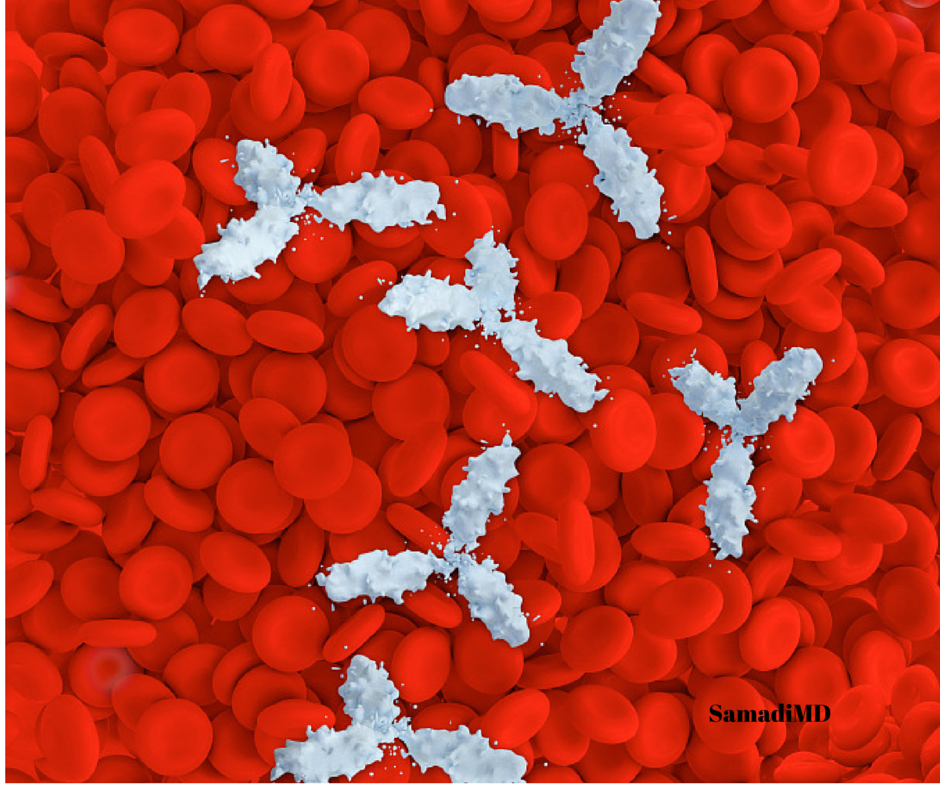
Iron deficiency is a type of anemia. It is a condition in which the blood does not have enough healthy red blood cells, and therefore causes a shortage of iron in the body. Bone marrow needs iron to make hemoglobin. Without enough iron, the body can't produce enough hemoglobin for red blood cells. This type of anemia is often caused by blood loss, such as from heavy menstrual bleeding, an ulcer, cancer, a polyp somewhere in your digestive system, and prolonged use of aspirin or drugs known as nonsteroidal anti-inflammatory drugs.

The symptoms of iron deficiency anemia may include:

·       Inflammation or soreness of your tongue

·       Chest pain or a fast heartbeat

·       Weakness or extreme fatigue

·       Shortness of breath, dizziness or lightheadedness

·       Pale skin or brittle nails

·       Frequent infections

·       Headache

·       Cold hands and feet

·       Unusual cravings or a poor appetite

·       An uncomfortable tingling or crawling feeling in your legs (restless legs syndrome)

Diet for cancer prevention

cancer prevention

Last week, the World Health Organization announced that there is new evidence suggesting red meat is linked to the development of colorectal cancer. The main culprit is processed meat, however unprocessed meat was found to be no good either. Processed meat is any meat that has been preserved by smoking, curing, salting or adding chemical preservatives.

The study, which was carried out by researchers at the University of Oxford, involved more than 500,000 British men and women between the ages of 40 and 69. The researchers observed their dietary habits specifically related to meat consumption. The results showed that people who ate four servings of red meat a week were 42 percent more likely to develop colorectal cancer than those who had one serving or none at all. Furthermore, people who ate red meat at least twice a week were 18 percent more likely to develop colorectal cancer than vegetarians.

The WHO are now categorizing processed meats as a known human carcinogen. They also concluded that each 50-gram portion of processed meat (less than 2 ounces) eaten daily increases the risk of colorectal cancer by 18 percent. For unprocessed red meat, the results were only slightly better. The WHO is categorizing unprocessed meat as ‘probably causes cancer.’

Colorectal cancer is the third most common cancer diagnosed in both men and women in the United States. Among women and men combined, it is the second leading cause of cancer death. It is estimated that colorectal cancer will kill about 49,700 people in 2015. The lifetime risk of developing colorectal cancer is about 1 in 20. This risk is slightly lower in women than in men.

How to reduce your risk for colorectal cancer

·       Maintain a healthy diet. Eat a diet that consists of a variety of fruits, vegetables and whole grains.

·       Maintain a healthy weight, or lose weight if you are overweight or obese. A health or normal weight is a BMI between 18.5 and 24.9.

·       Stay physically active. This means getting exercise most days of the week. Try to get at least 30 minutes of exercise on most days of the week.

·       Limit alcohol consumption. Either drink alcohol in moderation, or avoid it completely. If you choose to drink alcohol, try not to drink more than one drink a day for women and two for men.

·       Avoid or quit smoking.

The cancer-prevention diet

Avoid red meat. Processed and even unprocessed red meat is apparently no good for us. Red meat has been linked to various cancers including colorectal, prostate, kidney and pancreatic cancer.  This includes beef, bacon, sausage, ham, etc.

Eat fruits and vegetables every day. Eat a wide variety of fruits and veggies such as broccoli and berries.   Dark-green leafy vegetables are especially helpful in fighting cancer.

Add turmeric to your food. Turmeric is an Indian spice. It is also a polyphenol that has excellent anti-inflammatory properties.

Include more fiber. Good sources of fiber include whole grains, fruits, and vegetables. Did you know that every 10 grams of daily fiber intake reduces the risk of colon cancer by 10 percent? Aim for 25 grams of fiber daily.

Limit or avoid alcohol consumption. Alcohol is a risk factor for oral cancers. This includes esophageal,  liver, colon, breast, and possibly pancreatic cancer. It is recommended that women drink no more than one drink daily and men drink no more than two drinks daily.

Eat more fish. Fish that are low in saturated fat and high in omega-3 fatty acids, such as salmon reduce inflammation, which is linked to cancer.

Eat organic. The development of at least nine different cancers is associated with exposure to certain pesticides. Buy organic.

Drink green tea. Green tea contains catechins which are also known as antioxidants. Antioxidants are great source or protection for our cells from DNA damage. They also strengthen our immune system and activate enzymes that fight off tumors.

Avoid foods with trans fats. Trans fat is often found in fried foods and sweets. Trans fat increases your risk for cancers including breast and prostate cancer.

Get enough vitamin D. More vitamin D in the blood is associated with lower rates of various cancers including colon, breast, ovarian, renal, pancreatic, and prostate. Ask your doctor about a supplement, and whether you should eat more vitamin D rich foods, or get more sun.


Ways to Lower your Blood Pressure

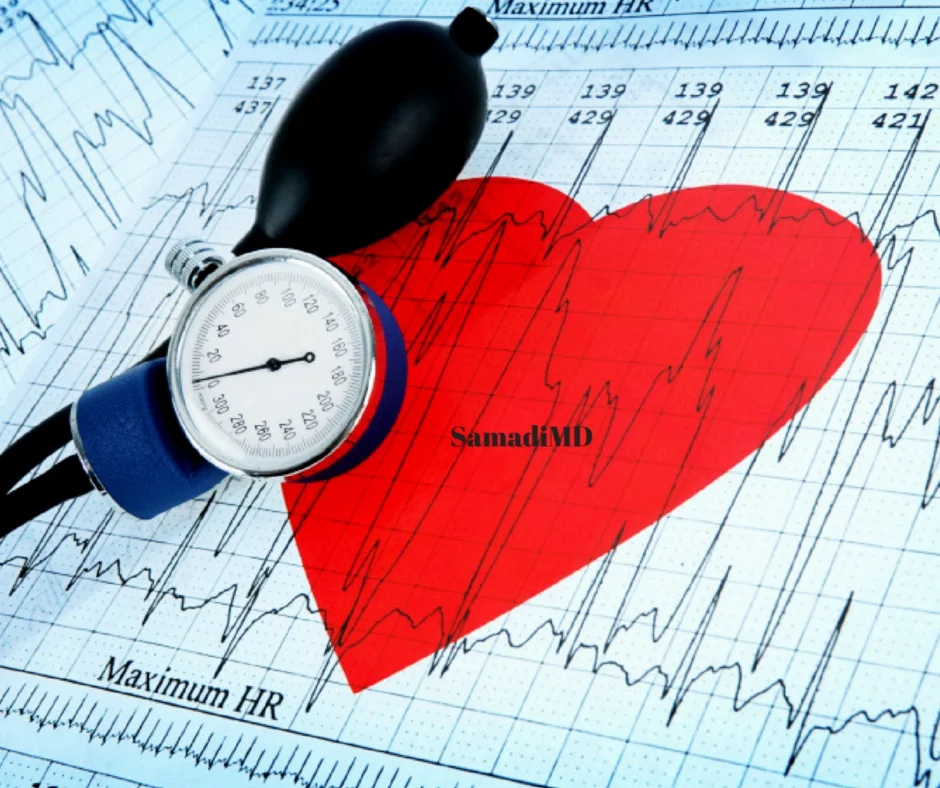
High blood pressure, or Hypertension, is one of the most common conditions that affects millions of people. It is a condition in which a person’s blood pressure is greater than a healthy level and puts too much force on the artery walls. The arteries are responsible for carrying blood from the heart to the rest of the body. About one-third of adults in the United States have high blood pressure.

Key statistics:

·       About 70 million American adults have high blood pressure—that’s 1 of every 3 adults.

·       Only about half of people with high blood pressure have their condition under control.

·       Nearly 1 of 3 American adults has prehypertension—blood pressure numbers that are higher than normal, but not yet in the high blood pressure range.

·       Women are about as likely as men to develop high blood pressure during their lifetimes.

·       However, for people younger than 45 years old, the condition affects more men than women. For people 65 years old or older, high blood pressure affects more women than men.

Best ways to lower blood pressure:

Lose weight/watch your waistline. More often than not, the more you weigh, the higher your blood pressure will be. Being overweight can cause a person to develop sleep apnea, which can also increase your blood pressure. One of the best ways to lower your blood pressure is by losing weight. By losing just ten pounds, you can lower your blood pressure. It is also important to control the size of your waistline. Having a larger than average waistline can increase your risk of high blood pressure. Men are at risk if their waistline is greater than 40 inches, while women are at risk if their waistline is greater than 35 inches. These numbers may change depending on your ethnic background.

Exercise regularly. Getting regular physical exercise can help lower your blood pressure. Regular exercise means getting at least thirty minutes of exercise on most days of the week. The best types of exercise for lowering blood pressure include walking, jogging, cycling, swimming and strength training.

Eat a healthy, well-balanced diet. To lower your blood pressure, you need to eat a diet that includes whole grains, fruits, vegetables and low-fat dairy products. It is key to limit or avoid foods that contain saturated fat and cholesterol. One of the best diets for this is the Dietary Approaches to Stop Hypertension (DASH) diet.

Limit or avoid alcohol consumption. Limiting your alcohol consumption can lower your blood pressure. Some argue that small amounts of alcohol can be good for you, however this become ineffective when a person drinks too much alcohol. In general, women should not drink more than one drink a day, and men should not drink more than two drinks a day. Drinking more than a moderate amount of alcohol can increase your blood pressure significantly. It can also interfere with how your blood pressure medications work, making them less effective.

Limit sodium intake. Limiting the amount of sodium in your diet can help lower your blood pressure. People should aim to limit the amount of sodium they consume to less than 2,300 milligrams a day or less. However, if you are more sensitive to salt, you may be better off consuming an even lower amount, such as 1,500 milligrams a day or less. You may have a greater salt sensitivity if you are African-Americans, age 51 or older, or have been diagnosed with high blood pressure, diabetes or chronic kidney disease.


Heart attack: what it feels like

Samadimd.com-29.png

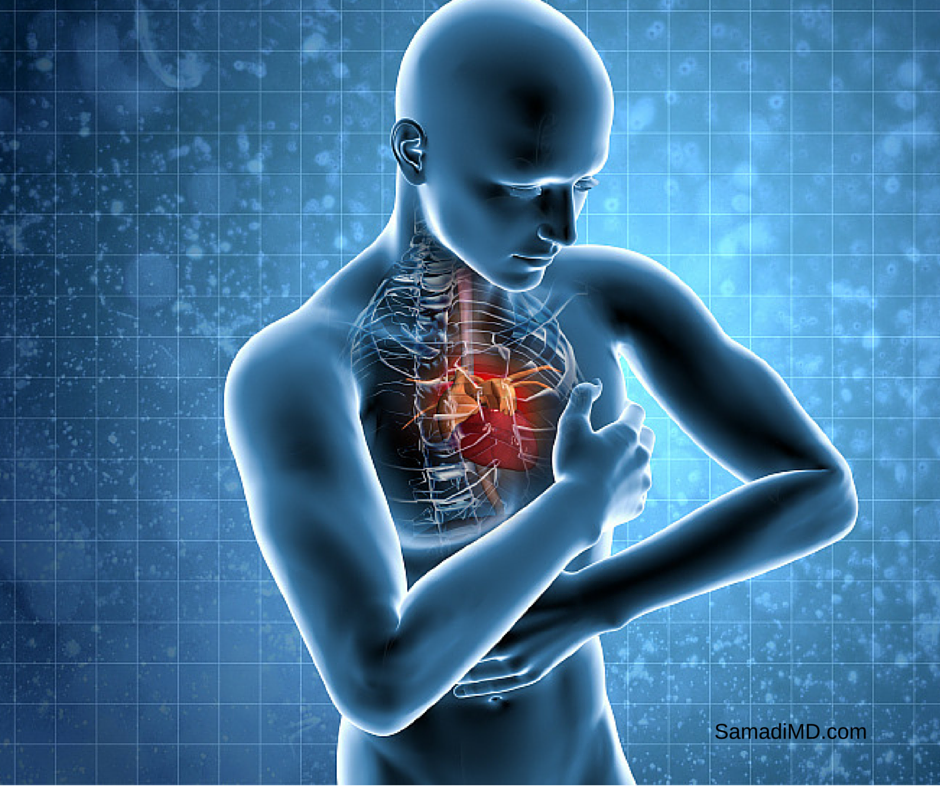
Heart disease includes coronary artery disease, arrhythmia, cardiomyopathy, and heart failure. It occurs when the arteries become clogged. This happens where there is a buildup of plaque that narrows your heart's arteries, making it harder for blood to pass through. Most people don't even know they have heart disease until they have a heart attack. A common warning sign is frequent chest pain called angina.

What does a heart attack feel like?

  • Weakness, anxiety, or shortness of breath
  • Pain or pressure in the chest
  • Nausea, indigestion, or heartburn
  • Fast or irregular heartbeats
  • Discomfort spreading to the back, jaw, throat, or arm

 Heart disease key statistics

·       Heart disease is the number one cause of death in the United States.

·       In the United States, someone has a heart attack every 34 seconds. Every 60 seconds, someone in the United States dies from a heart disease-related event.

·       About 720,000 people in the U.S. suffer heart attacks each year. Of these, 515,000 are a first heart attack and 205,000 happen in people who have already had a heart attack.

·       It is the leading cause of death for people of most racial/ethnic groups in the United States, including African Americans, Hispanics and Whites. For Asian Americans or Pacific Islanders and American Indians or Alaska Natives, heart disease is second only to cancer.

·       Coronary heart disease is the most common type of heart disease, killing nearly 380,000 people annually.


Treatment for sinus infection

A sinus infection is also known as sinusitis. The sinuses are responsible for filtering and humidifying the air we inhale. When we are healthy, our sinus secretions are always moving and draining into the nasal cavity. However, when the movement of those secretions is blocked or mucus is thickened, sinusitis can occur. Sinusitis is a painful inflammation of the sinuses. It is estimated that sinusitis affects up to 20 percent of people at some point. It can be caused by viruses, bacteria, or other factors.

Symptoms include drainage of a thick, yellow or greenish discharge from the nose or down the back of the throat, nasal obstruction or congestion, causing difficulty breathing through your nose, pain, tenderness and swelling around your eyes, cheeks, nose or forehead, or a reduced sense of smell and taste, ear pain, aching in your upper jaw and teeth, cough, which may be worse at night, sore throat, bad breath (aka halitosis), fatigue or irritability, or nausea.

Treatment options

·       Medications. Medications used to treat sinusitis and sinus infections include analgesics for pain, decongestants, saline nasal irrigation, and intranasal corticosteroids.

·       Neti pots. Nasal irrigation with saline solutions or salt water offer a safe and inexpensive treatment option for sinusitis symptom relief in both adults and children, especially in chronic or frequent sinusitis. Rinsing the nose with a solution of salt water can soften nasal secretions and clear out mucus.

·       Decongestants. Many people find decongestants such as pseudoephedrine (Sudafed) helpful in reducing pressure and pain. Decongestants reduce sinus swelling and encourage mucus to drain into the nose. The best option is usually a nasal spray decongestant. Topical decongestants should not be used for longer than three days because they can cause rebound congestion.

·       Antibiotics. Not used to treat sinusitis as much anymore. This is cecause most cases of viral sinusitis resolve without treatment, and bacterial infection occurs in only a very small number of cases. They are only often recommended for adults or children who suffer from acute bacterial sinusitis.

·       Surgery. Surgery is sometimes used to treat chronic sinusitis that persists, recurrent acute sinusitis, or when acute bacterial sinusitis does not respond to antibiotic treatment. The goals of surgery are to improve drainage and the passage of air through the sinuses, and to remove unwanted debris. Types of surgery include:

o   Functional endoscopic sinus surgery: the main type of sinusitis surgery.

o   Facial ultrasound: can also be effective for relieving pain and congestion associated with acute bacterial sinusitis.

o   Adenoidectomy (removal of the adenoids) or adeno-tonsillectomy (removal of the adenoids and the tonsils): sometimes used in children to improve symptoms of chronic sinusitis.


Common anxiety symptoms

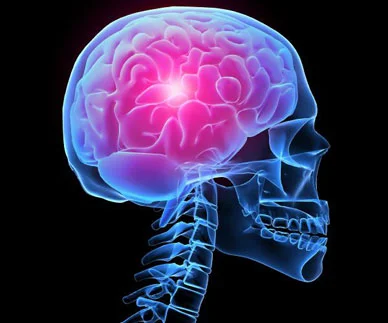
Common anxiety symptoms

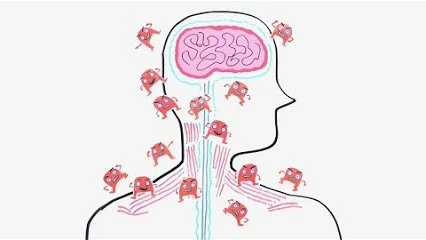
People who suffer from anxiety suffer on both a psychological and physical level. The condition occurs when the body feels threatened that something is about to happen or will happen in the future. 

Read More

What Causes Hives?

What Causes Hives?

Do you get hives and do they keep coming back? We bet you aren't sure why. This is because you may have a condition called Chronic Idiopathic Urticaria. About 20% of people get itchy red or skin-colored welts (also known as urticaria) at some point.

Read More

Do you have Metabolic Syndrome?

Do you have Metabolic Syndrome?

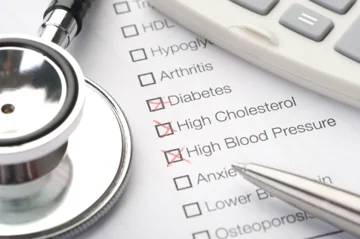
Metabolic syndrome is a condition that is characterized by group of risk factors that raises your risk for heart disease, diabetes, and stroke. These risk factors include excess abdominal body fat or abdominal obesity, high blood pressure, high triglyceride level, low HDL cholesterol level, and high fasting blood sugar, which is an early sign of diabetes.

Read More

Diabetes and bladder problems

Diabetes and bladder problems

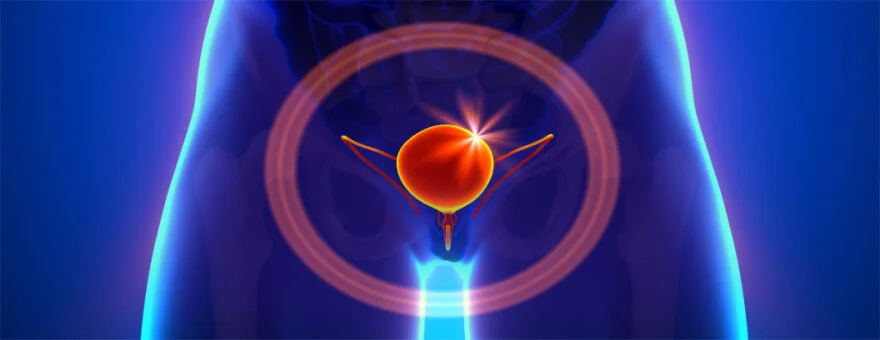
Diabetes can cause certain urologic problems involving the bladder and urinary tract infections. There are four main ways that diabetes may cause problems controlling your bladder: obesity, nerve damage, having a weak immune system, and taking certain diabetes medications.

Read More

Understanding Heart Rhythm Disorder

Understanding Heart Rhythm Disorder

A heart rhythm disorder is also known as a heart arrhythmia, cardiac ectopy, or dysrhythmia. Heart rhythm problems occur when the electrical impulses that coordinate your heartbeats don't work properly, causing your heart to beat too fast, too slow or irregularly.

Read More

What it mean to have Hypertension

What it mean to have Hypertension

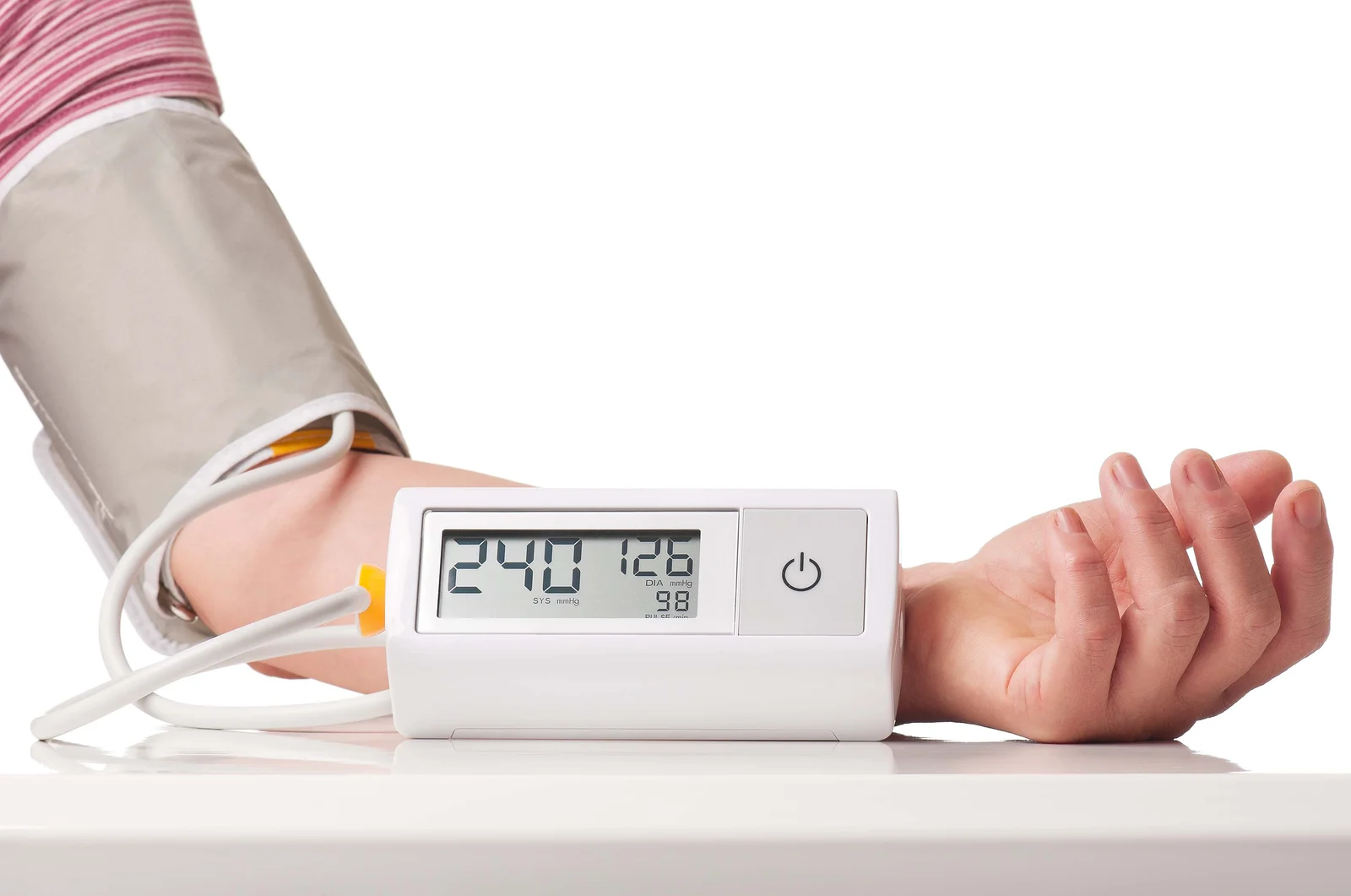
Hypertension is one of the most common conditions that affects millions of people. It is a condition in which a person’s blood pressure is greater than a healthy level and puts too much force on the artery walls.

Read More

10 Essential Facts About Salmonella

10 Essential Facts About Salmonella

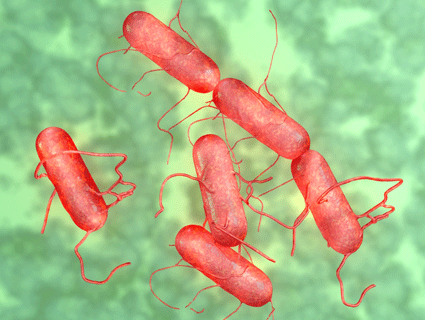
CDC: 2 people have died, and 91 others have been hospitalized, due to an outbreak of salmonella spanning 31 states that's been linked to cucumbers grown in Mexico. A Texas woman who had serious underlying health issues is the most recent victim to be killed by the outbreak, which has been traced back to cucumbers distributed in California.

Read More

Epilepsy and Seizures

Epilepsy and Seizures

Epilepsy is a condition that is characterized by having seizures. It is estimated that about 1 in 26 people in the United States suffers from epilepsy. About ten percent of people may have an unprecedented seizure at some point in their life. 

Read More

How the Heart Fails

How the Heart Fails

Heart failure is a condition that occurs when the heart is not pumping blood as effectively as it should. It is estimated that there are more than three million cases of heart failure each year in the United States. 

Read More

Learning About Autoimmune Disorders

Learning About Autoimmune Disorders

Multiple sclerosis: Symptoms of MS include weakness, trouble with balance and coordination, problems speaking and walking, paralysis, tremors, and numbness in the extremities. There are a number of medications that can help patients manage symptoms, treat flare-ups, modify the course of the MS, and improve function.

Read More

Understanding Anemia

Understanding Anemia

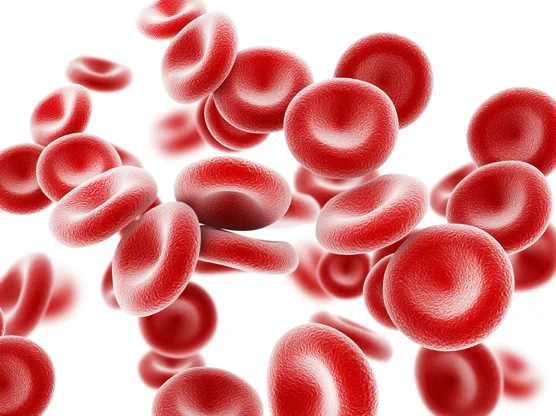
nemia is a condition that occurs when a person does not have a sufficient amount of healthy red blood cells to carry adequate oxygen to your tissues. The condition causes a person to feel very weak and fatigued. There are many types of anemia, all of which may be caused by different things. The most common cause of anemia is loss of blood. Having anemia may be temporary or long term. It may also range from mild to severe.

Read More

Chronic obstructive pulmonary disease

Chronic obstructive pulmonary disease

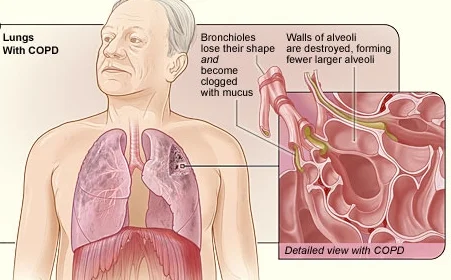
Chronic obstructive pulmonary disease is often referred to as COPD. It is a chronic inflammatory disease that occurs in the lungs. It causes the airflow from the lungs to become obstructed. Chronic obstructive pulmonary disease is often caused by smoking. People with chronic obstructive pulmonary disease have an increased risk of developing serious health conditions such as heart disease and lung cancer.

Read More