What is Hirsutism?

What is Hirsutism?

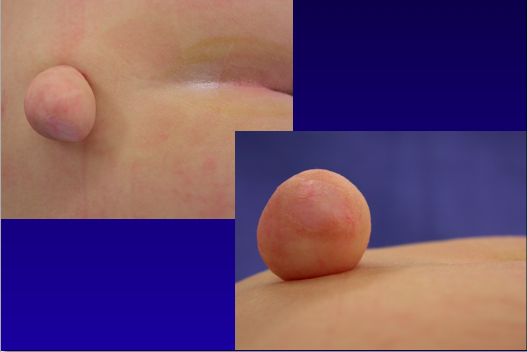
Hirsutism is a condition that occurs in women and is characterized by unwanted body hair in the male-pattern form. The condition causes an excessive amount of body hair that appears in areas on women’s bodies where men usually grow body hair such as the back, chest, and face. It is estimated that about one in twenty women in the United States has hirsutism.

Read More

Understanding Histoplasmosis

Understanding Histoplasmosis

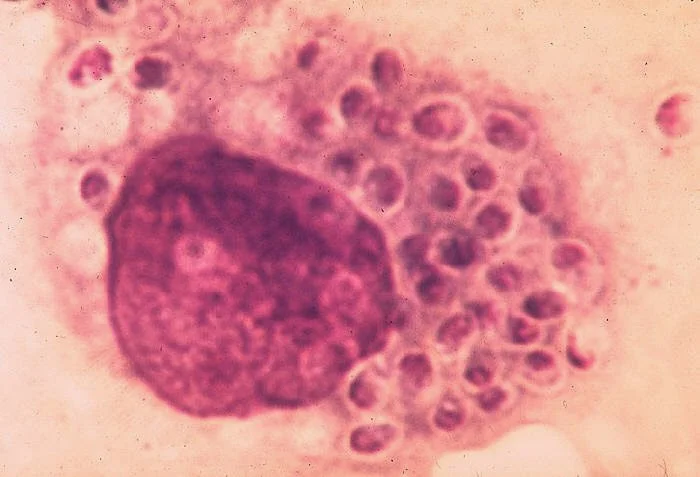
Histoplasmosis is a fungal infection that is caused by inhaling fungal spores into your lungs. The spores of a fungus are often found in the fecal matter of birds and bats which is often found in soil. People are most commonly exposed to histoplasmosis when these fungal spores are airborne during cleanup or demolition projects. It is most often found in the mid-Atlantic, southeastern, and central regions of the United States. The illness can either be mild or life-threatening. Histoplasmosis most often affects your lungs. However, if the infection is severe, it can spread throughout the entire body. There are about 250,000 people in the United States who get histoplasmosis each year.

Read More

What is Hepatitis A?

What is Hepatitis A?

Hepatitis A is an extremely contagious infection of the liver. It is caused by the hepatitis A virus and causes inflammation of the liver which affects the liver’s ability to function. It is one of three of the most common types of hepatitis viruses: hepatitis A, hepatitis B, and hepatitis C. Hepatitis A is the mildest form of hepatitis. There are about 20,000 people in the United States who get hepatitis A every year.

Read More

Black Widow Spider Bites

Black Widow Spider Bites

Just the thought of spiders is enough to make most of us queasy, but what about getting bit by one?  Is this bite something to be worried about? And if you are bitten, what should you do? Getting bitten by a spider is usually not something to worry about, unless it is a large spider such as a tarantula that may be able to puncture the skins surface, or a spider that produces venom.  Venomous spiders include the brown recluse spider, and the infamous black widow spider which we will describe here. 

Read More

What is Heartburn?

What is Heartburn?

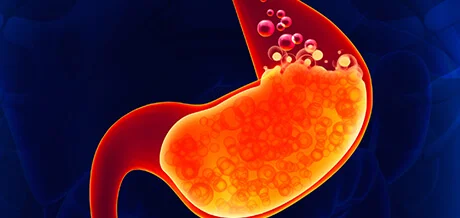
Maybe it’s the middle of the night, you wake up coughing, choking.  Or perhaps you are at work, you have a big greasy meal for lunch, and all of a sudden you feel a burning, stabbing, insistent pain in your chest.

Sound familiar?

If these scenarios do sound familiar, you could be one of the 15 million Americans who suffer from heartburn and acid reflux daily.

Read More

Signs of Autoimmune Disease

Signs of Autoimmune Disease

An autoimmune disease is a disorder that arises from an unusual immune response of the body against healthy body tissue.  Essentially, it is the body mistakenly attacking and destroying itself.  This may be restricted to certain organs or involve a particular tissue.  Immunosuppressants, medications that decreases the immune response, are typically the treatment for the more than 80 different types of autoimmune diseases.  Some examples of autoimmune diseases that may sound familiar are Celiac disease, thyroiditis, fibromyalgia, Lupus and rheumatoid arthritis.

Read More

Learning About Chagas Disease

Learning About Chagas Disease

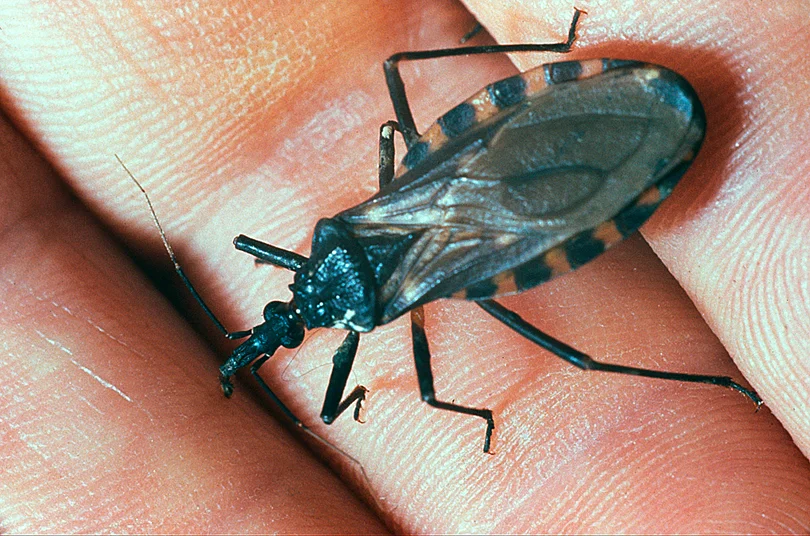
Chagas disease is a potentially life threatening disease that typically found in parts of Latin America.  It is also called American trypanosomiasis named after the parasite Trypanosoma cruzi, which it is caused by.  This parasite and disease is spread through a 6 legged vector, or insect dubbed the “kissing bug” which carries the parasite.  You might be asking yourself why the triatomine bug is nicknamed the “kissing bug”, and the reason is not as cute as the name might let on.  They are called “kissing bugs” because their favorite place to feed, or suck blood, is the face. 

Read More

The Science of Whiplash

The Science of Whiplash

Whiplash is a type of neck injury that occurs as a result of fast and vigorous movement of the neck. It is most occurs after a person has been involved in a car accident. However, many people also experience whiplash while playing sports or during some other type of traumatic accident. Whiplash may also know known as a neck sprain or neck strain.

Read More

What is West Nile Virus?

What is West Nile Virus?

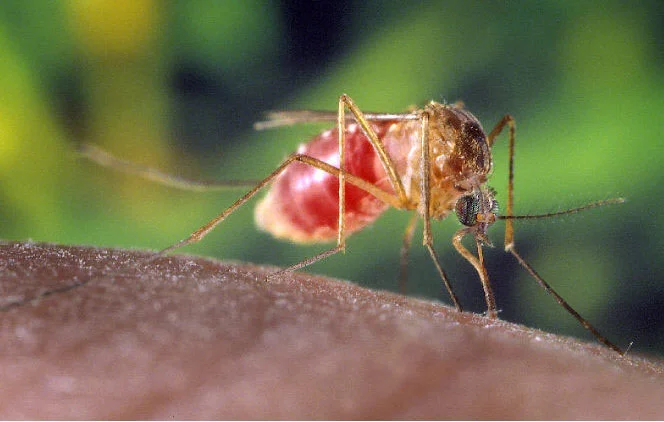
West Nile virus is caused by a virus that is commonly spread by infected mosquitoes. Mosquitoes get infected after biting infected birds. While West Nile virus is usually found in other parts of the world such as Africa, the Middle East, India and parts of Asia, the virus is present in the United States as well. There are about 1,000 cases of West Nile virus reported in the United States each year. However, these numbers can vary.

Read More

What is Wernicke’s syndrome?

What is Wernicke’s syndrome?

Wernicke’s syndrome is a type of brain disorder that is caused by a long-term, inefficient amount of vitamin B1 (thiamine). It is also known as Wernicke's encephalopathy or Wernicke-Korsakoff syndrome.  The condition most often occurs among people who suffer from alcoholism. However, it can also occur among people who are undergoing chemotherapy treatment, are vomiting chronically, have an eating disorder, or have had bariatric surgery. Wernicke’s syndrome is actually two separate conditions, Wernicke’s encephalopathy and Korsakoff’s syndrome. 

Read More

Acute Respiratory Distress Syndrome

Acute Respiratory Distress Syndrome

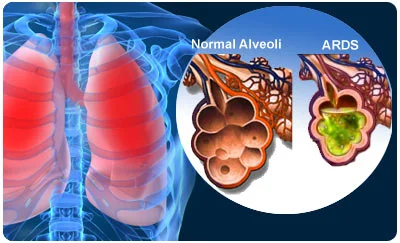
Acute respiratory distress syndrome is the sudden failure of the respiratory system, or breathing.  It can occur in anyone who is critically ill with a different illness or who is suffering from major injuries.  Most people who develop this syndrome are already being hospitalized for something else. The most common symptoms people experience are quick breathing, low levels of blood oxygen, and trouble getting enough air when breathing.

Read More

Learning About Avascular Necrosis

Learning About Avascular Necrosis

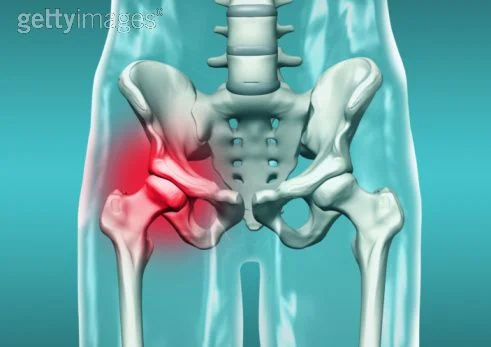
Over 15,000 people are diagnosed with avascular necrosis every year in the United States. This bone disorder, also known as osteonecrosis, is the death of bone tissue due to a lack of blood supply. Avascular necrosis can lead to tiny breaks within the bone and if it progresses enough will lead to the collapse of the entire bone.  There are several causes, like trauma to the bone itself when it is broken of dislocated.  But can also be caused by chronic use of medications like high-dose steroids.  It can affect anyone, but there is increased risk for people between the ages of 30 and 60.  If not treated early, this disorder can have significant long-term consequences.

Read More

Understanding the Risks of Viral Meningitis

Understanding the Risks of Viral Meningitis

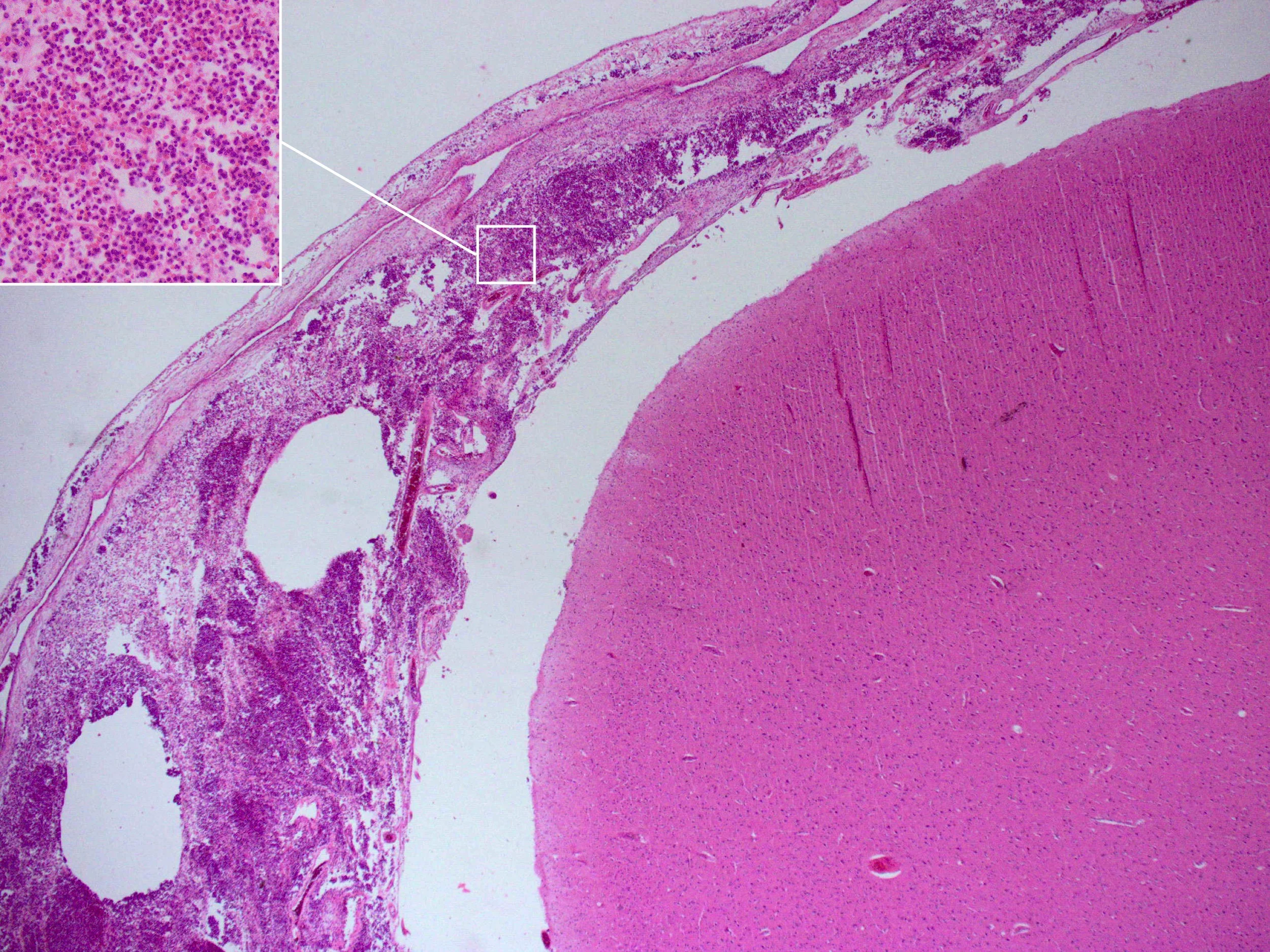
Aseptic or viral meningitis is inflammation of the lining around the brain and spinal core. A virus is usually the root cause such as fungi, diseases spread by insects and other conditions that trigger it. This type of meningitis is usually not as serious as bacterial meningitis, which is life-threatening. Symptoms range from headache, neck pain, stiffness, confusion, sleepiness, fatigue, fever, sensitivity to light, muscle pain, nausea, vomiting and seizures. 

Read More

Ever heard of Barbiturate Abuse?

Ever heard of Barbiturate Abuse?

Also called, Amobarbital, mephobarbital, pentobarbital, phenobarbital, secobarbital, or tuinal abuse, Barbiturate Abuse brings on the feeling of being high, drunk or sleepy. Patients may slur their words, stagger or become confused. Chronic use can cause irritability, memory loss, and difficulty dealing with people. High doses of Barbiturates, a type of prescription sedatives, can even induce a coma, make it difficult to breath and even cause death. 

Read More

What is amenorrhea?

What is amenorrhea?

Amenorrhea is a condition in which a woman does not menstruate or experiences one or more missed menstrual periods. There are two types of amenorrhea: primary amenorrhea and secondary amenorrhea. Primary amenorrhea is when a girl does not get her period by age 15. Secondary amenorrhea is when a female has had a normal menstrual cycle, but stops getting them or has missed at least three consecutive menstrual periods. Less than one percent of girls in the United States have primary amenorrhea.

Read More

What is an ACL injury?

What is an ACL injury?

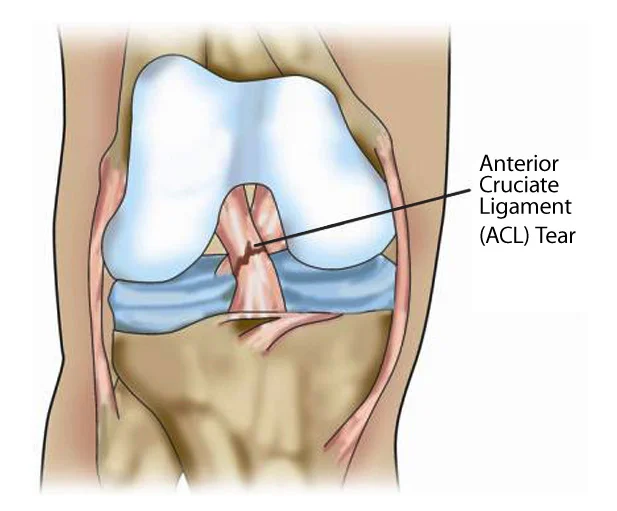
An ACL injury stands for an anterior cruciate ligament injury. It may also be known as a torn ACL. It is one of the most common types of knee injuries. There are about 200,000 people in the United States who have an ACL injury every year.

Read More

Types of dementia

Types of dementia

Vascular Dementia. Usually caused by a major stroke, or one or more silent strokes. The initial symptom is usually having poor judgement or difficulty planning, organizing, and making decisions. Other symptoms may include memory problems that disrupt your daily life, trouble speaking or understanding speech, problems recognizing sights and sounds that used to be familiar, being confused or agitated, changes in personality and mood, or problems walking and having frequent falls.

Read More

How Alcoholism Develops

How Alcoholism Develops

Many of us have a drink with dinner, or a few when going out with friends or at family gatherings.  But for some people, the occasional drink is not occasional at all, but habitual and excessive.  Alcoholism is a disease where the body becomes physically addicted or dependent on alcohol. For many alcoholics, as with other substance abuse disorders, drinking becomes a compulsion rather than a choice.  This means alcoholics continue to drink despite the deleterious effects on personal relationships, everyday life and overall health.  Many suffering from alcoholism may not even recognize that they have it, and can’t recognize the symptoms that they display.  About 8% of Americans are diagnosed as alcoholics. 

Read More

What is an Achilles tendon rupture?

What is an Achilles tendon rupture?

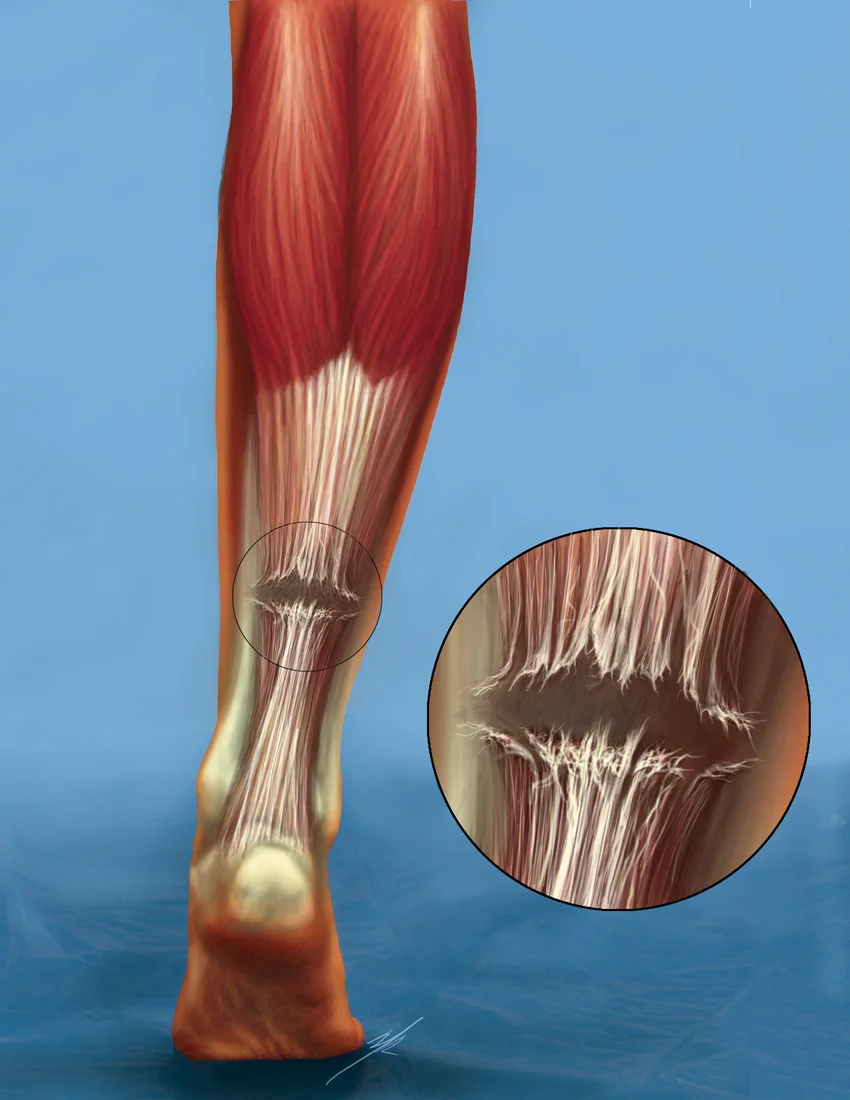
An Achilles tendon rupture is an injury that affects the back of the lower leg. It most common among people who play sports. The Achilles tendon connects the calf muscle to the heel. It is the tendon that is responsible for making it possible to walk, jump, run, and point your toes. The Achilles tendon is the largest and strongest tendon in the body. If it is not used often, it can become weak. An Achilles tendon can tear or rupture if it is overstretched. The tear can be a partial tear or a full tear.  

Read More

What is a benign lipoma?

What is a benign lipoma?

A benign lipoma is a collection of fatty cells that form a lump, or a fatty tumor, underneath the skin. They are usually located between the skin and the muscular layer beneath the skin. Benign lipomas are not cancerous and are usually harmless. They are the most common type of soft tissue tumor. Benign lipomas are most often found on the shoulders, arms, trunk and back. However, they can occur anywhere in the body. Benign lipomas are very rare - about one percent of the population has at least one lipoma.

Read More