Suffering From Chronic Pain in Your 20s?

Suffering From Chronic Pain in Your 20s?

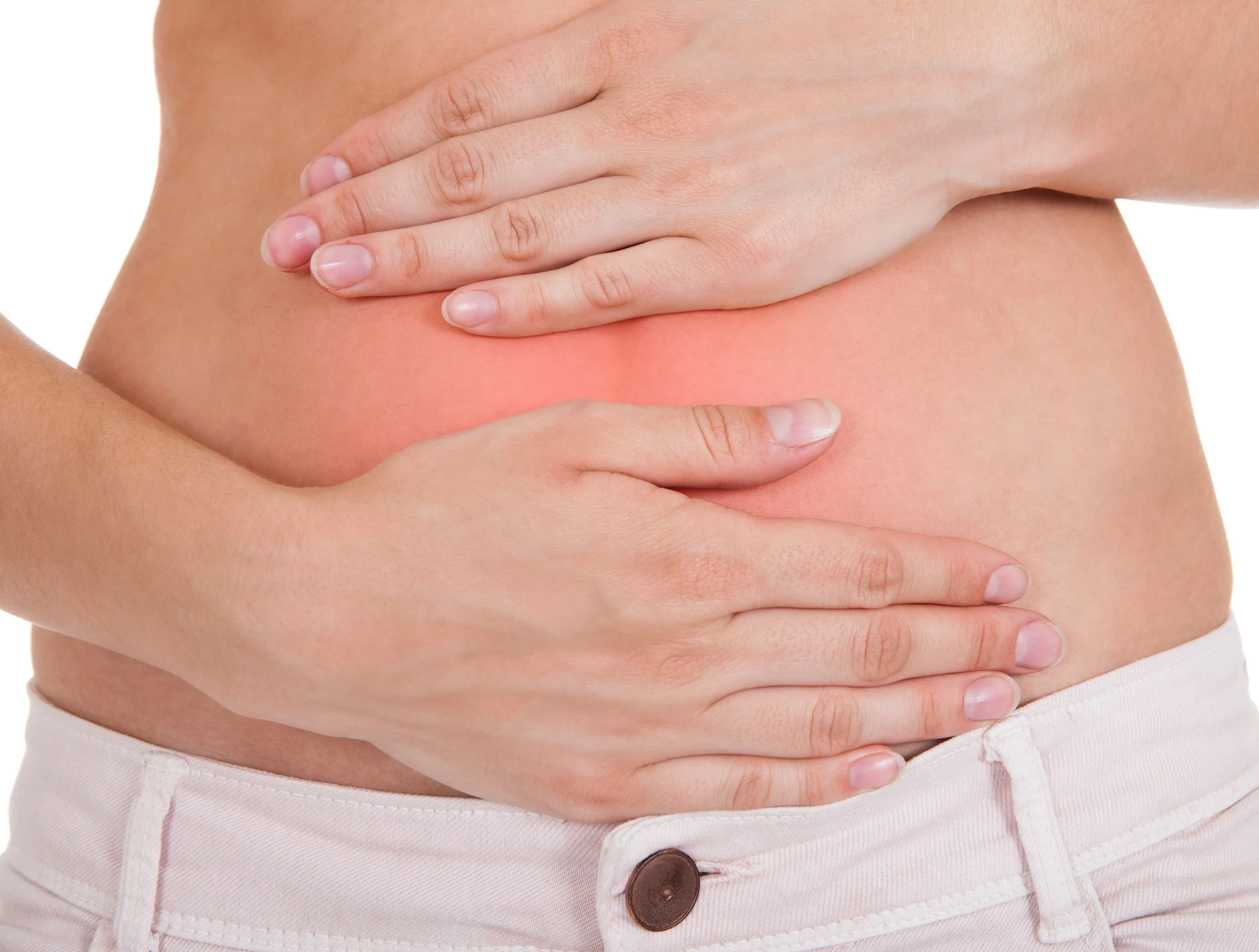
Many young people experience chronic pain even as early as their 20s. They tend to find themselves working closely with a team of medical experts trying to ease the symptoms and find a way through but obviously it can be very debilitating especially at a time in life when freedom and mobility are so critical to the lifestyle. The idea of going out and maintaining a normal 20-something social life is quite difficult with chronic pain. Many lifestyle changes young people are forced to inhibit such as medications, specific and strict diets gets in the way of social activities.

Read More


Do you have Tourette syndrome?

Do you have Tourette syndrome?

Tourette syndrome is a neurological disorder that affects the nervous system. It begins to develop very early on in life, during childhood. Tourette syndrome causes repetitive movements or sounds that cannot be controlled. They are referred to as “tics” and are usually unusual movements or odd sounds that a person has no control over doing or making. An example of a tic is when a person repetitively jerks their head for a brief period of time. Another, more common and stereotypical example is when a person unintentionally yells out offensive words.

Read More

Understanding Epilepsy

Understanding Epilepsy

Epilepsy is a neurological disorder, one that affects the central nervous system, which is present in about 1 in every 26 people in the United States.  Epilepsy occurs when the nerve cell activity in the brain becomes disrupted.  This disruption can cause seizures, nervous system sensations, and sometimes loss of consciousness.

Read More

Peptic Ulcers

Peptic Ulcers

Peptic ulcers come about when acid from the digestive tract erodes, or eats away at, the inner layer of the esophagus, stomach or small intestine.  This constant wearing away of the inner digestive lining creates open sores that over time cause pain, nausea and other symptoms over time.   Currently, about 1 in 10 Americans experiences gastric ulcers at some point in their lives.  Depending on the location of the developing ulcer, whether in the esophagus, stomach, or upper portion of your small intestine, complications can arise over time.  

Read More

What is inflammatory bowel disease?

What is inflammatory bowel disease?

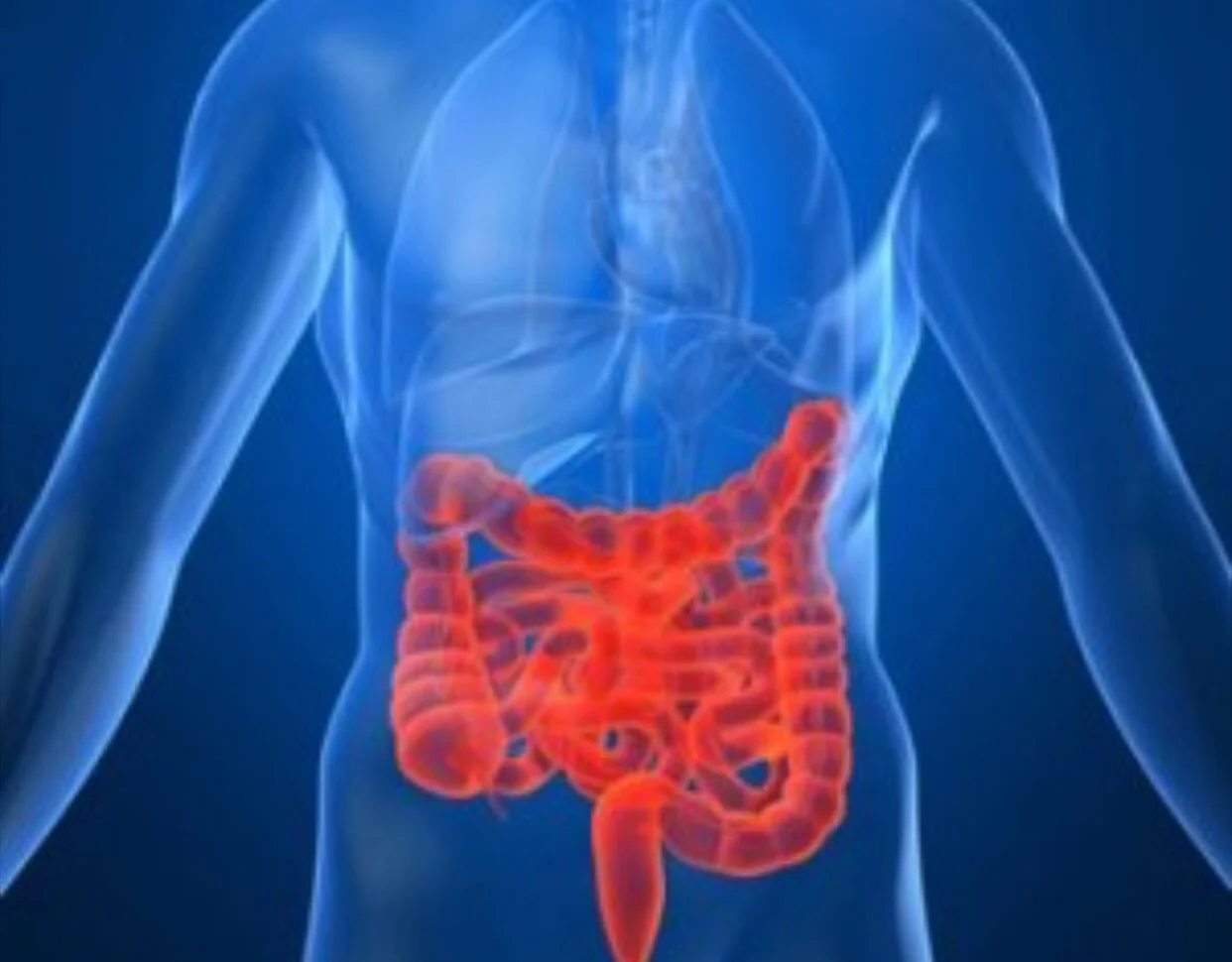
Inflammatory bowel disease (IBD) is a disease that causes chronic inflammation of the digestive tract. It is considered an immune problem because the body actually attacks its own tissue in the intestines which results in swelling and symptoms like chronic diarrhea and cramps. About 1 out of 250 people in the United States (or 1.4 million people) have inflammatory bowel disease. 

Read More

Learning about Gingivitis

Learning about Gingivitis

Gingivitis is a form of gum disease caused most often by poor oral hygiene. It affects about 8 in 10 Americans, which is quite a lot of people.  Dentists recommend brushing and flossing day and night for healthy teeth and gums.   This habit of good oral hygiene can help you avoid some major health issues, aside from giving you whiter and brighter teeth.  Brushing and flossing give you a way to rid the mouth of disease causing bacteria.  When there is poor oral hygiene, bacteria and debris form a sticky plaque on teeth along the gum line.  This plaque causes gums to swell and redden, becoming inflamed.  Often, if allowed to progress, gums will get red, s

Read More

What is hyperventilation?

What is hyperventilation?

Hyperventilation is a condition that occurs when you begin to breathe very quickly. There are a number of things that can cause a person to hyperventilate. It occurs as a result of an imbalance in the amount of oxygen and carbon dioxide entering and exiting your body. With hyperventilation, there is a decrease in carbon dioxide which is caused by exhaling more than inhaling. There are millions of people in the United States who experience hyperventilation every day.

Read More

What is a hiatal hernia?

What is a hiatal hernia?

A hiatal hernia is when part of the stomach pushes upward through your diaphragm. About 15 percent of people in the United States have a hiatal hernia. Most people only experience mild or occasional symptoms. People who develop a small hiatal hernia do not often have any problems associated with the condition. Sometimes, people with small hiatal hernias don’t even know they have one until it is found incidentally by a doctor. However, when people have a large hiatal hernia, food and acid can get backed up into the esophagus, which can cause heartburn.

Read More

What is hyperthyroidism?

What is hyperthyroidism?

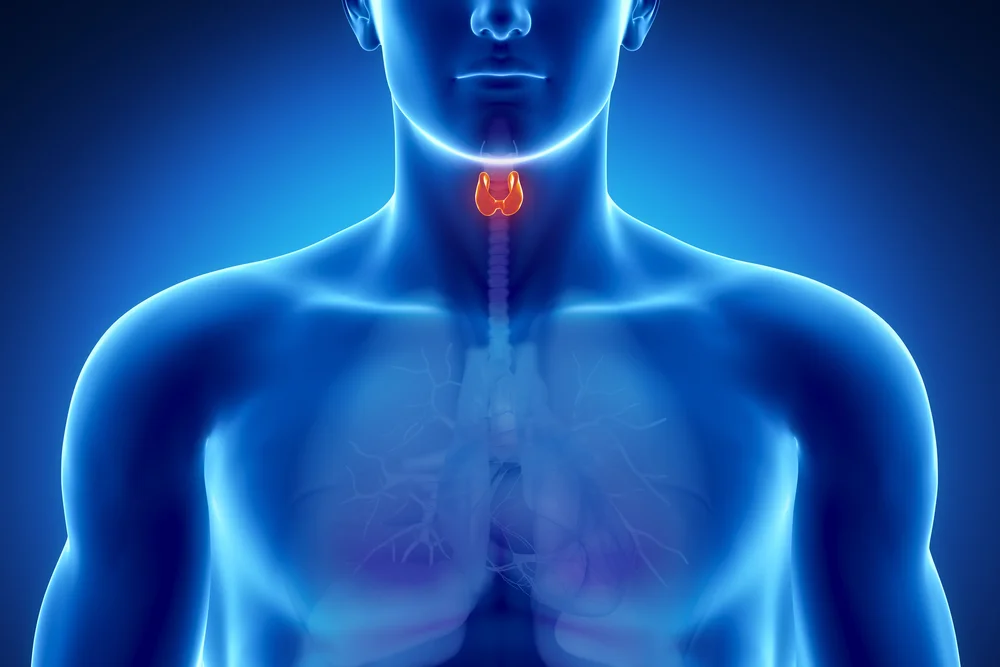
Hyperthyroidism is a condition that occurs when a person’s thyroid is overactive. In other words, the thyroid gland produces too much thyroxine. Thyroxine is the main hormone that is secreted into the bloodstream by the thyroid gland. Hyperthyroidism is also known as thyroiditis, Grave’s disease, or thyrotoxicosis.

Read More

What you should know about high blood pressure

What you should know about high blood pressure

High blood pressure is a very common condition and affects millions of people within the United States. High blood pressure is also known as hypertension and is a condition in which a person’s blood pressure is greater than a healthy level and puts too much force on the artery walls. About one-third of adults in the United States have high blood pressure.

Read More

High-Risk Areas for Lyme Disease

High-Risk Areas for Lyme Disease

Lyme disease diagnoses are on the rise according to a new study published by the government this week. The geographic areas where Lyme disease appears to be the biggest danger has dramatically increased with U.S. cases remaining concentrated in the Northeast and upper Midwest. The study revealed that more areas in those regions are considered high-risk. With a total of 260 counties where the number of Lyme disease cases doubled is expected given the growing number of America's population. That increase is up from 130 just 10 years ago.

Read More

Learning About Emphysema

Learning About Emphysema

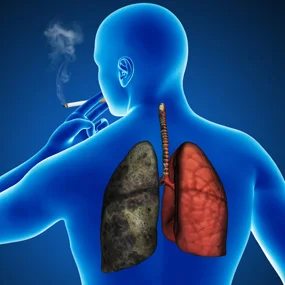
Emphysema is a chronic lung condition where the alveoli in your lungs are slowly damaged and destroyed.  The alveoli are small air sacs in your lungs that make breathing possible.  These tiny sacs allow oxygen and carbon dioxide to be exchanged between the lungs and the bloodstream.  When these air sacs become compromised, it makes it difficult for your body to get the oxygen it needs, and makes breathing difficult.  Emphysema is part of a group of lung diseases known as chronic obstructive pulmonary disease, or COPD.   The most common cause of this pulmonary obstructive disease is smoking.  Although it may take years to develop, emphysema is characterized by symptoms like shortness of breath, chronic cough, wheezing, fatigue, and chest tightness.

Read More

Hemorrhoids: What You Need to Know

Hemorrhoids: What You Need to Know

Hemorrhoids are swollen and inflamed veins that appear on the anus and lower rectum. They are also known as piles. Hemorrhoids often occur when a person strains during bowel movements or is constipated, or when women experiences increased pressure on the veins during pregnancy. Hemorrhoids can be internal or external. They may appear inside the rectum (internal) or under the skin around the anus (external). Both types of hemorrhoids can cause anal pain, bleeding, itching, or a hard lump near the anus.

Read More

What is hydronephrosis?

What is hydronephrosis?

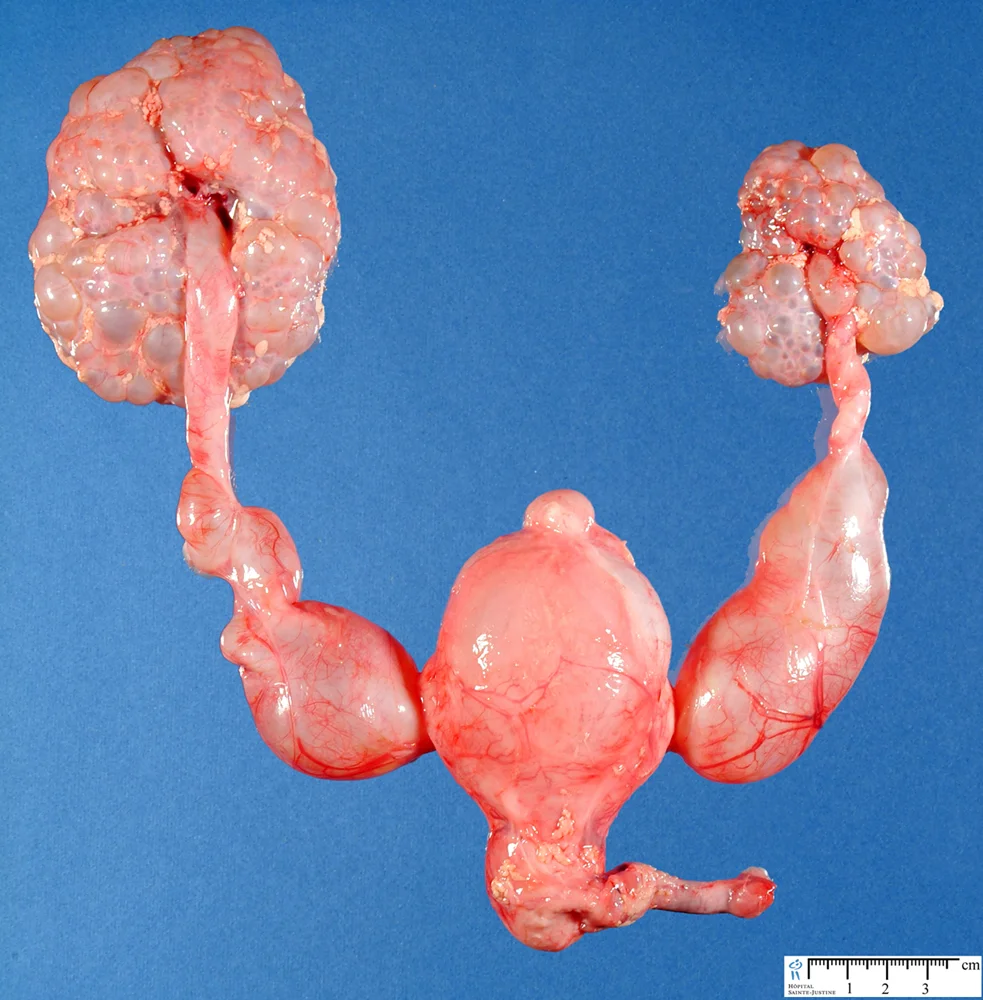
Hydronephrosis is the swelling of a kidney which is caused by the accumulation of urine. This happens when the kidney cannot empty urine out through the bladder as a result of a blockage or obstruction such as a kidney stone, blood clot, tumor, enlarged prostate, or enlarged uterus during pregnancy. Hydronephrosis can occur in either one or both kidneys. If the condition appears suddenly, it can be extremely painful. Early diagnosis is crucial in order to prevent permanent kidney damage.

Read More

How Gallstones Are Detected

How Gallstones Are Detected

Gallstones, known by its medical term cholelithiasis, is a condition of the gallbladder where hardened deposits (stones) develop within the digestive fluid of the gallbladder.  The gallbladder is a small organ found under the liver on the right side of the body, which stores bile produced by the liver.  After meals, the gallbladder transports bile, a yellowish-brown fluid, to the small intestine and helps the body break up and digest fatty foods.

Read More

What is hepatitis C?

What is hepatitis C?

Hepatitis C is a liver infection caused by a virus that causes inflammation. It is contagious and people get it when it is passed on when an infected person’s blood enters their body. This usually happens when people share needles when using illegal drugs like heroin. Most people don’t have any signs or symptoms, and therefore are unaware they even have it until it causes liver damage. The infection can progress for many years and cause life-threatening complications like cirrhosis, liver cancer, and liver failure. There are about 2.7 million people in the United States that are infected with hepatitis C.

Read More

What is gout?

What is gout?

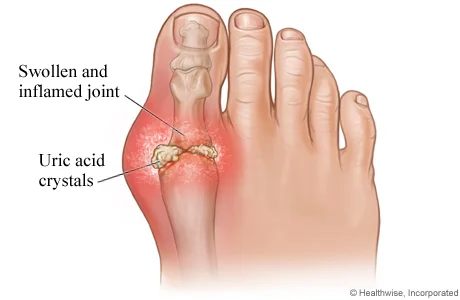
Gout is a type of arthritis that is caused by too much uric acid in the body. Too much uric in the body occurs for two reasons: when the body produces an excess amount of uric acid or when the kidneys fail to get rid of the proper amount of it. When uric acid builds up in the body, it builds up within the fluid that surrounds the joints. This eventually causes severe joint pain and inflammation and most often affects the big toe, heels, ankles, knees, fingers, wrists, and elbows. This can later lead to kidney stones and lumps of uric acid crystals under the skin.  About five out of 1,000 people in the U.S. have gout.

Read More

Autoimmune diseases are one of the leading causes of suffering in the world

Autoimmune diseases are one of the leading causes of suffering in the world

There are now two times more Americans living with autoimmune diseases than heart disease, according to The American Autoimmune Related Diseases Association. Despite billions of dollars spent on care every year, people are struggling with autoimmune problems more than ever before.

Read More

What is heat stroke?

What is heat stroke?

Heat stroke is also known as hyperthermia. It is a condition that occurs when the body becomes overheated as a result of being exposed to high temperatures for a long period of time. More specifically, heat stroke occurs when your internal body temperature is greater than 104 degrees Fahrenheit. Simply being in the sun/hot weather for a long time can cause heat stroke. Some people may think heat stroke can be taken lightly, but it is actually a medical emergency and requires immediate treatment. About 334 people in the United States die each year from heatstroke.

Read More

What is Deep Vein Thrombosis?

What is Deep Vein Thrombosis?

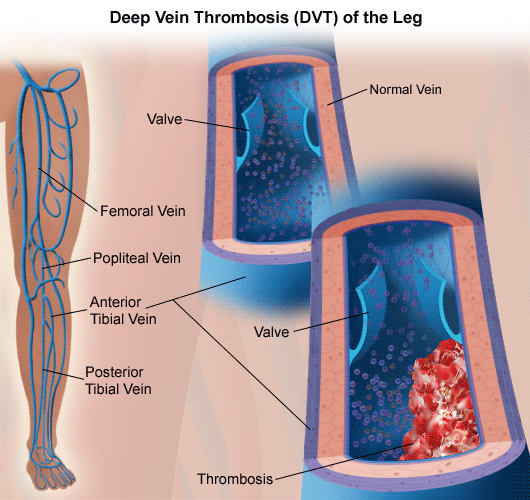
Blood clotting is necessary to help stop bleeding after an injury. However, sometimes blood clots form where they shouldn’t and can spell trouble for your health.  When blood clots form abnormally, they can be dangerous and block a vein or artery.  Blood clots in the veins and arteries increase the risk for heart attacks, strokes, pulmonary embolisms and miscarriages.  Obviously this all depends on where the clot forms. 

Read More