What you need to know about heart health
/
Watch your blood pressure. Keep your blood pressure in check to maintain a healthy heart. Find ways to reduce stress and make sure you track your numbers.
Read MoreWatch your blood pressure. Keep your blood pressure in check to maintain a healthy heart. Find ways to reduce stress and make sure you track your numbers.
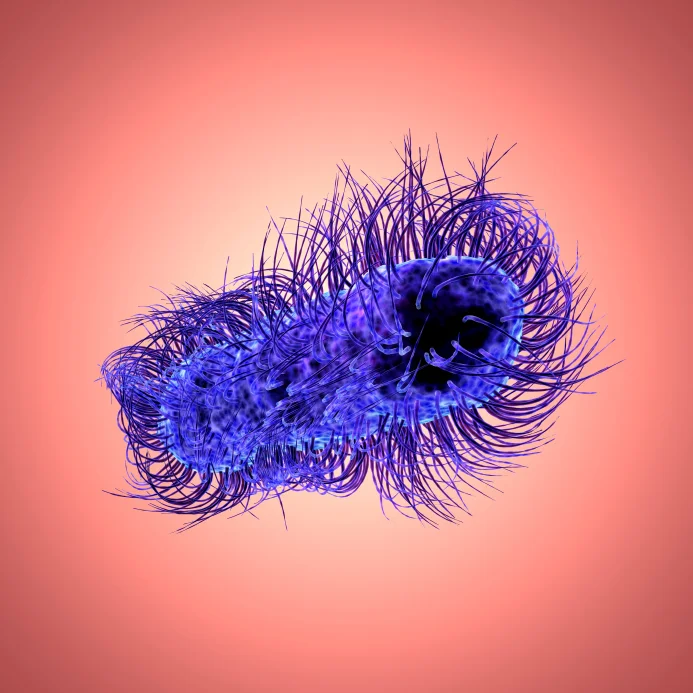
Read MoreWe’ve all been treated by antibiotics for one thing or another, but what antibiotics no longer worked as an effective cure? This is currently the future we face with one of the most prominent sexually transmitted diseases, gonorrhea.
Read MorePancreatitis is a disease that causes the pancreas to become inflamed. It can either be acute or chronic. Acute pancreatitis occurs when the pancreas becomes suddenly inflamed, which only lasts for a few days.
Read MoreMany Americans are eating more calories than they burn mainly because food is more convenient than ever before. It is very easily accessible, especially with the use of mobile apps these days. The majority of Americans also don't get much exercise.
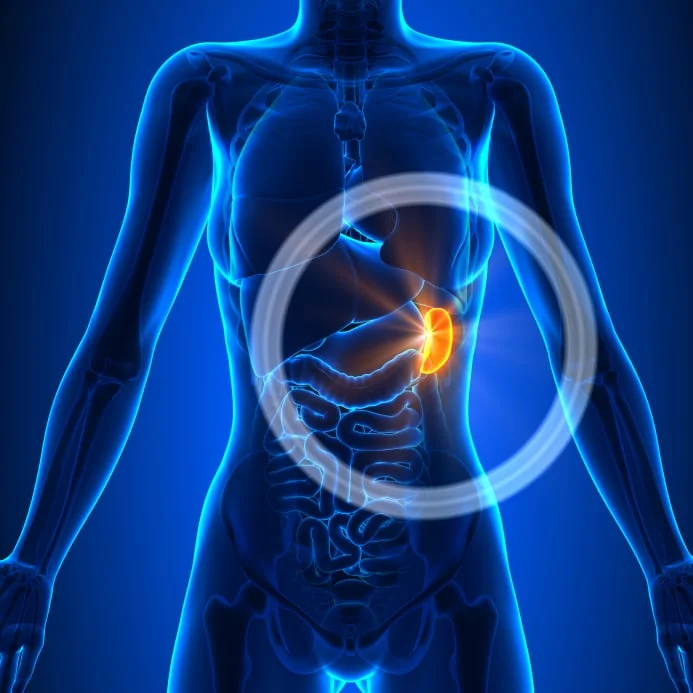
Read MoreThe spleen is an organ that sits on the left upper quarter of the abdomen. The spleen commonly lies under the ninth to the twelve rib, next to the stomach and pancreas. One of the major functions of the spleen is to filter the blood of old and dying red blood cells. The spleen also stores platelets that normally help in blood coagulation and clotting.
Read MoreRob Kardashian, 28-year-old reality television star seen on ‘Keeping up with the Kardashians’, has been diagnosed with diabetes after being rushed to the hospital for feeling ill. This is news to him and the family, as they were unaware he was diabetic. As seen on the reality show, Rob has gained a significant amount of weight over the last few years and has been battling with depression. As a result, he has removed himself from the public eye and no longer appears on the show with his sisters and mother.
Read MoreRaynaud’s disease is a condition that causes some areas of your body to feel numb and cool in response to cold temperatures or stress. This is caused by narrowing of the small arteries that supply blood to your skin, limiting blood circulation. When exposed to cold temperature the blood supply is markedly reduced and the skin turns pale or white and becomes cold and numb. When the oxygen supply is depleted, the skin color turns blue, something that is known as cyanosis.
Read MoreBotulism is a serious and potentially fatal disease. It is a rare paralytic illness that is caused by the nerve toxins of certain bacteria which are found in soil and untreated water. People catch botulism from ingesting improperly processed foods in which the bacteria of the spores are present and produce toxins. It cannot be passed from human to human.
Read MoreAsthma is a chronic lung disease that affects more than 25 million people in the United States. Asthma interferes with breathing by inflaming, thereby narrowing the airways. Asthma is typically characterized by episodes of breathlessness and wheezing. When these episodes are more serious, they are known as asthma attacks. Because the trouble starts from chronic inflammation in the airways that carry air to the lungs, it is good to know how these airways work.
Read MoreHeart failure is a condition that occurs when the heart is not pumping blood as effectively as it should. It is estimated that there are more than three million cases of heart failure each year in the United States. It is also known as congestive heart failure and is a chronic condition. With congestive heart failure, the ventricles are unable to pump blood in ample volume. As a result, blood and other fluids get backed up inside the lungs, abdomen, liver, and lower body which can be life-threatening.
Signs and symptoms of congestive heart failure:
· Shortness of breath when you exert yourself or when you lie down
· Fatigue and weakness
· Swelling in your legs, ankles and feet
· Rapid or irregular heartbeat
· Reduced ability to exercise
· Persistent cough or wheezing
· Increased need to urinate at night
· Swelling of your abdomen
· Sudden weight gain from fluid retention
· Lack of appetite and nausea
· Difficulty concentrating or decreased alertness
· Sudden, severe shortness of breath and coughing up pink, foamy mucus
· Chest pain if your heart failure is caused by a heart attack
Congestive heart failure may be caused by other health conditions that affect your heart such as high blood pressure, coronary artery disease, or certain valve conditions. When your blood pressure is greater than 120/80 mmHg it can eventually lead to CHF if left untreated or not managed properly. With coronary artery disease, your heart’s coronary arteries become damaged by restricting blood flow. The arteries become blocked and narrowed as fatty substances build up. Valve conditions occur when the valves do not open and close correctly which causes the ventricles to work even harder to pump blood to the rest of your body.
Treatment for congestive heart failure may include ACE inhibitor medications, diuretics, heart muscle stimulants, beta-blockers, surgery, devices such as a pacemaker or implantable cardioverter-defibrillator, or a heart transplant.
Local anesthetic toxicity is also known as local anesthetic systemic toxicity. This condition can occur when the levels of a local anesthesia in your blood are too high. Local anesthesia is often used during medical and dental procedures to help numb the area of the body that is being operated on. Local anesthesia is usually very safe. However, if you are given too much local anesthesia or it gets injected into your body too quickly into the veins, it can cause symptoms that are harmful. As a result, a person can develop local anesthetic toxicity. Local anesthetic toxicity can cause lightheadedness, confusion, dizziness, abnormal taste, loss of consciousness, or seizures. In cases that are severe, it can even cause death. It is estimated that about one in every 1,000 people who are operated on using local anesthesia may have some degree of local anesthetic toxicity.
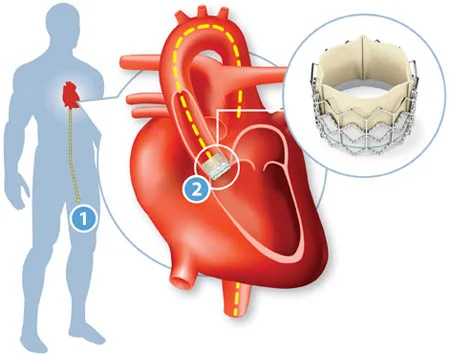
Read MoreTranscatheter Aortic Valve Replacement is a type of procedure to treat aortic valve stenosis. Aortic valve stenosis occurs when there is a narrowing of the aortic valve in the heart. When the aortic valve becomes narrow, the valve is no longer able to fully open. This leads to an obstruction of blood from the heart to the aorta and throughout the rest of the body.
Read MorePick’s disease is a type of dementia. It is very rare, and it is irreversible. Pick’s disease may also be known as frontotemporal dementia, semantic dementia, or Arnold Pick's disease. It is believed that Pick’s disease accounts for up to fifteen percent of all dementia cases. This condition can cause severe personality changes.
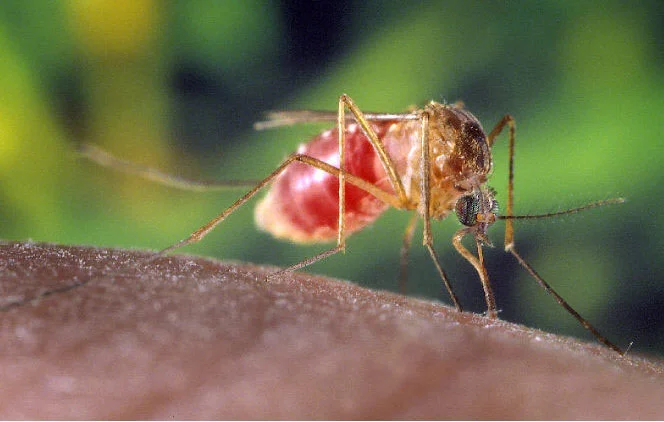
Read MoreWest Nile virus is caused by a virus that is commonly spread by infected mosquitoes. Mosquitoes get infected after biting infected birds. While West Nile virus is usually found in other parts of the world such as Africa, the Middle East, India and parts of Asia, the virus is present in the United States as well. There are about 1,000 cases of West Nile virus reported in the United States each year. However, these numbers can vary.
Read MoreHyperventilation is a condition that occurs when you begin to breathe very quickly. There are a number of things that can cause a person to hyperventilate. It occurs as a result of an imbalance in the amount of oxygen and carbon dioxide entering and exiting your body. With hyperventilation, there is a decrease in carbon dioxide which is caused by exhaling more than inhaling. There are millions of people in the United States who experience hyperventilation every day.
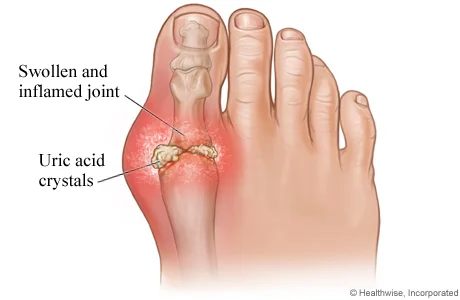
Read MoreGout is a type of arthritis that is caused by too much uric acid in the body. Too much uric in the body occurs for two reasons: when the body produces an excess amount of uric acid or when the kidneys fail to get rid of the proper amount of it. When uric acid builds up in the body, it builds up within the fluid that surrounds the joints. This eventually causes severe joint pain and inflammation and most often affects the big toe, heels, ankles, knees, fingers, wrists, and elbows. This can later lead to kidney stones and lumps of uric acid crystals under the skin. About five out of 1,000 people in the U.S. have gout.
Read MoreThere are now two times more Americans living with autoimmune diseases than heart disease, according to The American Autoimmune Related Diseases Association. Despite billions of dollars spent on care every year, people are struggling with autoimmune problems more than ever before.
Read More