How to protect yourself from deadly strains of E. coli
/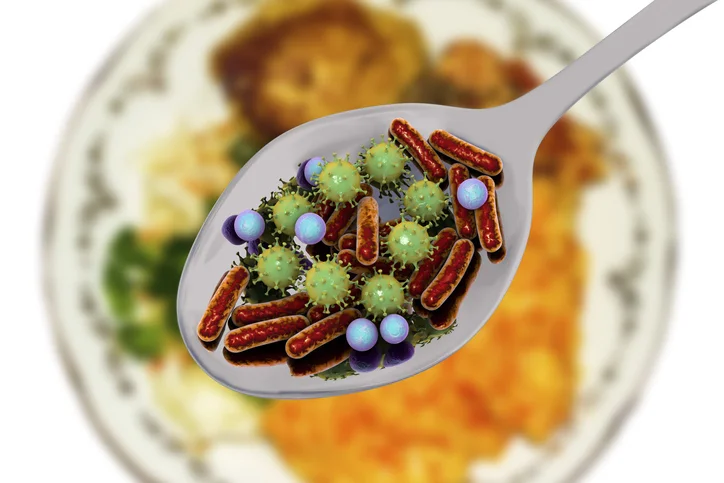
E. coli or Escherichia coli, is a bacteria that normally lives in the intestines of healthy people and animals.
Read MoreE. coli or Escherichia coli, is a bacteria that normally lives in the intestines of healthy people and animals.
Read MoreWould you know if you had heart disease? There’s a good chance you may not since heart problems tend to be subtle without necessarily drawing attention to itself.
Read MoreHere is a look at 10 difficult to diagnosis diseases which sometimes doctors overlook, why this may happen and what you can do to get an accurate diagnosis in a timely manner.
Read MoreA diabetic foot ulcer is when someone with diabetes has an open sore or wound commonly located on the bottom of the foot.
Read MoreOne of the most important organs in your body is your kidneys.
Read MoreEvery day, upwards of 20 million Americans suffer from a condition called peripheral neuropathy.
Read MoreAnyone with dementia not only deals with cognitive decline, but also faces the increased risk of falling.
Read MoreAs unpleasant as they can be, a cough is considered a major player in protecting the body against disease.
Read MoreNormally the immune system of healthy people quietly does its job of keeping us from getting sick by seeking out and destroying invaders of the body that want to cause us harm.
Read MoreYou’ve been having issues with your teeth. Maybe tooth pain, a chipped tooth, or bleeding gums. But, like many of us, you put off the obvious – a trip to the dentist.
Read MoreAll of us have experienced illness from bacteria that can cause a sore throat or bronchitis. Usually after a few days of antibiotics, the symptoms of these illnesses disappear and you feel fine.
Read MoreFacts don’t lie and when it comes to women and their hearts, knowing the truth can be like holding up a mirror revealing what is really going on inside.
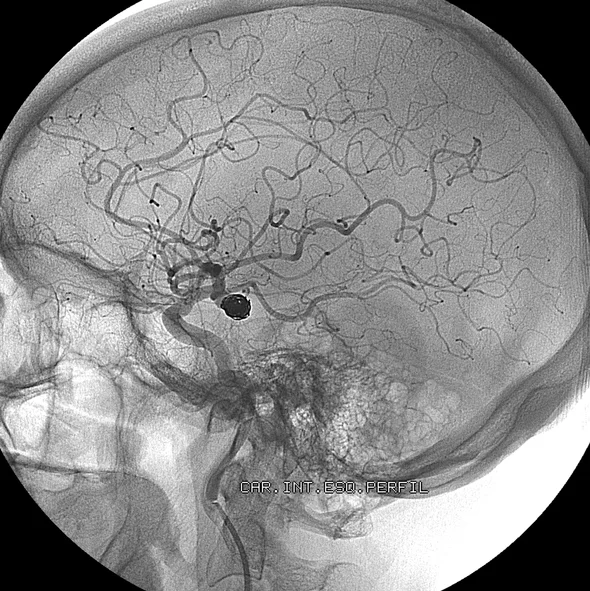
Read MoreBrain aneurysm – just the name of it sounds ominous. And they certainly can be. Anyone told they have a brain aneurysm can be one of the most frightening diagnoses to receive.
Read MoreAccording to the National Pancreas Foundation, the average person should aim for no more than 20 grams of fat per day, with no meal more than 10 grams of fat. For example, chicken breast without the skin has about 1.5 grams of fat per serving,
Read MoreEven though rosacea can vary from person to person, it is a chronic skin disorder that with time, can lead to redness becoming increasingly ruddier, along with visible blood vessels appearing on the face.
Read MoreHere are a few reasons why excessive sitting is not exactly a health booster:
Read MoreBeing told you have developed chronic kidney disease may come as a big surprise. Do you have a certain disease(s) putting your kidney’s ability to filter out toxins in jeopardy?
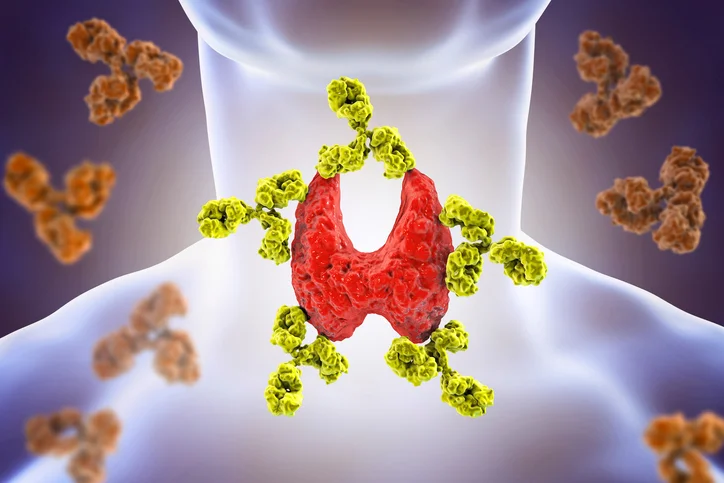
Read MoreNearly 1 in 3 people have thyroid disease, but the majority of them are women. Yet more than half of those with a thyroid condition do not know they have it.
Read MoreRemember when you skinned your knee as a kid and the scrape healed on its own with little more than a bandage?
Read More5 Nutrients boosting red blood cell counts
Feeling weak, tired, or drained? One possible reason could be a low red blood cell count. When you have a lower red blood cell count than normal, your body has to work overtime to get enough oxygen to body cells, which can leave you feeling extra tired.
The most abundant cells in human blood are red blood cells. These cells contain hemoglobin which is an iron-rich protein giving blood its distinctive red color and is responsible for carrying oxygen in the blood throughout our body. The red blood cells also helps remove carbon dioxide from the body to be disposed of. Red blood cells have a lifespan of about 3 months in which they wear out and die. But they do get replaced since our bone marrow continually makes more red blood cells.
What is a normal red blood cell count?
A normal red blood cell count can vary from around 4.7 to 6.1 million cells per microliter for men and 4.2 to 5.4 million cells per microliter for women. For children, the normal count is 4.0 to 5.5 million cells per microliter. These ranges can vary from person to person, and may also change depending on the lab that is doing the tests.
Having a low red blood cell count can be due to several reasons such as bleeding and hemorrhaging, malnutrition, bone marrow failure, or overhydration. This can result in anemia causing symptoms such as fatigue and weakness, dizziness, shortness of breath, or heart palpitations. Anemia is when your body produces too few red blood cells or each cell contains too little hemoglobin. The most common type of anemia is iron-deficiency anemia. If left untreated, it could possibly lead to serious complications.
Nutrients in foods that can increase red blood cell count
When our red blood cell count slips, one of the best natural ways to correct this is to consume more nutrient-rich foods giving our body the tools necessary to make more of them. You could take a vitamin-mineral supplement but our body absorbs nutrients best when they come from eating food.
Here is a list of nutrients and foods they are found in that will boost your red blood cell count the best:
1. Iron
The most common nutrient associated with preventing anemia is iron. This red blood cell booster is used to make hemoglobin that stores oxygen in the blood cells. Without iron’s power, these cells can die or be unable to deliver oxygen to the body. Daily, men require 8 milligrams while women need 18 milligrams – after menopause, women only require 8 milligrams just like men. Below are the best sources of this mineral:
· Red meat, poultry, fish
· Spinach
· Beans
· Fortified cereals
· Prune juice
· Lentils
2. Vitamin B-12
This vitamin which is only found in foods of animal origin, is vital for proper brain functioning and for creating new red blood cells. If you are deficient in vitamin B-12, this can prevent red blood cells from maturing. A deficiency of this vitamin has its own specific type of anemia called megaloblastic anemia which can lead to abnormal red blood cells called megaloblasts. Daily, both men and women require 2.4 micrograms. Foods sources of B-12 include:
· Red meat, fish, poultry
· Milk and cheese
· Eggs
· Fortified breakfast cereals
· Fortified soy and nut milks
· Fortified nutritional yeast
3. Folate or folic acid
Here is another important B vitamin in creating red blood cells. The difference between folate and folic acid is that folate occurs naturally in food while folic acid is the synthetic form of this vitamin. This B vitamin also is essential for the nervous system and for breaking down and converting the food we eat into energy. Daily, men and women require 400 milligrams of folate or folic acid. Below are rich sources of this vitamin:
· Spinach
· Lentils
· Garbanzo beans
· Asparagus
· Enriched breads and cereals
· Avocados
· Oranges and orange juice
· Beef liver
· Black-eyed peas
· Brussel sprouts
· Broccoli
· Mustard greens
4. Vitamin C
This water soluble vitamin does not have a direct role in affecting red blood cells. But, it earns itself a spot on this list since vitamin C helps the body absorb iron better. Iron, remember, helps increase the number of red blood cells that the body can make. The more iron absorbed thanks to sufficient intake of vitamin C, the more red blood cells that can be created. Daily, men require 90 milligrams while women require 75 milligrams. Vitamin C is found in a variety of foods including:
· Citrus fruits – oranges, grapefruit, lemons, and limes
· Kiwi fruit
· Strawberries
· Red and green bell peppers
· Cantaloupe
· Papayas
· Mangos
· Pineapple
· Watermelon
· Kale
· Broccoli
· Cauliflower
· Brussel sprouts
5. Copper
This essential mineral helps the body to absorb iron so if you were deficient in copper, it would be difficult for the body to absorb the iron in order to help make red blood cells. Daily, men and women need 900 micrograms of copper. Best food sources include:
· Cashews
· Sesame seeds
· Avocados
· Sunflower seeds
· Beef liver
· Lentils
· Spinach
· Beans and peas