10 conditions needing a urologist to treat
/
Scheduling an appointment with one can save men a lot of discomfort and pain and maybe even save their life.
Read MoreScheduling an appointment with one can save men a lot of discomfort and pain and maybe even save their life.
Read MoreThe urethra has the job of allowing urine from the bladder to pass out of the body in both men and women. In men, this thin tube also has the important role of allowing ejaculation or semen to pass from a man’s body.
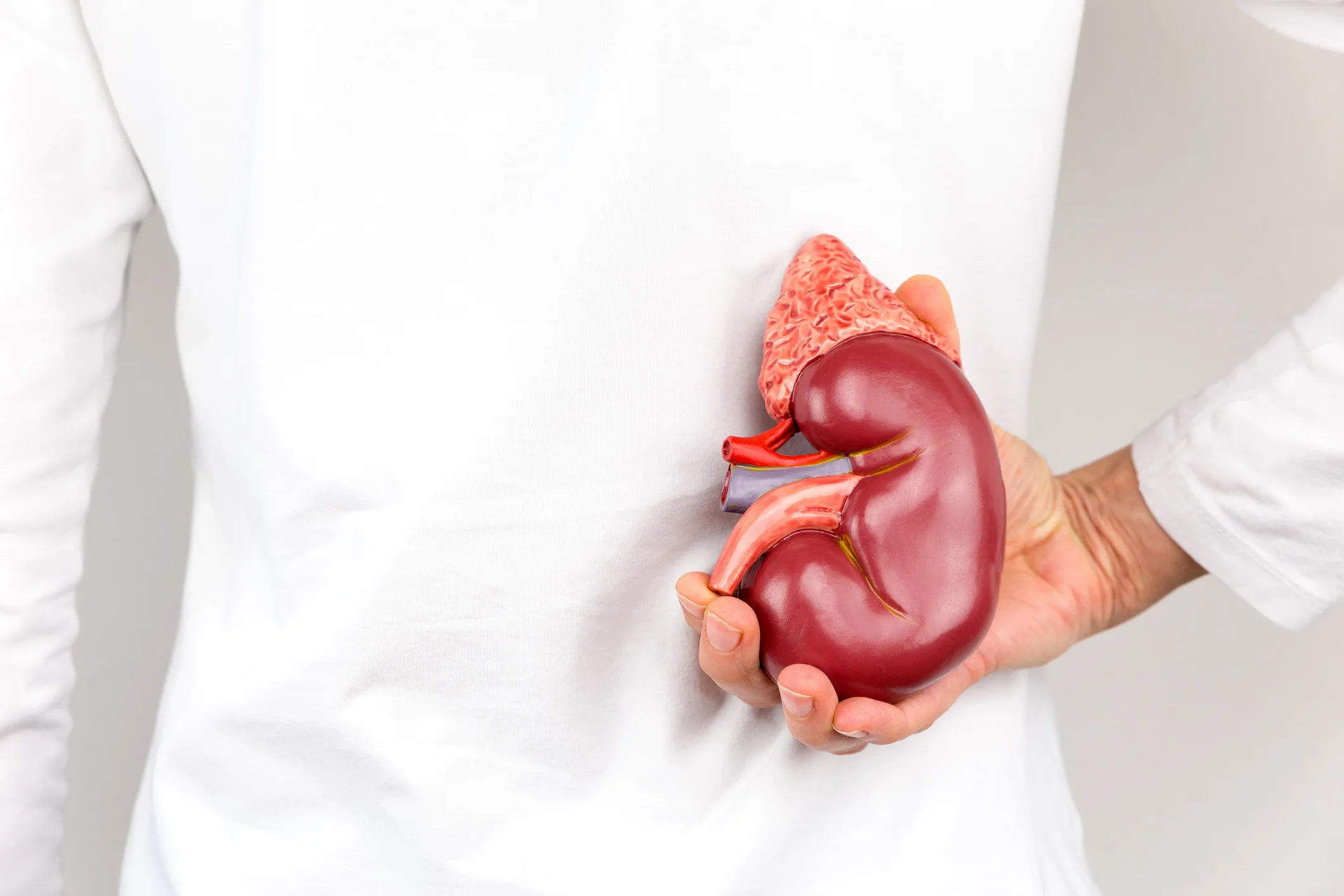
Read MoreMost of us take for granted our kidneys. Unless we’ve been told otherwise, we assume we have two functioning kidneys about the size of a fist doing their day-to-day job of keeping the composition of our blood stable allowing the body to function. These bean-shaped organs work hard at preventing buildup of wastes and extra fluid in the body along with stabilizing electrolytes of sodium, potassium, and phosphate among other duties they do. As long as they are performing as they should, we barely think about the fact of “what if I only had one kidney?”
Read MoreMany people may not realize this but our kidneys can swell and when they do it is a condition called hydronephrosis. If urine is unable to drain out from the kidney to the bladder, it can cause the kidneys to swell leading to a build-up of urine. This condition can occur in either one or both kidneys and happens as the result of a disease.
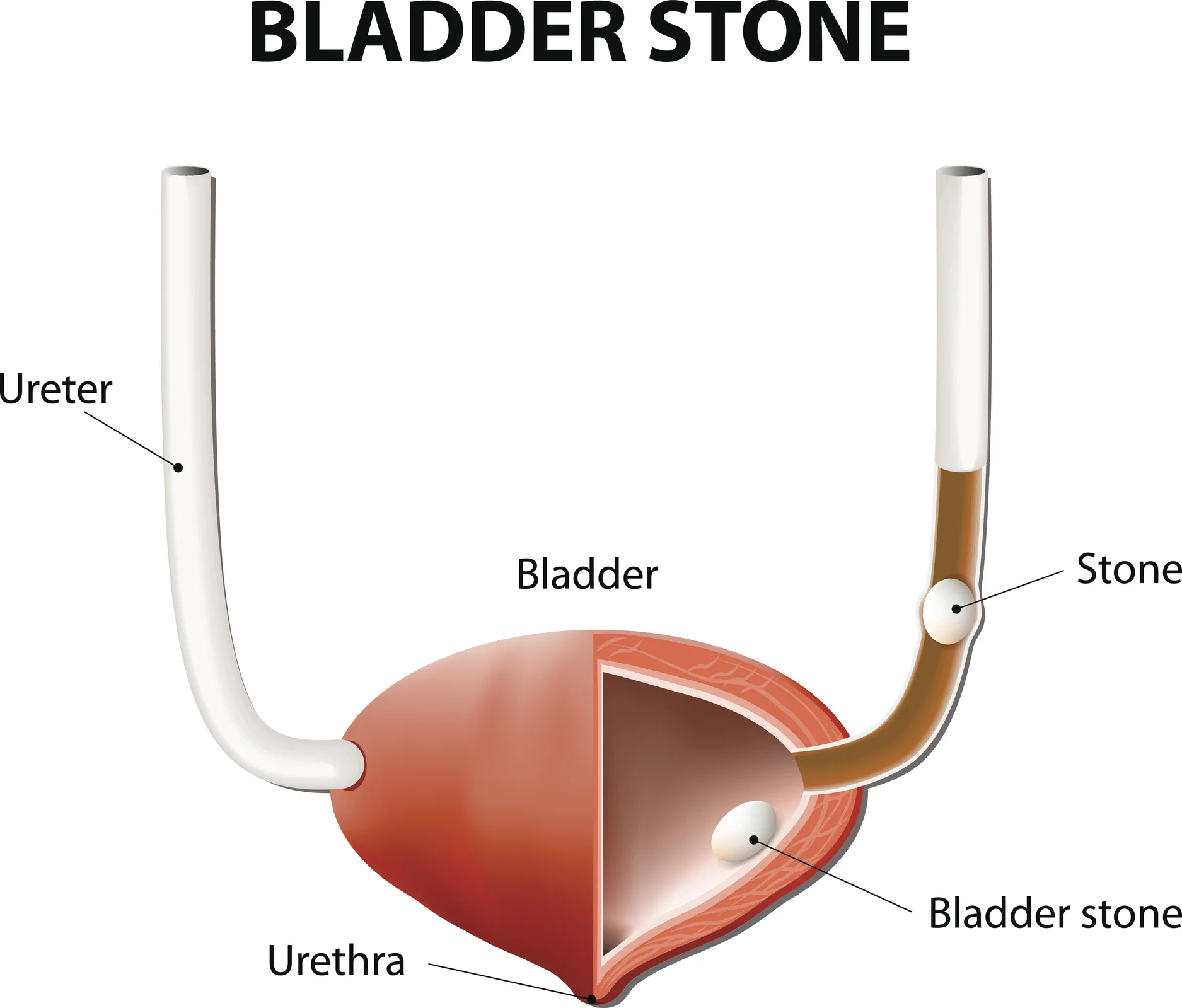
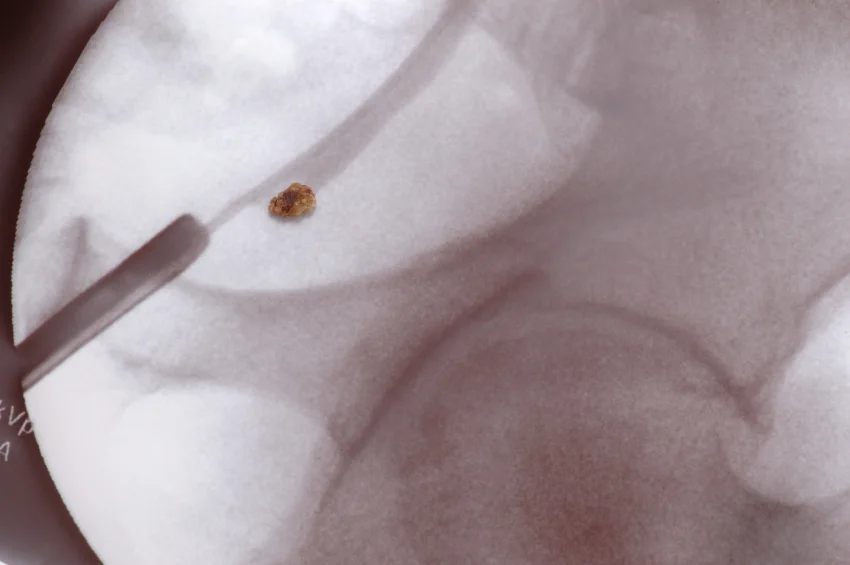
Read MoreLet’s face it – all of us have heard of kidney stones or maybe have even experienced them. But bladder stones? Yes, stones can form in the bladder. They are much more common in men past the age of 50 but are much less common than kidney stones. If they are small enough they may cause no symptoms passing on out the body on their own without a person even knowing they had any. But, unfortunately, more often than not, they will make their appearance known causing pain or other problems on urination.
Read MoreBladder stones are crystalline masses that are developed from the minerals and proteins found in urine.
Read MoreDiabetes can cause certain urologic problems involving the bladder and urinary tract infections. There are four main ways that diabetes may cause problems controlling your bladder: obesity, nerve damage, having a weak immune system, and taking certain diabetes medications.
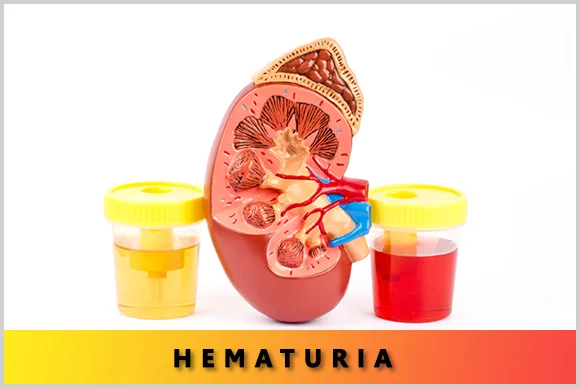
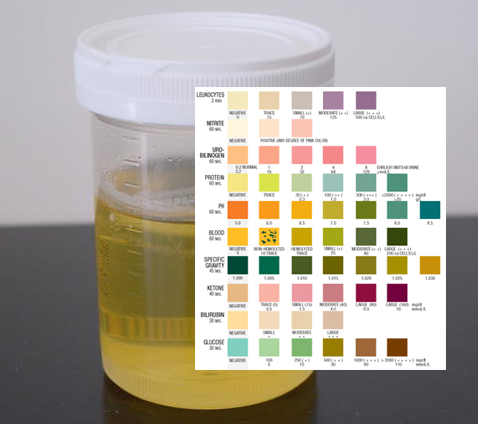
Read MoreHematuria refers to the presence of blood in the urine. Two types of blood can exist in the urine, visible or invisible blood. Blood which can be seen in the urine is referred to as gross hematuria, while blood which can only be seen with a microscope is called microscopic hematuria. In hematuria, one or various parts of your urinary tract, which includes the kidneys, urethra and bladder, allow blood cells to leak into urine. While this symptom is not necessarily something to worry about, in some cases it does point to more serious conditions. Hematuria can have symptoms like pain, blood clots, red tinged urine, or you could be asymptomatic. Because the causes of hematuria vary so greatly, paying close attention to symptoms if they arise is key.
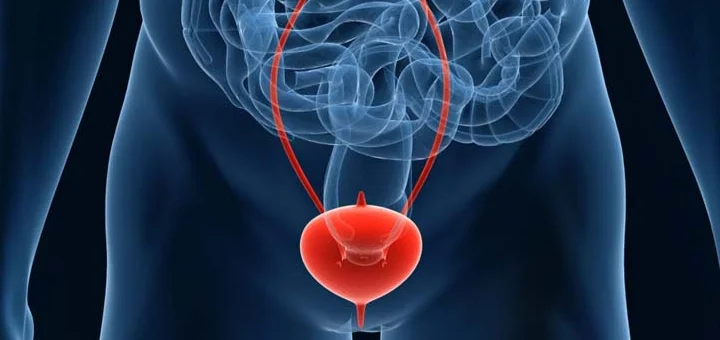
Read MoreThe bladder is a hallow organ that hold urine from the kidneys. Often it's one of the parts of the body not often thought about until it stops working properly. Problems affecting the bladder can cause painful urination and leakage at unwanted times. Sometimes simple lifestyle changes can improve these conditions however there are certain conditions that occur which need treatment immediately. One of them is entitled Bladder Outlet Obstruction which is also referred to as lower urinary tract obstruction or prostatism. Symptoms include abdominal pain, pain while urinating, inability to urinate, straining to urinate, dribbling after urination, waking up throughout the night to urinate.
Read MoreUrinary Tract Infections affect both men and women and they're getting more difficult to treat. Here's what you need to know.
Read MoreKidney disease, also known as chronic kidney disease, is a life-long condition in which the kidney gradually loses function. About 26 million American adults have chronic kidney disease, according to the National Kidney Foundation. Millions of others are at an increased risk for developing the disease and are not aware of it.
Read MoreWelcome to March. It's National Kidney Month and both men and women need to be aware of kidney health and small things we can do every day. Read on for my tips.
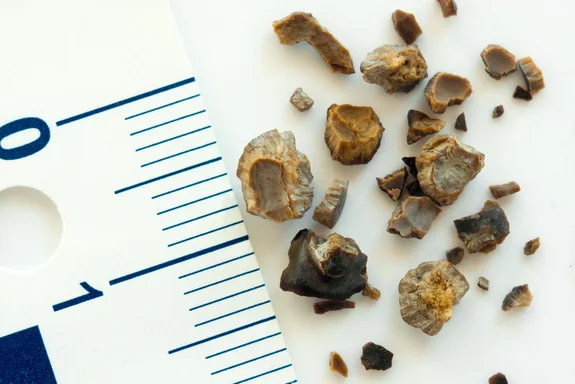
Read MoreIf you've had kidney stones, you know the immense pain they cause. Kidney stones are small, hard deposits, typically composed of mineral and acid salts that form inside your kidneys.
Read More