Are you prone to kidney stones?
/
Kidney stone disease (also known as urolithiasis) causes more than one million trips to the emergency room by people in the United States each year.
Read MoreKidney stone disease (also known as urolithiasis) causes more than one million trips to the emergency room by people in the United States each year.
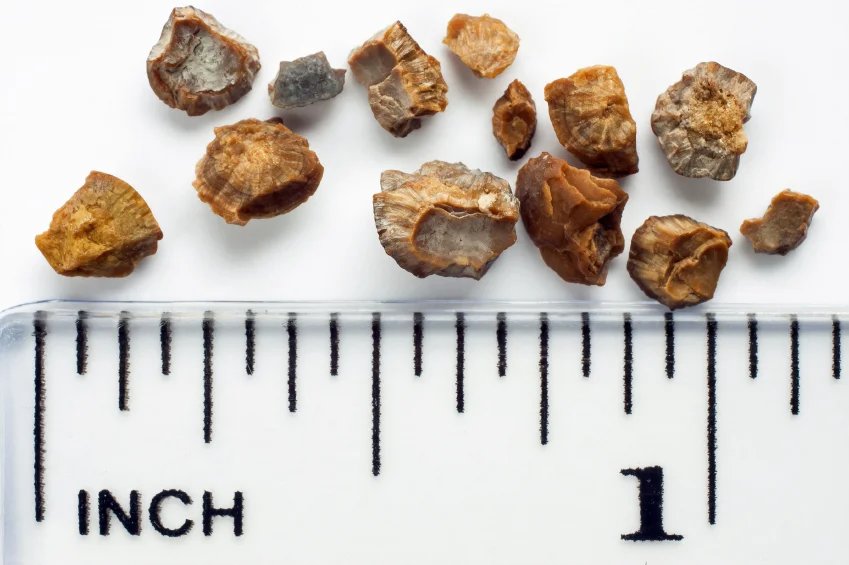
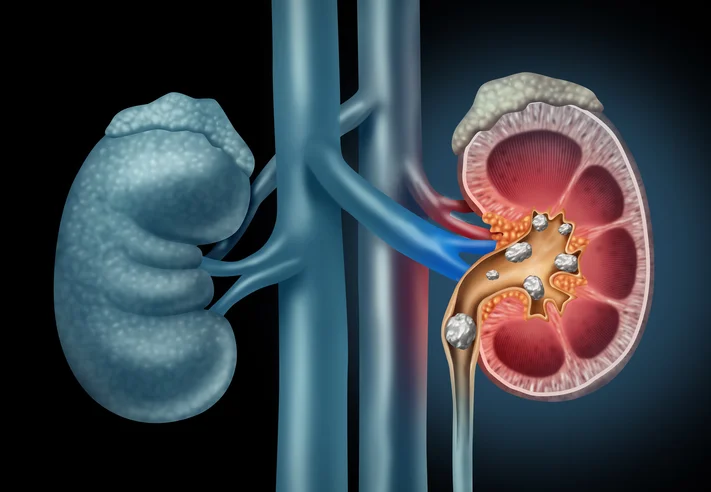
Read MoreA kidney stone is a piece of stone-like material that forms on the walls of the kidney when substances that are normally found in the urine become highly concentrated.
Read MoreCorrelation between the higher a person’s BMI is, the higher the amount of the excretion of urinary oxalate.
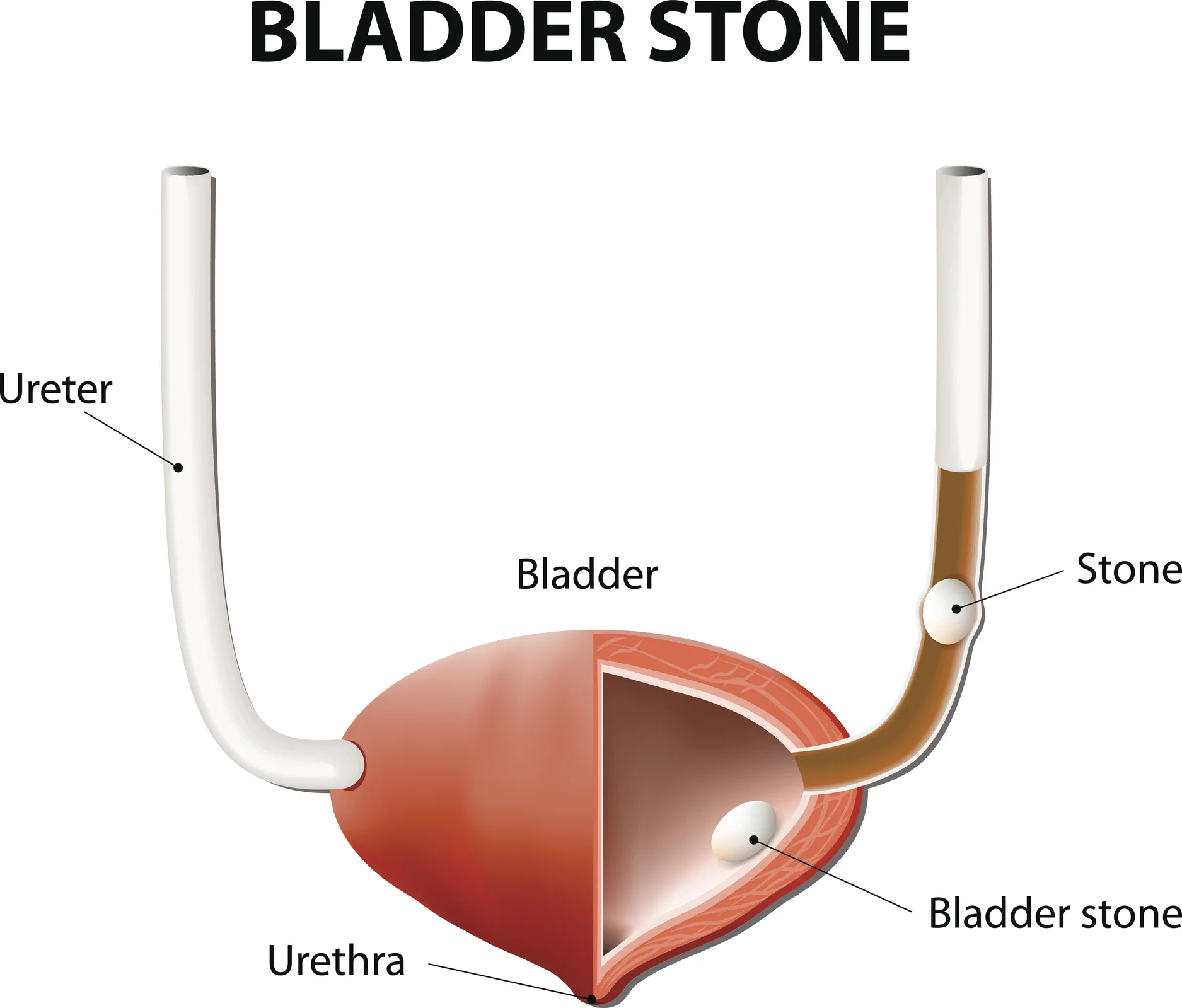
Read MoreLet’s face it – all of us have heard of kidney stones or maybe have even experienced them. But bladder stones? Yes, stones can form in the bladder. They are much more common in men past the age of 50 but are much less common than kidney stones. If they are small enough they may cause no symptoms passing on out the body on their own without a person even knowing they had any. But, unfortunately, more often than not, they will make their appearance known causing pain or other problems on urination.
Read MoreThe pain of passing a kidney stone is often described as worse than giving childbirth. Other descriptive terms range from excruciating, agonizing, miserable and just plain intolerable.
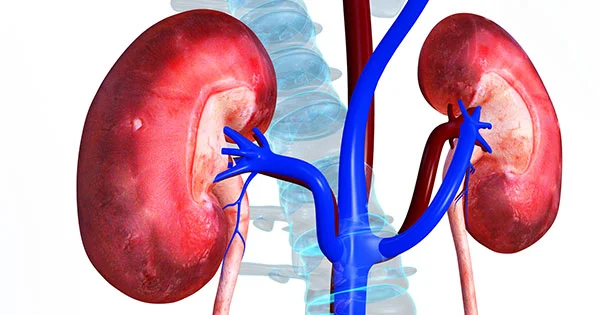
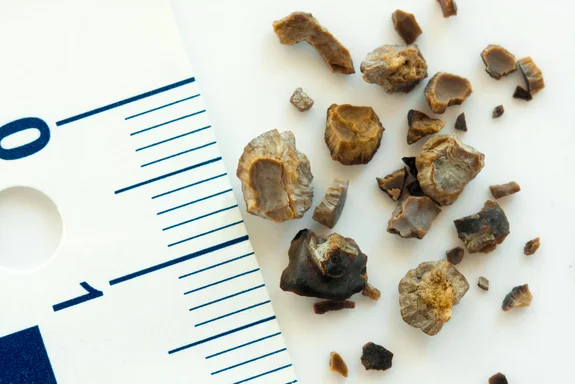
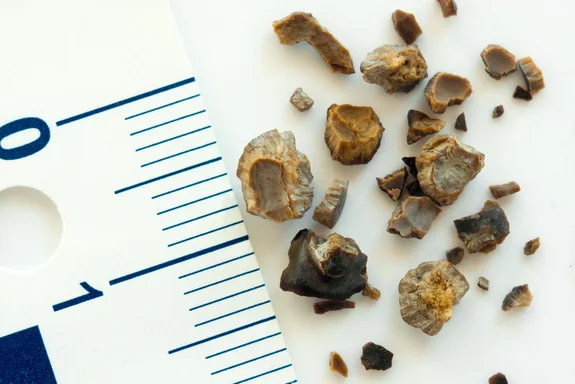
Read MoreKidney stones are small, hard deposits, typically composed of mineral and acid salts that form inside your kidneys.
Read MoreKidney disease, also known as chronic kidney disease, is a life-long condition in which the kidney gradually loses function. About 26 million American adults have chronic kidney disease, according to the National Kidney Foundation. Millions of others are at an increased risk for developing the disease and are not aware of it. With the progression of kidney disease, wastes build up in your blood. As a result, complications can occur such as high blood pressure, high potassium levels which can impair heart health, central nerve damage, anemia, poor nutritional health, weak bones, and a decreased immune response.
Read MoreThe risk of kidney stones is higher in the United States than it is in the rest of the world. Although these stones do not normally cause any permanent damage, passing them can be quite painful. Depending on the size of the stone, surgical intervention may be necessary. Kidney stones are a relatively common occurrence, especially in the United States. They affect approximately one in ten people throughout their lifetime, and the incidence of kidney stones has actually increased over the past few decades.
Read MoreIf you've had kidney stones, you know the immense pain they cause. Kidney stones are small, hard deposits, typically composed of mineral and acid salts that form inside your kidneys.
Read More