Tips for Boosting your Immune System
/
Tips for Boosting your Immune System:
Read More
Preventative Care. Dr. David Samadi will explore the new and often debated areas of preventative care. Prevent cancer, check your blood pressure, eat the right foods and other prevention tips. Get a medical doctor's take on herbal treatments, yoga, homeopathy, acupuncture, vitamins, supplements, massage therapy, spiritual treatment and other forms of alternative therapy for prevention.
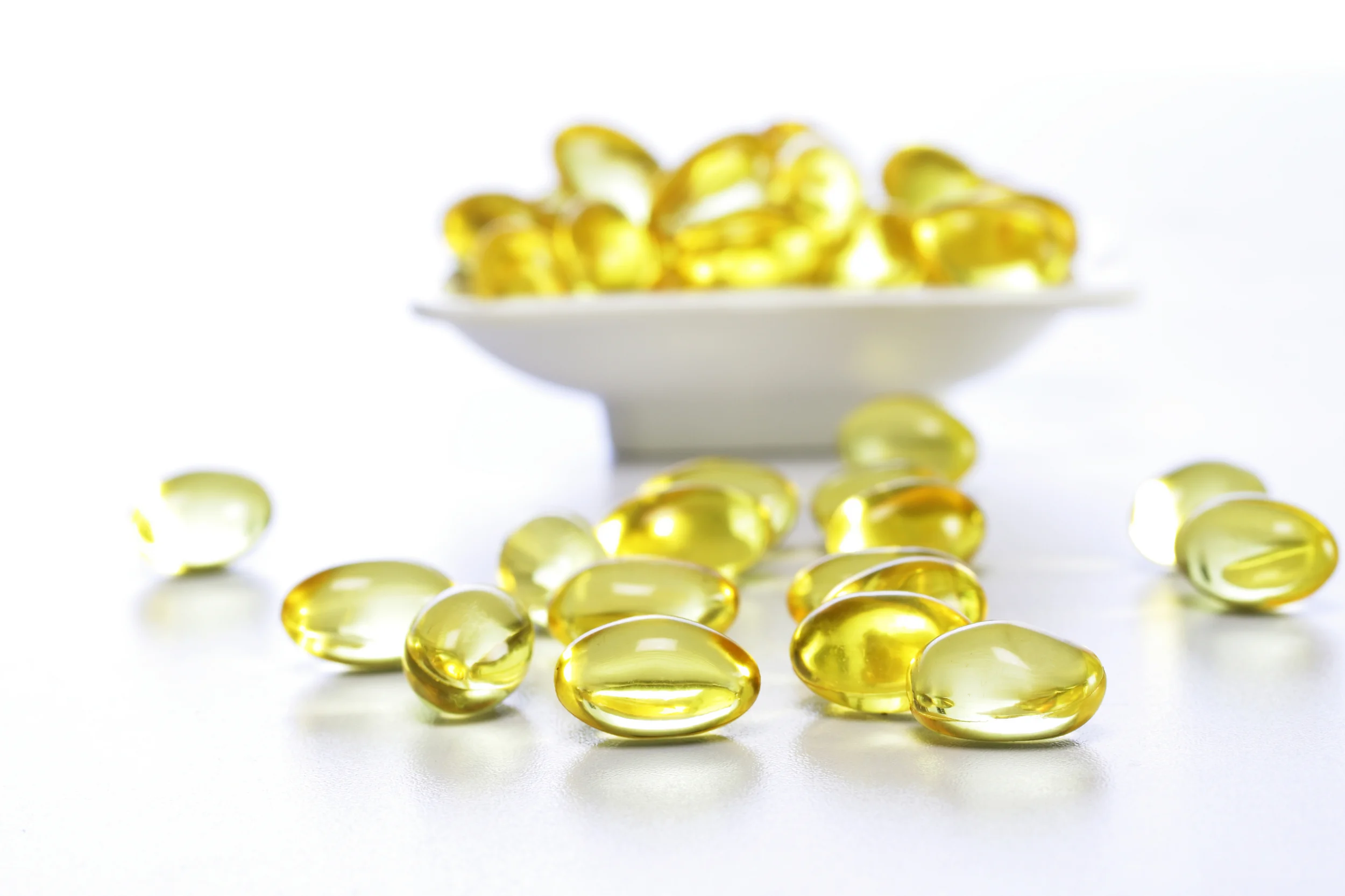
Ahh, fish oils, the never ending debate on how much and how to consume them. Here's the skinny: fish oils come from fatty fish. Yes, specifically the tissue of fatty fish such as trout, mackerel, tuna, herring, sardines and salmons. Nutritionists often favor fish oils because of two main ingredients: DHA and EPA, which are two types of Omeda-3 fatty acids. The fillets alone of oily fish contain 30% oil. White fish only contains high concentrations of oil in the liver and have much less oil. Oily fish are also good sources of vitamins A and D.
Read MoreThe key things to remember is healthier habits have an instant effect on the body. And just as the good habits effect our system immediately, so do the bad ones. If you're embarking down a healthier path for your life, you may be struggling with the changes, especially if they're dramatic. An example: going from never working out to working out 5 times per week. Or cutting bread and unhealthy sugary foods out of your diet. Here are 5 daily habits you should drop now.
Read MorePaying attention to your gut health is one of the most important (and often overlooked) things you can do for your health. Currently, a lot of research has been done around the micro-biome and apparently a happy microbiome is the secret to good health. Not all research has confirmed or identified all of the bacterial strains teeming in our guts but 5 new books break down what you need to know to transform your body's second brain.
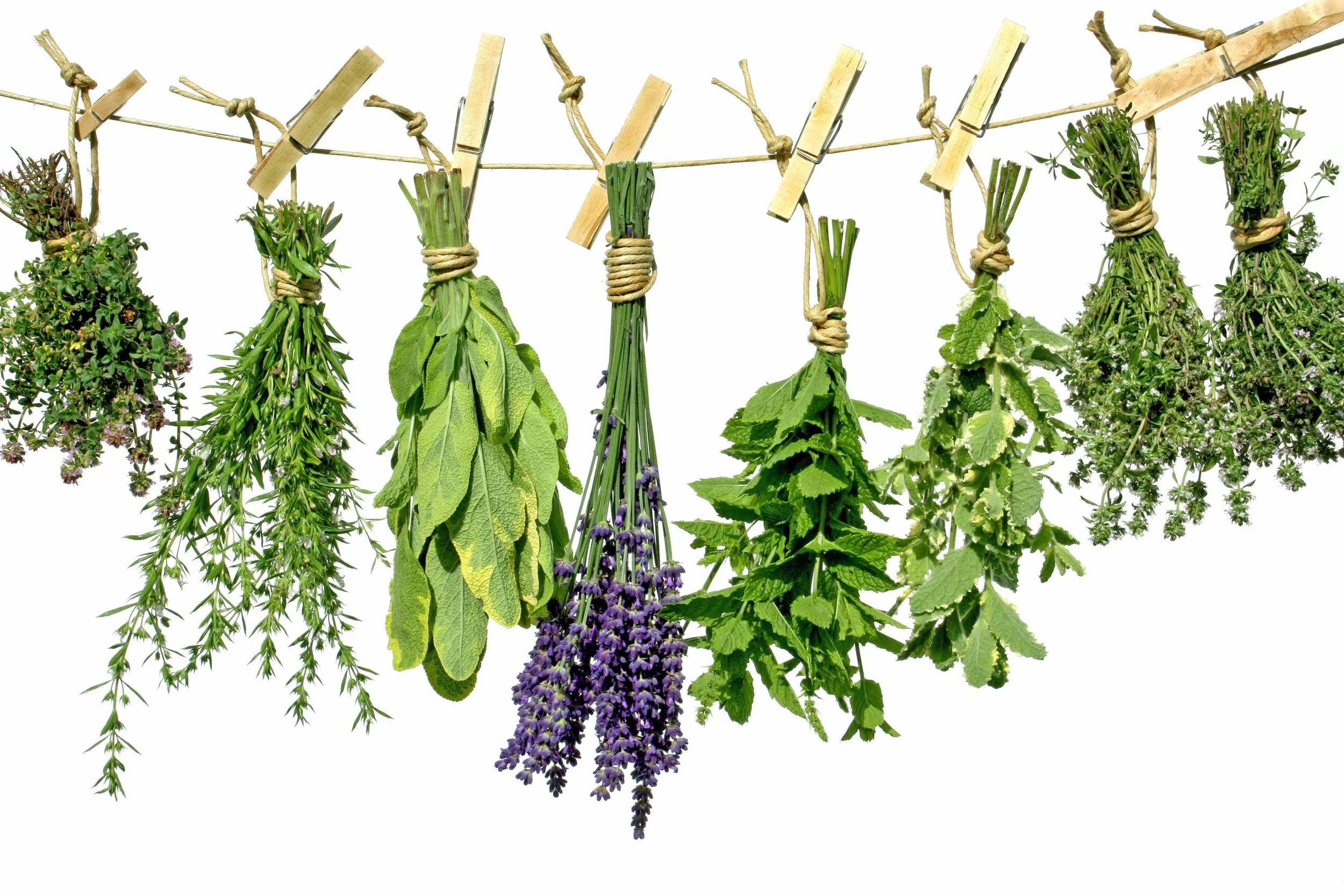
Read MoreHerbs, those fragrant culinary delicacies, offer so much more than just flavoring and garnishing our food. Whether you buy them at the grocery store, a farmer’s market or grow your own, these tender plants harbor a wealth of health benefits just waiting for you to discover. Since ancient times, herbs have been used for medicinal purposes concentrated in teas and tinctures. More recently, herbs health properties have been realized due to the various nutrients and polyphenols they provide.
Read MorePaying attention to your gut health is one of the most important (and often overlooked) things you can do for your health. Currently, a lot of research has been done around the micro-biome and apparently a happy microbiome is the secret to good health.
Read MoreBelly fat or visceral fat is a huge proponent of chronic diseases like heart disease and diabetes and can even bring on stroke. Here are 5 ways to a flatter stomach. For many people, the waist is often the first place excess fat goes. Here are 6 ideas to try for saying goodbye to that belly fat.
Read MoreOn World Health News radio, Dr. Samadi recently had a conversation with Dr. Mitchell Gaynor around his new book The Gene Therapy Plan: Taking Control of Your Genetic Destiny. Dr. Gaynor touched on while it's important for individuals to understand their risk factors, it's even more important that they understand they can do something about them.
Read MoreGetting enough sleep is one of the best habits you can have for your health. But do we pay enough attention to it? A new study shows the relation to food cravings and sleeping less. We explore (and hopefully get you sleeping better.)
Read MoreMarch Madness has everyone excited but it's important to remember your health and how to eat well during this time. Here's some health tips for you to remember while you're cheering at the next game.
Read MoreWhile everyone should feel free to enjoy the holidays with some treats, many feel a lack of self-control when surrounded by delicious foods and desserts. Eating too much once in a while, such as during the holidays, is normal. However, some people overeat as a way to cope with negative emotions. It’s important to know the difference and if need be, take control. Overeating can cause heartburn, indigestion, and lethargy.
Read MoreOnly one out of every three adults actually gets enough physical activity each week to stay healthy. The PCFSN also reports that a typical American diets surpasses the suggested consumption of fats, sugars, salt, refined grains, and saturated fat. Not only do Americans eat a diet high in fats, sugars, and sodium, but also eat less than the recommended amounts of vegetables, fruits, and whole grains. It is no surprise that recent statistics postulate that obesity affects over 78 million American adults. It is also projected that by 2030, half of all adults in the United States will be obese.
Read More