Saving lives in September – National prostate cancer awareness month
/
There are certain foods that do appear to have a positive role in helping to prevent prostate cancer.
Read More
Men's Health. Discover daily stories on the latest in men's health from Dr. David Samadi. Learn about top global and national health issues related to men's health such as common cancers, prostate cancer, exercise tips, male body issues, male health screenings and prevention methods. Explore healthy solutions for men's health.
There are certain foods that do appear to have a positive role in helping to prevent prostate cancer.
Read MoreDr David Samadi gives his expert opinion on a recent meta-analysis showing erectile dysfunction afflicts more than half of all men with diabetes.
Read MoreApproximately one percent of the male population suffer from azoospermia,
Read MoreAnytime a man notices any symptoms described below, he needs to see his doctor as soon as possible to be treated early on to reduce the risk of permanent damage.
Read MoreShocking steep decline in sperm counts of Western men
Men living in Western countries who presume their sperm counts are strong and plentiful for male reproduction, may need to think twice on that assumption. A concerning new meta-analysis of 185 studies published between 1971 and 2011 involving almost 43,000 men has found a disturbing 52.4 percent decline in sperm concentration and a 59.3 percent decline in total sperm count among men from North America, Europe, Australia, and New Zealand. This averages to a 1.4 percent reduction each year of the concentration of sperm in the ejaculate of men from these countries. This points to a possible threat to male infertility in the years ahead.
This has taken the scientific community by surprise with many calling it a huge public health crisis that has been neglected far too long. This is not the first time researchers have had concerns about declining men’s sperm counts as previous studies have shown the same thing. For example, in Canada, 40 to 45 percent of the time, it is a male issue contributing to problems of conception – sometimes it might be a low sperm count, or a blockage when they ejaculate, or a history of injuries or surgical procedures affecting their testicles. There are also concerns surrounding male reproductive function as rates of testicular cancer are on the rise.
Men with low sperm counts is only part of the troubling concern of this phenomena as men with low sperm counts also go on to have a higher all-cause mortality. These men have been shown to have a greater risk of developing cardiovascular disease and cancer thus dying at a younger age.
There is much less data on men from non-Western countries so it is difficult to compare any similarities or trends in those areas of the world.
At this time, there is no clear explanation for why men living in Western countries are experiencing a reduction in male fertility. Some researchers are speculating that the real damage is happening during exposures to the male fetus occurring in the womb. Research has found that expectant mothers, who smoked while pregnant with a boy, have sons with lower sperm counts, regardless if the son ever smoked or not.
Other possibilities being considered are men’s exposure to new, man-made chemicals such as pesticides, also smoking, obesity, and stress. Even though these all could play a significant role in harming a man’s reproductive capability, what is known is that male reproductive function is very sensitive to environmental impact throughout a man’s lifespan.
Until there is a better idea pinpointing what is causing this alarming reduction in male sperm counts, here a few suggestions for men on ways to possibly protect and preserve the number of sperm they have:
· Reduce stress – have hobbies that are relaxing
· Do not smoke or use other tobacco products
· Avoid excessive drinking
· Limit exposure to chemicals
· Avoid direct heat to the testicles
· Have a regular fitness routine
· Eat a healthy diet
· Maintain a healthy body weight
First men should not just accept the fact he no longer can achieve an erection if he has diabetes.
Read MoreThe rate of diabetes in the U.S. has risen dramatically with one of the biggest jumps in type 2 diabetes was among men. The American Diabetes Association statistics from 2015 show 30.3 million Americans or 1 out of every 10 people have diabetes. Out of the 30.3 million, one out of every four does not know or has not yet been diagnosed with the disease.
There are many warning signs of diabetes people should be aware of but for men, there are two signs often signaling the possibility of having this chronic disease.
1. Weight gain in the abdominal area
Whenever a man gains excess weight it almost always accumulates in the abdominal area also known as central obesity. One thing known is men who put on the pounds are more at risk of developing diabetes than women. The excess fat pounds men gain are stored as belly fat located deep within the abdominal region in and around major organs like the liver and pancreas. This deeply stored fat has its own special named called visceral fat. Visceral fat is harmful and worse for your health than fat located anywhere else in the body. This type of fat makes it hard for your body to use its own insulin (insulin resistance) and can lead to the development of type 2 diabetes.
Women tend to store fat more directly below the skin known as subcutaneous fat. They also tend to store fat around the hips and buttocks instead of in the abdominal area.
Any man who has a waist circumference 40 inches or greater has too much visceral fat and is more likely to develop diabetes.
Regardless of whether a man has diabetes or not, having visceral fat puts him in danger of other serious chronic diseases such as cardiovascular disease and stroke. The solution is to lose weight by eating a healthy diet along with regular exercise helping to reduce his chance of developing diabetes. Even a weight loss of just 5-7 percent can have a significant impact on his blood sugar levels.
2. Erectile Dysfunction
The second sign a man may have diabetes has to do with his sex life or lack of – erectile dysfunction. Men with diabetes are more likely to have erectile dysfunction leading to the inability to achieve an erection or the erection is weak and does not last long enough.
In order for a man to achieve an erection, there must be good blood flow to the penis and a good nerve supply to make this happen. Men with diabetes may experience erectile dysfunction because of problems caused by poor long-term blood sugar control causing damage to nerves and blood vessels. The nerve damage is called neuropathy. The damaged blood supply affects the stimulation of the nerves that trigger and maintain an erection and the flow of blood into the penis.
Any man experiencing erectile dysfunction should discuss this with their doctor as they can assess and identify what might be the underlying cause of this issue. It may or may not be due to diabetes but a Hemoglobin A1C test, a fasting plasma glucose test and an oral glucose tolerance test should be performed to rule out the possibility of having this condition.
Recognizing signs and symptoms of diabetes
Everyone should be familiar with the signs and symptoms of diabetes. The earlier it is discovered the sooner you can start treating it and reducing your risk of serious medical complications.
Here are common symptoms of diabetes:
· Frequent urination
· Feeling very thirsty
· Feeling very hungry
· Extreme fatigue
· Blurry vision
· Cuts/bruises that are slow to heal
· Weight loss even though you are eating more (type 1 diabetes)
· Tingling, pain, or numbness in the hands or feet (type 2 diabetes)
Men should look at it in this way – most are very good at keeping their vehicle operating smoothly.
Read MoreProstatic intraepithelial neoplasia or PIN for short is a condition in which cells from the prostate begin to look and behave abnormally.
Read MoreHere are herbal supplements that have been used to treat ED – some have been used for centuries. As with any herbal supplement, a man should always consult with his doctor before taking these as some do have negative interactions with other medications.
Read MoreA new study indicates that a full two-thirds of us who think we know what we are doing are actually getting quietly cooked. (Perhaps that's why 3.5 million cases of basel and squamous skin are diagnosed in the U.S. each year.)
Read MoreIt's a time-worn trope of TV and film: the macho, impulsive Man of Action who shoots first, asks questions later and lets the chips fall where they may. It turns out that there may be some science to go along with all that shooting-from-the-hip in the movies.
Read MoreThere can be several conditions blocking the effect of testosterone or increasing the level of estrogen. Here are situations that can result in upsetting the hormonal balance causing gynecomastia in men:
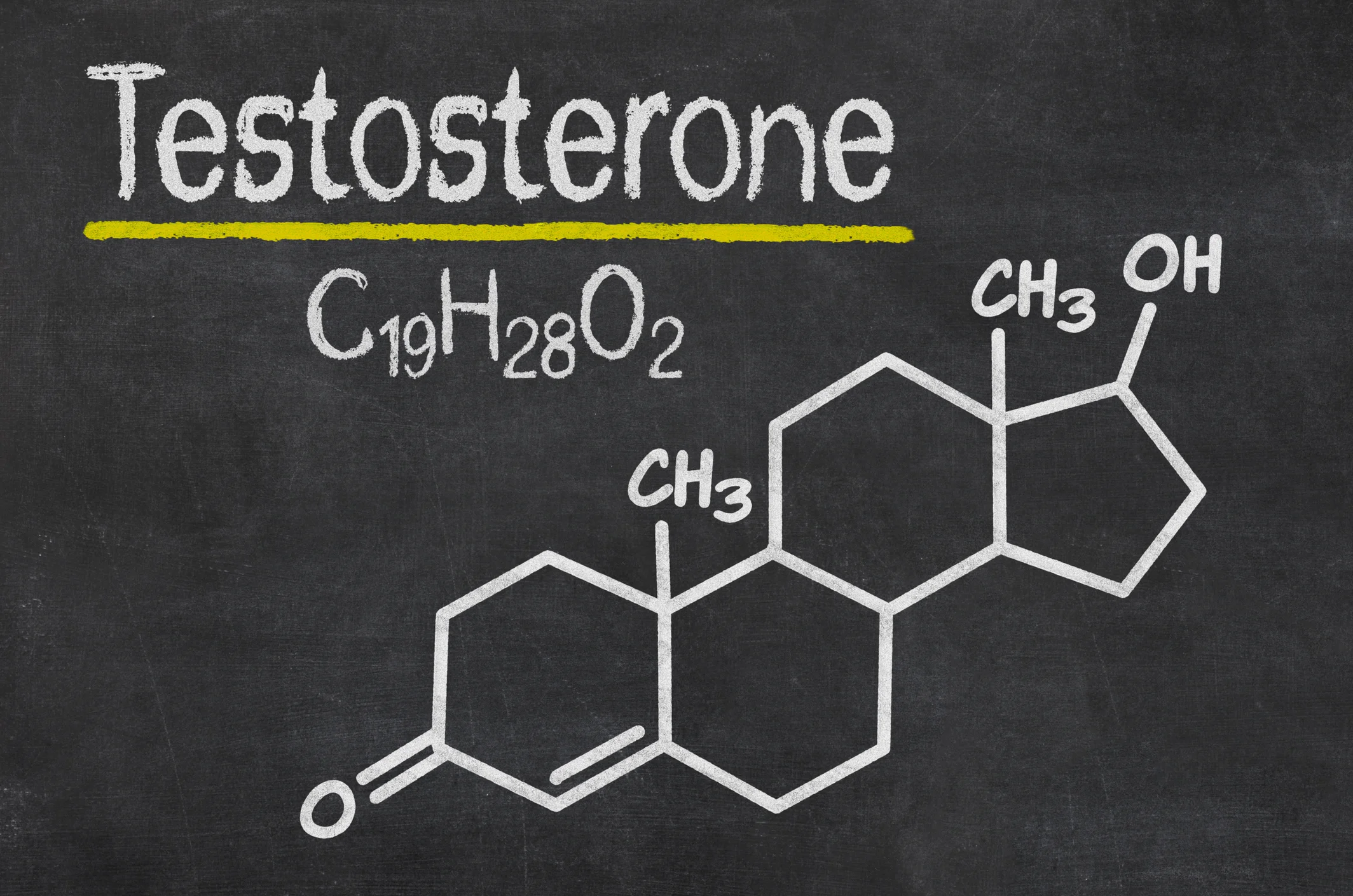
Read MoreThe male hormone testosterone is a potent chemical messenger directly influencing an array of physiological processes. From functioning as the regulator of a healthy sex drive in men to maintaining the male physique to increasing a man’s competitive nature, testosterone has far-reaching and powerful effects on a man’s body and mind.
Read MoreFor most men, it beats becoming bald. Others think it makes them look “distinguished.” But a group of scientists from Cairo University in Egypt believe that gray hair may be a harbinger of cardiovascular disease (CVD) in men.
Read MoreThere is one thing all men can do to make tremendous health strides – choose really nutritious foods. All men love to eat but there are certain foods that stand out specifically in helping men see major health improvements – reductions in cholesterol and blood pressure levels, improvements in memory, prostate health and even their love life, just to name a few.
Read MoreThe dark topic of suicide is never an easy one to discuss. Yet, it is a topic that should be broached as the stigma of suicide leads to individuals who are unnecessarily taking their lives when they could be helped. When we look the other way or ignore the fact there are people every day who make the decision to end their life, we are essentially making our own decision to not get involved instead of trying to reach out to them in their time of despair and hopelessness.
Read MoreTestosterone replacement therapy (TRT) is all the rage when it comes to replacing this all-important male hormone. When a man discovers he has low testosterone (low T) his first reaction is often to want to be given a prescription for treating this condition right away.
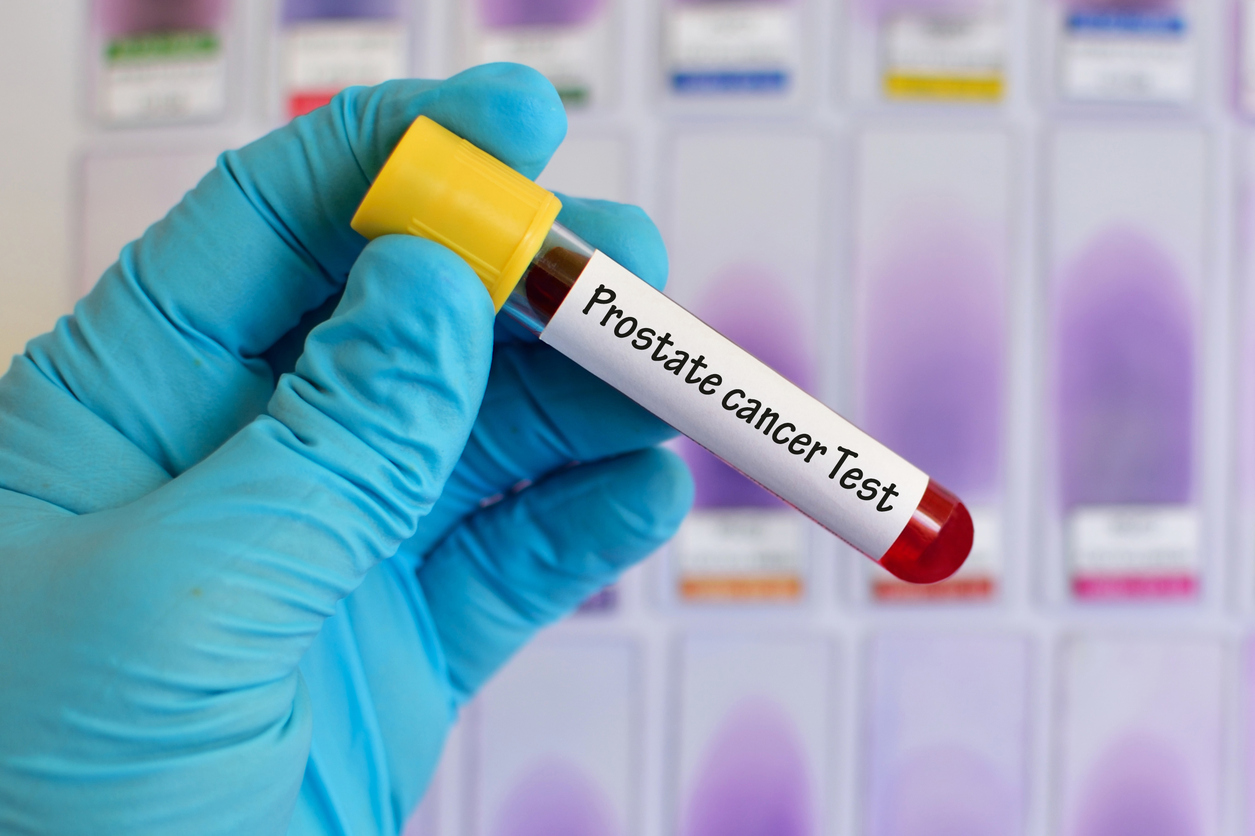
Read MoreRecently, the USPSTF published a draft of suggested updates on the prostate cancer screening guideline. “In the new guideline, PSA screening is considered as grade C in men between 55 and 69. This change in grading from grade D to grade C means that men in this age group should be consulted about the PSA test, benefits and harms and decide if they like to perform the test” said urologic oncologist, Dr. Samadi.
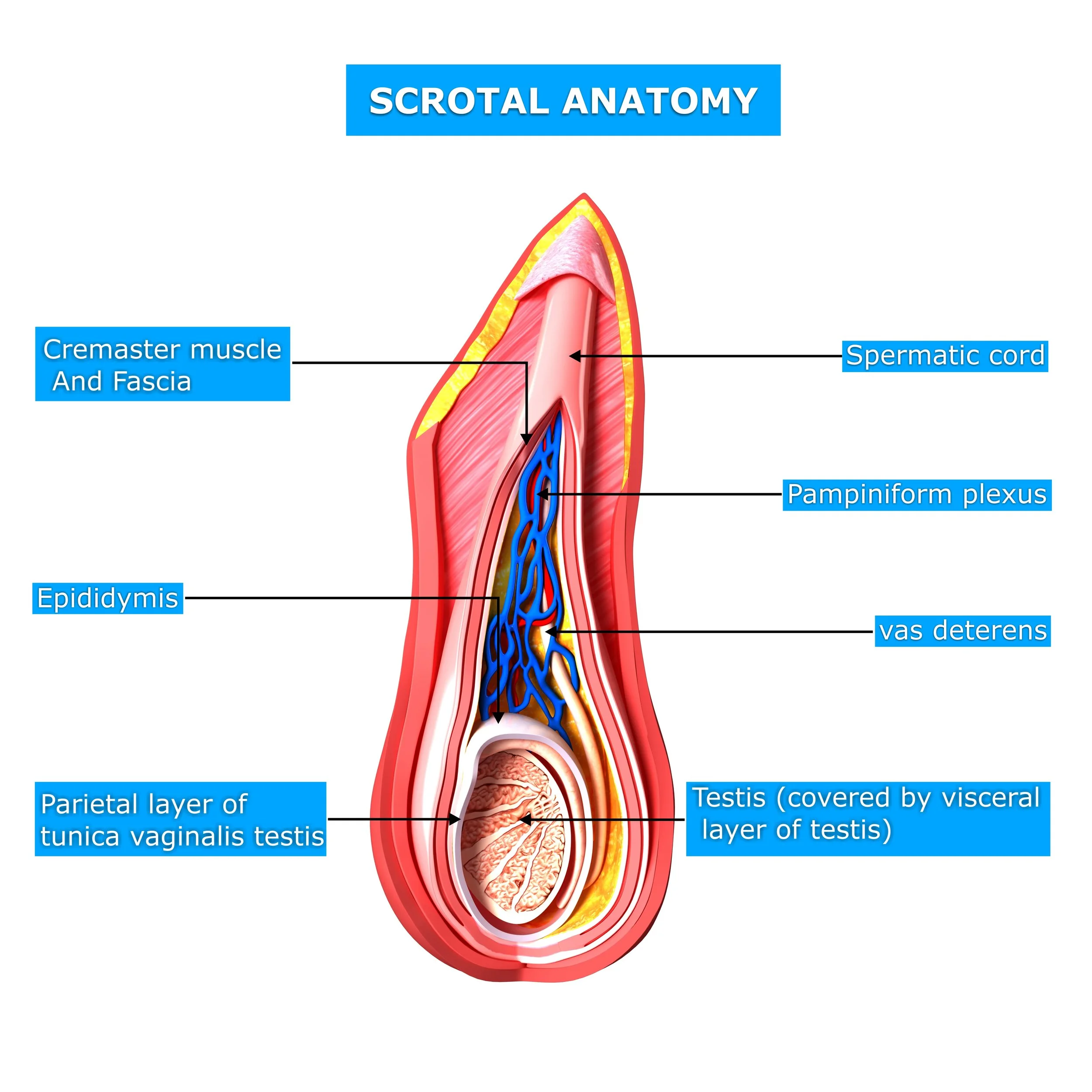
Read MoreA spermatocele mass is not cancerous and do not increase the risk of testicular cancer. Fortunately, with appropriate urological care, a spermatocele can be managed effectively for most men.
Read More