5 common sources of food poisoning
/
Food poisoning in the U. S. is very common with estimates of 76 million people who contract it yearly or 1 in 6 Americans, according to the Centers for Disease Control and Prevention.
Read MoreFood poisoning in the U. S. is very common with estimates of 76 million people who contract it yearly or 1 in 6 Americans, according to the Centers for Disease Control and Prevention.
Read MoreOutfitting offices with ‘active workstations’ improves employee health
A seated desk job working at a computer many hours each day takes a toll on your body and health. In a country afflicted by obesity and with an abundance of sedentary occupations, many employers are turning more and more to outfitting their offices with “active workstations.” Taking a walk while working is no longer considered taboo. Today, offices are outfitting themselves with treadmills, under desk ellipticals and desk cycles allowing employees to move more while on the job.
All of this is good news for any worker suffering from back and neck pain resulting from hunching over their desk for hours. Sitting for long periods of time is also considered a major risk factor for weight gain, diabetes, cardiovascular disease and high blood pressure.
But just how effective are these in-office exercise equipment? Is there sufficient evidence showing these active workstations to be of benefit for improving health and wellness among workers?
The answer appears to be “yes.” Any movement that can be incorporated while at work is a far better solution to improving the health of our workforce than what we’ve been doing for decades. Here’s what research is showing:
· Alternative to a sedentary lifestyle
Here’s a scenario played out over and over every day for many of us – we drive or commute to work seated, we are seated at our desk for the entire day with little movement, we drive or commute back home seated, and then spend the evening seated in front of the TV or computer before going to bed.
The active workstations are not meant to be in lieu of aerobic exercise but they are a far better alternative to a sedentary lifestyle. Sedentary living or “sitting disease” has put America’s health in jeopardy. A 2014 study published in Circulation: Heart Failure, followed 82,000 men for more than 10 years and found those who reported high levels of sedentary time and low levels of physical activity had 2.2 times the risk of developing heart failure than men reporting high physical activity and low sedentary time.
· Weight loss benefits
It makes sense that any movement will burn more calories than non-movement. Maybe a 1.0 mph walk on a treadmill at work may not seem to be of much benefit but it’s more than most people realize. A study in the British Journal of Sports Medicine found office workers who walked at a pace of 1 to 2 mph burned roughly 100 calories an hour more than those who remained seated all day. It may not sound significant, but the cumulative effect can be powerful. After about a month of office treadmill workouts, employees could possibly lose 2 pounds without making any changes to their diet or going to the gym. That averages out to 24 pounds a year making vast improvements in a person’s health.
· Improves resting metabolism
Seated at a desk for hours will do very little to anything for boosting metabolism. But, get a person up and moving and suddenly their metabolism will be humming along at a higher rate of speed. Do this the majority of their work day and suddenly they go from a sedentary activity level to a more active lifestyle. When using an active workstation, people can double their resting metabolism by putting out 1.7 to 2.5 METs (measurements of energy output). This can result in getting an individual’s maximum heart rate working at 60% allowing them to avoid the health risks of being inactive.
· Reduces boredom and improves job satisfaction
Sitting on your bottom all day can lead to feelings of boredom and less satisfaction with your job. A 2014 study published in the Journal of Occupational Health Psychology found that working while walking requires focus and concentration, reducing the dullness of tedious jobs while providing more fulfillment and gratification toward their work.
While there is no guarantee a person’s productivity will increase, at the same time, it is unlikely to decline. A Mayo Clinic study found workers who used a treadmill desk for one year had their daily activity increase along with a reduction in weight loss. It showed there was no negative impact on performance and the participants became healthier as a result.
· Boost in job performance
All bosses are looking for employees who show improvements in performing their job. Keep them active while working may be the answer. With the ability to be actively exercising on the job, there is more incentive to continue working as opposed to taking breaks to get up and stretch your legs. Not that an employee still wouldn’t want to do that, but knowing they are moving while working means less time spent in being away from the work at hand.
In conclusion
Even though active workstations should not replace or be a substitute for actual exercise, they are a far better alternative to keeping employees seated for hours a day. There are already too many seated activities many people do in addition to a sedentary job – online shopping, social media, playing video games, etc. Active workstations are at least a move in the right direction for many workers who have been harming their health for years while seated on the job.
There was a time when virtual reality seemed like a thing far away in the future or a recent science fiction movie we had seen but now it’s becoming more real and consumer friendly each day. The smartphone has created this accessibility of virtual reality. One of the most impactful ways virtual reality can be carried out in our society is through healthcare.
A growing number of health professionals including doctors and researchers are showing data showing the efficiency around virtual and augmented reality which grew from $525 million in 2012 to an estimated $976 million in 2017, according to Kalorama research report.
From treating pain, post-traumatic stress disorder, smoking cessation and even the dentist appointment you have to do every 6 months, virtual reality is showing promise and progress across healthcare. Here are a few real-world use case scenarios where VR could change the game.
1. Surgical Training
Educating current and potential physicians is conducted the traditional way through books, tests, pens and paper. Advocates of virtual reality believe this can all be changed around medical education especially when it comes to surgical training.
A few innovators are offering a different option for training around surgery, often done at only a few centers around the country using expensive artificial body parts. Osso VR, provides software that makes a virtual operating room on platforms for virtual reality like Oculus Rift/Touch or HTC Vive. Practicing surgery using VR brings more surgeons to get in more reps specifically on complex surgeries.
Osso VR, which just raised $2 million, provides software that creates a virtual operating room on VR platforms like Oculus Rift/Touch or the HTC Vive. Practicing surgeries in virtual reality allows surgeons to get in more reps, particularly on complicated procedures.
2. Pain Management
Virtual reality can affect pain management which hurts so many Americans and Cedars Sinai’s VR program is tackling this exact issue. Dr. Brennan Spiegel and his colleagues are experimenting with using VR to escape the “bio-psycho-social” isolation of living with pain or chronic pain. They use a headset to help patients manage pain and it’s been tested with 300 patients so far. Think managing chronic pain, depression, anxiety and even hypertension.
You can read more about Spiegel’s efforts at Cedars Sinai here and here.
3. Patient Education
Cedars Sinai is also partnering with Holman United Methodist Church in south LA on a community health education initiative aimed at reducing hypertension in a vulnerable population.
This educational program is bigger than VR but currently members use a VR program that takes them into a virtual kitchen where foods are labelled with their sodium content then taking them inside the body to show a visualization of what hypertension does to the heart. They then created a relaxation app to help members deal with stress which also contributes to hypertension.
4. Clinician Education
Text books and 2D anatomical images aren’t the only way doctors learn about common diseases and drugs. A New Jersey-based drug development company are focused on gastrointestinal conditions that were developed during an interactive VR platform to guide clinicians through an open-minded approach to treatment.
5. Physical Therapy and Rehabilitation
Virtual reality enhances 3D motion tracking cameras that currently track and gamify movement which could affect how patients are trained to bring back their mobility from physical therapy. Patients could potentially be sent home with exercises that motive them and simultaneously collect hard data on things like motion. And they could do this in the comfort of the own home, not just at the PT appointment once a week - potentially speeding up recovery.
On the backend, a physical therapist can see data collected through the device and can change the parameters of the game on the fly in order to guide the patient to the most beneficial exercise.
6. Post-traumatic Stress Disorder
PTSD continues to be an area where researchers are trying to understand how to treat it. It’s one of the most pervasive mental health conditions in the U.S. and continues to be the most challenging to treat. Exposure therapy is what many professionals want to move treatment to and VR allows them to provide that exposure in a physically controlled and safe environment.
Anything could trigger an episode in which the person with PTSD is transported back to the moment the traumatic event or events happened. It seems counterintuitive to purposely put a PTSD sufferer back in that place, but experts say using virtual reality creates a world where people with the condition can exert control over the situation, therefore experiencing a sense of resolution.
Usually, these scams tend to target older adults who are the most likely age group to have a multitude of serious health problems with no known cure.
Read MoreSometimes all it takes is one minute to feel and be healthier. Good-for-you habits just take a bit of creativity and will to do wherever you are. Small effort, quick investment - fast return: We’ve done the work for you. Here’s the tips you need to become your happiest, fittest self.
Dab a bit on your eyes while you're lathering up your face (hopefully everyday!) Nonmelanoma skin cancer that can be detected on ears has been found to be more aggressive. Tumors can grow deeper and larger than those appearing on the face. They aren’t deadly but can result in muscle and nerve damage. It can difficult to spot potential changes that would indicate skin cancer.
Instead of trying Tumeric in your smoothie this morning, throw some coriander in yours. Coriander seeds come from cilantro seed and contain a blend of oils that help calm your gut. They can help relieve bloating symptoms. You only need a quarter of a teaspoon in a single-serve smoothie.
Consider your goals and ask yourself what one small step could you take to move closer to your end goal? Getting started is the hardest part but using that first step can be a springboard to a larger and more repetitive habit.
We get it, no one feels like flossing at the end of the day. But flossing along with brushing twice a day and going to your dentist at least twice a year is essential for removing bacteria to stay gum disease-free and keeping your teeth healthy, according to the American Dental Association. From a study in 2011 on older adults who never flossed - many of them had 30% higher risk of dying during the study than those who flossed daily.
Sometimes we think we’re hungry but often we’re just bored or stressed. Wait 25 seconds next time before you each that chocolate or pretzels. According to preliminary research from Rush University in Chicago.
This fundamental fitness move targets your abs and lower back and can help you avoid injury. By strengthening your core, you provide more stability to your spine. Start with a 20-second plank hold and work up to a minute.
Try downward dog pose (from Yoga) to stretch out if you’re feeling stressed. It’s a great full-body stretch to help you rest.
After you go number one or two, give a little glance—your pee and poop can tell you a lot about your health. If your urine looks dark yellow that’s a signal to drink more water - the ideal is pee that is very light yellow or even better, clear. Pinkish or reddish pee can indicate you have a UTI or other health issue. See your doctor right away!
Take clues from your poo, too. Hard stool can be a sign of constipation - get at least 25 grams of fiber per day from fruits, vegetables and whole grains. If your bowels are watery or loose, this could be IBS or black stools can indicate GI bleeding. See your doctor right away if you notice any of these symptoms.
Artificial intelligence has been in the mainstream media and cultural zeitgeist in the last year or so, particularly around concepts in the tech, business and healthcare world. Arguably, of all the places where artificial intelligence can be placed, healthcare could be the most opportune area.
A recent report from Accenture Consulting predicts the market for health-related AI to grow at a 40% rate through the year 2021 to over $6 billion.
A comprehensive research briefing from last September showed healthcare dominating over every other sector including finance, sales, marketing, security.
The biggest returns on investment for health care will likely come from the substantial deals in terms of startup and deal volume. Two specific areas have been medical imaging and diagnostics and drug discovery in the pharma world.
Robot-assisted surgery integrated from pre-op medical records with real-time operating metrics to physically guide and enhance the physician’s instrument precision to minimize error. The technology can incorporate data from actual surgical experiences to inform new, improved techniques and insights. Another valuable use of artificial intelligence from virtual nursing assistant applications which would save money by letting medical providers remotely assess a patient’s symptoms and lessen the number of unnecessary patient visits.
Lastly, another innovation avenue are intelligent applications for administrative workflow, fraud detection and dosage error reduction.
Sometimes we forget about taking care of our eyes but it should never be taken for granted. Many studies over the years have showed that people would most be afraid to lose their eyesight of all the senses. Protecting our eyesight over the years is not to be neglected. But some myths confuse people on how to properly take care of their eyes.
But there are are so many myths when it comes to the health of your eyes. Here we debunk some of these myths with tips to better care for your windows to the world (so to speak.)
Reading in dim light will harm your eyes
This is not true. But it can put a strain on your eyes making it hard to read or focus on the task at hand, therein causing short-term eyestrain. It’s not pleasurable anyway so the solution is to have a reading light directed to the page and not above you or over your shoulder. The biggest takeaway is having any light pointed directly at what you’re focused on.
Starting at the computer harms your eyes
Looking at a computer for long periods of time as most of us do at work these days doesn’t cause long-term harm to the eyes but it can cause temporary eye strain, blurriness or tired eyes. Start to become aware of how often you blink during the day - try to do so as much as possible to no strain your eyes by looking straight at the screen. Couple tips: adjust the lighting so there isn’t a standout reflection or glare on your screen and every 20 minutes look away or at something 20 feet or more away. Consciously blink your eyes as often as possible so they stay lubricated.
Carrots are the most nutritious food for eye health
Carrots are rich in Vitamin A which is good for eyes but so are many other fresh veggies and fruits. Antioxidants such as vitamin C and E have strengthen eye health over time. They help protect eyes from cataracts and age-related mascular degeneration.
Exercises for the eyes help you to avoid wearing glasses
Eye exercises are not going to cure your need for glasses. Our vision depends on several other factors such as the shape of our eyeball (dependent on genetics) and the health of the tissues around the eye which eye exercises cannot alter or improve. No research to date showcases that eye exercises help.
Remove glasses or contacts to give your eyes a break
The reason you need glasses is to see better in basic needs of reading, driving or vision for long-distance. If you take off your glasses or remove contact lenses during the day it can put more of a strain on your eyes, tiring them out instead of resting them because you cannot see properly so naturally you squint your eyes to see.
Latest reports showcase that patients may be taking advantage of what Medicare has to offer in order to gain access to opioids and the government could be doing more to stop this.
In 2016, one patient was able to get access to an inordinate amount of opioids from 46 different prescribers and 20 pharmacies, and managed to receive 11 different prescriptions from eight prescribers and 6 pharmacies across 5 different states.
The most alarming component of this is the indication that no medical professional involved checked the patient's prescription history.
Obviously, this is an extreme case, but notes a specific trend cited ina new report from the US Department of Health and Human Services is essentially funding a huge number of opioid prescriptions through the Medicare drug program. It is likely enabling tens of thousands of opioid users to get the drugs for misuse, overuse or reselling.
The report produced several key findings for Medicare Part D beneficiaries and their opioid use in 2016:
About one in three beneficiaries, or 14.4 million people, received at least one opioid prescription.
More than 11 percent of beneficiaries, or 5 million people, received opioids for three months or more.
The research shows the risk of dependence which goes along with addiction.
Almost 90,000 beneficiaries are at “serious risk of opioid misuse or overdose”: Nearly 70,000 appeared to be getting “an extreme amount of opioids,” or 240 mg MED or more a day over 12 months. And more than 22,000 appeared to be doctor shopping, when patients go to various doctors and various pharmacies to try to obtain as many opioids as possible.
And nearly 116,000 ordered opioids for at least one beneficiary at serious risk.
This new report focuses in large part the role of Medicare in this crisis and what they could be doing monitoring both patients and doctors for excessive prescribing practices. Specifically, Medicare could initiate prescription drug monitoring programs to establish a large database that prescribers can use to track patients who have access to a frightening amount of opioids.
Each state except Missouri do have a drug monitoring program in place but some states enforce more and employ comprehensive versions of this program.
One big caveat to the report: Not all the beneficiaries and prescribers that it calls out were necessarily doing something wrong. It is entirely possible that many of these patients and doctors — even those getting or ordering an extreme amount of drugs — have a legitimate medical reason for doing so. The OIG is merely warning that there are so many of these cases that chances are there’s still a lot of unscrupulous prescribing going on.
The report’s findings come at a crucial time in the crisis. It’s currently estimated that up to 65,000 people died of drug overdoses in the US last year alone. This is now the deadliest drug overdose crisis in US history. For an important federal health program to be potentially contributing to the crisis is very bad.
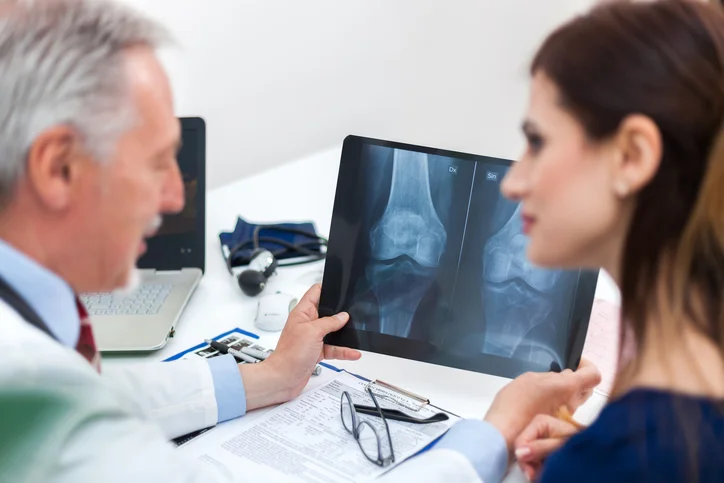
Our skeleton may seem like a static, inactive part of our body but that is far from the truth. Our bones are constantly being broken down and rebuilt.
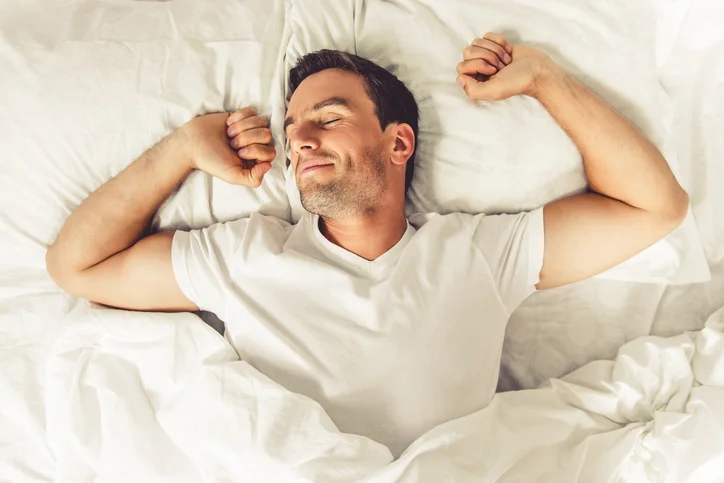
Read MoreSnoring, waking up during the night, waking up too early or feeling unrefreshed when they get up in the morning, we are not a well-rested nation.
Read MoreThis is good news as the more physically active a person can be, the lower their risk for many chronic diseases such as cardiovascular disease, diabetes, obesity, stroke, and depression.
Read MoreWe often assume public pools are kept clean and abide by strict standards but according to a report from the Centers for Disease Control and Prevention (CDC), between 2011-2012, there were 90 outbreaks causing 1,788 illnesses and one death from outbreaks of illnesses from pools and hot tubs.
Read MoreTry a new one out each day and eventually they can become your new healthy habits and a permanent part your daily life.
Read MoreChoosing a sunscreen right for you is the first step in protecting your skin. The second step is now to use it correctly for it to be effective and to use it every day throughout the year. Here’s how:
Read MoreIf sleep issues, depression or any other health concerns have been found to be negative and you are still drained of energy, then you need to consider other factors causing you to lose your vim and vigor.
Read MoreDon’t you ever find yourself having an existential crisis? Why are we here? What is our purpose? Should I feel good or happy in this moment? Our brain is setup to make us feel scared at sometimes the best moments of our lives. But is it really worth our while to focus all of our energy on happiness? Can we really be happy all the time?
There may be another approach to viewing this concept is choosing meaning over happiness. Searching and finding your purpose and understanding why you’re here and why you’ve gone through what you’ve gone through can be a powerful mental healing exercise with a long-term benefit.
Sometimes we feel such an intense desire to chase happiness and the feeling of bliss but this path could be making us chase the wrong thing.
What makes life truly worth living is meaning. This should be the foundation of everything we do, no matter how small or big. This blissful feeling we’re talking about can slip away so fast.
Mental health tips to avoid losing sight of your meaning:
Value who you are right now and treat yourself with respect
Take care of your body physically to continue through with your feeling of purpose
Surround yourself with positive people
Give yourself a treat or gift everyday, small or big!
Quiet your mind to de-stress
Break up your routine
Set realistic goals
Bees, wasps and hornets really don’t mean to harm us.
Read MoreThis seems like a given but hotels have been for years focused on elaborate public gyms inside their hotels. But now brands like Hilton are the first to innovate around in-room fitness, capitalizing on the very large niche audience that prefer solo fitness.
With the rise of apps for solo meditation and body-weight exercises, this makes so much sense. The idea is making exercise accessible for one of the toughest times, being on-the-go or traveling. For those that travel a lot for their job, this is critical. We often make excuses for not exercising or living healthy when we’re traveling or on-the-go. In May, Hilton became one of the first hotels to offer in-room fitness with 11 pieces of workout equipment.
The workout gear includes:
Indoor Wattbike bicycle
Gym Rax
Training station that lets users tackle body-weight moves with TRX straps.
Fitness kiosk, a touch-screen display that offers more than 200 videos, including tutorials on all the equipment, cycling, high-intensity interval training and yoga classes.
Hilton’s choices came from customer feedback that they’d be willing to pay more for convenience of fitness in their room. They also took into consideration a significant study from Cornell University. This report showed that “46 percent of guests expected to work out in the fitness center during their stay, but only 22 percent actually did so.”
The rooms were built much bigger to include enough space to move around the room and store the equipment.
The partnership came about after a survey by the hotel last year found that 70 percent of global travelers struggle to maintain their wellness routines on the road, said Sarah Lipton, the brand’s global director of marketing and management, and that 51 percent of Westin guests are likely to have gym memberships.
The hotel brand Westin also had jumped on the bandwagon. The brant itself conducting a significant survey last year that noted more than 70 percent of global travelers struggle to maintain their wellness routines on the road, said Sarah Lipton, the brand’s global director of marketing and management, and that 51 percent of Westin guests are likely to have gym memberships.
This proves gyms and fitness across the hotel ecosystem shouldn’t be an afterthought. With the rise of wearable tech like fitness watches and on-the-go heart monitors, this shows fitness is only going to become closer to us and convenience is half the battle of getting up off the couch each day. Enjoy your next vacation!
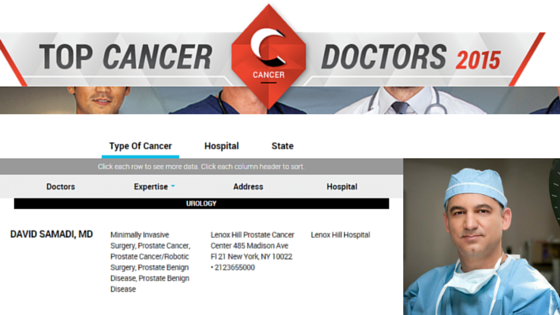
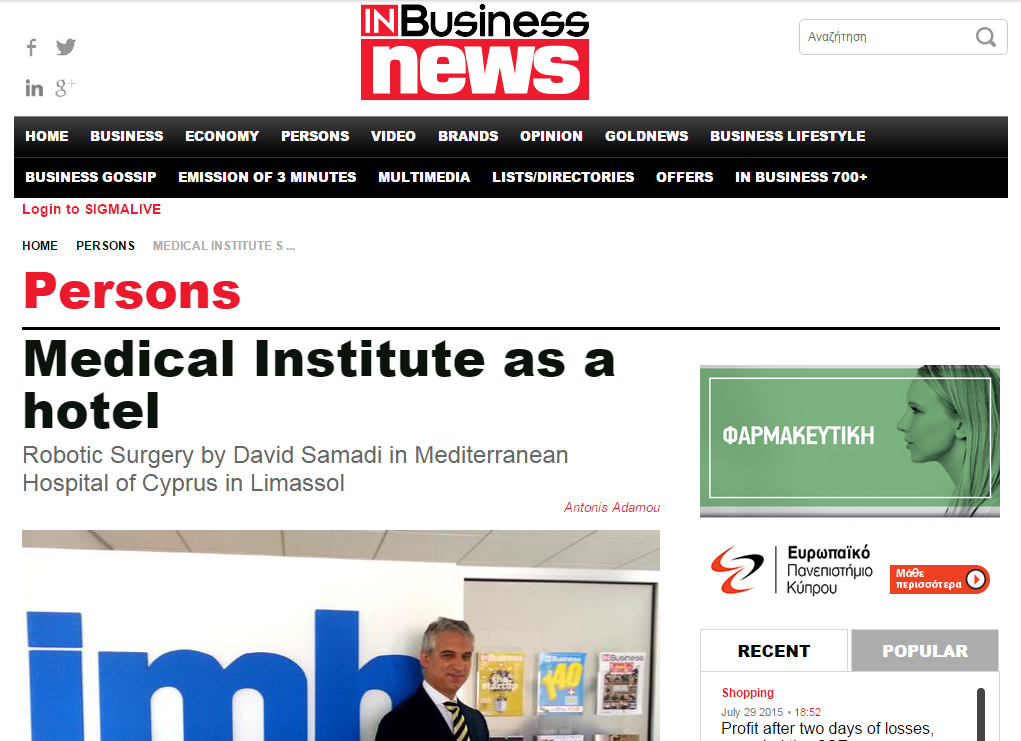
Dr. David B. Samadi's blog is the top online destination for everyday health tips, world health news, health technology, health investing, business of medicine, alternative medicine, health politics, and health pop culture. SamadiMD.com is also your go-to curated online source for the best health care and prevention tips, better sex life, healthy food, and men's health. Read the latest prevention news for all types of cancer such as prostate cancer, cervical cancer, bladder cancer, kidney cancer, breast cancer, testicular cancer, colon cancer and more. SamadiMD.com provides latest information on surgery techniques, how to pick the right surgeon, what to know before and after surgery and latest surgery industry news and information.