Niacin may boost ‘good’ cholesterol
/
Niacin also has the distinction of being the first treatment for high cholesterol when its beneficial effects were discovered in 1955.
Read MoreNiacin also has the distinction of being the first treatment for high cholesterol when its beneficial effects were discovered in 1955.
Read More
This study found that in just 14 days of sedentary behavior there were small, but significant changes in markers for health conditions such as heart disease and type 2 diabetes predisposing people to their risk.
Read MoreThe researchers hoped to carefully calibrate alcohol consumption and closely monitor individual behavior.
Read Morerobably just about all of us have experienced and complained of aching feet. Maybe it stemmed from standing all day in uncomfortable shoes or walking a long distance on an unforgiving surface.
Whatever the reason, when our feet hurt, life can be miserable. There can be numerous causes for feet to hurt but for chronic pain or discomfort, there is a good chance it is due to one of the following reasons. However, if foot pain does not go away or get better, always contact a podiatrist for a full foot evaluation to figure out the origin of hurting feet.
Read MoreYou’re chances of developing prediabetes over the course of your lifetime is about 50-50 according to research. A large study from the Netherlands followed 10,000 adults for 15 years testing their blood sugar levels and found at age 45, about half would develop prediabetes, 30 percent full blown diabetes and nine percent would need to take insulin. Factors accelerating the rate of developing prediabetes were increased age, body mass index (BMI), and waist circumference.
Read MoreEveryone has their theories on what causes constipation. Some people have the belief that certain foods are “constipating” or that if you don’t have a daily bowel movement you are technically constipated. The common and various misconceptions that persist among the general public on this topic only adds to the burden of the discomfort of constipation.
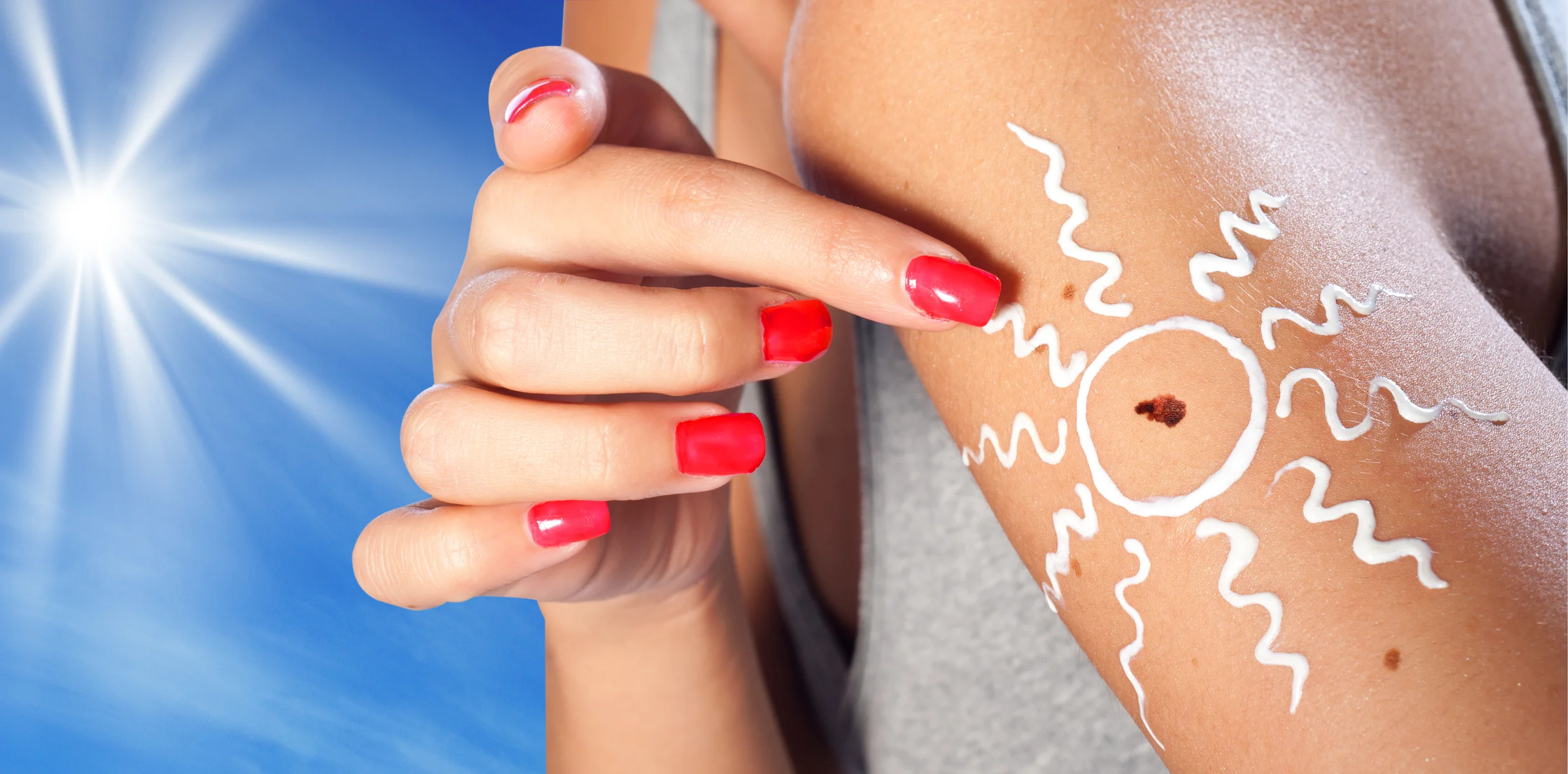
Read MoreWhen men reach the age of 40 they are taught to be on the lookout for prostate and colorectal problems, but that's also the age they need to take a hard look in the mirror at their skin. Actinic keratitis, which can develop from years of exposure to the sun, can also be a precursor to skin cancer.
Read MoreOnce upon a time – and not so very long ago – if you wanted to understand how soundly you were sleeping, you needed to go to a lab for a specialized test. Known as a polysomnography, it would measure:
It's springtime and a young person's fancy turns to... indoor tanning beds. And yes, that's completely insane. Researchers estimate that indoor tanning may cause upwards of 400,000 cases of skin cancer in the US annually, yet approximately 7.8 million adult women and 1.9 million adult men in this country use tanning beds. In 2015, all that indoor tanning-induced skin cancer lead to a total economic loss of $127 billion over the lifetime of those patients. Unlike other well-documented bad behaviors, such as cigarette smoking or cleaning your gun while drinking tequila, indoor tanning is actually on the rise.
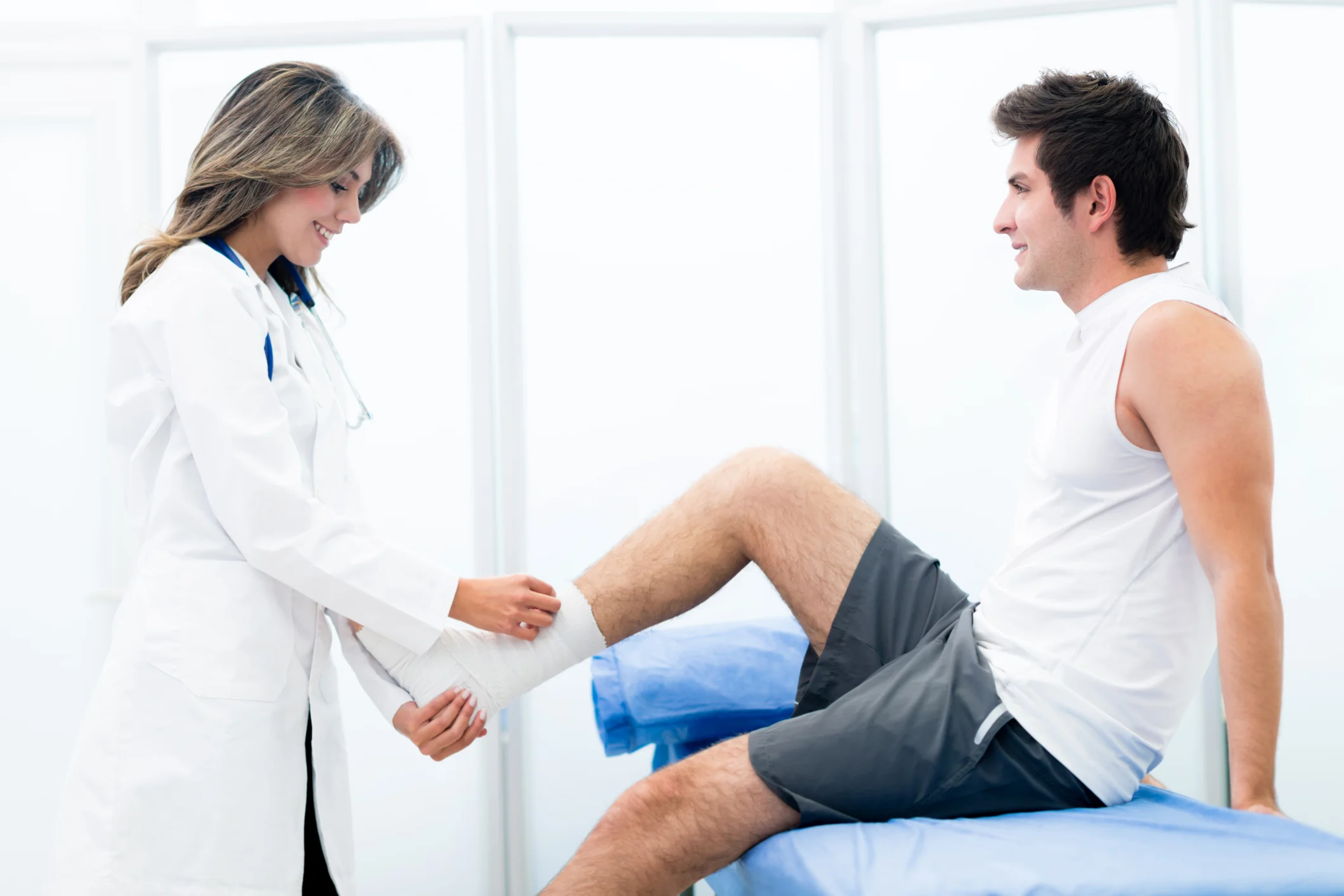
Read MoreIt can happen within a blink of an eye - a sprained ankle. No matter the cause, the rolling of the ankle outward while the foot turns inward and you will know you’re going to be hurting. About 25,000 Americans have this mishap occur every day according to the American Academy of Orthopaedic Surgeons making ankle sprains the most common ankle injury in the majority of sporting and other activities. Even though ankle sprains may seem trivial, anyone who has experienced this unfortunate event may have extended prolonged or chronic ankle instability leading to feelings of the ankle “giving way” during normal activities of daily living.
Read MoreYes, gambling addiction is a “real” addiction. It is an impulse-control disorder that can destroy lives as completely as alcoholism or an opioid habit. Some new technology, however, is providing some insights that may help us fight it.
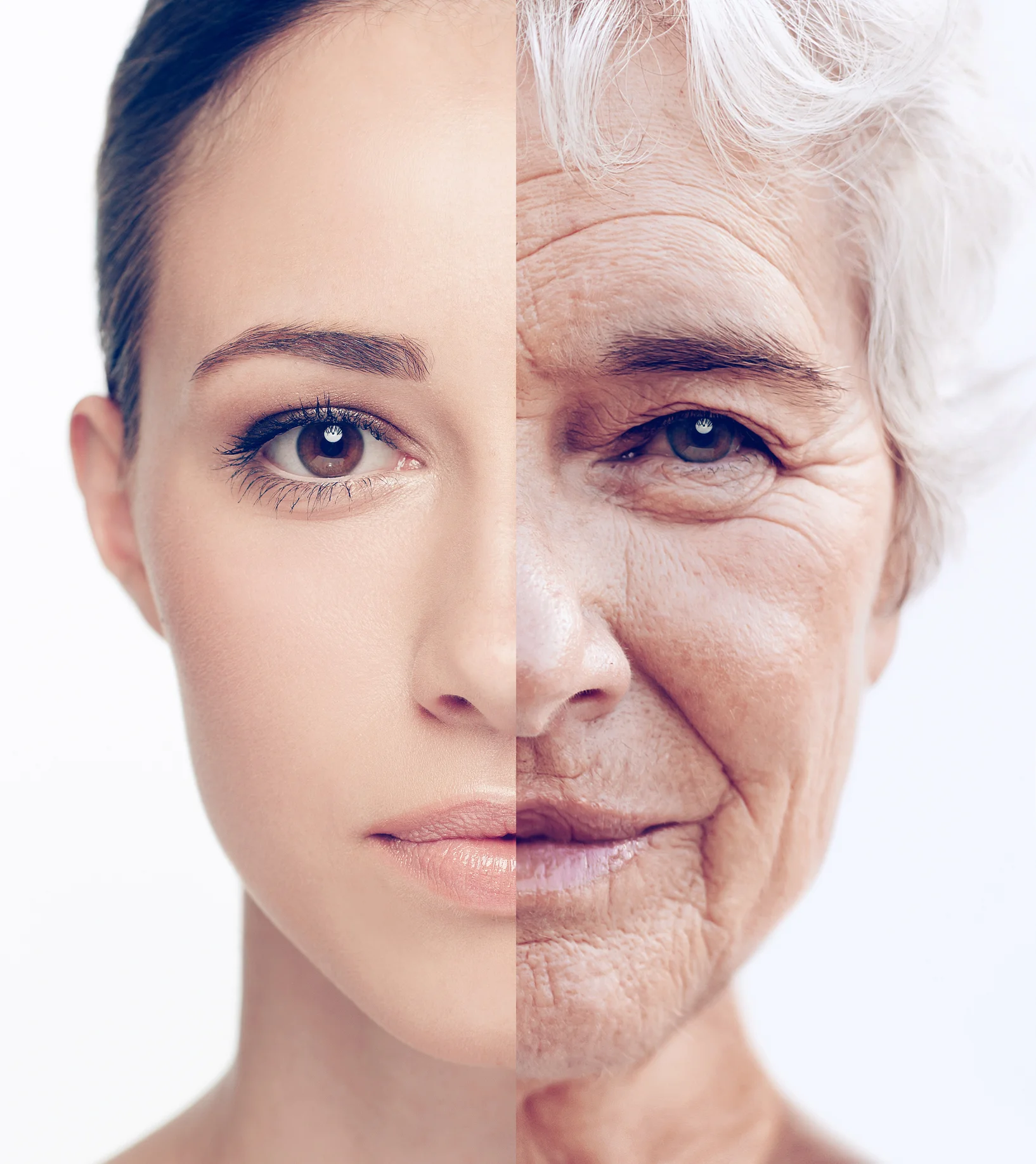
Read MoreGrowing older is inevitable and as we do, there are some other inevitable changes taking place. These changes are not the usual suspects we can feel or see when looking in a mirror – graying of hair, receding hairline, jowls forming, sagging and wrinkled skin or stiffening of joints. Besides those undeniable signs of aging, there are other less subtle changes occurring from our head to our toes. Wisdom may come with age but along with it also comes widening, deepening and longer physical characteristics that have been happening over the years.
Read MoreIf you have back pain, you share a commonality with many others. At one time or another, back pain affects an estimated 80 percent of Americans. Four out of five people will experience back pain at some point in their life making it the fifth most common reason for seeing a doctor. The pain can range from severe to mild and be located anywhere from the lower, middle or upper back.
Read MoreThe look of smooth, wrinkle-free skin has been sought after for centuries by both sexes. One of the most used and studied anti-aging compounds has been retinoids.
Read MoreHas fatigue been dragging you down, making life seem incredibly hard? Does the thought of doing daily necessities such as paying bills or doing laundry make you weary just thinking about it?
Read MoreSoda sales have taken a nose dive in recent years as people are looking for beverages containing less sugar. It looks like a possible new beverage fad and thirst quencher has arrived ready to take soda’s place– plant waters. These beverages made from extracts of fruits, vegetables, grains, grasses, and various plant parts such as leaves and even rinds, are making a splash in the water world of drinks.
Read MoreHere are ways in which our different body systems may react to and be impacted by stress
Read MoreIf you’ve never had the itchy, oozing, bubbly rash of poison ivy, oak or sumac, consider yourself very lucky. This common rash many people will get during the spring, summer or fall is one of the most annoying and possibly scar inducing rashes a person can get.
It all starts with the oil called urushiol found in these plants causing a blistering rash to occur within 12 to 72 hours after contact with the oil. This is known as allergic contact dermatitis due to the oil acting as an irritant to the skin. Fortunately, the rash is not contagious and usually goes away within a few weeks. However, swelling can be a sign of a severe reaction, particularly if it involves swelling of the face or eyes. Difficulty in breathing or swallowing warrants an immediate trip to the emergency room.
Preventing contact with these poisonous plants is the solution. Taking necessary precautions is a big step in reducing the misery of an aggressive poison ivy, oak or sumac rash.
· Avoid contact with the plants
The saying “leaves of three, let them be,” is sage advice. In order to avoid contact you must know what they look like and be looking for them whenever you are outdoors. When hiking, stay on cleared trails or pathways, avoiding walking into wooded areas or low-lying brush. If gardening or pulling weeds, be mindful of where your legs and hands are and what you are touching. If pitching a tent for camping, do so in an area cleared free of these plants.
· Cover-up when outdoors
Spending time outdoors means you may be in an area of where poison ivy, oak, or sumac like to spend time also. If you are going into a wooded area, gardening or being near fence posts, trees or other fixtures ivy likes to climb on, protect your skin by wearing socks, boots, pants, long sleeves, and vinyl gloves.
· Kill the plants
Inspect your yard for these ‘leaves of three’ plants. If spotted, apply an herbicide to kill them. It is recommended not to burn these plants as the usushiol can be carried by the smoke which you breathe in and could cause a serious systemic reaction throughout the body.
· Wash hands after being outdoors or petting animals
Washing hands and arms using soap and cool water within 30 minutes after exposure can help wash away most of the oil preventing the harmful resin form reacting with your skin. If you feel you may have been exposed on other areas of your body, take a shower – this can go a long way in preventing or at least reduce the severity of a rash.
Animals like dogs or cats may have walked through an area where the poisonous leaves brushed against their fur containing the oil. If you pet them, the oil gets onto you. Always wash your hands thoroughly after playing with your pets.
· Clean all contaminated objects
Promptly wash your clothing that comes into contact with poison ivy, oak or sumac in a washing machine. Anything else that has been contaminated – jewelry, garden tools, shoes, shoelaces – need to be washed as soon as possible.
· Use a barrier cream
A good way to protect yourself is to use a cream creating a barrier between your skin and the oily resin. Look for over-the-counter products that will form a protective blockade against these poisonous plants.
Hypospadias is a birth defect in boys in which the urethra, the tube through which urine travels from the bladder to outside the body, does not develop properly. This condition affects about one in every 250-300 male babies making it one of the more common male birth defects.
Read MoreDr. David B. Samadi's blog is the top online destination for everyday health tips, world health news, health technology, health investing, business of medicine, alternative medicine, health politics, and health pop culture. SamadiMD.com is also your go-to curated online source for the best health care and prevention tips, better sex life, healthy food, and men's health. Read the latest prevention news for all types of cancer such as prostate cancer, cervical cancer, bladder cancer, kidney cancer, breast cancer, testicular cancer, colon cancer and more. SamadiMD.com provides latest information on surgery techniques, how to pick the right surgeon, what to know before and after surgery and latest surgery industry news and information.