Keep your cool by avoiding dehydration
/How much water do we need?
Read MoreHow much water do we need?
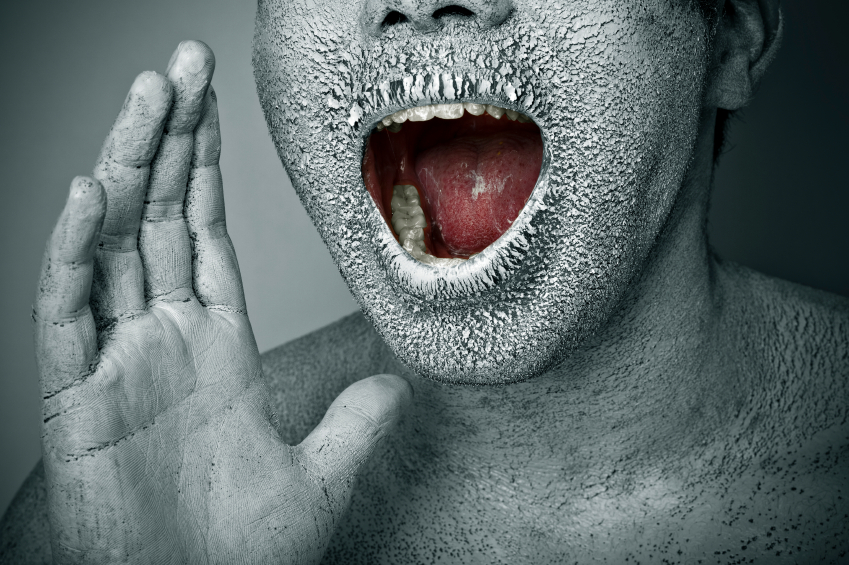
Read MoreDehydration is a condition that occurs when the body loses more fluids (mostly water) that it takes in. Dehydration causes more water to leave our bodies than we take in through water consumption. It is normal for us as humans to excrete a certain amount of water each day. Water escapes from the body as water vapor every day as we breathe (exhale) and as we excrete fluids through sweat, urine, and stool. Other than water, small amounts of salts are also excreted. However, when we lose too much water, our bodies can become dehydrated. This can lead to certain health problems and in severe cases, can lead to death.
Causes of dehydration
· Significant injuries to skin, such as burns or mouth sores, or severe skin diseases or infections (water is lost through the damaged skin)
· Diseases such as diabetes
· Fever, heat exposure, and too much exercise
· Vomiting, diarrhea, and increased urination due to infection
· The inability to seek appropriate water and food (as in the case of a disabled person)
· An impaired ability to drink (for instance, someone in a coma or on a respirator)
Symptoms of dehydration. The signs and symptoms of dehydration range from minor to severe and include:
· Increased thirst
· Confusion
· Dizziness
· Fainting
· Dry mouth and swollen tongue
· Weakness
· Palpitations
· Sluggishness fainting
· Inability to sweat
· Decreased urine output
· Deep yellow or amber colored urine
See your doctor if you experience any of the following symptoms:
· Increased or constant vomitingfor more than a day
· Fever over 101°F
· Diarrheafor more than 2 days
· Weight loss
· Decreased urine production
· Confusion
· Weakness
Self-treatment for dehydration
· Sip small amounts of water
· Drink carbohydrate/electrolyte-containing drinks. (i.e. sports drinks such as Gatorade)
· Suck on ice chips or popsicles made from juices and sports drinks
· Get out of the sun and get into air conditioned or fanned environment
Dr. David B. Samadi's blog is the top online destination for everyday health tips, world health news, health technology, health investing, business of medicine, alternative medicine, health politics, and health pop culture. SamadiMD.com is also your go-to curated online source for the best health care and prevention tips, better sex life, healthy food, and men's health. Read the latest prevention news for all types of cancer such as prostate cancer, cervical cancer, bladder cancer, kidney cancer, breast cancer, testicular cancer, colon cancer and more. SamadiMD.com provides latest information on surgery techniques, how to pick the right surgeon, what to know before and after surgery and latest surgery industry news and information.