What You Need to Know About Atrial Fibrillation

What You Need to Know About Atrial Fibrillation

Almost a half-million new cases of atrial fibrillation or heart palpitations are diagnosed each year in the U.S. Also known as arrhythmia, or auricular fibrillation, this causes heart palpitations ,shortness of breath, fatigue, weakness, dizziness, confusion, fainting, foot and ankle swelling and coughs with foamy mucus. It's currently the most common problem regarding the heart's rhythm. The main cause of heart failure and a major risk factor for stroke is atrial fibrillation. The heart contains four chambers, where the two upper chambers are called atria which is where the blood enters. 

Read More


Living With Bell's Palsy

Living With Bell's Palsy

Bell's Palsy is a harmless condition that causes muscle weakness or paralysis in some facial muscles. It can sometimes be alarming, especially when brought on suddenly, where parents experience one side of their face drooping.  Bell's Palsy is also called facial nerve paralysis or seventh nerve paralysis. This is where smiling may appear as a sneer. Symptoms tend to include weakness and paralysis on one side of the face, dropping eyelid and mouth, drooling, difficulty speaking, eating and drinking, dry mouth, eye dryness or tearing, difficulty tasting, pain in the jaw, headache, ringing in the ears and an increased sensitivity to sound. 

Read More

Why do we get canker sores?

Why do we get canker sores?

Canker sores, not to be mistaken with cold sores, are small sores that appear on the inside of the mouth or at the bottom of the gums. These sores are actually pretty common, affecting about 3 million people in the United States per year.  Although often mistaken for cold sores because of their similar appearance, canker sores are very different in that the sores, or blisters do not occur on the lips and are not contagious like in cold sores.  It is important to remember that cold sores are a result of herpes virus infection, while the causes of canker sores are unclear and variable.

Read More

Anal Fissure: What You Need to Know

Anal Fissure: What You Need to Know

Many people are unaware of this condition but an anal fissure can be quite painful. It's important to understand how this develops. What is an anal fissure? It's a small teat in the tissue of the anus that causes pain and bleeding, especially during bowel movements. Yes, these symptoms can seem alarming, however anal fissure is quite a harmless condition. 

Read More

Eye Health and Diagnosing Astigmatism

Eye Health and Diagnosing Astigmatism

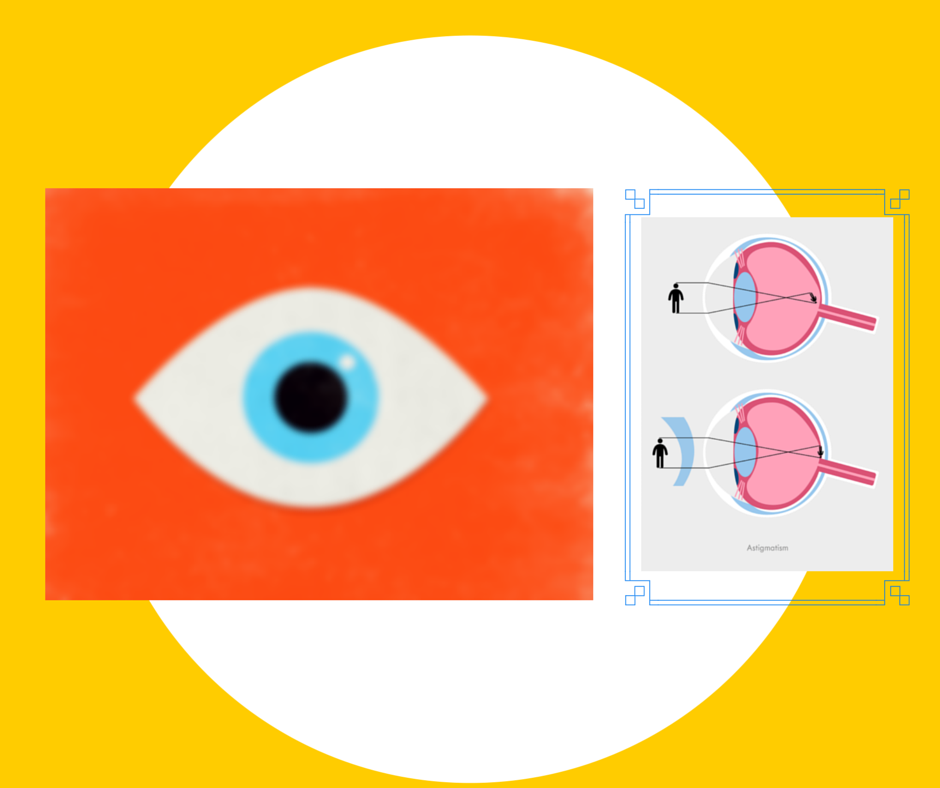
Eye health is one of the most undervalued but important aspects of our overall health. Your eyes are an important part of your health. There are many things you can do to keep them healthy and make sure you are seeing your best. Millions of Americans suffer from eye disorders and one of the more common issues is called Astigmatism. This common eye problem will cause blurry vision. How does this happen? What is called the "lens" or the cornea —the clear layer that covers your eye— possesses slight imperfections which leads to the eye being unable to refract light correctly.

Read More

Bulimia: A Common Eating Disorder

Bulimia: A Common Eating Disorder

Eating disorders can affect men and women from any background.  They are defined as any abnormal eating habits that have a negative or detrimental effect on the body and our health. The two best known eating disorders are anorexia, and bulimia. For many sufferers, symptoms don’t look like symptoms at first, they may just feel like normal dieting patterns or setbacks. Hitting the bathroom immediately after meals can be a sign of bulimia, a common eating disorder, characterized by purging immediately after meals.  

Read More

Here's the Risks for Carpal Tunnel Syndrome

Here's the Risks for Carpal Tunnel Syndrome

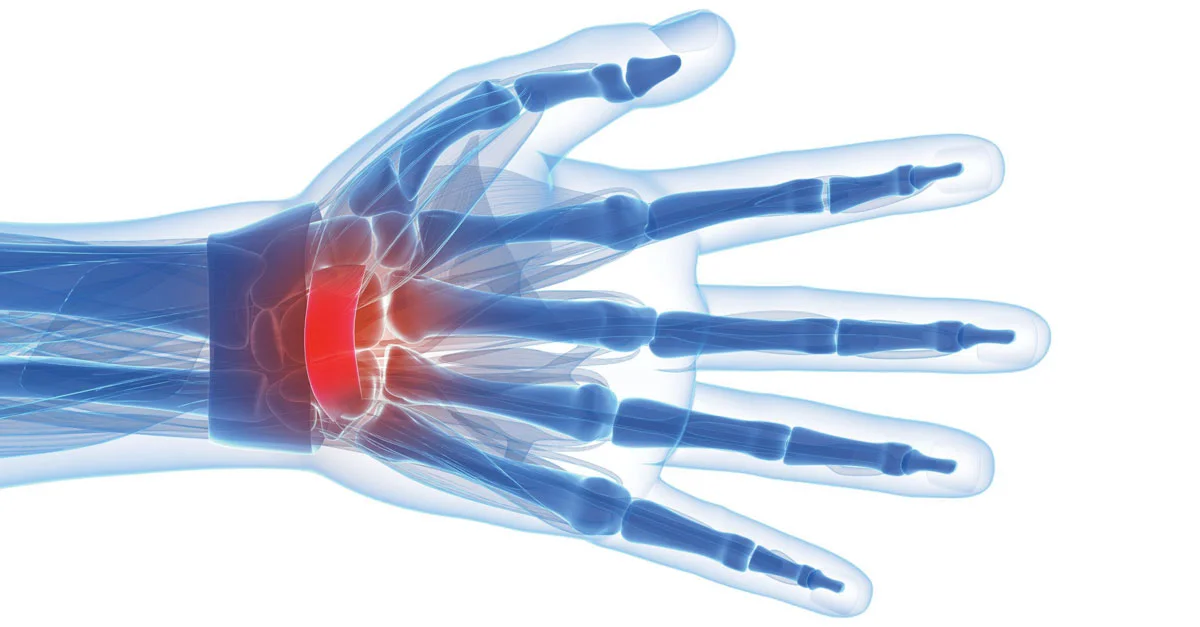
About 3% of women and 2% of men will be diagnosed with carpal tunnel syndrome during their lifetime in the U.S. The disease appears to be prevalent among women older than 55. There is a lot of difficulty around understanding CTS and how many people actually have it because symptoms reported often result in normal test results. What is carpal tunnel syndrome? It's a condition in the hand and arm that causes numbness, tingling and other feeling symptoms. 

Read More

Are you at risk for a blood clotting disorder?

Are you at risk for a blood clotting disorder?

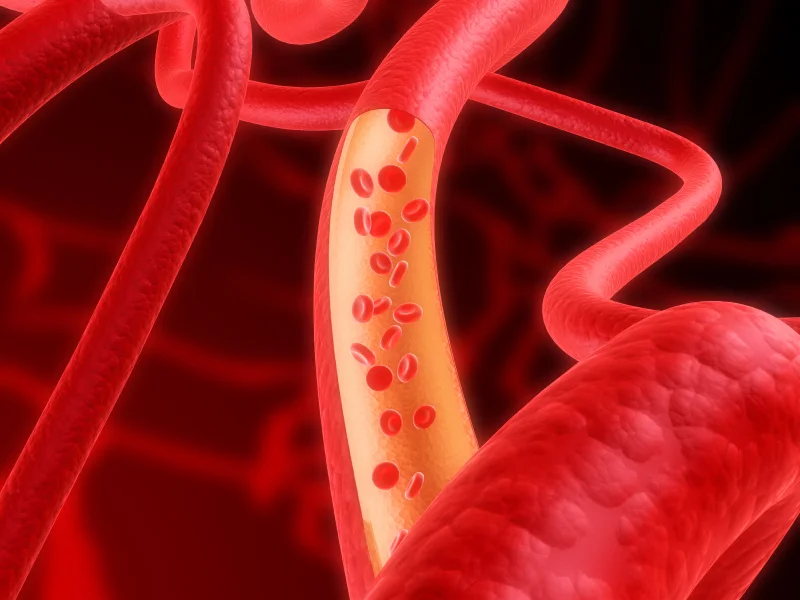
A blood clotting disorder is when a person experiences abnormal blood clotting. This is also known as thrombophilia. With thrombophilia, there is an increased risk of thrombosis, or blood clots in the blood vessels. Blood clotting disorders are a serious condition because they increase the risk of blood clots developing within the body. Blood clots in the body can be dangerous and in some cases life-threatening.

Read More

What is Bronchiolitis?

What is Bronchiolitis?

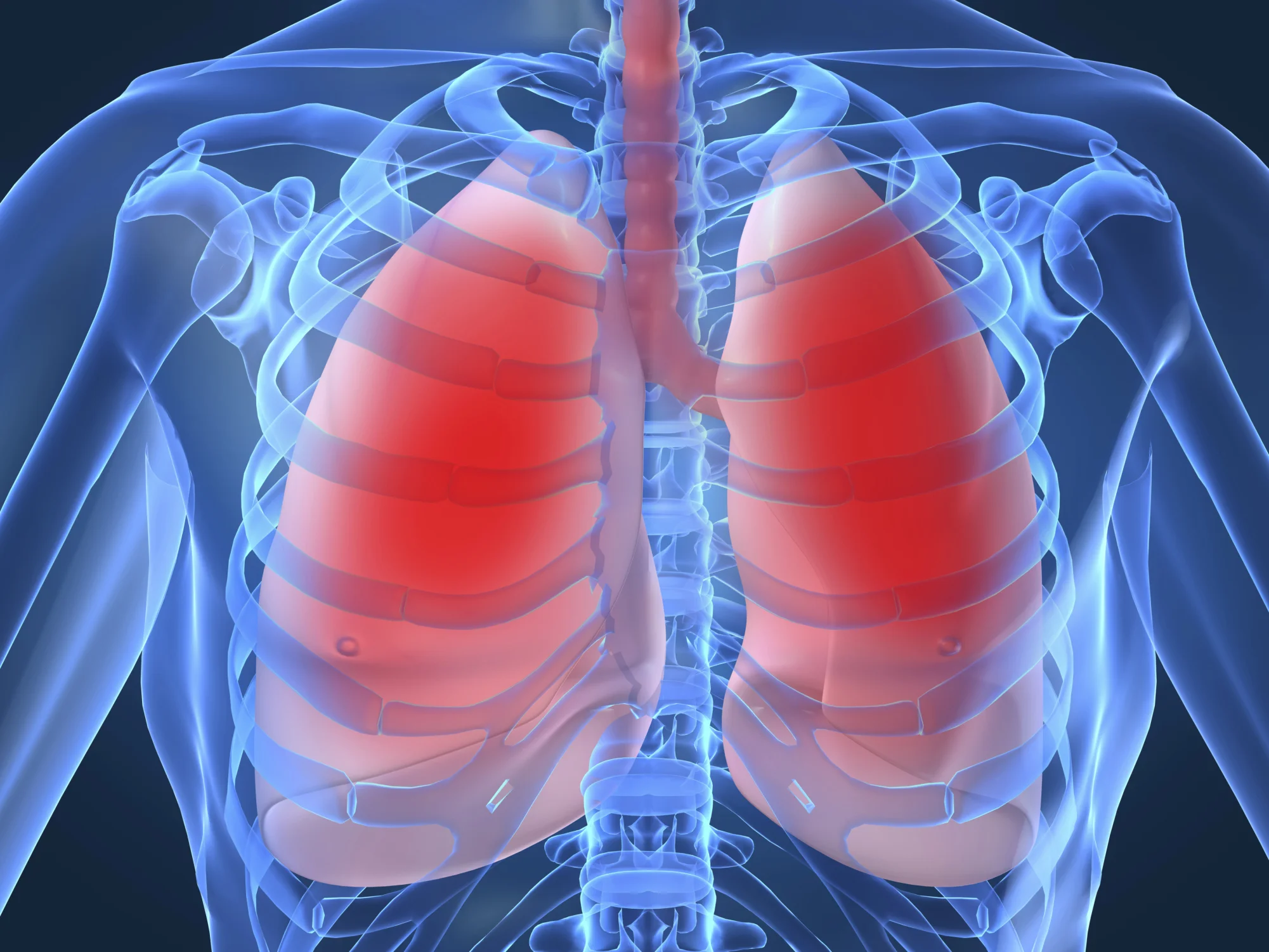
Bronchiolitis is a common lung infection in children, responsible for putting about 90,000 American children in the hospital each year. This common respiratory tract infection can be caused by several different viruses, and affects the bronchioles, the tiny airways in that lead to the lungs in particular.  As the infection takes hold, these bronchioles become inflamed, or swell up, and fill with mucus.  

Read More

Barrett’s Esophagus

Barrett’s Esophagus

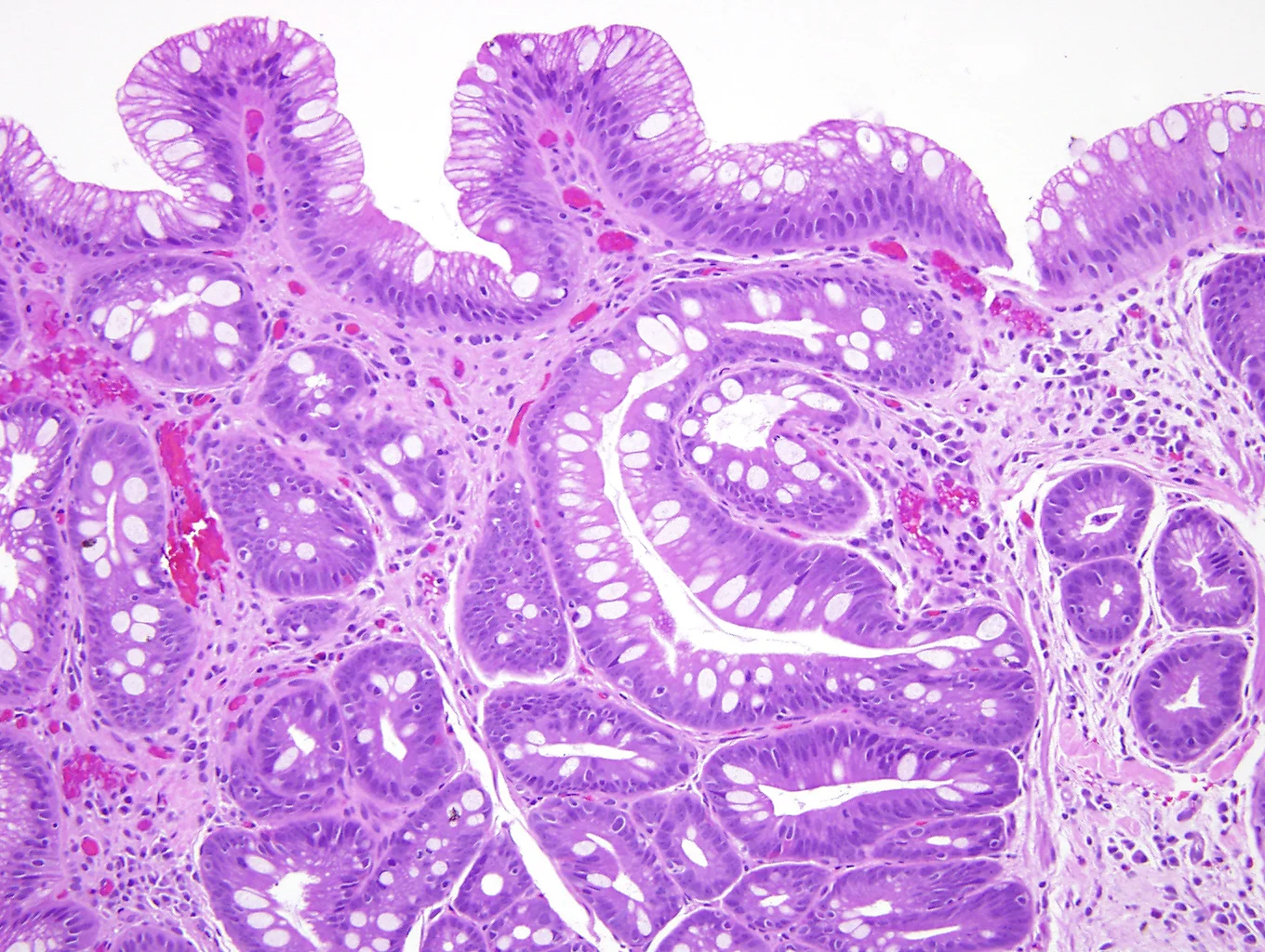
Barrett’s esophagus, however exotic sounding, is a serious complication of chronic gastroesophageal reflux disease.  Gastroesophageal reflux disease is usually used interchangeably with GERD (its acronym) and acid reflux.  But there are some key differences.  Acid reflux is the backward flow of stomach acid into the esophagus - the tube that connects the throat to the stomach.  This backward flow occurs when the sphincter muscle at the lower end of your esophagus is weak or relaxes at the wrong time.  If the valve or sphincter is open, stomach acid is allowed to back up into your esophagus. This reflux can, in turn, cause heartburn, among other not so pleasant symptoms.

Read More

What is Bladder Outlet Obstruction?

What is Bladder Outlet Obstruction?

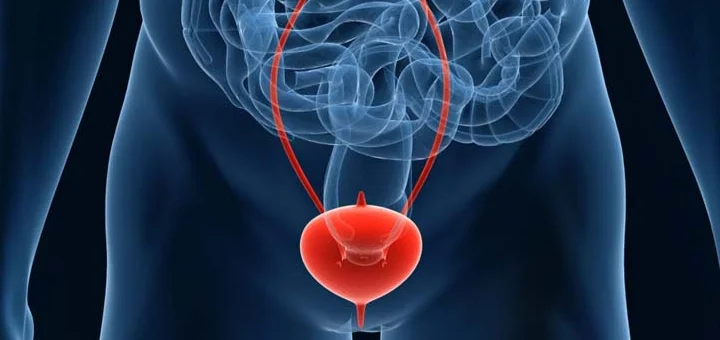
The bladder is a hallow organ that hold urine from the kidneys. Often it's one of the parts of the body not often thought about until it stops working properly. Problems affecting the bladder can cause painful urination and leakage at unwanted times. Sometimes simple lifestyle changes can improve these conditions however there are certain conditions that occur which need treatment immediately. One of them is entitled Bladder Outlet Obstruction which is also referred to as lower urinary tract obstruction or prostatism. Symptoms include abdominal pain, pain while urinating, inability to urinate, straining to urinate, dribbling after urination, waking up throughout the night to urinate. 

Read More

Appendicitis: What You Need to Know

Appendicitis: What You Need to Know

Appendicitis is also known as a perforated or ruptured appendix. It is a serious infection of the appendix which is a small finger-like tube located where small and large intestine join. Symptoms often start with abdominal pain that occurs near the belly button or lower right. Patients also experience nausea, vomiting, loss of appetite, low-grade fever, constipation and abdominal swelling. Almost half of patients with appendicitis feel abdominal pain that moves rapidly to the lower right. If appendicitis is now treated right away, the appendix will likely burst, which then spreads infection throughout the abdomen, which is a dangerous condition called peritonitis. 

Read More

Bone Spurs and Bone Health

Bone Spurs and Bone Health

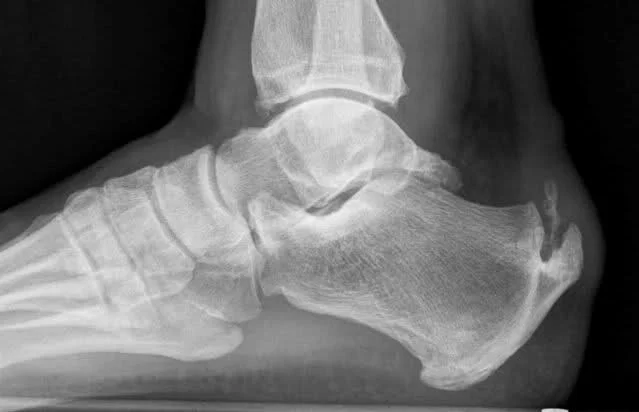
As we age, bone health becomes increasingly important, especially for women, who are most at risk for bone density issues. Bone spurs or osteophytes are extra growths of the bone that can happen on the edge of any bone. Symptoms can include joint pain, tenderness, swelling and loss of motion in that affected joint. Bone spurs occur most commonly around the joints and can occur in the spine as well. They are not painful but can cause pain when they rub against other bones and nerves. Tendonitis or osteoarthritis are often one of the main causes of bone spurs. In some cases, they are a natural part of aging. Some even cause no symptoms and not even need any treatment. Others require pain medications and surgery. 

Read More

Candidiasis: What Men and Women Need to Know

Candidiasis: What Men and Women Need to Know

Candidiasis is a yeast infection, thrush, diaper rash or fungal infection. It's a condition that affects both men and women. Symptoms really depend on the state of the infection. It could include a light discharge from the vagina, whitish patches in the mouth or present on the tongue. Patients also experience cracking at corners of the mouth, pain when swallowing, skin rashes with scalloped edges, itching and burning in the genitals as well as thickened and discolored toenails or fingernails. 

Read More

Celiac Disease: What it means to be gluten intolerant

Celiac Disease: What it means to be gluten intolerant

Celiac Disease or also known as Sprue, gluten intolerance and sensitivity, actually has many different types of symptoms. Some include gas, diarrhea, nausea, fatigue, hair loss, anemia, depression, joint pain, weight loss, and even skin rashes and osteoporosis. What the disease actually does is damage the lining of the small intestine and prevents it from absorbing food properly. The body reacts to gluten which is a protein found in wheat, rye and barley. Celiac Disease tends to be genetic but can occur in those without a family history. 

Read More

Signs of an Eating Disorder

Signs of an Eating Disorder

Eating disorders can affect men and women from any background.  They are defined as any abnormal eating habits that have a negative or detrimental effect on the body and our health.  The two best known eating disorders are anorexia, and bulimia. For many sufferers, symptoms don’t look like symptoms at first, they may just feel like normal dieting patterns or setbacks. 

Read More

The Science of Headaches

The Science of Headaches

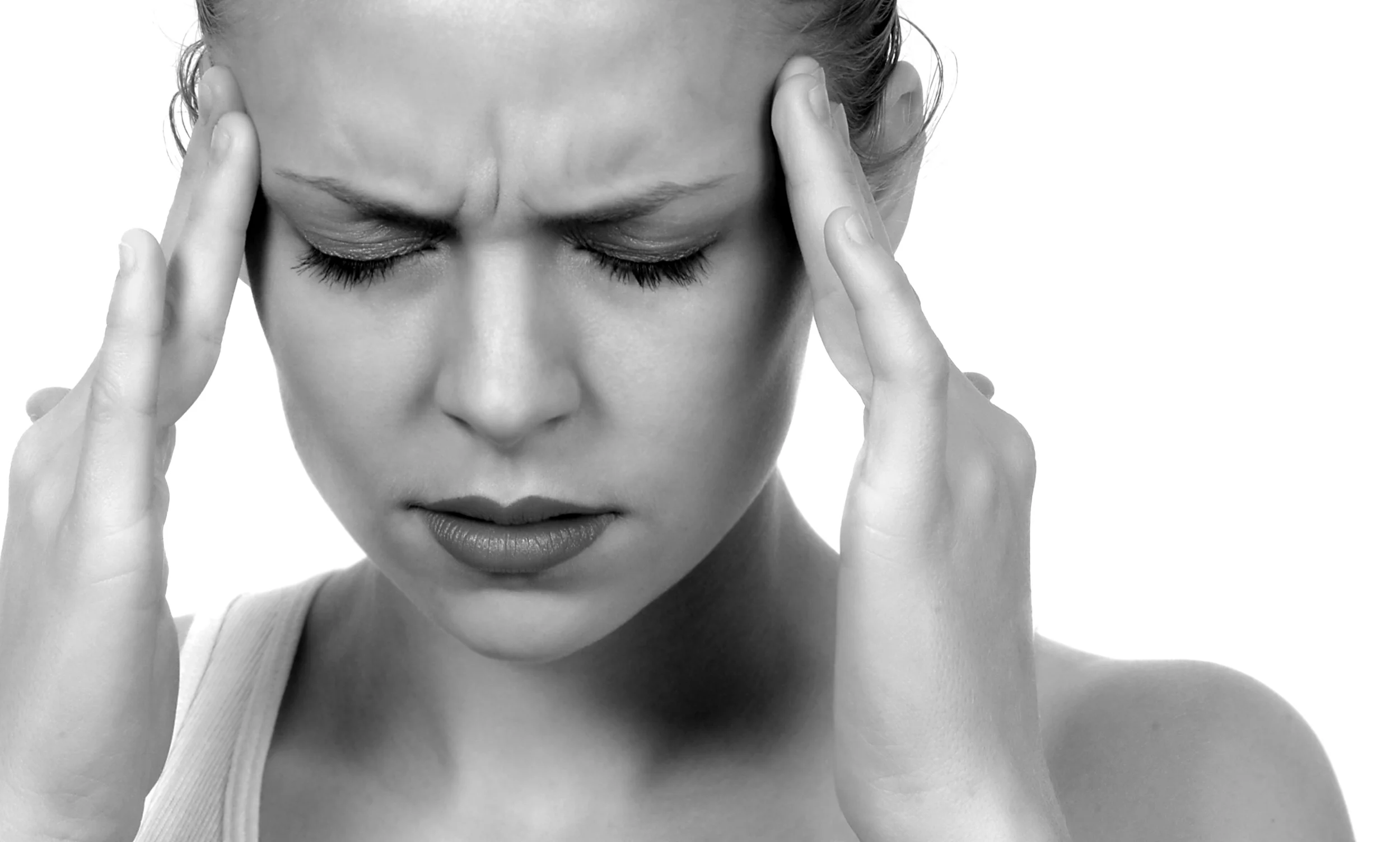
We all experience headaches from one time to another. But what exactly is it? Whether you're feeling stressed, sick or just hit by a sudden storm of pain, headaches can really inhibit your everyday activities. Here's the science behind headaches.

Read More

7 Signs of Ulcers

7 Signs of Ulcers

No single cause for ulcers have been found. There are many variables that affect their development. Researchers now know that ulcers are the end result of an imbalance between digestive fluids in the stomach and duodenum. Ulcers are typically caused by bacteria type named Helicobacter pylori.

Read More

Most Common STDs

Most Common STDs

An STD is a sexually transmitted disease, also known as an STI or sexually transmitted infection.  These diseases or infections are spread via sexual contact from one partner to the next.  This sexual contact can occur in many ways such as orally, vaginally, anally, or from hand to genital interaction. Our first line of defense against these STDs is to practice safe sex, using abstinence, condoms, and getting checked regularly.

Read More

Diabetic Patients and Measuring Blood Sugar

Diabetic Patients and Measuring Blood Sugar

Patients diagnosed with diabetes have to be on top of understanding their blood sugar. Blood sugar levels to a diabetic patient is an essential part of their care. A physician will measure your levels during regular appointments but it's up to the patient to monitor daily changes in blood sugar. Even further, they need to learn how to monitor it, understand their results and know when to be alert if anything if off. This knowledge can actually save their life. 

Read More