April: Autism Awareness Month

April: Autism Awareness Month

April is Autism Awareness Month. Did you know tens of millions of people around the world are affected by autism? We're still searching for a cure but there's been some advancements in research around Autism over the last decade. Let's explore.

Read More

Remembering Lisa Colagrossi

Remembering Lisa Colagrossi

We remember Lisa Colagrossi who was a beloved television news anchor and reporter on WABC/Channel 7 in New York City. Lisa died suddenly of a brain aneurysm on Thursday. Brain hemorrhages are sudden and unexpected. Everyone needs to be aware and know what to look for. Read on for what you need to know.

Read More

Memory Loss: New Findings

Memory Loss: New Findings

Memory loss often increase as we age. But a new study is showing that men are more likely to experience it than women and at a faster rate. There's also been a new test that may predict the development of memory tests. Here's the latest.

Read More

Kidney Month: Tips For Healthy Kidneys

Kidney Month: Tips For Healthy Kidneys

Kidney disease, also known as chronic kidney disease, is a life-long condition in which the kidney gradually loses function. About 26 million American adults have chronic kidney disease, according to the National Kidney Foundation. Millions of others are at an increased risk for developing the disease and are not aware of it.

Read More

Hypothyroidism: Causes and Treatments

Hypothyroidism: Causes and Treatments

Hypothyroidism is commonly referred to as underactive thyroid, and is a condition in which the thyroid gland doesn’t produce enough hormones. 

It is much more common in women than men; approximately one in every eight women will develop a thyroid condition in her lifetime.  It is estimated that more than 20 million Americans have some form of thyroid condition and up to 60 percent of those with a condition are unaware. 

Read More

Lyme disease: Causes and treatments

Lyme disease: Causes and treatments

Lyme disease is the most commonly reported vector-borne illness in the United States, according to the Centers for Disease Control and Prevention (CDC).  

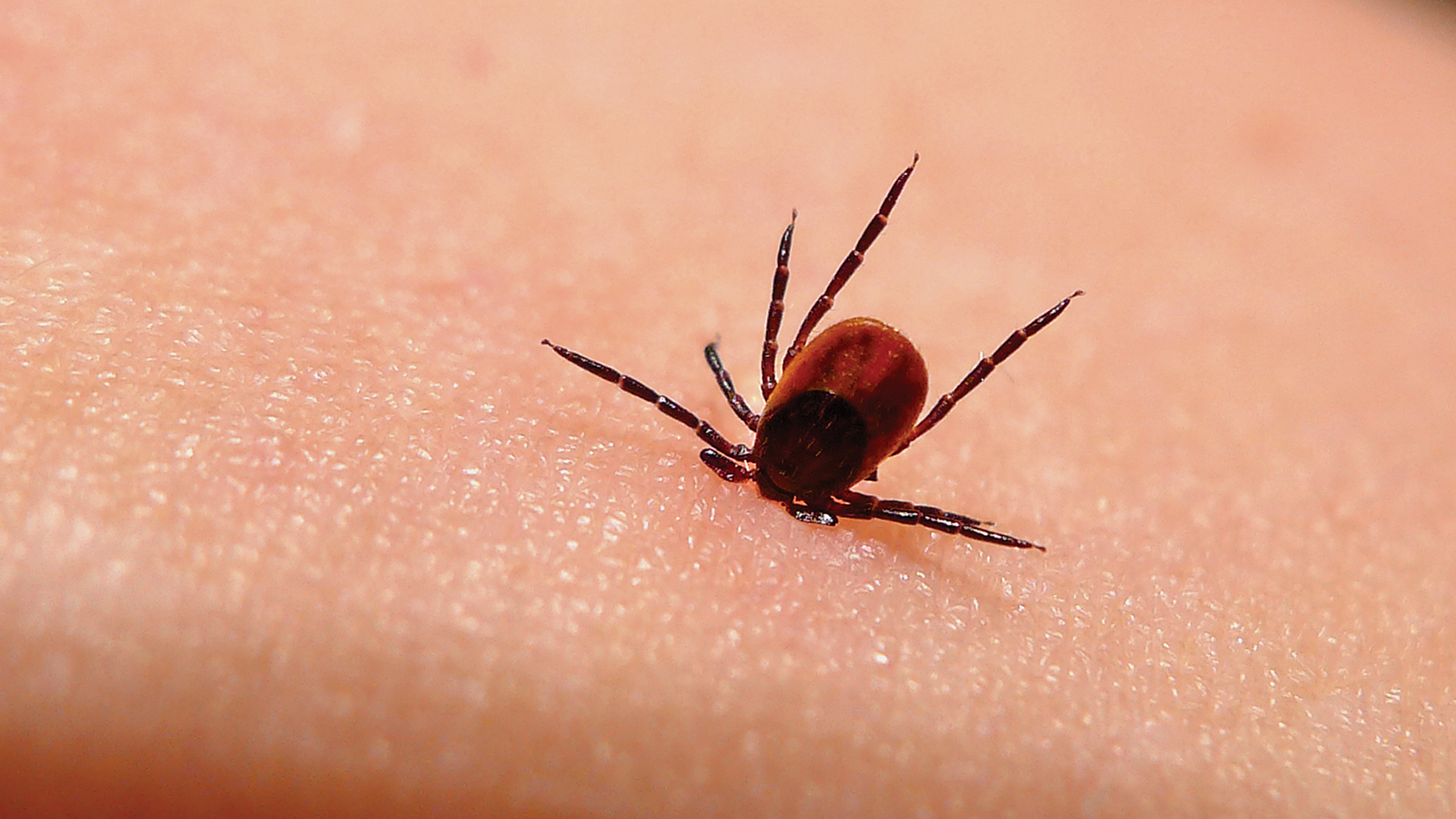
A vector-borne illness is one which is spread to humans through a vector, such as an insect or arachnid, carrying the disease.  In the case of Lyme disease, the vector is a tick.  More precisely, the illness is spread through the bite of a black-legged tick, or deer tick.  

Read More

What You Need to Know About Autoimmune Disease

What You Need to Know About Autoimmune Disease

An autoimmune disease is a disorder that arises from an unusual immune response of the body against healthy body tissue. 

Essentially, it is the body mistakenly attacking and destroying itself.  This may be restricted to certain organs or involve a particular tissue.  Immunosuppressants, medications that decreases the immune response, are typically the treatment for the more than 80 different types of autoimmune diseases.  Some examples of autoimmune diseases that may sound familiar are Celiac disease, thyroiditis, fibromyalgia, Lupus and rheumatoid arthritis.

Read More

Dizziness and Vertigo

Dizziness and Vertigo

Vertigo, the feeling of spinning or whirling, and dizziness are among the most common complaints prompting a patient to visit the doctor.

These symptoms affect 20 to 30% of the general population and translate into millions of hospital and doctor visits a year.

Read More

Signs and Symptoms of Bronchitis

Signs and Symptoms of Bronchitis

Whether or not you can believe it, cold and flu season are already in full swing; cold season typically peaks in January, while flu season not until February. 

This year, however, the Centers for Disease Control and Prevention (CDC) is reporting that this is the earliest start to flu season since 2003.  Other medical websites mapping cold and flu activity are showing moderate to severe activity in most states. 

Read More

New Year's resolutions getting a boost from the FDA?

New Year's resolutions getting a boost from the FDA?

With the start of the New Year, many Americans will resolve, once again, to trim inches from their waistlines.  

If you are one of those people, you may get some help this year from the U.S. Food and Drug Administration (FDA).  How? By banning trans fats and requiring the U.S. food industry to slowly phase them out of use entirely as of early January.       

Read More

Diverticular Disease: What Is It and How to Manage It

Diverticular Disease: What Is It and How to Manage It

It is estimated that about 50% of people over the age of 60 are living with diverticular disease.  Many people have heard the name, but many more are unsure of what it is, seeing as a large percentage of those who have diverticulosis do not suffer from any symptoms.

Read More

Bacterial vs. viral infections: How to protect yourself from antibiotic-resistant illness

Bacterial vs. viral infections: How to protect yourself from antibiotic-resistant illness

Over prescription of antibiotics for sore throats and mild respiratory infections has been a continuous issue in the health care community, even after the Centers for Disease Control and Prevention (CDC) declared antibiotic resistance as a serious health threat in September.    

Researchers are calling for a further intervention to stop unnecessary use of antibiotics, particularly for patients with acute bronchitis or sore throats, who are not likely to benefit from taking them.  

Read More

Acid Reflux: Common Causes, Symptoms, and Ways to Combat Acid Reflux

Acid Reflux: Common Causes, Symptoms, and Ways to Combat Acid Reflux

15 millions Americans suffer from heartburn and acid reflux daily. Maybe it’s the middle of the night, you wake up coughing, choking.  Or perhaps you are at work, you have a big greasy meal for lunch, and all of a sudden you feel a burning, stabbing, insistent pain in your chest. Sound familiar?

Read More