How Cold Sores are Treated

How Cold Sores are Treated

Also called, fever blisters or oral herpes, cold sores are quite common, affecting 600,000 new people  each year in the U.S. Cold sores cause red, painful blisters on the mouth, lips and each sore is filled with fluid. They also are known to cause fever and swollen glands with the first outbreak, especially. 

Read More
Understanding Chronic Kidney Disease

Understanding Chronic Kidney Disease

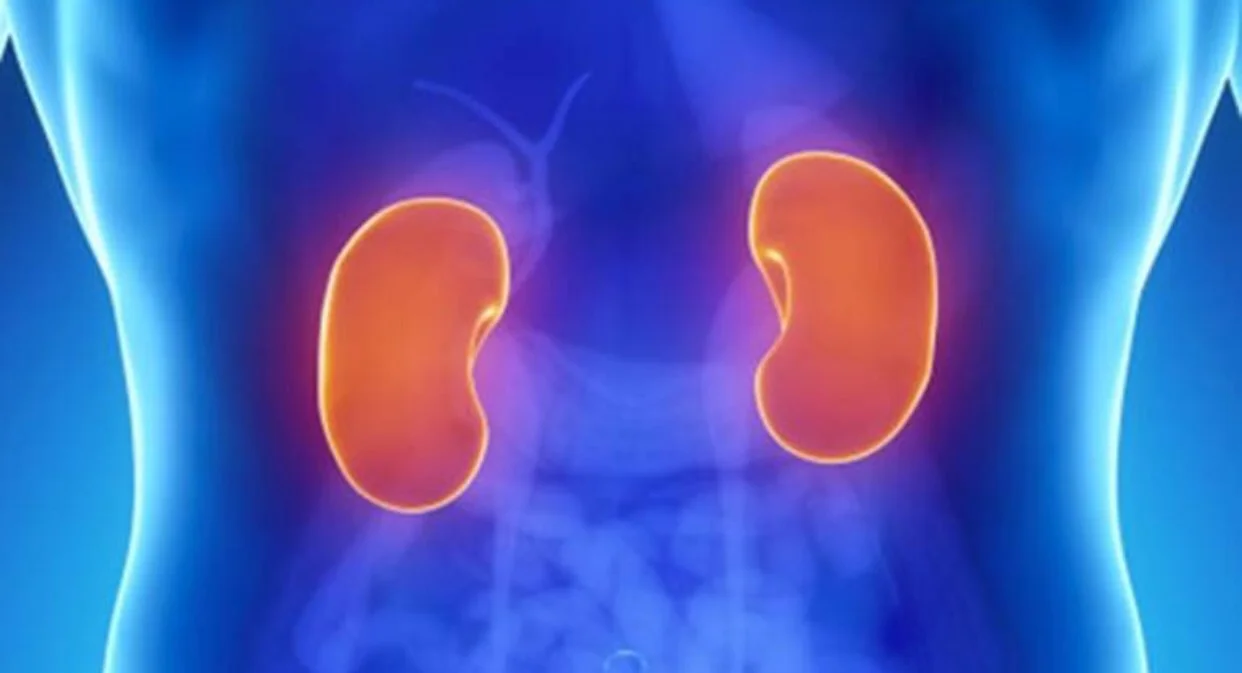
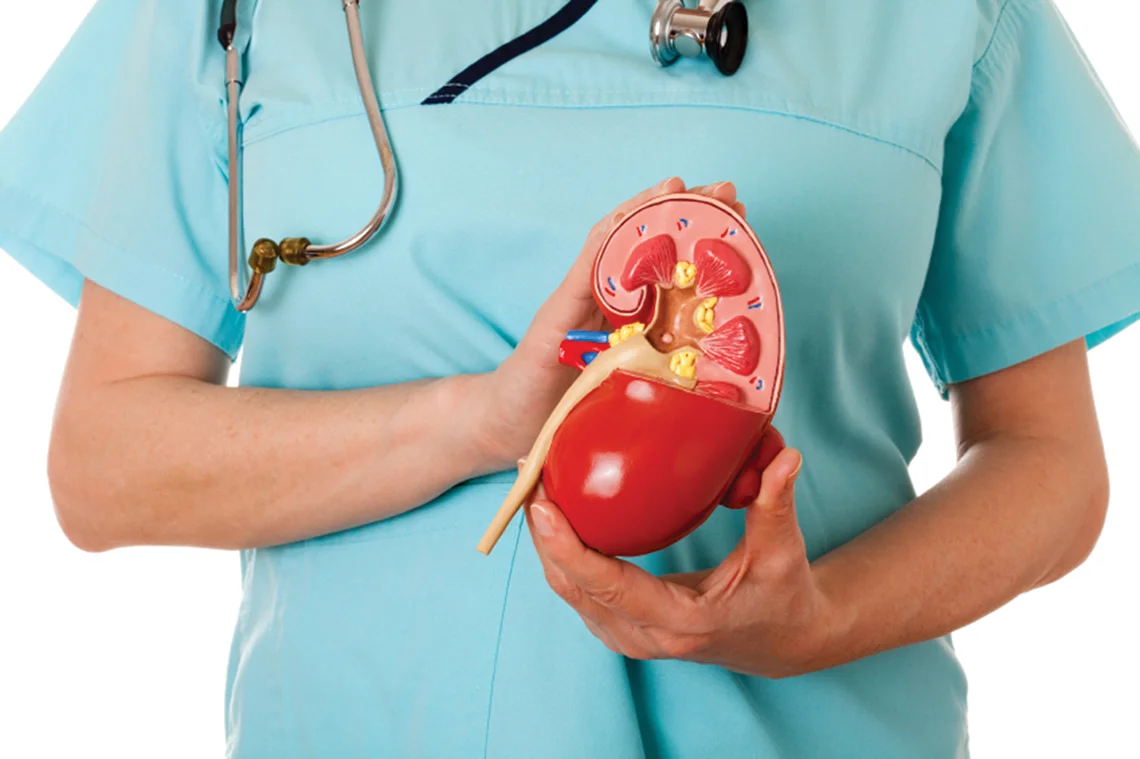
Kidney disease, also known as chronic kidney disease, is a life-long condition in which the kidney gradually loses function. About 26 million American adults have chronic kidney disease, according to the National Kidney Foundation. Millions of others are at an increased risk for developing the disease and are not aware of it.

Read More

What You Need to Know About Atrial Fibrillation

What You Need to Know About Atrial Fibrillation

Almost a half-million new cases of atrial fibrillation or heart palpitations are diagnosed each year in the U.S. Also known as arrhythmia, or auricular fibrillation, this causes heart palpitations ,shortness of breath, fatigue, weakness, dizziness, confusion, fainting, foot and ankle swelling and coughs with foamy mucus. It's currently the most common problem regarding the heart's rhythm. The main cause of heart failure and a major risk factor for stroke is atrial fibrillation. The heart contains four chambers, where the two upper chambers are called atria which is where the blood enters. 

Read More

What is Bladder Outlet Obstruction?

What is Bladder Outlet Obstruction?

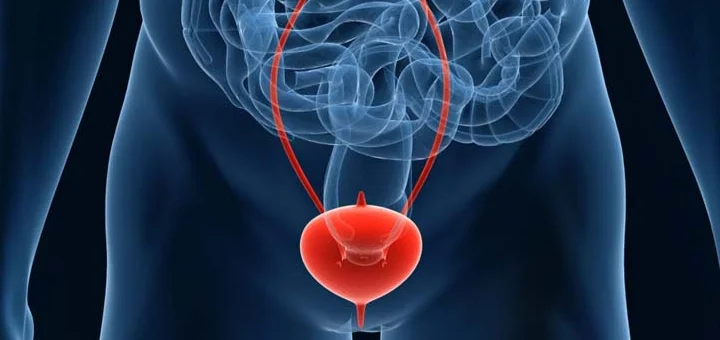
The bladder is a hallow organ that hold urine from the kidneys. Often it's one of the parts of the body not often thought about until it stops working properly. Problems affecting the bladder can cause painful urination and leakage at unwanted times. Sometimes simple lifestyle changes can improve these conditions however there are certain conditions that occur which need treatment immediately. One of them is entitled Bladder Outlet Obstruction which is also referred to as lower urinary tract obstruction or prostatism. Symptoms include abdominal pain, pain while urinating, inability to urinate, straining to urinate, dribbling after urination, waking up throughout the night to urinate. 

Read More

Appendicitis: What You Need to Know

Appendicitis: What You Need to Know

Appendicitis is also known as a perforated or ruptured appendix. It is a serious infection of the appendix which is a small finger-like tube located where small and large intestine join. Symptoms often start with abdominal pain that occurs near the belly button or lower right. Patients also experience nausea, vomiting, loss of appetite, low-grade fever, constipation and abdominal swelling. Almost half of patients with appendicitis feel abdominal pain that moves rapidly to the lower right. If appendicitis is now treated right away, the appendix will likely burst, which then spreads infection throughout the abdomen, which is a dangerous condition called peritonitis. 

Read More

Bone Spurs and Bone Health

Bone Spurs and Bone Health

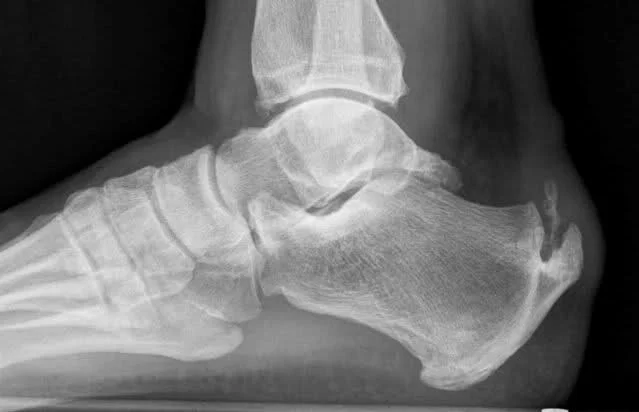
As we age, bone health becomes increasingly important, especially for women, who are most at risk for bone density issues. Bone spurs or osteophytes are extra growths of the bone that can happen on the edge of any bone. Symptoms can include joint pain, tenderness, swelling and loss of motion in that affected joint. Bone spurs occur most commonly around the joints and can occur in the spine as well. They are not painful but can cause pain when they rub against other bones and nerves. Tendonitis or osteoarthritis are often one of the main causes of bone spurs. In some cases, they are a natural part of aging. Some even cause no symptoms and not even need any treatment. Others require pain medications and surgery. 

Read More

Signs of an Eating Disorder

Signs of an Eating Disorder

Eating disorders can affect men and women from any background.  They are defined as any abnormal eating habits that have a negative or detrimental effect on the body and our health.  The two best known eating disorders are anorexia, and bulimia. For many sufferers, symptoms don’t look like symptoms at first, they may just feel like normal dieting patterns or setbacks. 

Read More

What is bipolar disorder?

What is bipolar disorder?

Bipolar disorder is also known as manic depression. It causes drastic behavioral changes such as in mood, thoughts, and energy. Changes are usually extreme, from experiencing highs in a manic state, to lows in a depressed state. 

Read More

Facts about the most common STDs

Facts about the most common STDs

Human Papillomavirus (HPV): HPV is contracted via skin-to-skin contact. You do not have to have sex to get this type of STD. HPV is a type of virus that causes genital warts. The genital warts are usually harmless, however, they can lead to cervical cancer or anal cancer. 

Read More

Is your liver healthy?

Is your liver healthy?

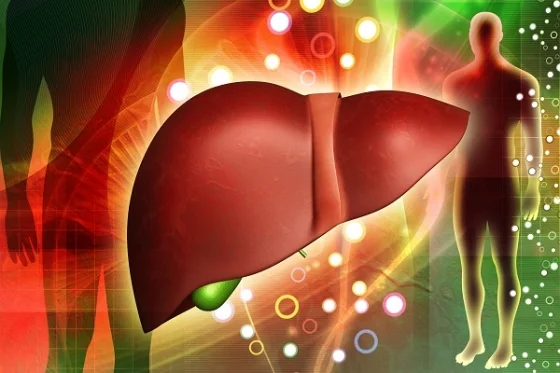
Do you know if your liver is healthy? It is difficult to know just how healthy your liver is simply because it is inside of us. However, there are signs and symptoms you can look out for that are indicators of an unhealthy liver. If you have any of the following signs or symptoms, see your doctor to test your liver function.

Read More

Understanding Polymyalgia Rheumatica

Understanding Polymyalgia Rheumatica

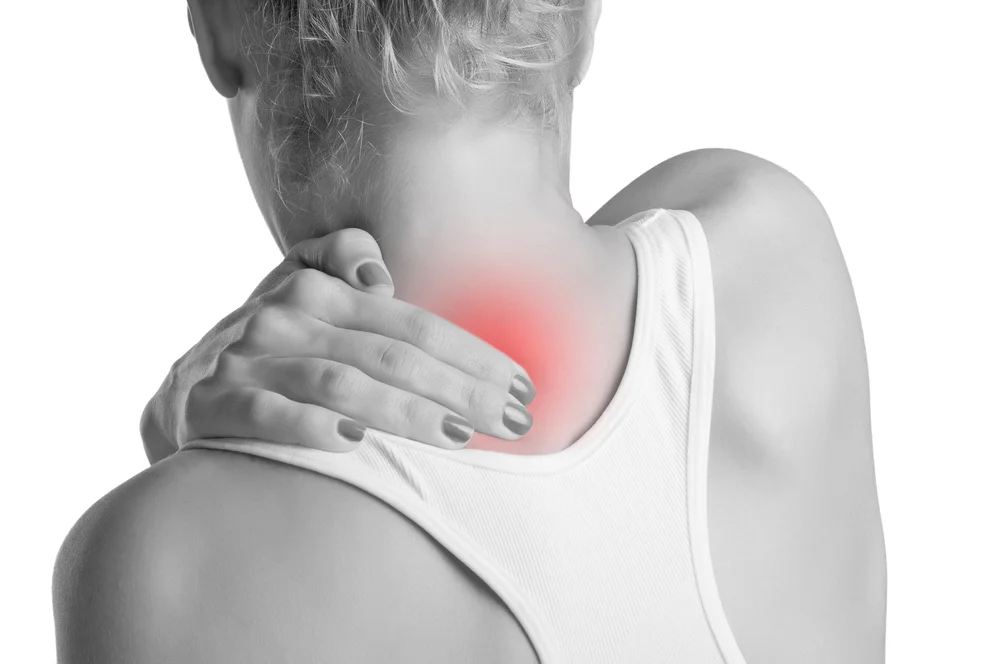
Polymyalgia rheumatica is an inflammatory disorder that causes muscle pain and stiffness. Patients suffer from this pain and stiffness often occurs in the shoulders, beck, upper arms and hips. Symptoms actually come on pretty quickly, with signs in the first 2 weeks. This disease mostly develops in those older than 65 and it rarely affects patients under 50. 

Read More

Thyroid Issues: Are you at risk?

Thyroid Issues: Are you at risk?

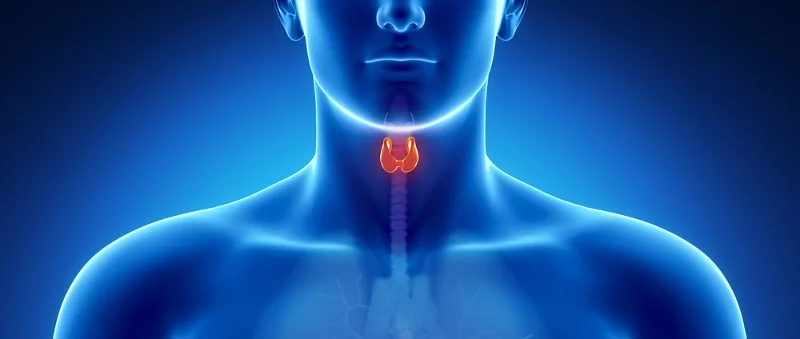
The thyroid, a butterfly-shaped gland in the neck, is one of the major secrets behind your metabolism and many other bodily functions. Thyroid disorders can be very debilitating. Women over the age of 35 are at a high risk. Here's what you need to know. 

Read More

Strokes rising among younger people

Strokes rising among younger people

A study by the Stroke Association in the United Kingdom says that there is a concerning rise in the number of strokes that younger men and women are having. Researchers say the results of the study conclude that stroke should no longer be considered a disease solely among older people.

Read More

Risk factors for Lupus

Risk factors for Lupus

First things, first.  What is lupus? Lupus is quite simply a chronic inflammatory disease.  That is, it is characterized by persistent inflammation in the body.  Chronic inflammation occurs because the immune system is responding to some signal it is being exposed to.  In the case of lupus, this chronic inflammation is happening because lupus is an autoimmune disease. 

Read More