Fibromyalgia: Know Your Treatment Options
/
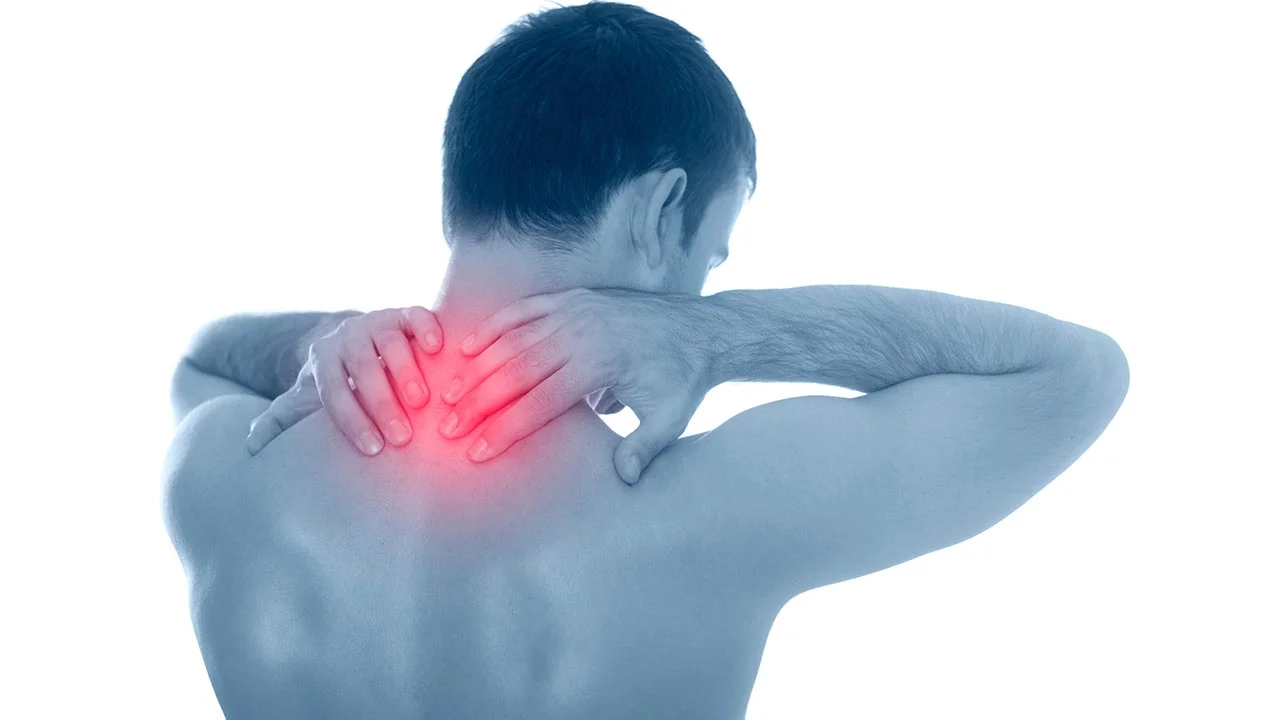
Fibromyalgia is a common syndrome in which a person has long-term body wide pain and tenderness in the joints, muscles, tendons, and other soft tissues.
Read MoreFibromyalgia is a common syndrome in which a person has long-term body wide pain and tenderness in the joints, muscles, tendons, and other soft tissues.
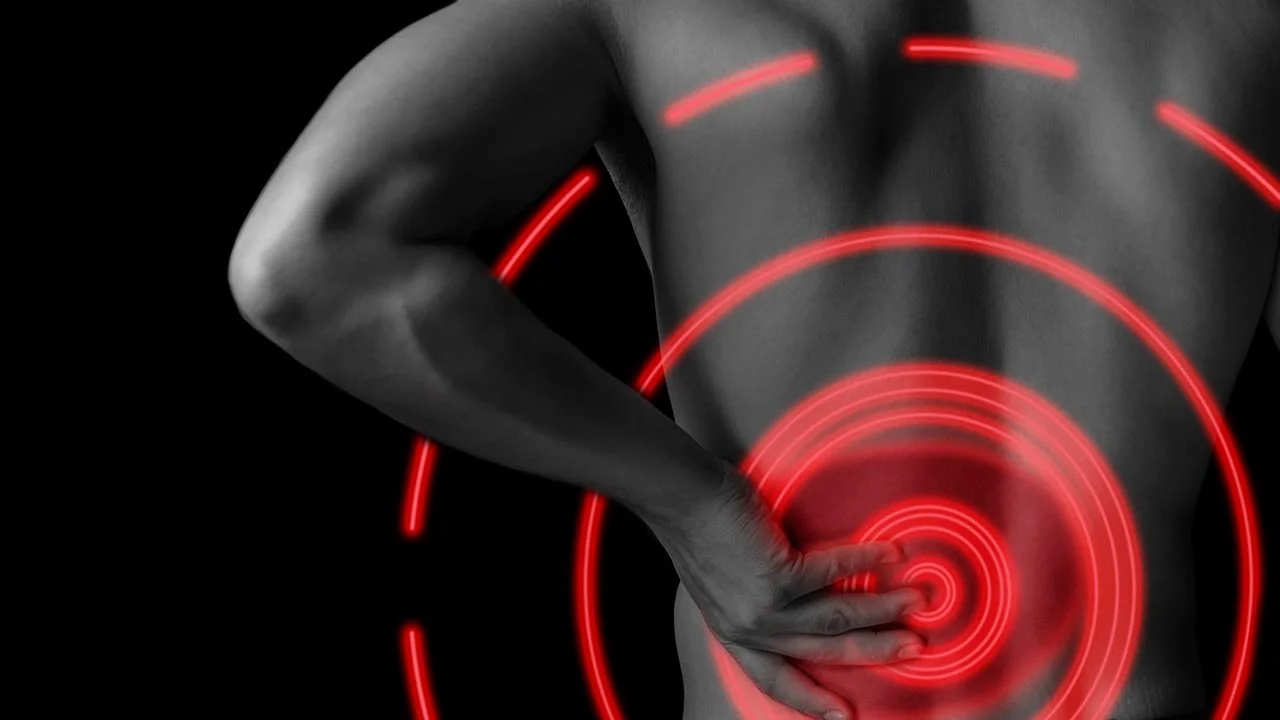
Read MoreMost incidences of back pain are not so dire that they cannot be addressed with home care, yet it remains one of the most common reasons people visit their doctors.
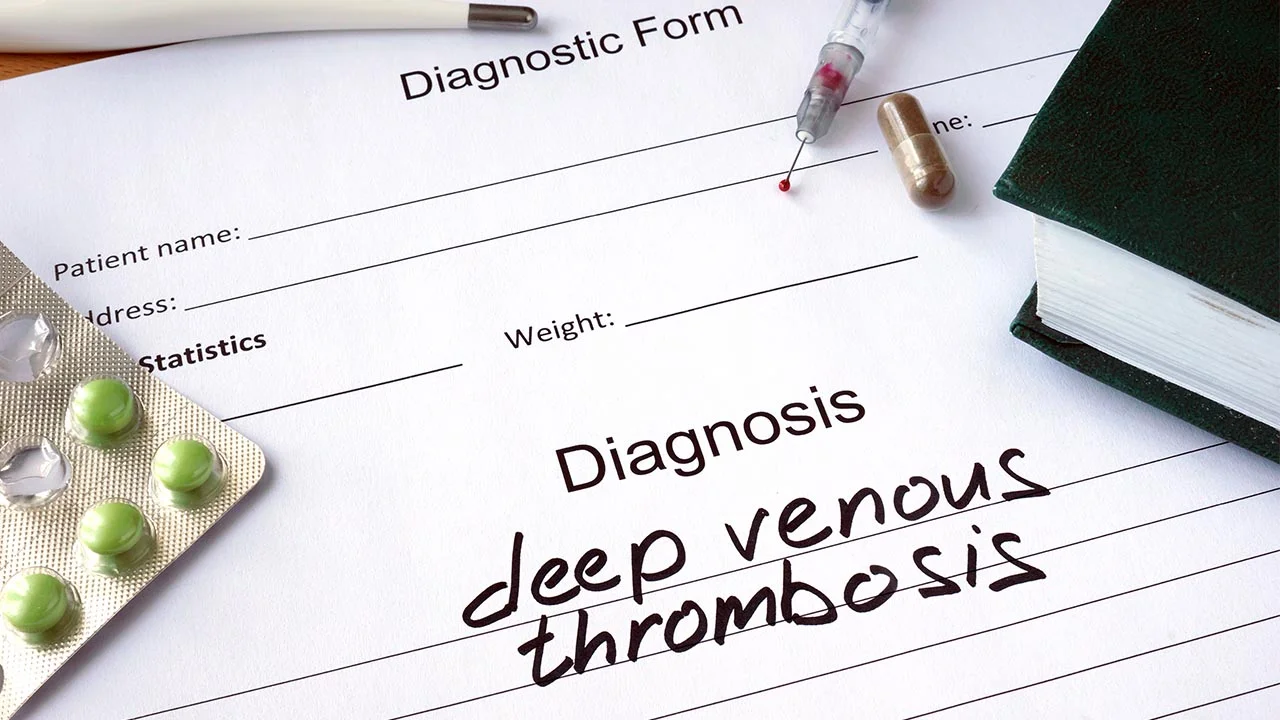
Read MoreA deep vein thrombosis (DVT) will usually form in one of your legs. It is possible the thrombosis will cause your leg to swell, but that is not a guaranteed symptom.
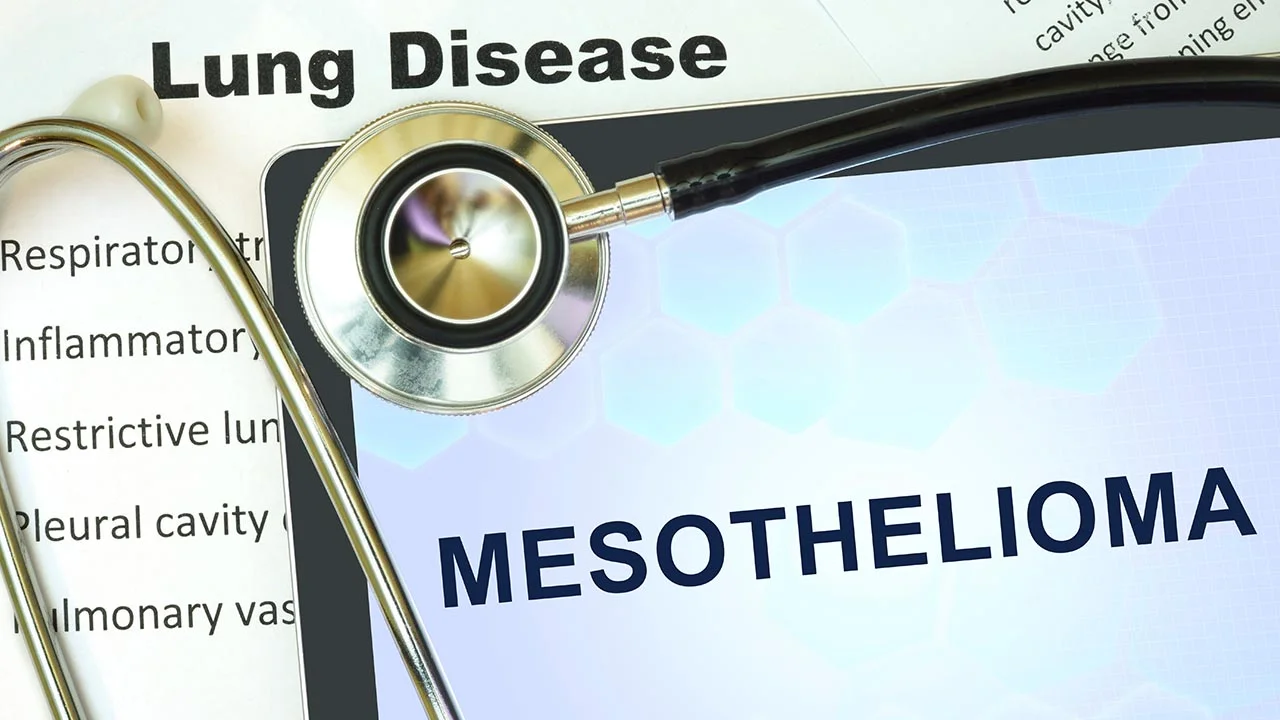
Read MoreThe disease affects the mesothelium, that thin layer of tissue that covers the majority of your internal organs. Doctors will classify the disease according to what part of the mesothelium is affected.
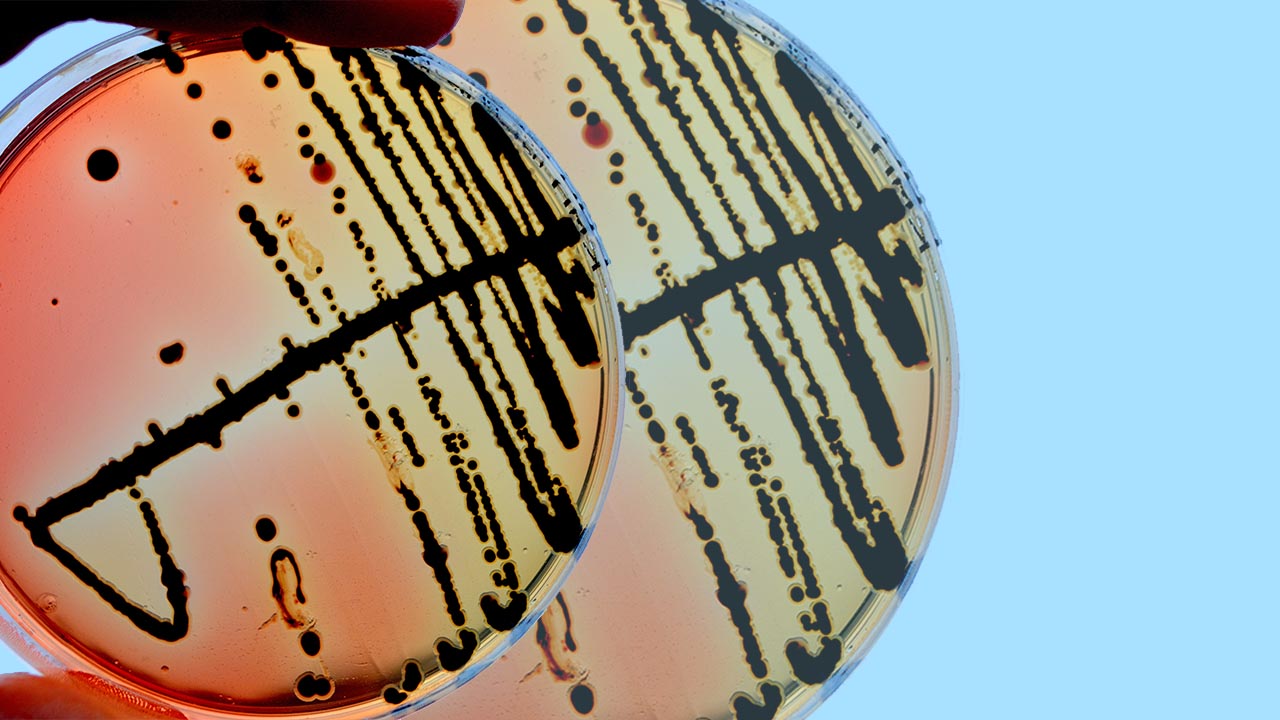
Read MoreSalmonella is a type bacteria which can cause a spectrum of disease: gastroenteritis, fever, bacteremia and focal infections.
Read MoreOver 1 in 100 children are diagnosed with autism spectrum disorders. The number of children diagnosed with autism appears to be rising.
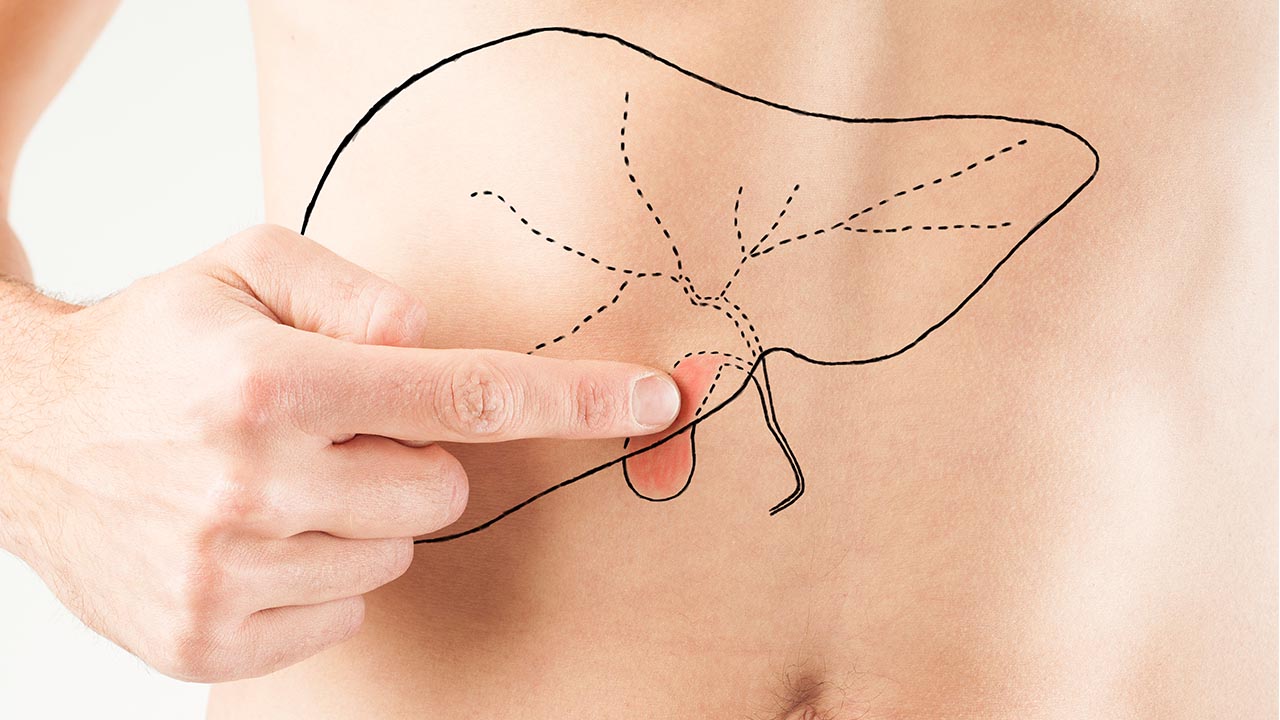
Read MoreGallbladder is a reservoir sac inside the abdomen, adjacent to liver and connected to the small intestine. Gallbladder stores the bile produced by liver cells.
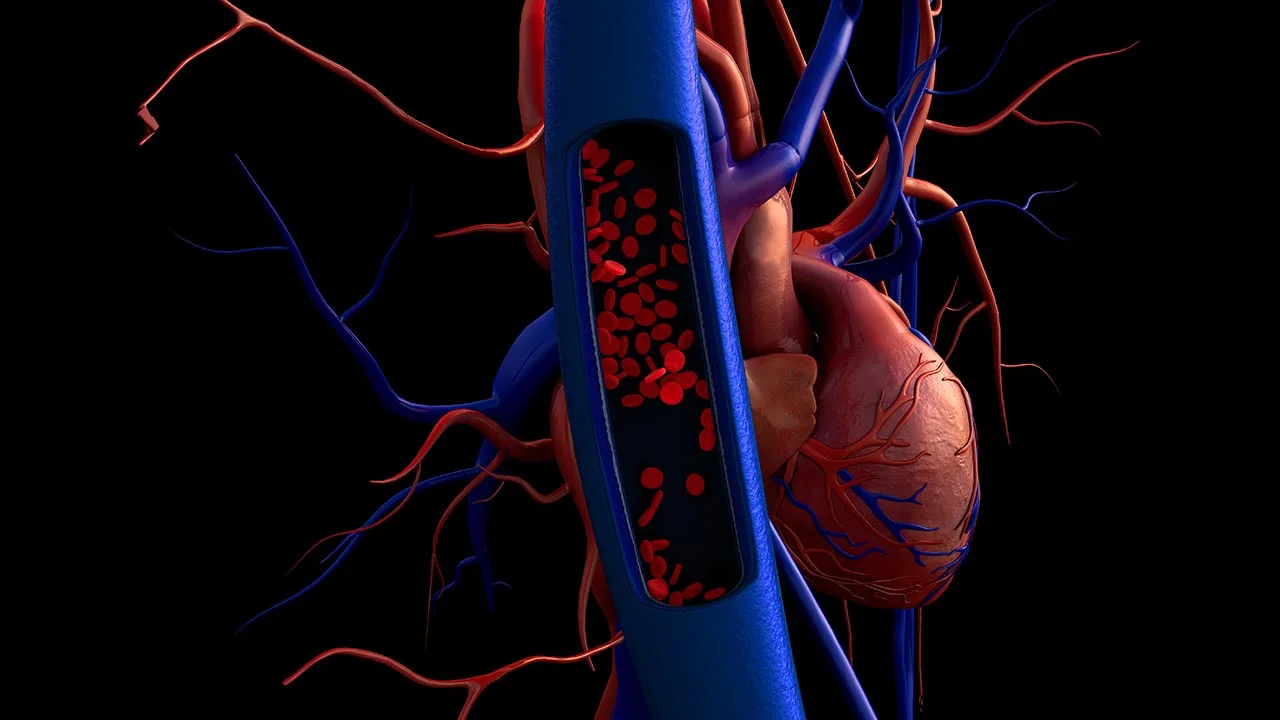
Read MoreAsymptomatic CAD, or coronary artery disease can be thought of as the preliminary stage of coronary artery disease where plaque starts to build up in the heart’s major blood vessels.
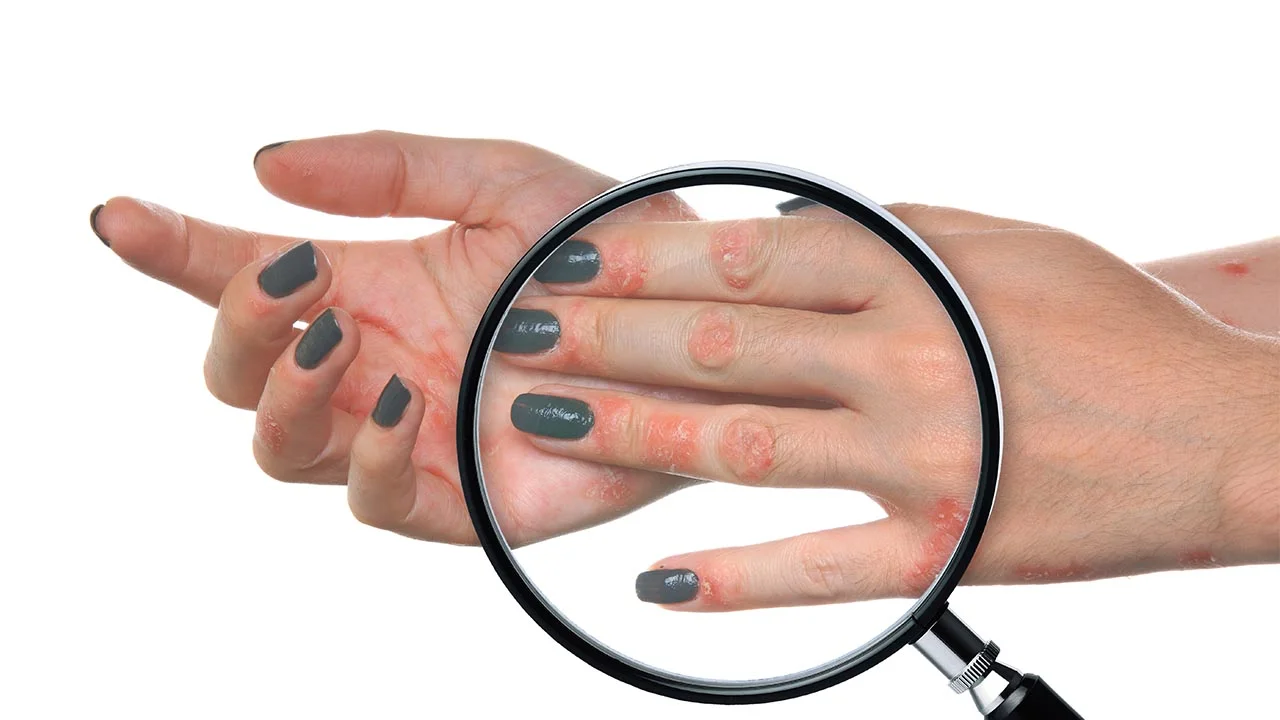
Read MoreDid you know that 7.5 million Americans suffer from psoriasis? Psoriasis is a chronic non-contagious multisystem, inflammatory disorder. It is known for its symptoms that typically include painful, itchy rashes that tend to be red and scaly.
Read MoreTypical symptoms of listeria include, fever and muscle aches, sometimes preceded by diarrhea or other gastrointestinal symptoms. Additional symptoms include headache, stiff neck, confusion, loss of balance, and convulsions.
Read MorePTSD is characterized by re-experiencing the trauma, emotional numbing, avoidance behaviors and persistent hyperarousal. These can all lead to considerable social, occupational and interpersonal dysfunction.
Read MoreFibromyalgia is a tough one. A chronic condition that affects nearly 5 million Americans, and an estimated 2 to 8 percent of the general population.
Read MoreMany people have felt the sensation of heartburn, but what exactly is acid reflux?
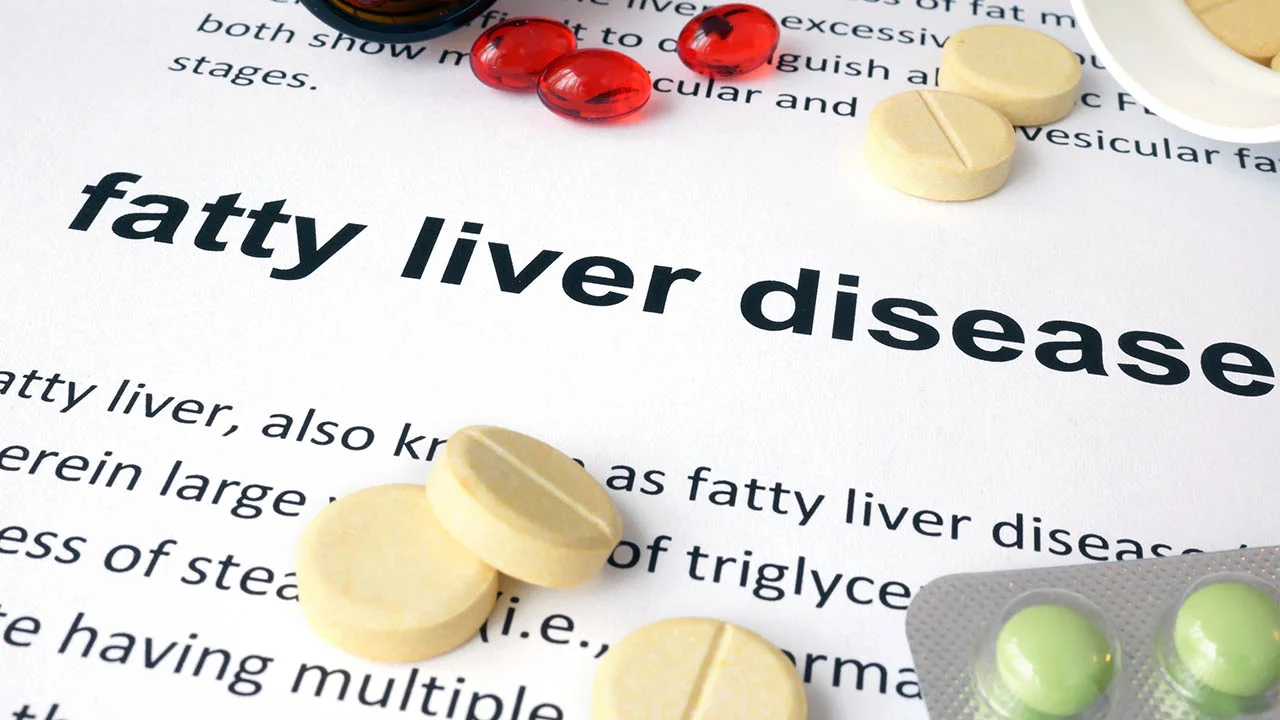
Read MoreThe second largest organ in your body, your liver, is sort of a jack of all trades. It can process what you eat and drink into energy, makes cholesterol, stores various vitamins and minerals, removes bilirubin from the blood along with other harmful substances, makes bile to help digest fat, and regulates the composition of blood. This football shaped tireless organ is located on the right side of the body under the rib cage and weighs about 3 pounds. It needs to be treated with tender loving care to keep it healthy and your body running smoothly
But, sometimes things can go wrong with the liver one of them being liver disease. Liver disease is often associated with severe problems due to cirrhosis brought on by chronic alcoholism or the necessity of requiring a liver transplant. The focus here is on another type of liver disease called nonalcoholic fatty liver disease (NAFLD).
NAFLD is the buildup of extra fat or triglycerides in liver cells not caused by alcohol. The liver normally contains some fat but if more than 5-10% of the liver’s weight is fat, it is then called a fatty liver. It can range from simple steatosis which is excessive fat accumulation to steatohepatitis which is liver cell injury and inflammation. When there is excessive dietary fat for the liver to process, it can get overtaxed by the fat accumulation leading to scarring, inflammation, fibrosis, and cirrhosis – the progressive stages of NAFLD.
Who is at risk for NAFLD?
NAFLD is more likely to develop in those who are overweight to obese, have diabetes, high cholesterol or high triglycerides. Individuals who have rapidly lost weight and have poor eating habits are also candidates to develop NAFLD. NAFLD is the most common chronic liver disease in adults in developed countries. In fact, 34% of adults in the United States have NAFLD. There has been a steady rise in NAFLD over the years and it is believed to be due to the progression of obesity. NAFLD is directly associated with and proportional to the degree of obesity, particularly abdominal fat.
What are the symptoms of NAFLD?
Usually there are no symptoms of NAFLD. But if symptoms do occur, they include weakness, fatigue, weight loss, loss of appetite, nausea, abdominal pain, spider-like blood vessels, jaundice or yellowing of the skin or eyes, itching, fluid buildup, and swelling of the legs (edema) and abdomen (ascites), and mental confusion.
Why is NAFLD risky?
The risks of NAFLD include swelling of the liver (steatohepatitis) which over time can cause cirrhosis which could lead to liver cancer or liver failure.
How is NAFLD treated?
There are no specific medications or treatments for NAFLD at this time. The focus is mainly on improving lifestyle behaviors, particularly diet and exercise. The most effective treatment is sustained weight loss. Here are other methods of treating NAFLD – the earlier it is diagnosed and lifestyle changes begun, it may help prevent liver damage from happening or reverse it in the early stages:
· Weight loss is a critical step in reversing the course of NAFLD. A 5% weight loss is believed to improve steatosis while a 10% weight loss is necessary to improve steatohepatitis.
· Reduce calories coming from saturated and total fat. This means stay away from fatty cuts of meat and read food labels looking at the amount of saturated and trans fats within a serving. Many people with NAFLD have lower intakes of the healthy omega-3 fatty acids and should choose foods rich in this type of fat.
· Reduce intake of foods containing excess sugar, particularly sugar-sweetened beverages that contain the simple sugar fructose and high fructose corn syrup.
· Increase physical activity. Physical inactivity leads to decreases insulin sensitivity and increased abdominal fat along with increasing the risk of metabolic syndrome. The recommendation is five times weekly of aerobic exercise of moderate to vigorous intensity lasting at least 30 minutes along with twice weekly resistance training.
· If weight loss is difficult to achieve or maintain, a person may need to consider bariatric surgery if they qualify. Bariatric surgery is one of the most effective strategies to help people who are obese to lose the weight they need to. Studies have shown that weight lost achieved through bariatric surgery did help reduce NAFLD.
In summary
The first line of therapy for anyone with NAFLD is lifestyle changes through diet and exercise. Weight loss, increasing physical activity, reducing sugar intake and consuming a healthier total fat composition all should be used to treat NAFLD on a long-term basis. To prevent it, individuals need to maintain a healthy weight, eat a healthy diet, exercise regularly, and limit alcohol. Sounds simple but they all need to be practiced on a consistent, regular basis in order to prevent and/or treat a condition too many people have and may not even know it.
Your appendix is a finger-shaped pouch that projects out from your colon on the lower right side of your abdomen.
Read MorePreventative measures you can take to help decrease your risk or even the severity of illness.
Read MoreAbout 6 to 9 million people worldwide are currently blind and many more have suffered partial loss of vision from the disease.
Read MoreThere are approximately 400,000 hip replacement surgeries in the United States. A hip replacement may be done for various reasons. There are certain conditions that can damage the hip joint and result in needing to have hip replacement surgery. The hip is a major weight bearing join and the whole body structure relies on the pelvic area. The two most common conditions that lead to this necessary surgery are rheumatoid arthritis, and osteoarthritis. Rheumatoid arthritis is an autoimmune disorder which produces a type of inflammation that can erode bone and cartilage and deform joints. This disorder is characterized by an irregular assault of the immune system on the lining of the joint, the synovium. As a result, the joint becomes inflamed and fluid builds up resulting in pain.
Osteoarthritis on the other hand is commonly known as wear-and-tear arthritis. And it is this type of arthritis that we have more control over. Osteoarthritis damages the cartilage that covers the ends of bones and helps joints move smoothly. Cartilage acts as a cushion between the bones, protecting our joints from the stresses of daily activities. This degenerative joint disease is characterized by changes in the cartilage that normally sits between bones at the joint. As the cartilage wears away the space between the bone narrows, until the underlying bone is exposed. Pain eventually results from wear on the naked bone, as well as increased stress and fatigue of the muscles that support the joint.
There is no single cause of osteoarthritis, but rather, the condition is due to the accumulation of various stresses. For instances, those who are obese are at an increased risk. Not only does the extra weight translate into an increased load on your joints, but recent research suggests that body fat produces chemicals which appear to further harm the joint. Moreover, many individuals with chronic joint pain can cite an inciting injury or a history of overuse. Some jobs, like athletics, manual labor, machine operators and typists, carry an inherited increased risk of developing joint problems.
Regardless of the why that leads you to hip replacement surgery, going under the knife even to reduce great pain and increase quality of life, can be a difficult decision to make.
The risks associated with hip replacement surgery may include:
· Fracture: During surgery, healthy portions of your hip joint may fracture.
· Blood clots: Clots can form in your leg veins after surgery.
· Infection: Infections can occur at the site of your incision and in the deeper tissue near your new hip.
· Change in leg length: Sometimes this is caused by weakness in the muscles surrounding the hip. In this case, progressively strengthening and stretching those muscles may help.
· Dislocation: Certain positions can cause the ball of your new joint to become dislocated.
· Loosening: Although rare with newer implants, your new joint may not become solidly fixed to your bone or may loosen over time, causing pain in your hip.
Thankfully, there are many ways we can prevent damage and ease the pain of existing injury. Good hip health starts with exercise and maintaining a healthy weight. Although pain medication can be helpful, non-pharmacologic interventions should be recommended as the first line treatment. Chronic use of over the counter pain medications can have consequences for your liver, kidneys and stomach, while not getting to the route of the problem. Weight-loss, on the other hand, can greatly reduce the development of hip damaging arthritis, as well as lessen pain. This is effect is further amplified when combined with exercise. Particularly, exercises like yoga, which incorporates physical stretching with deep breathing helps focus on the tendons and ligaments, are key to preserving joint health.
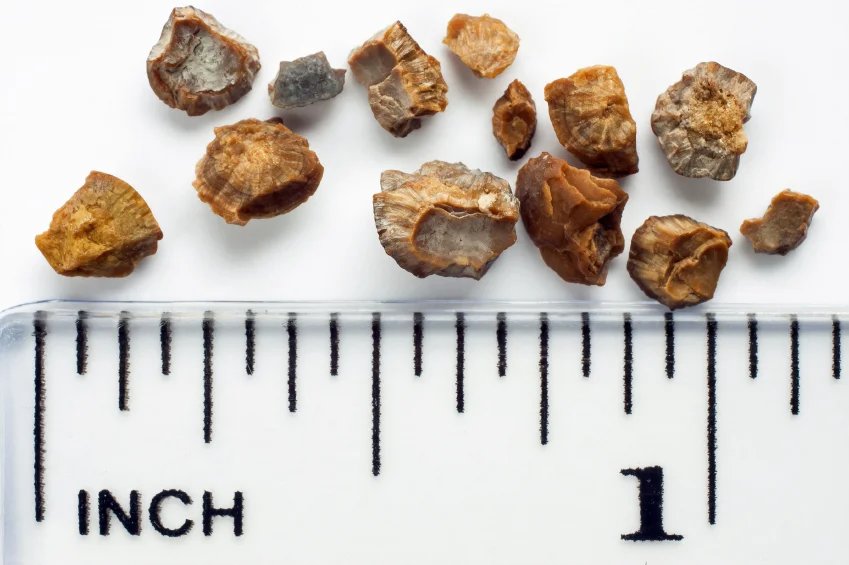
Kidney stones are small, hard deposits, typically composed of mineral and acid salts that form inside your kidneys.
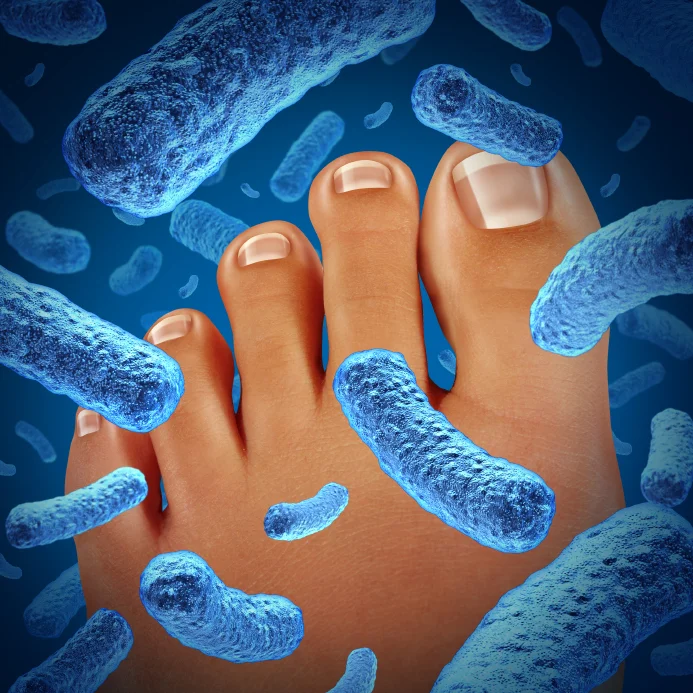
Read MoreNew problems in winter: foot fungus—such as athlete's foot-- and foot odor.
Read More