How Athlete’s Foot is Contracted

How Athlete’s Foot is Contracted

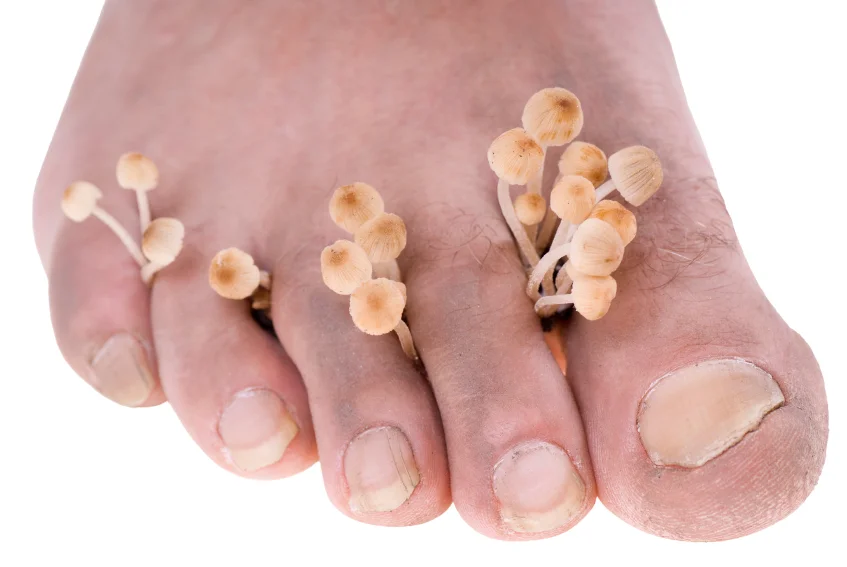
The name athlete’s foot sheds light on the origins of this skin condition, but don't let the name trick you. Anyone can get this itchy, bothersome condition, not just athletes.  In fact, about 70% of people will get athlete's foot at some point in their life. This makes the fungal infection, typically one that begins between the toes, very common.  To put this percentage into perspective, the United States sees more than 3 million cases per year.  

Read More


Symptoms of Bell's Palsy

Symptoms of Bell's Palsy

Bell’s palsy is a condition that causes muscle weakness or paralysis in the facial muscles. When a person has Bell’s palsy, it looks like their face is drooping on one side. It is possible for Bell’s palsy to affect both sides of the face, however this is rarely seen. Bell’s palsy is also known as facial palsy. It is unclear what causes Bell’s palsy, however some believe that it is caused by inflammation and swelling that occurs in the nerve that controls the muscles on the side of the face that it affects.

Read More

Do You Have Sleep Apnea?

Do You Have Sleep Apnea?

Snoring can be an annoying habit, especially for your partner or roommate, but might not be as harmless as some background noise.  For those living with sleep apnea, snoring can be a serious symptom.  Sleep apnea is when people stop and restart breathing multiple times while sleeping. Sleep apnea is a sleep disorder that is often linked to obesity, especially in the U.S.  According to the National Sleep Foundation, there are over 18 million Americans who suffer from sleep apnea.

Read More

What is Attention Deficit Hyperactivity Disorder?

What is Attention Deficit Hyperactivity Disorder?

Attention Deficit Hyperactivity Disorder (also known as ADHD) is behavioral disorder that often occurs in children. It is one of the most common childhood behavioral disorders. However, attention deficit hyperactivity disorder can also occur in teenagers and adults. With attention deficit hyperactivity disorder, it is very hard for a person to concentrate, control their impulses, and act in a calm manner. Even though it is most common among children, attention deficit hyperactivity disorder is often not diagnosed until adolescence or adulthood. 

Read More

Foodborne illness outbreaks: How to stay safe

Foodborne illness outbreaks: How to stay safe

Food-borne illness, also referred to as food poisoning, results from eating food contaminated by infectious organisms and/or their toxins.  These infectious organisms can contaminate food throughout the production process: growing, harvesting, processing, storing, transporting or cooking.  Contamination does not necessarily only happen at one point in the process, but could have occurred at multiple points.  Their rough, porous skin is an ideal breeding ground for bacteria. 

Read More

What is obsessive-compulsive disorder?

What is obsessive-compulsive disorder?

Obsessive-compulsive disorder is also known as OCD. It involves having irrational thoughts, fears and obsessions that cause a person to have compulsions, or repetitive behaviors. Some people who have obsessive-compulsive disorder may only have one or the other (obsessions or compulsions). About 1 in 50 people in the United States has OCD.

Read More

Understanding Shingles

Understanding Shingles

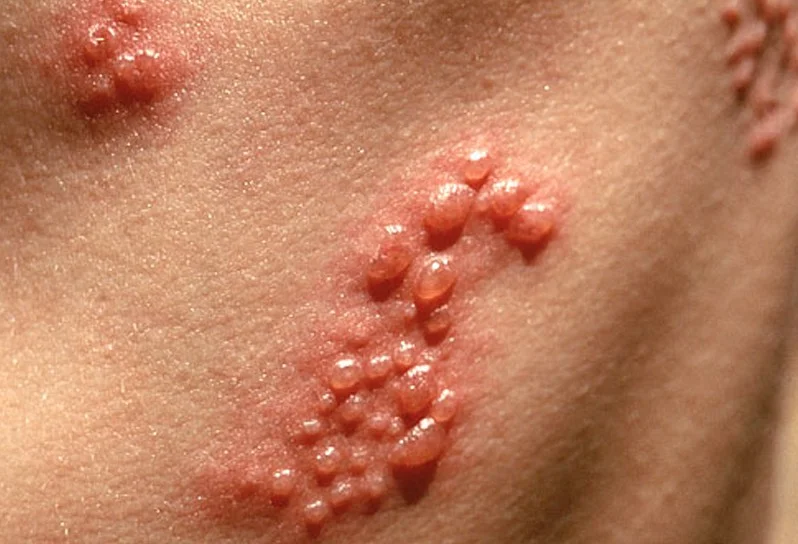
Herpes zoster, commonly known as shingles, is a reactivation of the varicella zoster virus.  This viral infection may sound foreign, but it is actually the virus that causes chickenpox, the bane of everyone’s childhood.  Shingles in essence is a reoccurrence of this original chickenpox, but at a later time. But why or how does this happen?  Following the resolution of chickenpox, the varicella zoster virus lies dormant in the spinal dorsal root ganglia, or the spinal cord nerves until something triggers a reactivation is triggered.  This is important as 95% of adults have antibodies to varicella zoster virus and all those individuals are vulnerable to reactivation of infection.

Read More

10 Surprising Risk Factors for Kidney Stones

10 Surprising Risk Factors for Kidney Stones

The risk of kidney stones is higher in the United States than it is in the rest of the world. Although these stones do not normally cause any permanent damage, passing them can be quite painful.  Depending on the size of the stone, surgical intervention may be necessary. Kidney stones are a relatively common occurrence, especially in the United States.  They affect approximately one in ten people throughout their lifetime, and the incidence of kidney stones has actually increased over the past few decades. 

Read More

Eating disorders – Would you recognize one if you saw it?

Eating disorders – Would you recognize one if you saw it?

Recognizing an eating disorder may not be as easy as you think.  Individuals with an eating disorder can become very good at hiding their condition and individuals close to them may not be attuned to know what to look for or realize what’s going on. An eating disorder is any range of psychological disorders characterized by abnormal or disturbed eating habits such as anorexia nervosa, bulimia nervosa and binge eating disorder.  They involve having an obsession with food and weight that harms a person’s physical and emotional well-being.  

Read More

Autism On The Decline, Diagnoses On The Rise

Autism On The Decline, Diagnoses On The Rise

Autism is a disease that affect millions around the world and about 1 in 68 children.  The rate of Autism has steadily grown over the last 20 years. According to a new study in the American Journal of Medical Genetics, it is not Autism that's on the rise, it's actually Autism diagnoses. How we understand Autism Spectrum Disorder has evolved over the past 15 years. More children are being diagnosed with autism than ever before due to recent changes to the Diagnostic and Statistical Manual (DSM-V).

Read More

What You Need to Know About Scabies

What You Need to Know About Scabies

When we hear the word scabies, we think of a medieval disease that couldn’t possibly find its way into a modern home or life.  The reality is, scabies is still present in modern day, and presents itself as an itchy, red skin condition stemming from superficial burrows in the skin.  This infection of the skin is caused by a tiny burrowing mite called Sarcoptes scabiei. When exposed to the mite, a person experiences intense itching on the area of the skin that the mite decides to burrow in.  This mite, or the scabies that it causes, is very contagious and can easily be spread to anyone within close physical contact.

Read More

How We Get Shin Splints

How We Get Shin Splints

Shin splints are also known as medial tibial stress syndrome. They are characterized by pain that occurs along or behind the shinbone. Shin splints are most often a result of overused and swollen muscles. The most common symptoms are pain or tenderness on the front of the lower legs, which is also known as the tibia. It is common for people who are involved in vigorous sports that put pressure on the shins like running, soccer, tennis, or dancing to develop shin splints. Shin splints are the cause of about 13 percent of all injuries in runners.

Read More

What is seasonal depression?

What is seasonal depression?

Seasonal depression is also known as seasonal affective disorder, or SAD. It is a form of depression that is associated with the change in seasons and occurs at the same time every year. Most people who suffer from seasonal affective disorder being to experience symptoms in the fall and continue experiencing them throughout the winter. However, there are some people who get seasonal affective disorder in the spring or summer. About six percent of the population in the United States is affected by seasonal affective disorder. In addition, another 14 percent of adults in the United States suffer from a form of seasonal affective disorder that is milder.

Read More

What is sickle cell disease?

What is sickle cell disease?

Sickle cell disease is also known as sickle cell anemia. It is an inherited type of anemia. Sickle cell disease occurs when there are not enough healthy red blood cells to transport oxygen throughout the body. About 90,000 to 100,000 people in the United States have sickle cell disease.

Read More

What is tuberculosis?

What is tuberculosis?

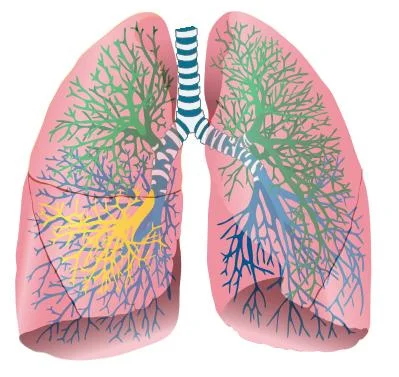
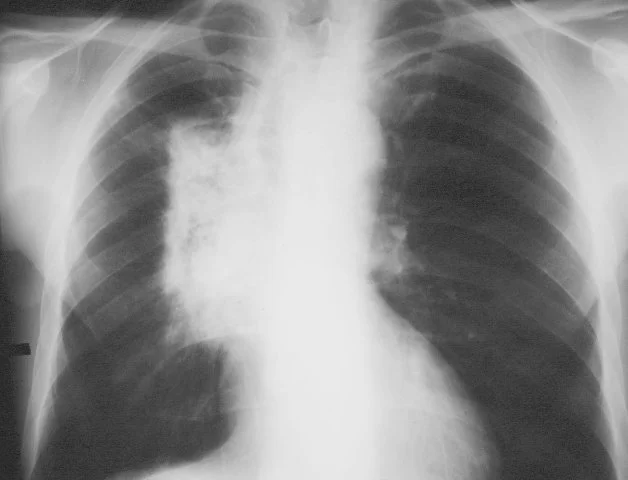
Tuberculosis (also known as TB) is a serious and chronic condition that affects the lungs. It can also affect other areas such as the spine, brain, kidneys, and intestines. It is caused by a bacteria called Mycobacterium tuberculosis. About 11,500 people in the United States get TB every year. How does TB spread? TB spreads when an infected person coughs, sneezes, speaks and infected droplets are released into the air which other people are exposed to. Once a person has been infected, they will usually experience chest pain, chills, fever, coughing which may have blood in it, and fatigue.

Read More

What is spinal meningitis?

What is spinal meningitis?

Spinal meningitis, or meningitis, is a condition in which the membranes that surround the brain and spinal cord become inflamed. It is also known as bacterial meningitis, viral meningitis, or meningococcal meningitis. The most common cause of meningitis is a viral infection, however, it may also be caused by fungal and bacterial infections. Meningitis is a serious medical condition that can be life-threatening. Less than 1 in 100,000 people in the United States are infected with bacterial meningitis every year.

Read More

Symptoms of Ringworm

Symptoms of Ringworm

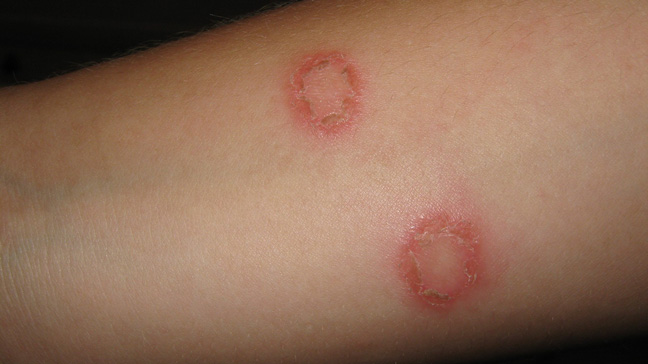
The skin infection ringworm is not actually caused by a worm, but by a mold-like fungi called a dermophyte.  The fungal infection caused by ringworm develops in the top layer of skin and created a red circular rash.  This rash assumes the shape or resemblance to the outline of a worm, hence where it gets its name.   The rash typically starts as a small red bump or scaly patch of skin. This rash may, or may not, itch – but if you ask those who have experienced it, they will tell you it tends to be itchy and uncomfortable. 

Read More

What It Means To Have A Prolapsed Bladder

What It Means To Have A Prolapsed Bladder

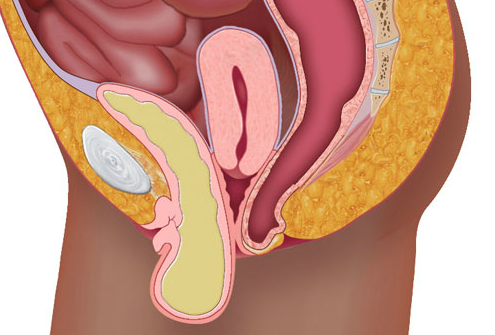
Under normal conditions, a woman’s bladder is held in place by a net of pelvic floor muscles and connective tissues.  When these muscles and tissues stretch and weaken, it allows the bladder to “drop” or prolapse through this net or wall.  A prolapsed bladder is one in which the bladder decends into the vagina following the deterioration of the vaginal wall. A proposed bladder is also known an as a cystocele or a fallen bladder. The bladder itself is the hollow organ in the pelvis that serves as a storage unit for our urine.  This urine is filtered from the body through the kidneys and makes its way down to the bladder. 

Read More

Understanding the Difference Between Pneumonitis vs. Pneumonia

Understanding the Difference Between Pneumonitis vs. Pneumonia

Pneumonitis, is often confused with pneumonia, but these are similar ailments but not the same.  While pneumonia is a type of infection which causes lung inflammation, pneumonitis is a general term to describe inflammation in pulmonary, or lung, tissue. So technically pneumonia would fall into the category of being a type of pneumonitis, but generally most physicians look to other causes of lung inflammation when referring to a patient having "pneumonitis."  These other causes vary dramatically, from airborne irritants, to different types of cancer treatments, and even some antibiotics or aspirin.  Airborne irritants are probably the most common cause of pneumonitis and can stem from being exposed to a type of chemical, dust, or bacteria.

Read More

What is plantar fasciitis?

What is plantar fasciitis?

Plantar fasciitis is a condition that causes heel pain. It is actually one of the most common causes of heel pain. It is characterized by inflammation and pain that occurs in the plantar fascia, which is a thick band of tissue that is located along the bottom of the foot. The plantar fascia connects the toes to the bone of the heel. Plantar fasciitis affects about two million people in the United States every year. 

Read More