Living with Coronary Artery Disease?

Living with Coronary Artery Disease?

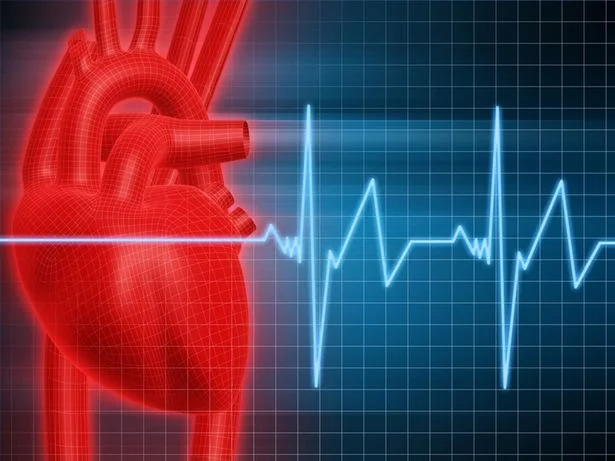
Coronary artery disease (CAD) occurs when the coronary arteries of the heart become damaged or diseased. The coronary arteries are the main blood vessels of the heart that provide it with oxygen, blood and essential nutrients. When cholesterol, calcium, or other substances from the blood build up over a period of time, plaque can develop on the walls of the coronary arteries. This causes the arteries to stiffen and become narrow, which limits the blood flow to the heart. 

Read More
Learn About Cystitis

Learn About Cystitis

Cystitis is inflammation of the bladder. The inflammation of the bladder is caused by a urinary tract infection or UTI, which is a bacterial infection. Cystitis more commonly affects women, however men can get it too. In either case, cystitis can affect a person’s quality of life and therefore requires treatment. Men who suffer from an enlarged prostate or benign prostatic hyperplasia (BPH), kidney stones, or a urethral stricture have an increased risk for cystitis. 

Read More

Brain Aneurysm: 3 million cases per year

Brain Aneurysm: 3 million cases per year

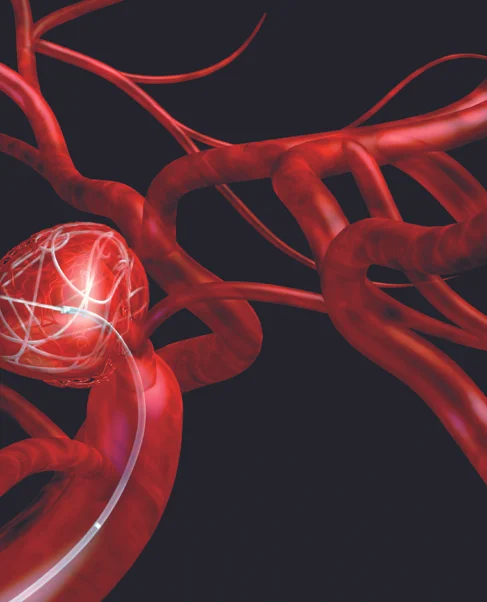
Brain aneurysms, also known as an intracranial aneurysms, develop from the thinning of artery walls. Arteries are blood vessels that carry oxygenated blood away from the heart and off to the rest of the body.  When these weaknesses appear in the blood vessels that supply blood the brain, they can balloon, fill with blood, and in rare cases rupture and cause a stroke.  Brain aneurysms are considered common in the United States, as this country sees 200,000 to 3 million cases per year.

Read More

What is congestive heart failure?

What is congestive heart failure?

Congestive heart failure (CHF) is also known as heart failure and is a chronic condition that occurs as a result of the heart muscle not pumping blood as effectively as it should. It affects the chambers of the heart which we as humans have four of: two atria and two ventricles. The ventricles send blood to the rest of your body while the atria receive blood from the rest of the body. With congestive heart failure, the ventricles are unable to pump blood in ample volume. As a result, blood and other fluids get backed up inside the lungs, abdomen, liver, and lower body which can be life-threatening. About five million people in the U.S. have congestive heart failure.

Read More

How Cold Sores are Treated

How Cold Sores are Treated

Also called, fever blisters or oral herpes, cold sores are quite common, affecting 600,000 new people  each year in the U.S. Cold sores cause red, painful blisters on the mouth, lips and each sore is filled with fluid. They also are known to cause fever and swollen glands with the first outbreak, especially. 

Read More

Understanding Chronic Kidney Disease

Understanding Chronic Kidney Disease

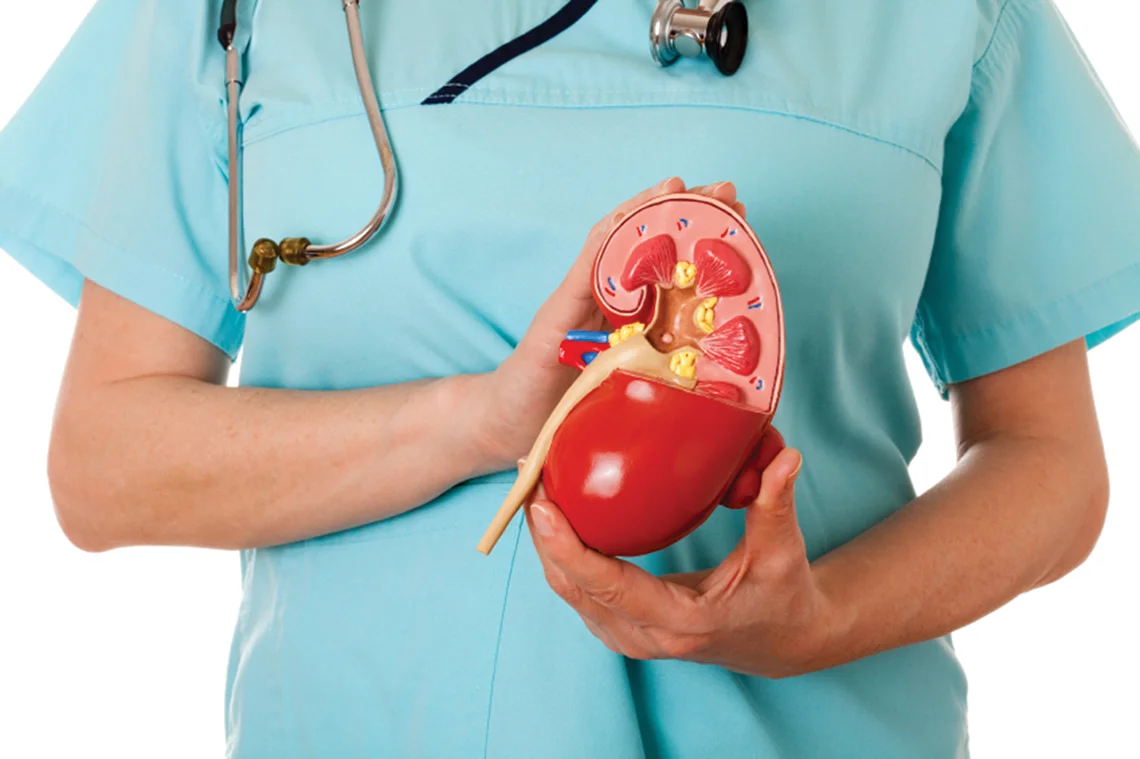
Kidney disease, also known as chronic kidney disease, is a life-long condition in which the kidney gradually loses function. About 26 million American adults have chronic kidney disease, according to the National Kidney Foundation. Millions of others are at an increased risk for developing the disease and are not aware of it.

Read More

Itchy skin? Learn About Eczema

Itchy skin? Learn About Eczema

Eczema is also known as atopic dermatitis, a chronic inflammatory and itchy skin condition often occurring mostly in children. Symptoms include dry skin, redness, itching, swelling and oozing. It can also be used to widely describe any rash-like skin condition and is often used interchangeably with dermatitis, a general term meaning inflammation of the skin. This can have many causes and comes in various forms. 

Read More

Learn about Berger’s Kidney Disease

Learn about Berger’s Kidney Disease

erger’s disease is also known as IgA nephropathy, or called idiopathic hematuria within the medical community.  It’s unlikely you’ve ever even heard of it, but one of the most common signs of it is blood in the urine.  This kidney disease occurs when the antibody immunoglobulin A abnormally deposits into the kidney, and subsequently damages the tiny filtering units within the kidney. The protein immunoglobulin A is abbreviated as IgA, as you will see here. By damaging these filtering units within the kidney, IgA hinders the kidney from doing one of its most important jobs – filtering waste, toxins, and excess water/electrolytes from the blood. 

Read More

Feeling anxious? You May Have Acute Stress Reaction

Feeling anxious? You May Have Acute Stress Reaction

Acute Stress Reaction is a very real condition that brings on shortness of breath, anxiety, nervousness, sense of impending doom, feeling unable to cope, rapid heartbeat, increased blood pressure, anger and insomnia. Also called, acute stress disorder, this physical and psychological reaction to a stressful situation actually affects millions of Americans. These reactions can be normal after an unusually severe and stressful event such as the death of a loved one, a natural disaster, or physical violence.

Read More

The Science Behind Panic Attacks

The Science Behind Panic Attacks

Almost 1% of people in the U.S. have agoraphobia, a condition or panic disorder that causes panic attacks due to fear of open places or any situation where escape would be difficult. Symptoms of agoraphobia include fear of being in a place or situation where a panic attack might occur, where you feel you can't escape, or can't get help.

Read More

Alopecia: A Balding Disorder

Alopecia: A Balding Disorder

One of the harder moments in adulthood comes at the realization that you’re getting older.  It doesn’t fully sink in, however, until that exact moment when you look in the bathroom mirror and start to see your hair thinning.  You are losing a little bit of yourself with every strand. Every memory of combing your hair before picture day in school, shaving your head for summer swim meets, growing it long in winter to keep your head warm, are all fading.  One truth is all that matters now, and that is that you will never have what you once did.  You will forever be looking in the mirror to see how much is gone.

Read More

Signs and Symptoms of Anemia

Signs and Symptoms of Anemia

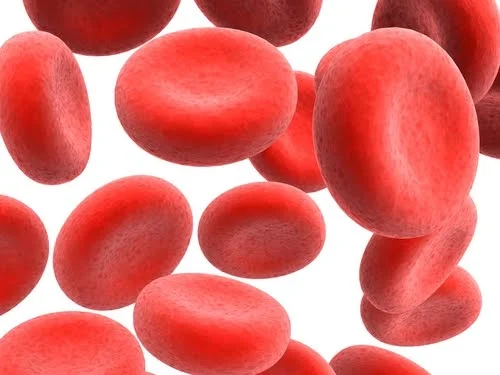
Our blood has three main components: red blood cells, white blood cells, and platelets. Red blood cells deliver oxygen to our body’s tissues. White blood cells help our immune system by fighting off bacteria and preventing infections and disease. And platelets are essential to help blood clot. Our blood is also made up of plasma, the liquid portion of our blood, in which red blood cells, white blood cells, and platelets are suspended.

Read More

What You Need to Know About Atrial Fibrillation

What You Need to Know About Atrial Fibrillation

Almost a half-million new cases of atrial fibrillation or heart palpitations are diagnosed each year in the U.S. Also known as arrhythmia, or auricular fibrillation, this causes heart palpitations ,shortness of breath, fatigue, weakness, dizziness, confusion, fainting, foot and ankle swelling and coughs with foamy mucus. It's currently the most common problem regarding the heart's rhythm. The main cause of heart failure and a major risk factor for stroke is atrial fibrillation. The heart contains four chambers, where the two upper chambers are called atria which is where the blood enters. 

Read More

Living With Bell's Palsy

Living With Bell's Palsy

Bell's Palsy is a harmless condition that causes muscle weakness or paralysis in some facial muscles. It can sometimes be alarming, especially when brought on suddenly, where parents experience one side of their face drooping.  Bell's Palsy is also called facial nerve paralysis or seventh nerve paralysis. This is where smiling may appear as a sneer. Symptoms tend to include weakness and paralysis on one side of the face, dropping eyelid and mouth, drooling, difficulty speaking, eating and drinking, dry mouth, eye dryness or tearing, difficulty tasting, pain in the jaw, headache, ringing in the ears and an increased sensitivity to sound. 

Read More

Why do we get canker sores?

Why do we get canker sores?

Canker sores, not to be mistaken with cold sores, are small sores that appear on the inside of the mouth or at the bottom of the gums. These sores are actually pretty common, affecting about 3 million people in the United States per year.  Although often mistaken for cold sores because of their similar appearance, canker sores are very different in that the sores, or blisters do not occur on the lips and are not contagious like in cold sores.  It is important to remember that cold sores are a result of herpes virus infection, while the causes of canker sores are unclear and variable.

Read More

Anal Fissure: What You Need to Know

Anal Fissure: What You Need to Know

Many people are unaware of this condition but an anal fissure can be quite painful. It's important to understand how this develops. What is an anal fissure? It's a small teat in the tissue of the anus that causes pain and bleeding, especially during bowel movements. Yes, these symptoms can seem alarming, however anal fissure is quite a harmless condition. 

Read More

Eye Health and Diagnosing Astigmatism

Eye Health and Diagnosing Astigmatism

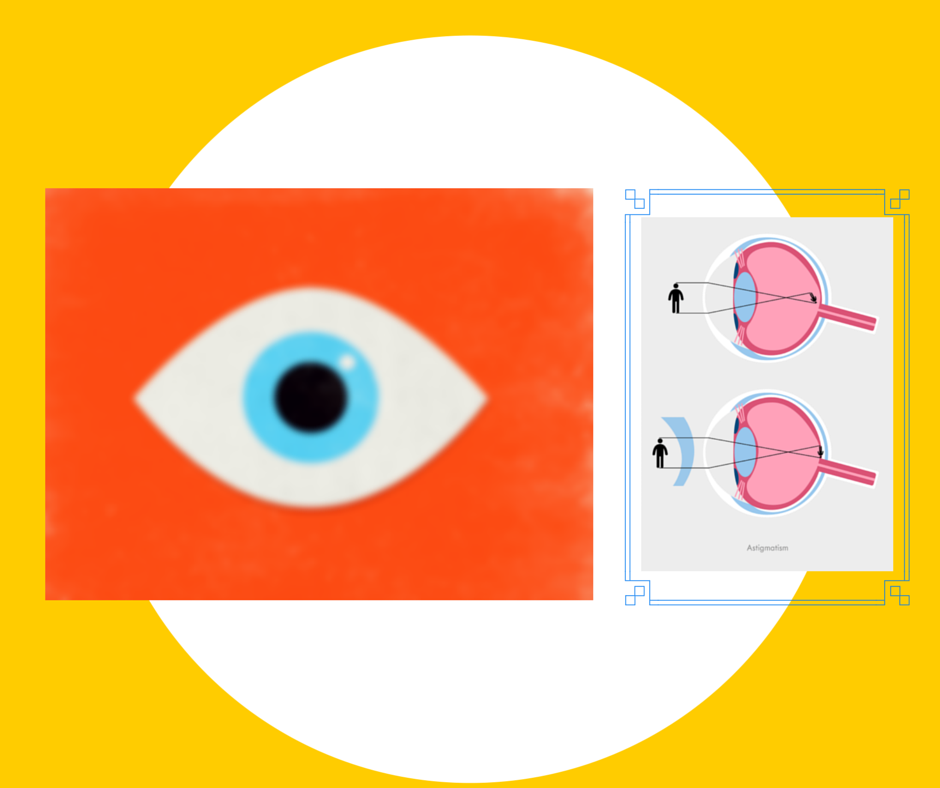
Eye health is one of the most undervalued but important aspects of our overall health. Your eyes are an important part of your health. There are many things you can do to keep them healthy and make sure you are seeing your best. Millions of Americans suffer from eye disorders and one of the more common issues is called Astigmatism. This common eye problem will cause blurry vision. How does this happen? What is called the "lens" or the cornea —the clear layer that covers your eye— possesses slight imperfections which leads to the eye being unable to refract light correctly.

Read More

Bulimia: A Common Eating Disorder

Bulimia: A Common Eating Disorder

Eating disorders can affect men and women from any background.  They are defined as any abnormal eating habits that have a negative or detrimental effect on the body and our health. The two best known eating disorders are anorexia, and bulimia. For many sufferers, symptoms don’t look like symptoms at first, they may just feel like normal dieting patterns or setbacks. Hitting the bathroom immediately after meals can be a sign of bulimia, a common eating disorder, characterized by purging immediately after meals.  

Read More

Here's the Risks for Carpal Tunnel Syndrome

Here's the Risks for Carpal Tunnel Syndrome

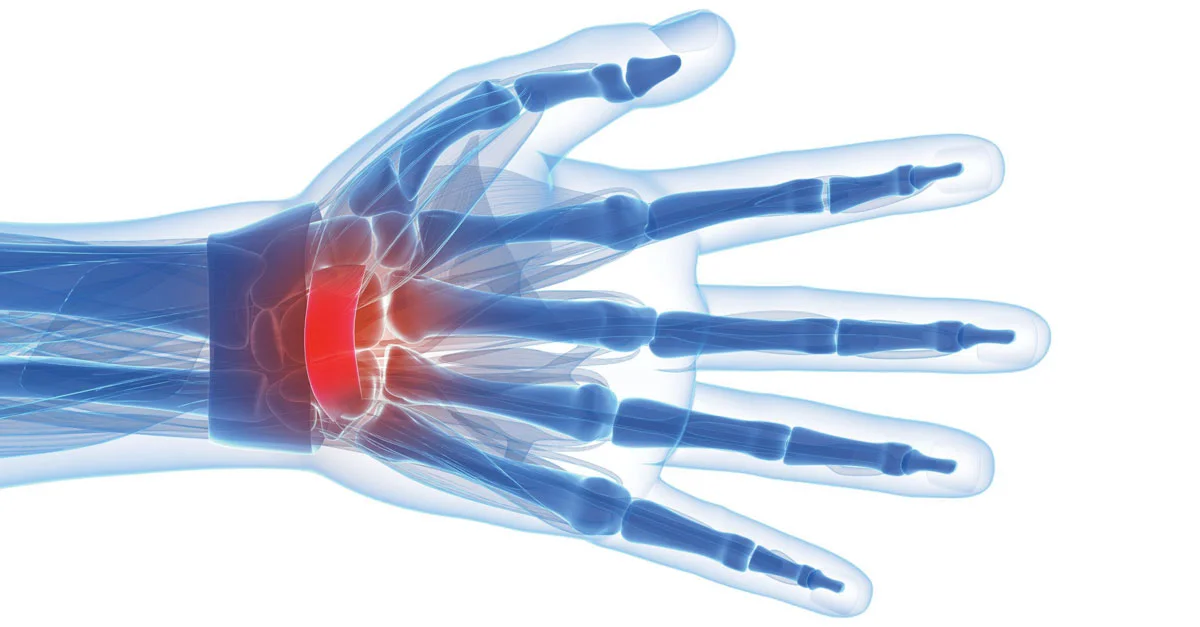
About 3% of women and 2% of men will be diagnosed with carpal tunnel syndrome during their lifetime in the U.S. The disease appears to be prevalent among women older than 55. There is a lot of difficulty around understanding CTS and how many people actually have it because symptoms reported often result in normal test results. What is carpal tunnel syndrome? It's a condition in the hand and arm that causes numbness, tingling and other feeling symptoms. 

Read More

Are you at risk for a blood clotting disorder?

Are you at risk for a blood clotting disorder?

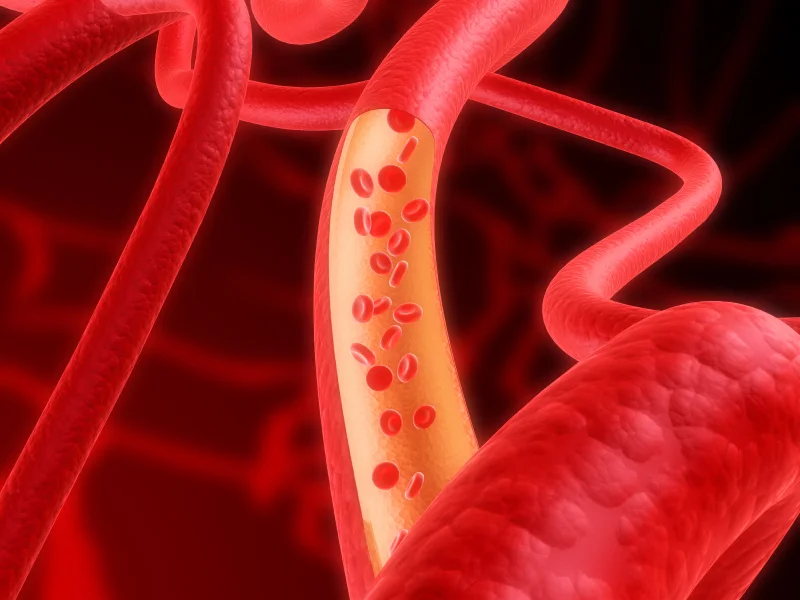
A blood clotting disorder is when a person experiences abnormal blood clotting. This is also known as thrombophilia. With thrombophilia, there is an increased risk of thrombosis, or blood clots in the blood vessels. Blood clotting disorders are a serious condition because they increase the risk of blood clots developing within the body. Blood clots in the body can be dangerous and in some cases life-threatening.

Read More