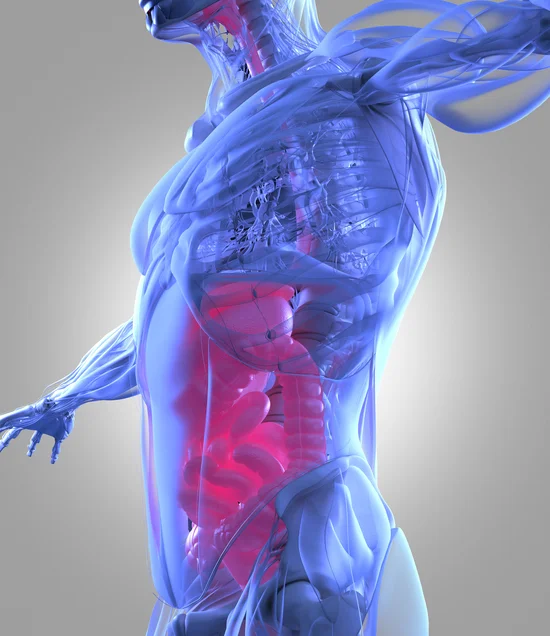
All about ulcers

All about ulcers

Up to 45 million people in the U.S. have an open sore in the lining of their gastrointestinal tract known as an ulcer.  An ulcer can occur in the upper portion of the small intestine (duodenal ulcer), the stomach (gastric ulcer), and the esophagus (esophageal ulcer).  Ulcers are often referred to as “peptic ulcers” to indicate they occur in the digestive tract.

Read More

Appendicitis: What You Need to Know

Appendicitis: What You Need to Know

Appendicitis is also known as a perforated or ruptured appendix. It is a serious infection of the appendix which is a small finger-like tube located where small and large intestine join. Symptoms often start with abdominal pain that occurs near the belly button or lower right. Patients also experience nausea, vomiting, loss of appetite, low-grade fever, constipation and abdominal swelling. Almost half of patients with appendicitis feel abdominal pain that moves rapidly to the lower right. If appendicitis is now treated right away, the appendix will likely burst, which then spreads infection throughout the abdomen, which is a dangerous condition called peritonitis. 

Read More

7 Signs of Ulcers

7 Signs of Ulcers

No single cause for ulcers have been found. There are many variables that affect their development. Researchers now know that ulcers are the end result of an imbalance between digestive fluids in the stomach and duodenum. Ulcers are typically caused by bacteria type named Helicobacter pylori.

Read More

Diverticular Disease: What Is It and How to Manage It

Diverticular Disease: What Is It and How to Manage It

It is estimated that about 50% of people over the age of 60 are living with diverticular disease.  Many people have heard the name, but many more are unsure of what it is, seeing as a large percentage of those who have diverticulosis do not suffer from any symptoms.

Read More