Premenstrual syndrome

Premenstrual syndrome is also known as PMS. PMS can cause a range of physical and psychological symptoms that occur just before a female gets her menstrual period. This includes mood swings, food cravings, fatigue, irritability, and depression. It is estimated that about three out of every four women have experienced some form of premenstrual syndrome.

Read More

Common Vaginal Issues Solutions

There are many vaginal issues that can affect women, but it can be embarrassing to talk about it openly.  Many issues are more common than you think, but it is good to know if you should be consulting a physician or something you can handle on your own.  Here is a rundown of some common conditions, from itching to unsightly bumps, and what to do if you are suffering from one of them. 

Read More

Dealing with Vaginal Atrophy

Vaginal dryness can be hard on any sex life.   Not only can it be painful, but it can kill the female libido as well.  Some of the main causes of vaginal dryness include hormonal changes.  Of the most common causes of vaginal dryness is a decrease in estrogen levels during menopause, perimenopause, after childbirth, or during breastfeeding. Decreased levels of estrogen leads to thinning and inflammation of the labia typically called vaginal atrophy

Read More

How hormones can get in your way

Research shows that fluctuations in your hormones can actually affect your health all month long. Here’s how:

Week ONE and TWO. During week one and two, your cholesterol spikes. According to research, your total cholesterol levels rise by almost 20 percent during the follicular phase. Make sure to visit your doctor around the same time of the month for consistent comparisons.

Week THREE. During week three, multitasking becomes more difficult. This is because you have higher levels of estrogen during ovulation which may affect your ability to concentrate. Make sure to take extra time to concentrate or focus in things you need to get done. Additionally, you feel sexier. During the third week of the month, women are most fertile, which also means they are often in the mood.

Week FOUR. Your symptoms intensify. If you have a certain health condition such as asthma, depression or chronic headaches, your symptoms may feel worse right before your period. During week four, it is likely that your gums are sensitive. This is because your progesterone increases before menstruation which can increase gum inflammation and discomfort. Make sure to visit your dentist at the start of your cycle, or take a pain reliever first. Lastly, during week four, your cravings peak. This is because the decrease in estrogen causes a reduction in your brain's feel-good chemicals. This makes you crave sugar and starch. 

Top Chronic Diseases in Women


While women generally live longer than men do, they also tend to be more affected by chronic illness and long-term disease. Chronic disease can affect quality of life, increase the risk of other health problems, incur costly medical care, decrease longevity and increase the risk of death.

1.     Current Depression: severe symptoms that interfere with your daily life. This means it interferes with work, sleep, studying, eating, and general daily activities. Caused by a combination of genetic, biological, environmental, and psychological factors.

2.     Hypertension: high blood pressure is a condition that forces more than normal amount of blood against artery walls.  This long term force can lead to heart disease and other health problems.  This can also increase your risk of heart attack and stroke.

 3.     Diabetes: this is a metabolic disease and chronic condition that affects the way your body metabolizes sugar, an important source of fuel for your body. In type 2 diabetes, the body either resists the effect of insulin or doesn’t produce enough, thereby affecting the levels of glucose in the blood. For some, diet, exercise and maintaining a heathy weight are enough to manage the chronic disease.

 4.     Serious psychological distress: This chronic mental disorder, can seriously interfere with social, work and study situations. Women suffering from this are more likely to develop chronic obstructive pulmonary disease, heart disease, and diabetes. 

The biggest risk factors for chronic disease in women are the following:

1.     Insufficient physical activity

2.     Obesity

3.     Smoking

4.     High cholesterol

Just about half of all women are not getting enough exercise and a little more than 30% suffer from obesity.  To add to that among women of reproductive age, more than 18% are smokers and almost 8% suffer from high cholesterol.  All of these factors increase the risk of the top chronic diseases affecting women mentioned above. 

Let’s Explore Postpartum Depression: Are you at risk?

Let’s Explore Postpartum Depression: Are you at risk?

Hayden Panettiere has revealed her choice to begin treatment at a facility to combat postpartum depression. She has spoken openly about her struggle since the birth of her daughter in December 2014, but now it appears she has continued to struggle. 

Read More

6 Vaginal Issues Women Should Be Aware Of

6 Vaginal Issues Women Should Be Aware Of

Women need to be aware of the various vaginal issues that can arise (some without any warning.) Obviously the anatomy of a woman's body is much more internal than a man's and hygiene as well as prevention are incredibly important to help prevent many of these issues. Here's your guide to your vagina. 

Read More

Top Cancers Affecting Women

Top Cancers Affecting Women

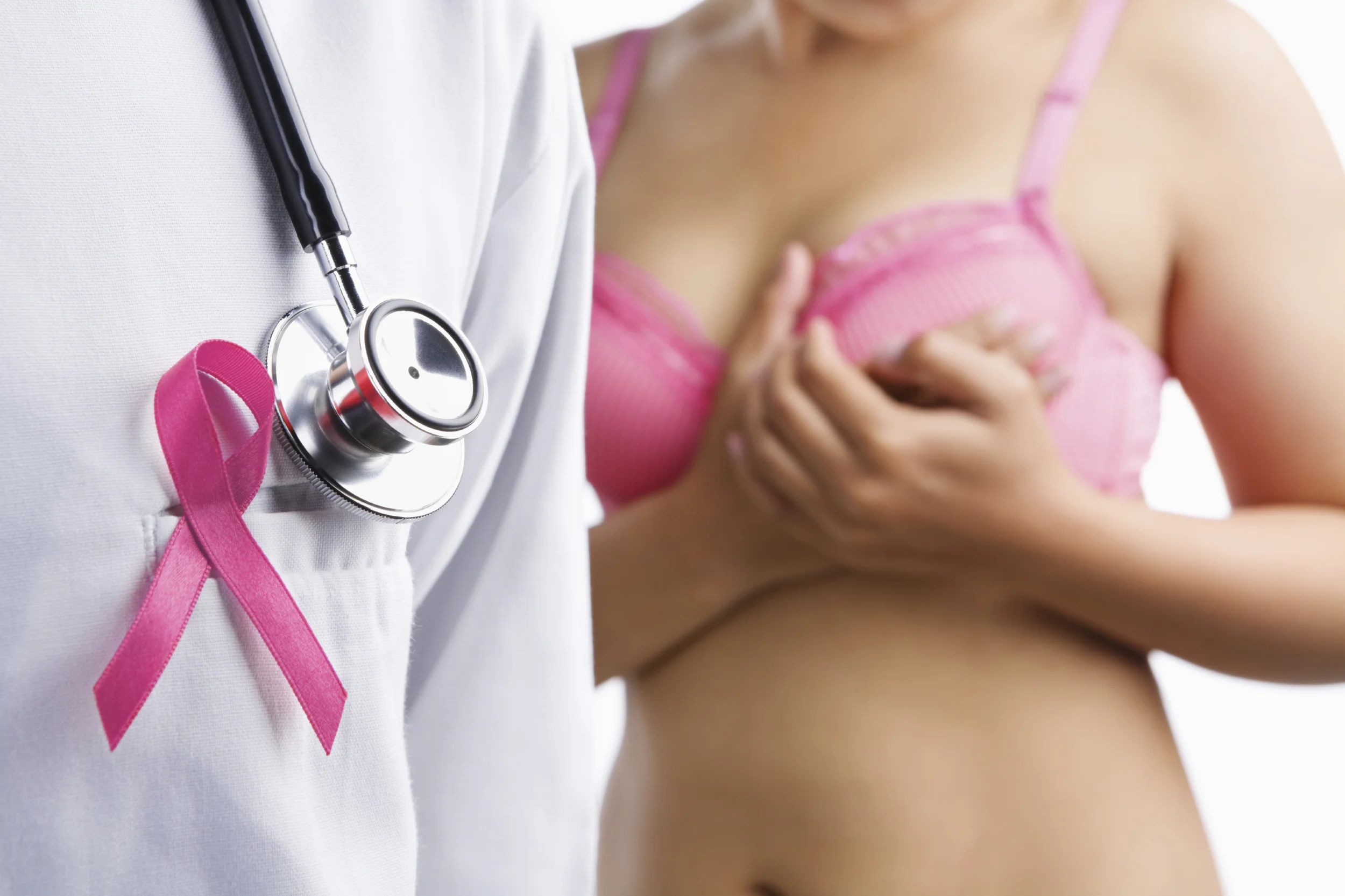
There are 5 common cancer the affect women the most. Understanding your individual risk for these cancers is the first step in minimizing the risk and even preventing the disease. Yes, breast cancer is first on the list but you may be surprised at some of the other common cancers common in women. 

Read More

8 Tips Better Than The Female Sex Drug

8 Tips Better Than The Female Sex Drug

A healthy sex life is very important for many aspects of our health but even further a healthy sex life also is a major factor in a healthy relationship. But what about foreplay? Is it a really important factor? We say absolutely. In male issues like erectile dysfunction and female sexual desire stemming from the brain, foreplay cannot be under appreciated. There has been much in the news about the female sex drug. But let's not forget important intimacy and foreplay sex tips. Here are 8 for you to try (maybe this week!)

Read More

Screening tests women should know about

Screening tests women should know about

Cholesterol

  • Ages 20 and older: Get a cholesterol test regularly if you are at increased risk for heart disease. Ask your doctor how often you need your cholesterol tested.

Diabetes

  • Ages 18 and older: Get screened for diabetes if your blood pressure is higher than 135/80 or if you take medicine for high blood pressure
Read More

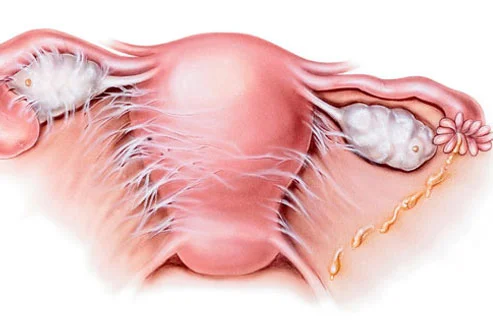
What is a hysterectomy?

What is a hysterectomy?

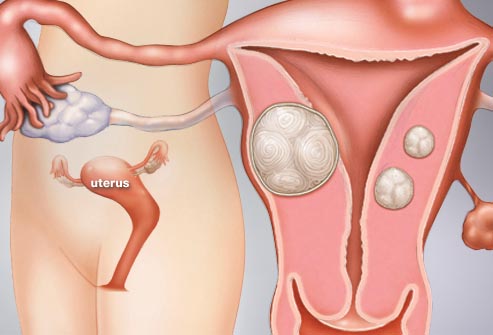
A hysterectomy is a surgical procedure that is performed to completely remove a woman's uterus. There are a number of reasons as to why a woman would have a hysterectomy. Reasons a woman might have a hysterectomy may include uterine prolapse, cancer of the ovaries, cervix, or uterus, chronic pelvic pain, abnormal vaginal bleeding, endometriosis, uterine fibroids, or adenomyosis. A hysterectomy is the second most common surgery among women in the United States. It is estimated that in the United States every year, there are about 500,000 women who have a hysterectomy.

Read More

Learning About Hypothyroidism

Learning About Hypothyroidism

Hypothyroidism is a condition that is characterized by an underactive thyroid. It is a condition that is caused by the thyroid gland not producing enough thyroid hormone. Hypothyroidism is also known as underactive thyroid disease. It is quite common. The thyroid gland is located in the front of the lower portion of the neck. Hormones are released from the thyroid gland into the bloodstream. These thyroid hormones affect almost every part of the body. When there is an imbalance in the thyroid hormones, problem can arise.

Read More

What women should know about pelvic inflammatory disease

What women should know about pelvic inflammatory disease

Pelvic inflammatory disease is an infection that occurs in a woman’s reproductive organs. The disease is usually a complication that is caused by untreated sexually transmitted diseases, such as gonorrhea and chlamydia. It can also be caused by infections that are not sexually transmitted. It’s important for women to know about pelvic inflammatory disease because it can be prevented.

Read More

What Do You Think of the New Female Sex Drug?

What Do You Think of the New Female Sex Drug?

 FDA has approved Flibanserin, the experimental Viagra for women. The drug can be found under the name of Addyi. In 2010 it rejected the pill for female libido over side effects concerns. Some of the side effects included nausea, dizziness and fainting. Flibanserin is for post-menopausal women who experience a low sex drive. It is produced by the pharmaceutical company Sprout Pharmaceutical.

Read More

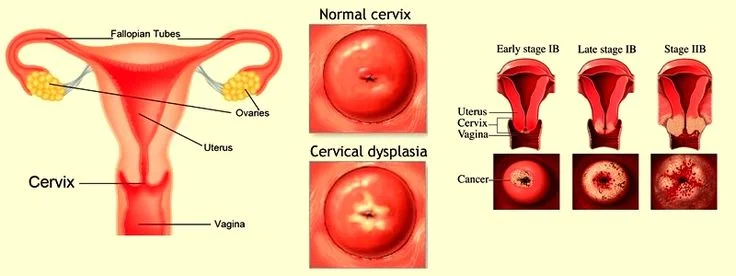
What is cervical dysplasia?

What is cervical dysplasia?

Cervical dysplasia is a condition that women can develop before developing cervical cancer. The condition is precancerous and is characterized by the growth of abnormal cells on the lining of the cervix or endocervical canal. Cervical dysplasia is also known as intraepithelial neoplasia. This condition is often associated with HPV, or human papillomavirus, which is a sexually transmitted infection. The condition is most common among women who are younger than thirty years old. However, women of any age can develop it.

Read More