Uterine Fibroids and Your Risk of Miscarriage
/
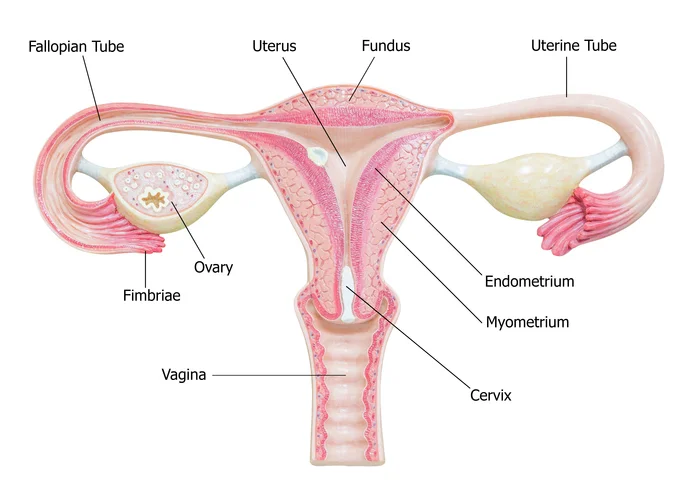
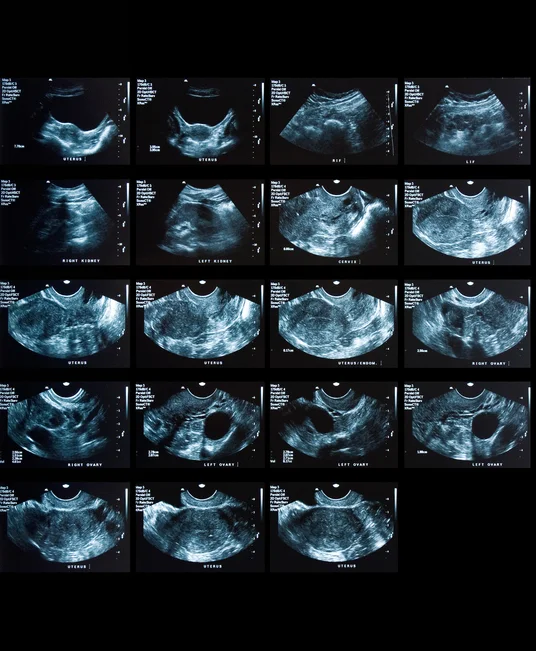
A decade-long study conducted at the Vanderbilt University Medical Center shatters long-held beliefs about uterine fibroids being a cause of miscarriages.
Read More
Women's Health. Find daily tips on women's health from Dr. David Samadi. Discover latest news and health benefits for common issues related to women's health such as breast cancer, cervical cancer, female cancer screenings and prevention,
A decade-long study conducted at the Vanderbilt University Medical Center shatters long-held beliefs about uterine fibroids being a cause of miscarriages.
Read MoreThose older women who do conceive do it at an increasing risk of giving birth to children with congenital anomalies.
Read MoreEarly menopause is defined here as the cessation of ovarian function before age 45. It affects about 10 percent of women and is associated with higher risk of osteoporosis, cardiovascular disease and early cognitive decline.
Read MoreIt's not a statistic that is talked about often, but more than 10 percent of the babies in the U.S. are born prematurely. What can be done?
Read MoreOne way to care for yourself is by getting routine health care in your 50s and beyond. The goal of this is to develop and maintain the doctor-patient relationship, encourage a healthy lifestyle, screen for disease, assess medical problems and update immunizations. In general, routine health care for people 50 and older include the following:
Read MoreCertain foods a woman should avoid while pregnant as they may be harmful to the mom or her baby because of the way they are cooked or because of germs or chemicals they contain.
Read MoreAccording to the Plastic Surgery Statistics Report, in 2015, there were 279,143 “breast aug” or “boob jobs” performed that involved using breast implants to increase the size and or fullness of a woman’s breasts.
Read MorePrevious research shows the association of estrogen deficiency in disc degeneration, but this is the first to compare age-matched men to menopausal women.
Read MoreHere are 4 symptoms a woman should watch for indicating she might be having a heart attack.
Read MoreIron deficiency is the most common nutritional deficiency in the world affecting around 2 billion people – over 30% of the world’s population.
Read MoreIt is the most common non-pregnancy-related major surgery performed on women in the United States with one in three women having a hysterectomy by age 60.
Read MoreOne of the reasons why women are more prone to vaginal yeast infections is because yeast normally lives on the skin and near the vagina.
Read MoreAs women age, they produce less estrogen. And with resultant perimenopause and irregular periods comes the insomnia, hot flashes, mood swings, vaginal dryness and night sweats.
Read MoreBoth men and women with type 2 diabetes are at a greater risk for cardiovascular disease (CVD). CVD is the leading cause of morbidity and mortality accounting for greater than 75 percent of hospitalizations and greater than 50 percent of all deaths among those with the disease.
Read MoreEstrogen, menopause and high blood pressure
Read MoreEndometrial cancer is the fourth most common cancer in women in the United States, Canada, and Australia, according to the International Agency for Research on Cancer.
Read MoreIf you have been suffering from mysterious pain around your vagina, see your doctor.
Read MoreResearch shows that more than one cup of coffee a day increased estrogen in women between the ages of 36 and 45 in the first stage of the menstrual cycle.
Read MoreOften referred to as ‘honeymoon cystitis,’ a UTI is an infection in any part of the urinary system which could affect the urethra, bladder or kidneys.
Read MoreThe risk is not minimal, either. Drinking the equivalent of a small glass of wine or beer a day – 10 grams of alcohol – increases pre-menopausal breast cancer risk by 5 percent and post-menopausal breast cancer risk by 9 percent. For most Americans, a standard drink is 14 grams of alcohol.
Read More