What is vulvodynia?

What is vulvodynia?

Vulvodynia is a condition that is characterized by chronic pain near the opening of the vulva (also known as the vagina). There is no known cause for vulvodynia. Women who experience vulvodynia often have symptoms such as burning and pain that may be severe enough to make it difficult to have sexual intercourse or even sit in a chair. Vulvodynia can last for months or even years. There are about six million women in the United States have vulvodynia. Vulvodynia may also be known as vulvar pain syndrome, vestibulitis, vestibulodynia, or clitoridynia.

Read More
Symptoms of Vaginal Dryness

Symptoms of Vaginal Dryness

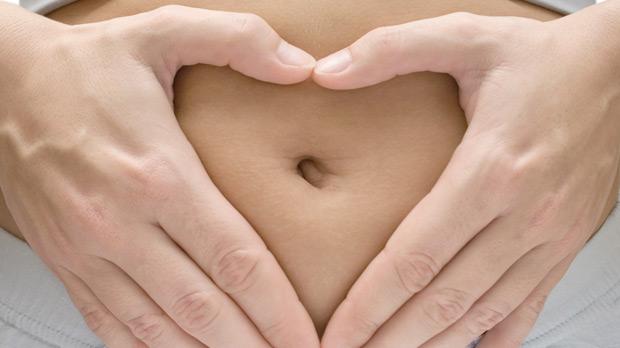
Vaginal dryness can be an embarrassing topic to broach, but can negatively affect the lives of many women.  Because it is not openly discussed, women may not know that it is a common problem especially for women during and after menopause.  Although less common, it can also happen to women who aren’t menopausal.  Are you suffering from vaginal dryness? Here are some common symptoms that might help you figure that out.                  

Read More

What is Bartholin’s cyst?

What is Bartholin’s cyst?

Bartholin’s cyst is a fluid filled sac that develops in the Bartholin’s glands. The Bartholin’s glands are located on each side of the opening of the vagina. These glands are responsible for secreting fluid that provides lubrication for the vagina. The Bartholin’s glands can sometimes become blocked, which causes fluid to get backed up into the glands. As a result, a cyst forms called a Bartholin’s cyst. A Bartholin’s cyst is mostly painless but can swell. In some cases, a Bartholin’s cyst can become infected if bacteria gets trapped in the cyst. 

Read More

Morning After Pill Increased Use Among Teens

Morning After Pill Increased Use Among Teens

Did you know the morning after pill, usually from the brand name Plan B, can be purchased by teens without a prescription. One would assume this could lead to overuse. More than 1 in 5 sexually active teens have used the morning-after pill which experts have deemed that this increase is major and likely reflects how easy it is to obtain emergency contraceptive. A new report released this week concluded teens use the morning-after pill increased from a decade earlier where it was 1 in 12. Now all teens can purchase it without a prescription.

Read More

Women With Memory Loss More Likely to Develop Alzheimer's

Women With Memory Loss More Likely to Develop Alzheimer's

Recently a study published in JAMA Neurology found some indications that a man's memory actually worsens over time moreso than a woman's. But now two significant new studies are showing that women with memory loss are more likely to develop Alzheimer's Disease. Alzheimer’s disease is the most common type of dementia, accounting for 60 to 80 percent of cases, according to the Alzheimer’s Association.  It is important to note that Alzheimer’s is not a part of normal aging.  

Read More

Learning About Fetal Tissue Donation

Learning About Fetal Tissue Donation

Many of us may have never knew that fetal tissue can be donated until these past few weeks but since the pro-life organization, Center for Medical Progress, released videos that ignited a battle on some of these reproductive issues around abortion and Planned Parenthood, we're learning that this is quite common. What is fetal tissue donation? It's a little known byproduct of abortions where the use of organs and tissue from aborted fetuses and embryos are donated for both technical and monetary research. 

Read More

What is fibrocystic breast disease?

What is fibrocystic breast disease?

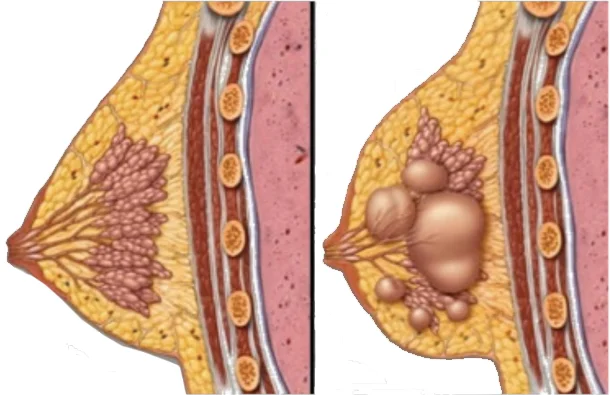
Fibrocystic breast disease is a benign, or noncancerous, condition that occurs in women and is characterized by painful lumps in the breasts. More than half of women get fibrocystic breast disease at some point in their lives. For this reason, the condition is now more often called fibrocystic breasts or fibrocystic breast changes instead of fibrocystic breast disease. The condition is basically harmless, but may cause some discomfort. Regardless of this, women should always have their breasts examined for any changes they experience in their breasts. About 60 percent of women have some fibrocystic changes. However, most cases are mild.

Read More

Women's Health: Uterine Fibroids

Women's Health: Uterine Fibroids

Uterine fibroids are non-cancerous tumors that grow in the smooth muscle cells within the wall of the uterus. Fibroids can vary in size and number, and can be thought of as fibrous sponges in the uterus.  In some women they have been associated with infertility, miscarriage, and premature labor. This why uterine fibroids of particular importance during childbearing years. Even if they are unaware, the majority of American women will have fibroids by the age of 50.  They are much more common than many women believe.  It is not unlikely that 70-80% of women will experience fibroids at some point in their lives.

Read More

Yeast Infections: What Women Need to Know

Yeast Infections: What Women Need to Know

There are millions of cases of vaginal yeast infection in the U.S. every year. So what is it? A vaginal yeast infection causes itching and irritation of the vagina and vulva (folds of skin outside the vagina). Yeast is a type of fungus that normally live in the vagina, along with bacteria and other organisms. When something causes an imbalance in these organisms, yeast grow and cause irritation. A yeast infection is not an STD and clears up quickly with treatment. 

Read More

7 reasons breast cancer survivors can safely eat soy

7 reasons breast cancer survivors can safely eat soy

The question of whether soy foods can be consumed safely by breast cancer survivors has perplexed not only patients but even health professionals over the years.  There was often confusion on what to advise breast cancer survivors on what to do.  Now we have evidence that people’s fears of soy foods raising the risk of hormone-related cancers are unwarranted and soy can safely be consumed.

Read More

Dysmenorrhea: Painful Menstruation

 Dysmenorrhea: Painful Menstruation

When that time of the month comes around, many women suffer from severe cramps, sometimes for several days. This can make for a long menstrual cycle. Popping the Midol, Aleve or Advil is not always the only solution. There are two causes for these types of cramps, one being chemical the other being functional. What actually happens is the uterine muscles contract due to stimulation by a chemical series called prostaglandins. 

Read More

Do C-sections increase risk of chronic health issues later in life?

Do C-sections increase risk of chronic health issues later in life?

Do newborns delivered by C-section face higher risk of chronic health problems later in life. NYU Langone Medical Center recently had a study published in the British Medical Journal, where Researchers evaluated whether newborns delivered by C-section are more likely to develop chronic diseases later in life.

Read More