Older Women Need Cervical Screening

Older Women Need Cervical Screening

Old habits and mindsets die hard, and sometimes that can have a real impact on our quality of life. For example, most every woman is under the impression, borne of generations of professional medical understanding and advice, that cervical cancer primarily affects younger women. In fact, a new study indicates that incidence rates of cervical cancer do not begin to decline until 85 years of age among women without a hysterectomy. Furthermore, the data show that women over 65 who have not been recently screened may benefit from continued surveillance.

Read More

Breast Cancer and Low-Dose Aspirin

Breast Cancer and Low-Dose Aspirin

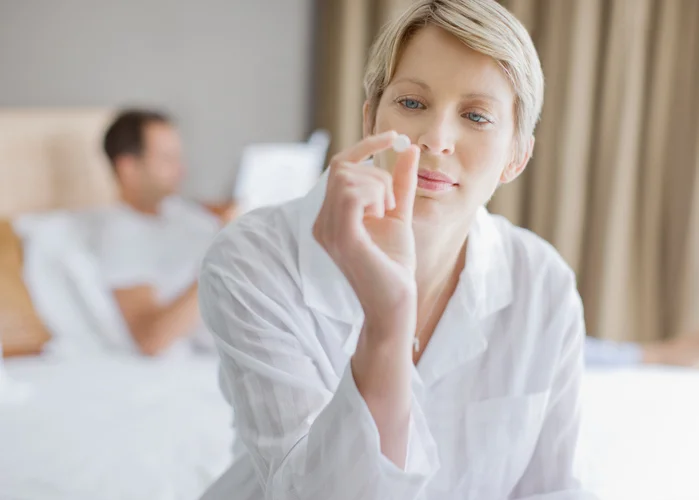
You may be taking low-dose aspirin regularly because its blood-thinning powers are known to stave off heart disease, but some California researchers may have just given you another reason. Their findings indicate that taking low-dose aspirin at least three times per week may reduce a woman's risk of breast cancer by up to 20 percent.

Read More

Women and Knee-Hip Surgery

Women and Knee-Hip Surgery

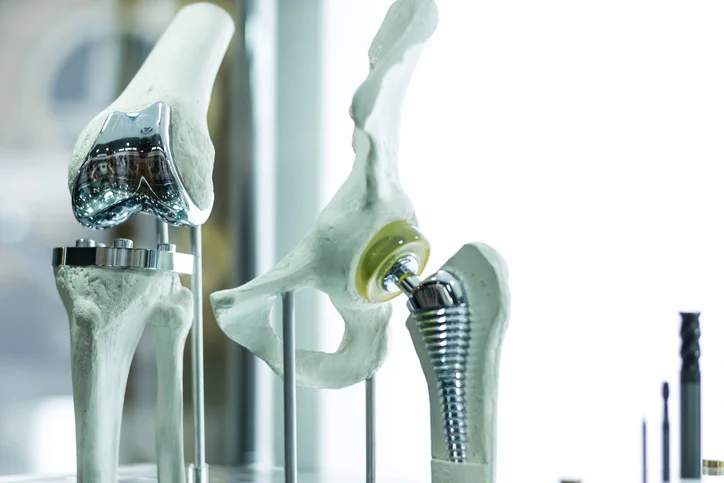
Although we often view knee replacement surgery as something that follows a lifetime of vigorous athletic activity for men, women are more likely to undergo the procedure. Women have a higher incidence of arthritis than men, and since arthritis is the leading cause of joint replacements, around 60 percent of all joint replacements are performed on women. Between 2013 and 2015, about 26 percent of women reported being diagnosed with arthritis, compared to 19.1 percent of men.

Read More

Recognizing symptoms of endometriosis

Recognizing symptoms of endometriosis

Endometriosis is an often painful disorder women experience with symptoms varying from woman to woman.  The condition is where tissue that normally lines the inside of the uterus - the endometrium – grows outside of the uterus.  The endometrium is the tissue that thickens each month in preparation for possible implantation of an embryo.  If there is no implantation, then the lining or tissue will bleed known as a woman’s menstrual cycle. 

Read More

Breast-Feeding Tips

Breast-Feeding Tips

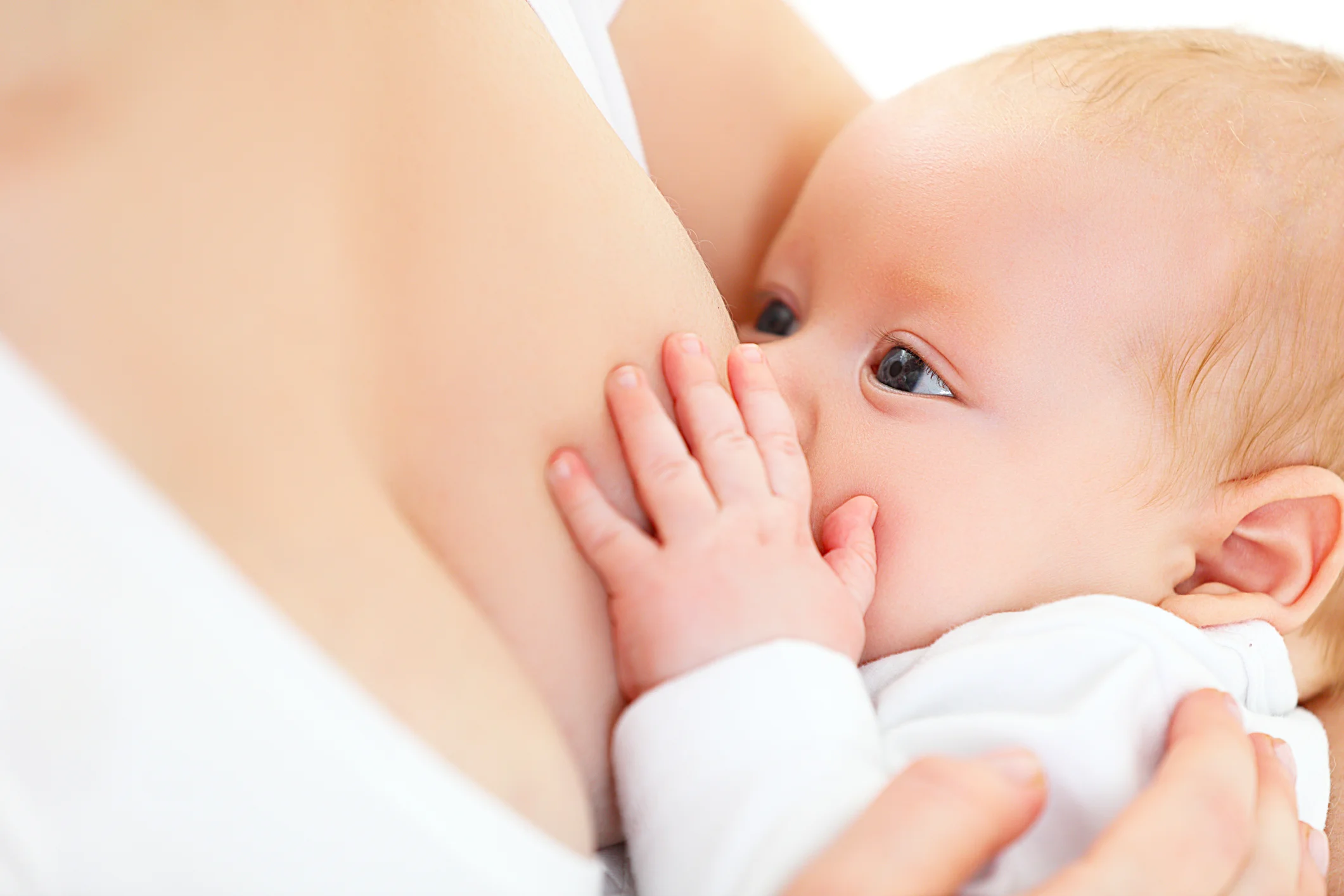
Breastfeeding a newborn baby may be “the most natural thing on earth” as its many advocates opine, but that doesn't mean it always comes easy. For first-time mothers especially, it can be a daunting and intimidating process.

Read More

Bartholin's Cyst

Bartholin's Cyst

Cysts – sac-like lumps filled with fluid, air or other substances – can occur just about anywhere in your body, and are typically no cause for alarm. Bartholin's cysts – those which occur when the vagina's Bartholin's glands become obstructed – are no different. They are, in fact, relatively common, most often forming after childbirth or surgery.

Read More

When a woman has bladder prolapse

When a woman has bladder prolapse

A common but not always talked about condition that up to 11 percent of women will experience is bladder prolapse.  Many women who have this condition may not even realize what has happened but may express “I have low back pain,” or “It feels like I’m sitting on a ball,” or “It’s difficult for me to urinate.” 

Read More

Hot flashes may increase risk of heart disease

Hot flashes may increase risk of heart disease

Hot flashes may be more than just a woman feeling the heat – they may also be increasing a woman’s risk of heart disease.  Hot flashes, typically associated with menopause is when a woman may have a quick feeling of intense heat along with sometimes a red, flushed face and sweating.  Up to 70% of women experience hot flashes with a third describing them as frequent or severe.  Now a new study has discovered a link between women who get frequent hot flashes during menopause who may be susceptible to vascular dysfunction which can lead to heart disease.

Read More

6 surprising truths women should know about their heart

6 surprising truths women should know about their heart

Here are 6 truths women need to know helping to inform and enlighten them on assessing their heart disease risk and what they might be able to do to avoid any unnecessary surprises in the future:

Read More

Frequent Urination in Women – What Can You Do?

Frequent Urination in Women – What Can You Do?

Frequent urination is a problem most often associated with older men, but it can also affect women, of any age. Frequent urination can have a genuinely harsh effect on your quality of life, whether it causes you to lose sleep at night or prevent you from going out and about for fear of being too far from a bathroom for too long.

Read More

What every woman must share with her gynecologist

What every woman must share with her gynecologist

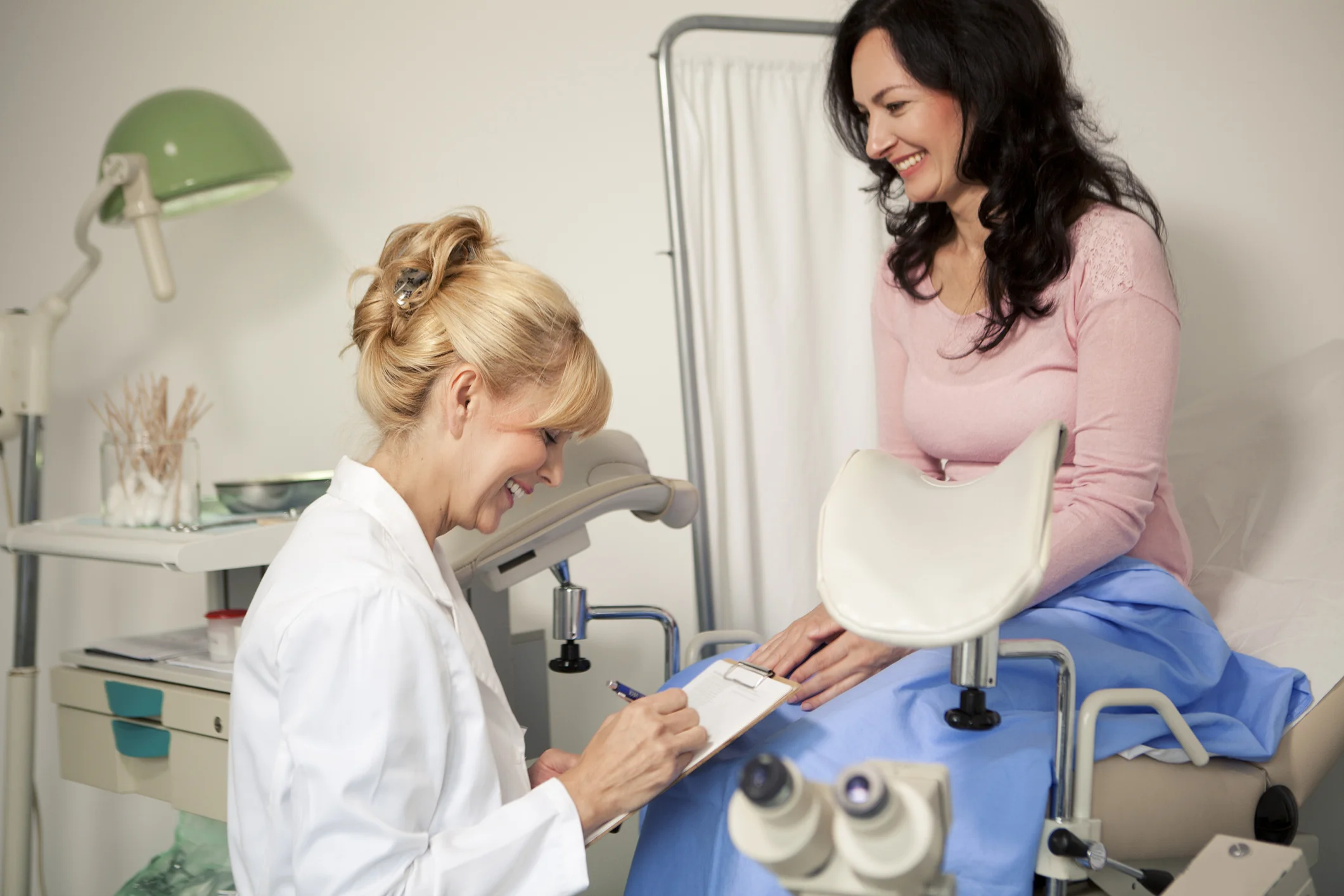
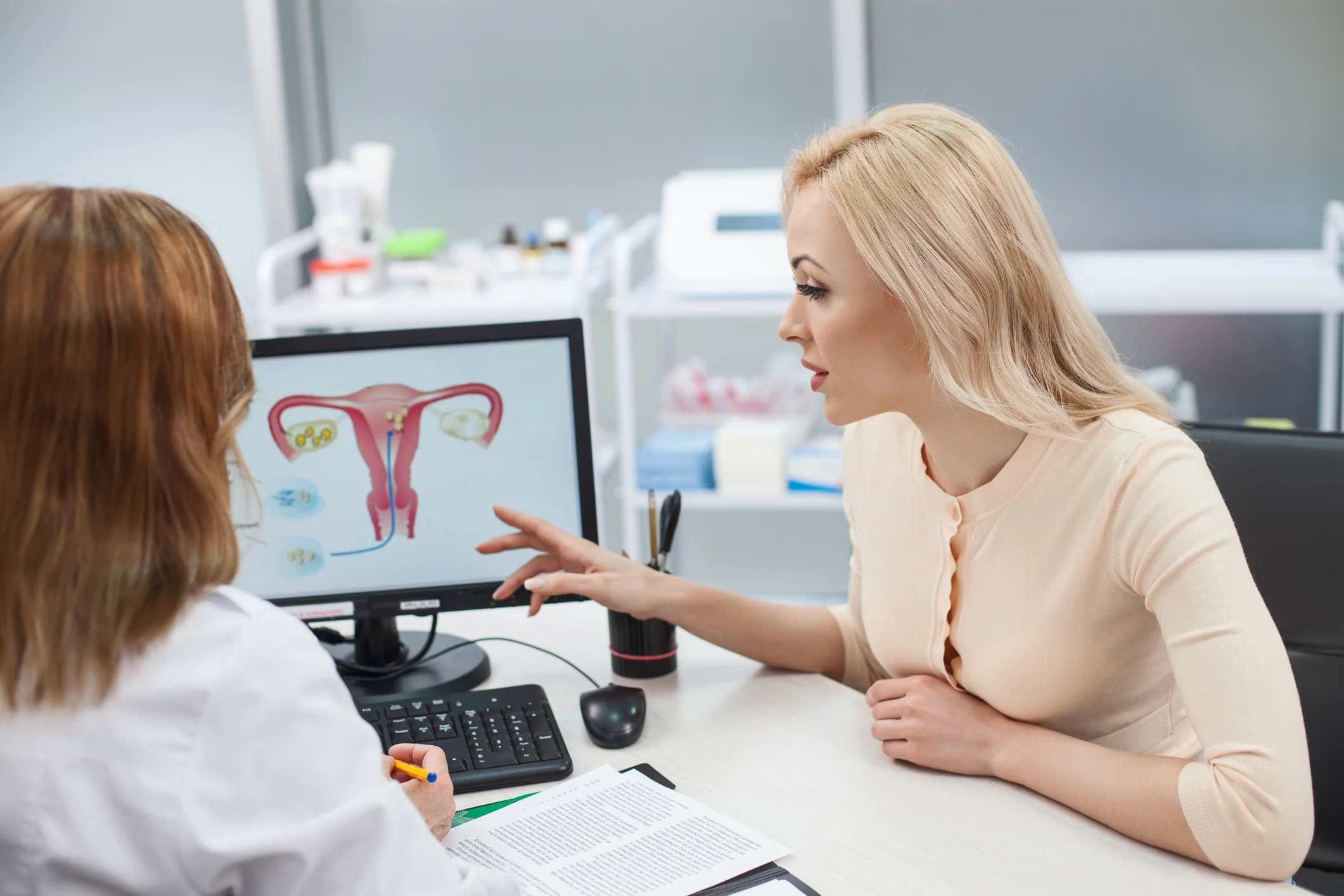
A trip to the gynecologist is usually not at the top of most women’s list of things to do.  You’re flat on your back, feet in stirrups with your private parts being inspected by someone you mainly see once a year.  But that yearly visit to the gynecologist is a very important part of a woman’s health making it imperative to not hold back on certain health issues. 

Read More