Heart disease doubles for women with diabetes
/
Both men and women with type 2 diabetes are at a greater risk for cardiovascular disease (CVD).
Read More
Women's Health. Find daily tips on women's health from Dr. David Samadi. Discover latest news and health benefits for common issues related to women's health such as breast cancer, cervical cancer, female cancer screenings and prevention,
Both men and women with type 2 diabetes are at a greater risk for cardiovascular disease (CVD).
Read MoreThere are several reasons why you may be itchy “down there,” and they could all be vaginitis.
Read MoreAny woman will tell you after just having delivered a baby the size of a football, the last thing on her mind is sex.
Read MoreIt’s not uncommon for moms to be taking care of everyone else except themselves. This is where we can step in to remind her how valuable she is and doing what it takes to keep herself healthy.
Read MoreWith a few suggestions on how to keep your love life hot and satisfying, sex post-menopause can be some of the best sex you’ll ever have.
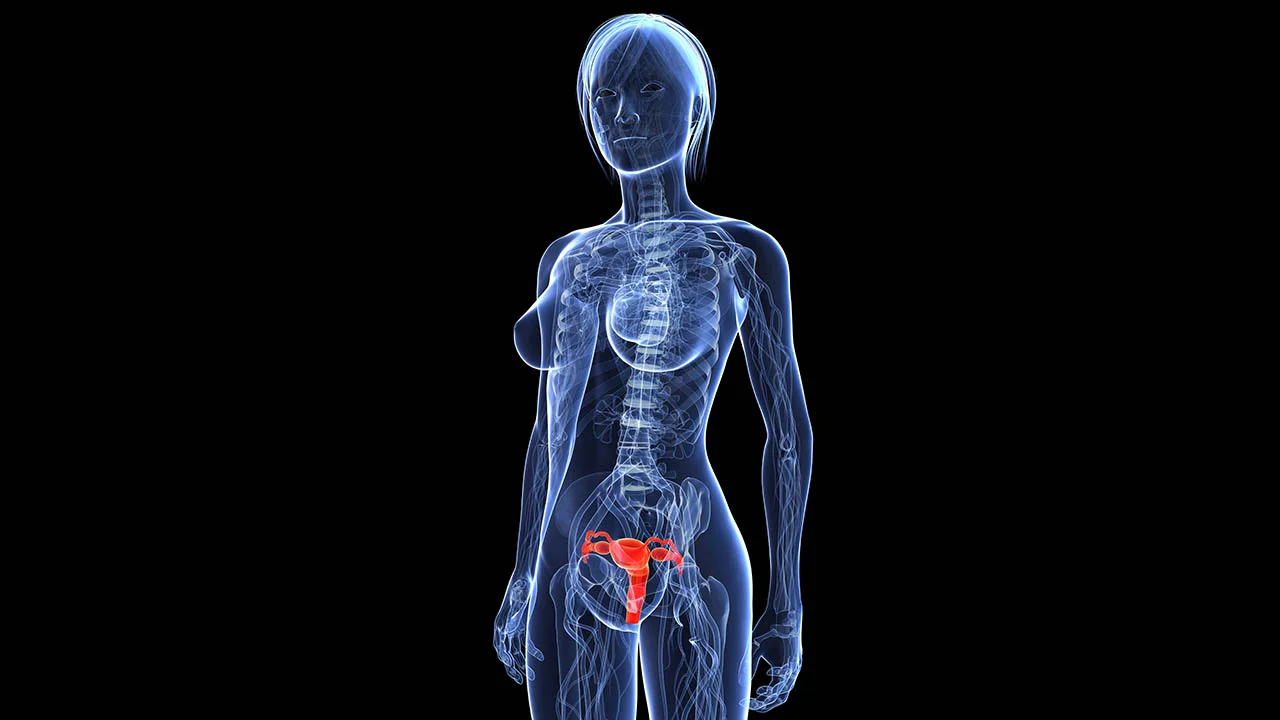
Read MoreUterine fibroids are noncancerous growths of the uterus that nevertheless can become painful. They often appear during child-bearing years.
Read MoreOvarian cancer often goes undetected until it has spread within the pelvis and abdomen. At this late stage, ovarian cancer is difficult to treat and is often fatal.
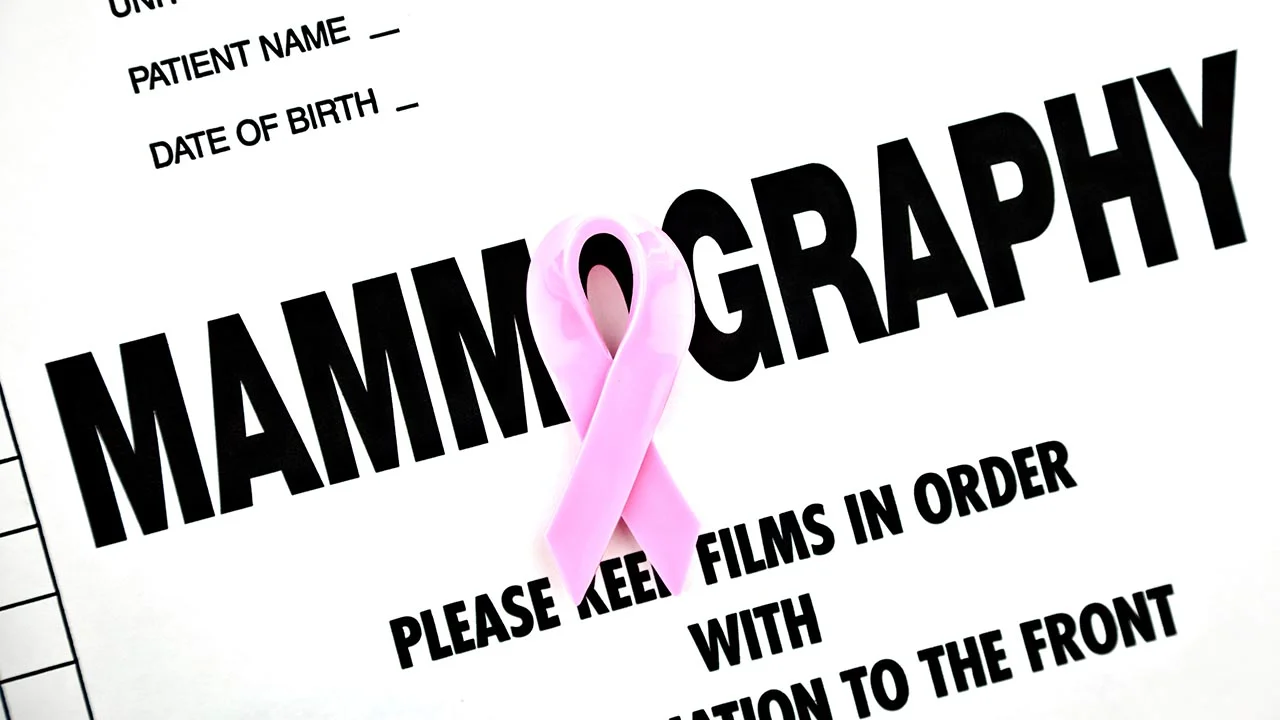
Read MoreNew research is showing that the same test women routinely get to screen for breast cancer may also be a useful tool to identify women at risk for heart disease.
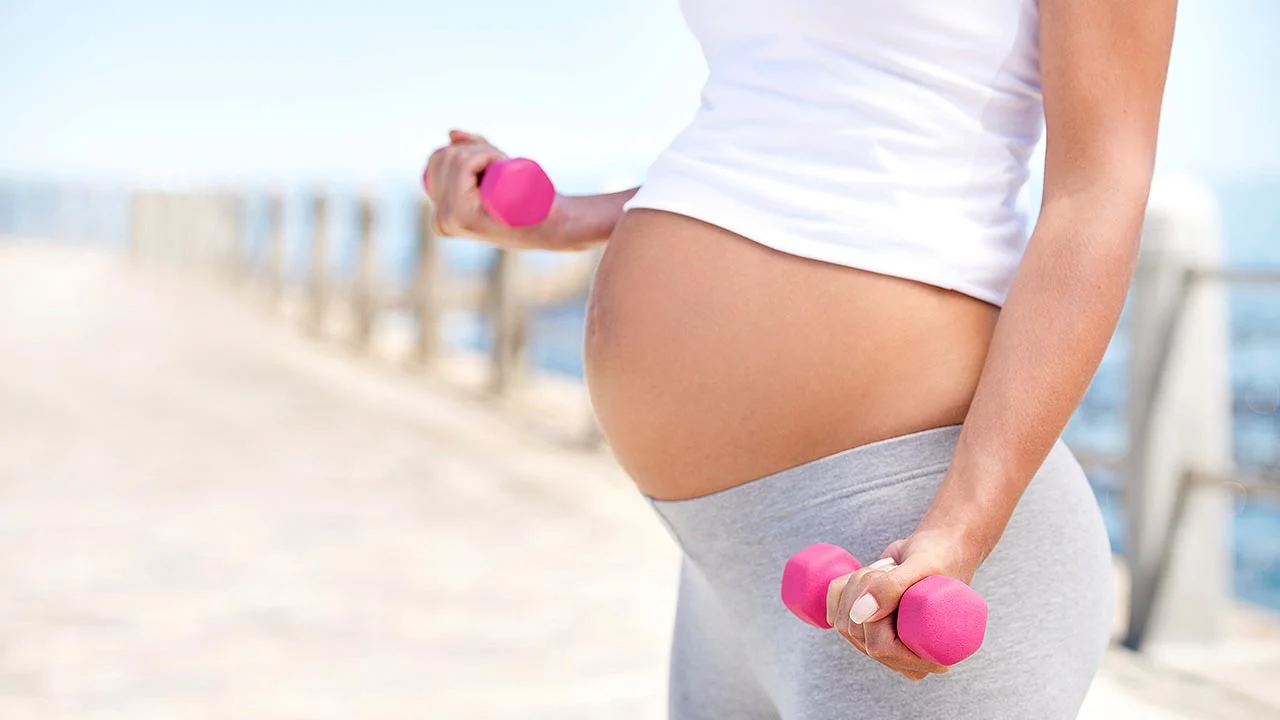
Read MoreRegular exercise during pregnancy can improve your posture and decrease backaches and fatigue.
Read MoreA woman has undergone the first uterus transplant in the United States, marking a breakthrough in care for women.
Read MoreExercise and stress can both have an effect on the timing, but here is how the baseline charting goes:
Read MoreOne study shows that 39% of 8-10-year-old children in Pennsylvania had drunk or sipped alcohol.
Read MoreThere are more than 1 million women in the U.S. develop pelvic inflammatory disease each year.
Read MoreThis makes these rubbery cups somewhat of a mystery in the female world. We are here to break things down for you.
Read MoreWomen of childbearing age should avoid alcohol unless they're using contraception
Read MoreResearch has shown that more women are giving birth at older ages, are obese, or have certain health conditions like high blood pressure and diabetes. There are also more young women with serious conditions, like congenital heart defects, who are surviving and having children.
Read MoreAccording to a study from Consumer Reports, pregnant women should avoid all tuna due to the dangers of being exposed to high levels of mercury. This contradicts the FDA’s recommendation made in June stating that women who are pregnant may consume up to 12 ounces of fish per week.
Read MoreKeeping your vagina healthy and toned should be a major priority for all women. This isn’t just for sexual reasons and keeping a tight vagina for better stimulation, but for better urinary control and stronger pelvic muscles. So how exactly do you work you pelvic muscles? Doing Kegels is probably the best way. These pelvic exercises strengthen the pelvic floor can help you avoid incontinence and keep vaginal walls toned. Kegels can also transform feeble orgasms into fabulous ones.
Read MoreAll women should be concerned about their vaginal health. A healthy vagina is naturally acidic and contains rich quantities of beneficial bacteria that help fend off infections and maintain a normal pH level. A healthy vagina will also secrete small amounts of discharge to keep itself clean, much as saliva is produced to help cleanse your mouth. Any interference with these normal conditions, and you may face vaginal irritation or infection. Here’s how to keep your vagina healthy.
Read MoreAlmost 50% of women experience naturally occurring painful periods, but there is also a disorder called dysmenorrhea which is used to describe severely painful menstruation and menstrual cramps. Women with dysmenorrhea will experience severe pain and cramping in the abdomen and pelvic area, as well as the lower back and legs. Pain can be both intense and dull and come and go. Women also struggle with headaches, dizziness, diarrhea, nausea and sometimes vomiting.
Read More