How Caffeine Affects Your Estrogen
/
Research shows that more than one cup of coffee a day increased estrogen in women between the ages of 36 and 45 in the first stage of the menstrual cycle.
Read More
Women's Health. Find daily tips on women's health from Dr. David Samadi. Discover latest news and health benefits for common issues related to women's health such as breast cancer, cervical cancer, female cancer screenings and prevention,
Research shows that more than one cup of coffee a day increased estrogen in women between the ages of 36 and 45 in the first stage of the menstrual cycle.
Read MoreOften referred to as ‘honeymoon cystitis,’ a UTI is an infection in any part of the urinary system which could affect the urethra, bladder or kidneys.
Read MoreLooking for a medical breakthrough you can use that doesn't involve getting injected with nanobots or a re-weaving of your DNA strands? How about an all-natural fertility boost that's over a century old?
Read MoreIn a triple-blind trial that included 79 women from 45 to 60 years old, soft capsules containing 100 milligrams of fennel were administered twice a day for eight weeks.
Read MoreHeart disease is the number one cause of death among women in the U.S. yet it remains woefully under-diagnosed. Part of the reason is that heart attacks were, from the 19th century well into the 20th, viewed as being caused by stress. It was a disease for “hard-working and ambitious men,” and dying of a heart attack, like sweating, was simply not something a proper woman did.
Read MoreAddyi is a drug approved only for use in premenopausal women and not for postmenopausal women or for men
Read MorePolycystic ovary syndrome (PCOS) is a disorder of the endocrine system that can strike women of child-bearing age.
Read MoreThere are a number of reasons or causes of why a woman would develop cervicitis which include the following
Read MoreUnlike men, hair loss in women typically does not result in going completely bald. But for women whose hair has thinned to the point of seeing their scalp, it can be devastating taking an emotional toll that can affect their physical and psychological health.
Read MoreThroughout their lifetime, women often focus on preventing breast cancer or osteoporosis as they are touted more as being a “woman’s disease.” But for a woman living in the United States, heart disease is the leading cause of death and the earlier in her life a woman takes steps to reduce her risk, the less likely she’ll face that scenario.
Read MoreCervical cancer – typically associated with affecting women younger than age 50 – is a disease that can also be found within women who have not had a hysterectomy or her cervix surgically removed. This is news from a recent study published in American Journal of Preventive Medicine called Cervical Cancer Screening and Incidence by Age: Unmet Needs Near and After the Stopping Age for Screening.
Read MoreOld habits and mindsets die hard, and sometimes that can have a real impact on our quality of life. For example, most every woman is under the impression, borne of generations of professional medical understanding and advice, that cervical cancer primarily affects younger women. In fact, a new study indicates that incidence rates of cervical cancer do not begin to decline until 85 years of age among women without a hysterectomy. Furthermore, the data show that women over 65 who have not been recently screened may benefit from continued surveillance.
Read MoreYou may be taking low-dose aspirin regularly because its blood-thinning powers are known to stave off heart disease, but some California researchers may have just given you another reason. Their findings indicate that taking low-dose aspirin at least three times per week may reduce a woman's risk of breast cancer by up to 20 percent.
Read More
Vaginal atrophy is a condition between 10-40% of women will experience during their lifetime. This common condition also known as atrophic vaginitis is when the walls of the vagina become thin and dry usually occurring after a woman has gone through menopause.
Read MoreAn alarming 15 to 20 percent of confirmed pregnancies end in miscarriage. If that statistic isn't worrying enough, researchers have just learned that some common classes of antibiotic can double the risk of miscarriage.
Read MoreEndometriosis is an often painful disorder women experience with symptoms varying from woman to woman. The condition is where tissue that normally lines the inside of the uterus - the endometrium – grows outside of the uterus. The endometrium is the tissue that thickens each month in preparation for possible implantation of an embryo. If there is no implantation, then the lining or tissue will bleed known as a woman’s menstrual cycle.
Read MoreAny woman who notices nipple discharge from her breast and is not breastfeeding may immediately go into panic mode. However before immediately fearing the worst, the sight of discharge from a nipple can be alarming but in the vast majority of cases, it most likely is either normal or a minor issue.
Read MoreThat could be the tagline for a new report just published in JAMA Internal Medicine. A study has shown that over 80 percent of doctors are still recommending annual mammograms for women in their early 40s, even though guideline changes have pushed back the age for yearly breast cancer screening.
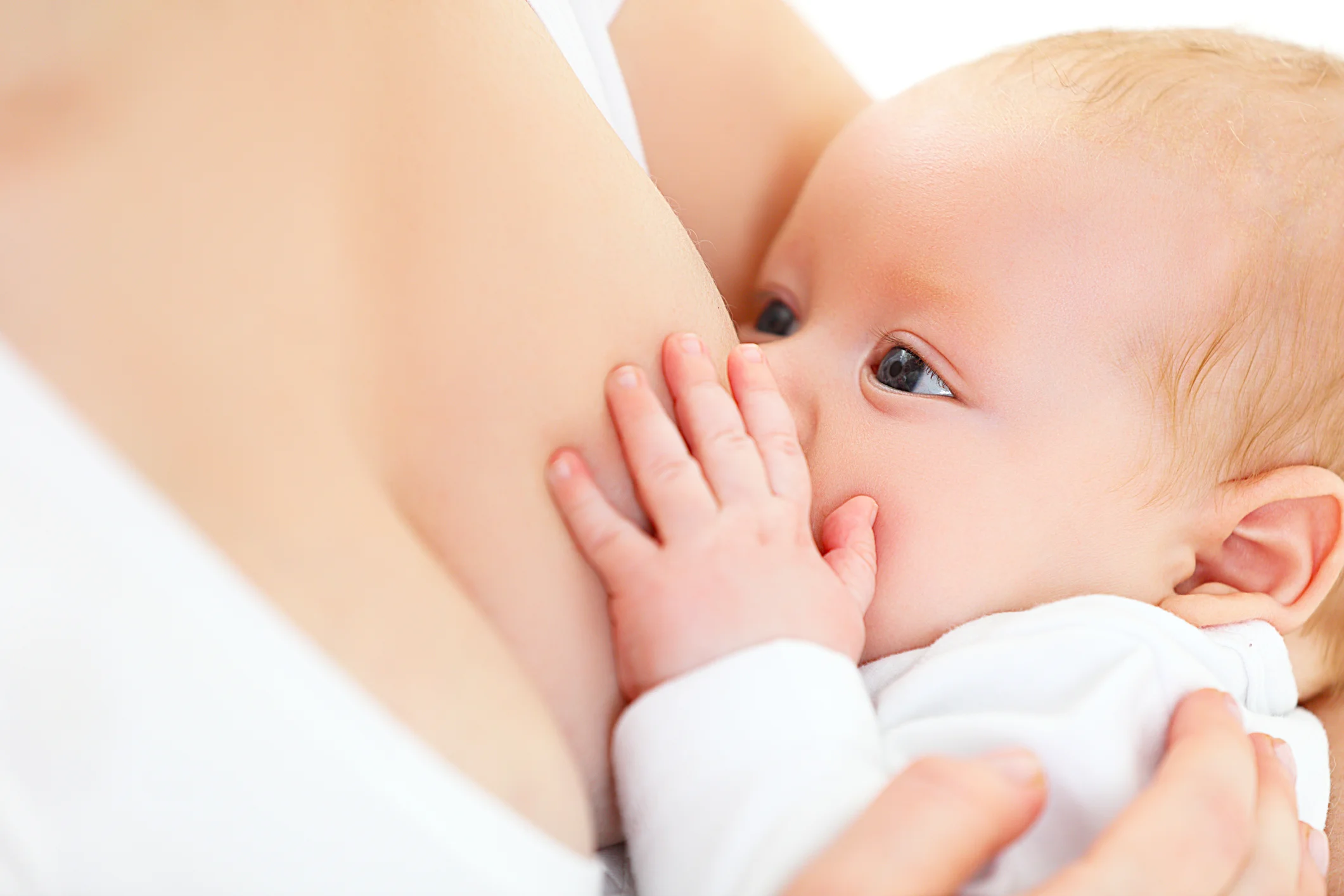
Read MoreBreastfeeding a newborn baby may be “the most natural thing on earth” as its many advocates opine, but that doesn't mean it always comes easy. For first-time mothers especially, it can be a daunting and intimidating process.
Read More