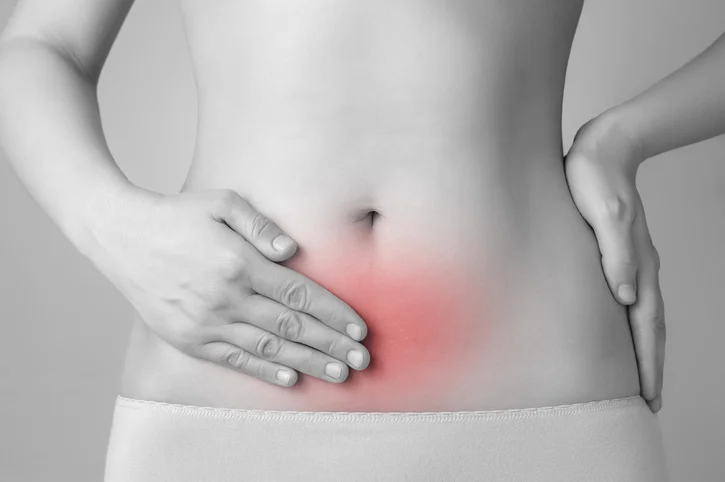
Top reasons for infertility in women
/
It would seem getting pregnant would be a straightforward accomplishment. But in reality, that’s not the case.
Read More
Women's Health. Find daily tips on women's health from Dr. David Samadi. Discover latest news and health benefits for common issues related to women's health such as breast cancer, cervical cancer, female cancer screenings and prevention,
It would seem getting pregnant would be a straightforward accomplishment. But in reality, that’s not the case.
Read MoreWhen it comes to vaginal discharge, there is a wide range of what is considered ‘normal.’ As a woman goes through different stages of life, vaginal discharge can change.
Read MorePart of this is the fact breast cancer gets a lot of media exposure compared to other forms of cancer.
Read MoreWhen Title IX was passed in 1972 prohibiting sex discrimination in any educational program or activity including sports, it opened up a whole new world particularly for girls and women interested in athletics.
Read MoreEndometriosis is an often painful disorder women experience with symptoms varying from woman to woman.
Read MoreEveryone knows physical changes are likely to occur when given a cancer diagnosis. Possible changes might include hair loss, excessive tiredness, digestive issues, skin changes, and changes in appetite.
Read MoreBefore making a decision of which birth control to use, here are 10 things to consider when choosing the best way to prevent pregnancy:
Read MoreMany women focus on their risk of developing breast cancer but for women with diabetes, they need to put that focus more so on their heart.
Read MoreCervical changes are common in women and can develop at any age but generally occur in women in their 20s and 30s.
Read MoreUp to 85% of expectant mothers may experience morning sickness. The term “morning sickness” is a misnomer.
Read MoreThese gynecological warning signs are the way women’s bodies are trying to tell them something. It may be awkward or embarrassing discussing these symptoms but it’s essential a woman sees her doctor right away to discuss what the problem is.
Read MoreHere is a quiz all women – and men - should take to test their knowledge about breast cancer – the most common cancer diagnosed in women.
Read MoreWomen reading this may think, “I’ll never have a good night’s sleep.” Even though it sounds depressing and unmanageable, getting a full night’s sleep is still possible.
Read MoreWomen are far more likely than men to get melasma. This is according to the American Academy of Dermatology, which shows that 90 percent or 6 million people who develop melasma are women.
Read MoreThere are four lifestyle risk factors consistently shown to decrease the risk of breast cancer. By taking steps today to modify your daily lifestyle habits, you can make a difference in protecting your breast health.
Read MoreThis can lead to irritation, pain and the formation of scar tissue or fluid-filled sacs or cysts.
Read MoreUp to 85% of expectant mothers may experience morning sickness. The term “morning sickness” is a misnomer.
Read More