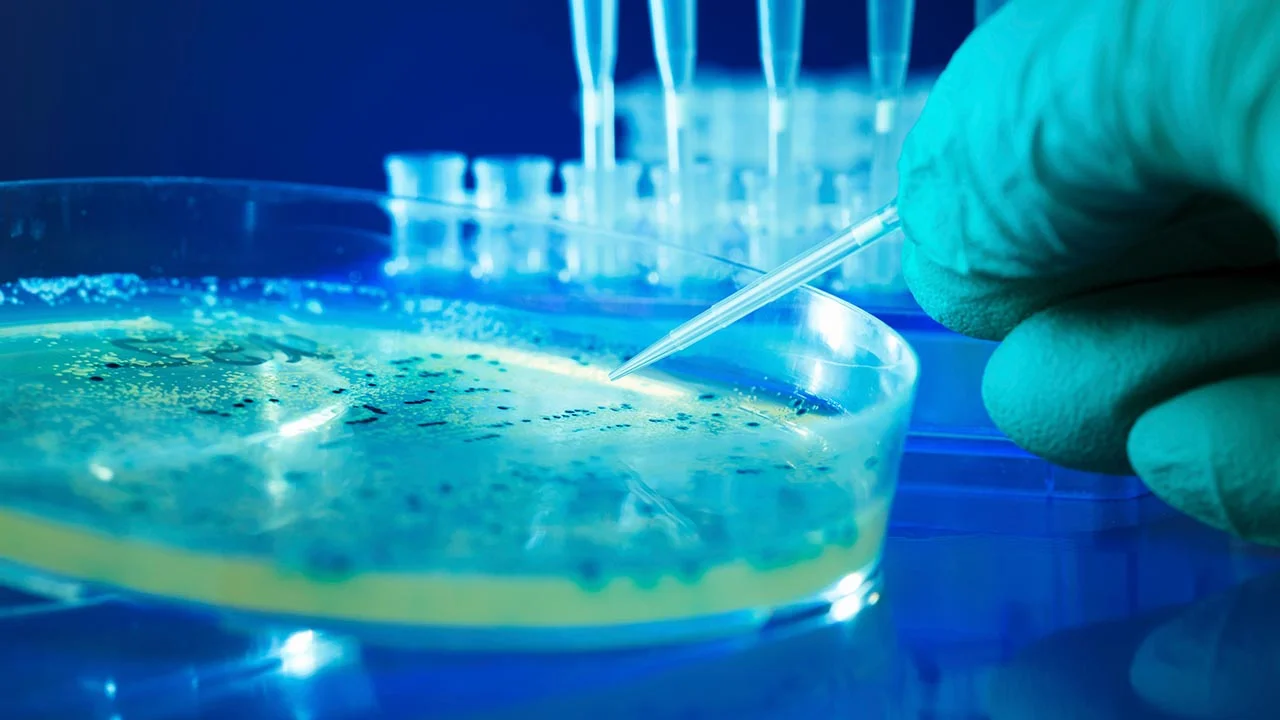
Can Blood Samples Predict Prostate Cancer
/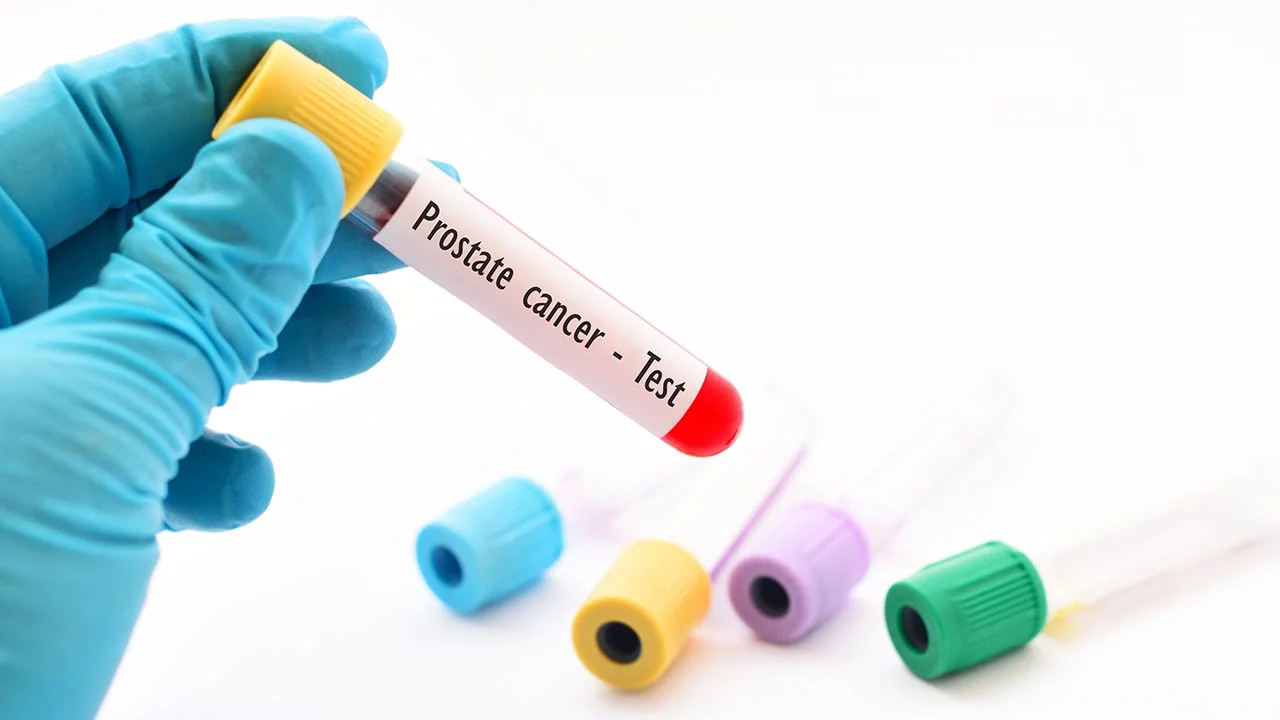
One of the Holy Grails for cancer clinicians is diagnosing prostate cancer spread through a non-invasive blood test.
Read MoreOne of the Holy Grails for cancer clinicians is diagnosing prostate cancer spread through a non-invasive blood test.
Read MoreScientists have discovered a way to use salmonella's super power for the good of mankind, by creating a non-toxic strain of the bacteria to target and penetrate prostate cancer cells.
Read More
The statistics have been clear for a long while now: African American men are more susceptible to prostate cancer.
Read MoreActive surveillance carefully monitors low grade or low risk prostate cancer for any signs of progression.
Read MoreAfrican American and Hispanic men have higher mortality rates when it comes to prostate cancer – that much has been well-documented.
Read MoreHormone therapies are a popular approach in the treatment of prostate cancer. Their goal is to either reduce or stop androgens in the body from affecting prostate cells.
Read MoreHormone therapy for prostate cancer, also called androgen deprivation therapy (ADT), is often used when the cancer has spread too far within the body or if surgery or radiation has not been effective.
Read MoreSnus is a smokeless, moist pouch tobacco sold in teabag-like sachets that you place under your upper lip. It was created in Sweden, where it is credited with lowering smoking rates.
Read MoreFor men with prostate cancer who are undergoing the trials of radiation therapy, relief may just be a namaste away.
Read MoreA team of international researchers would like to draw your attention to the neem tree. Also known as nimtree, or Indian lilac, it is native to tropical and sub-tropical regions of the Indian sub-continent.
Read MoreA treatment method used since the 1940’s for men with prostate cancer may be linked with a higher risk of developing dementia.
Read MoreBrachytherapy is one of the more advanced cancer treatments. It's a form of radiation therapy where radioactive seed implants or sources are placed in or near the tumor itself.
Read More