Top Prostate Healthy Foods for Thanksgiving
/Top prostate-healthy foods for Thanksgiving
Read MoreTop prostate-healthy foods for Thanksgiving
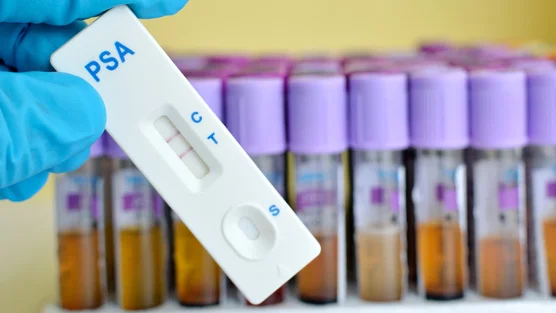
Read MoreThere has been controversy over PSA screening for a number of years. The evidence began piling up about a decade ago that the PSA test leads to overdiagnosis and overtreatment. It is true that an elevated PSA may indicate prostate cancer. However, the PSA is not specific for prostate cancer and could also indicate other prostate related conditions. Many argue that prostate cancers are so slow growing that they may never even put a man’s health or life at risk, and that many men with prostate cancer will die with it, not of it.
Read MoreTwo new studies published on Tuesday in The Journal of the American Medical Association highlight that likely in accordance to USPSTF recommendations against screening, fewer men are being screened for prostate cancer and fewer cases of early state prostate cancer are being detected. The question is, if decreased screening is leading to a lower rate of diagnosis, what does this mean for the future of prostate cancer patients?
Read MoreA new genetic test has recently become available called Oncotype DX. The test is made by Genomic Health and will now be available at Dr. Samadi's Prostate Cancer Center in New York City. What is Oncotype DX?
Read MoreWhat is Cyberknife? Cyberknife is a form of stereotactic body radiation therapy (SBRT) and robotic-assisted radiosurgery (not actual surgery) that utilizes a computerized robot to automatically deliver high doses of radiation to the prostate gland. Fiducials are implanted into the body so that the Cyberknife machine can adjust to movement during each treatment.
Read MoreProstate cancer is the most common cancer in men. So far, the only tools available to detect and diagnose prostate cancer include: the PSA test and the transrectal ultrasound guided biopsy. Every year, about 20 million PSA tests are performed and about 1.2 million men undergo a biopsy. Traditional techniques such as the TRUS biopsy only sample the lower portion of the prostate – yet almost 30% of cancers are found outside this area. For this reason, only 30-40% of the 1.2 million biopsies performed on men each year are positive for prostate cancer.
Read MoreAfrican-American men have the highest risk of developing prostate cancer, compared all other races. A new study suggests that there are specific genes that may indicate aggressive prostate cancer in African-American men. The researchers believe that their results may partially explain the reason for ethnic disparities in prostate cancer. In the past, ethnic disparities in prostate cancer have been associated with socioeconomic and biologic factors. The study was recently published online in the journal Urologic Oncology.
Read MoreA new study suggests that patients with prostate cancer who have low prostate antigen, or PSA, levels have a higher risk for cancer-specific death compared with patients whose PSA levels are high. A low PSA level was considered less than or equal to 2.5 ng/mL or 2.6 to 4 ng/m, while a high PSA level was considered 10.1 to 20 ng/mL The study was published online in the journal Cancer.
Read MoreProstate cancer is the second most common cancer among men in the United States. African-Americans have the highest risk of developing prostate cancer among any other racial group. Prostate cancer in African-American men also tends to be more aggressive.
Key statistics about African-American men and prostate cancer:
Read MoreSex is beneficial for prostate health. It is also beneficial for many other health reasons. In regards to prostate health, sex may decrease your risk for prostate cancer. A previous study showed that men who ejaculated at least 21 times a month were less likely to develop prostate cancer. This doesn’t mean you need to have a sex partner – whether it be sexual intercourse, nocturnal emission, or masturbation, all are beneficial.
Read MoreThe month of September is designated as National Prostate Cancer Awareness Month to help bring attention to a common yet highly curable disease among men. Many different factors can play a role in reducing the risk of developing this disease but a couple of nutrients stand out in the crowd that may possibly help make this more of a reality – the mineral zinc and the phytochemical lycopene.
Read MoreA new study suggests that having high levels of stress may increase a man’s risk of prostate cancer death. This is not just men who have advanced prostate cancer, but men with localized prostate cancer, which means the cancer is still confined to the prostate gland. The study was published online in the Scandinavian Journal of Urology.
Read More