Young men get prostate cancer too
/Prostate cancer, aka the “silent killer”, has always been known as an older man’s disease. Being the second most common cancer among men in the United States, prostate cancer occurs mainly in older men.
Read MoreProstate cancer, aka the “silent killer”, has always been known as an older man’s disease. Being the second most common cancer among men in the United States, prostate cancer occurs mainly in older men.

Read MoreYou’ve heard the saying, ‘the apple doesn’t fall far from the tree.’ Typically we hear this in relation to different personality traits which might be similar to our parents, grandparents, or other distant family members.
Read MoreResearchers from the Pharmacology Department at the Indiana University School of Medicine may have found a future way to cure prostate cancer that metastasizes to the bone.
Read MoreA new study from suggests that statins either alone or in combination with metformin may reduce the risk of dying from prostate cancer. The study’s findings were presented at the American Society of Clinical Oncology annual meeting in Chicago. The study was carried out by Grace L. Lu-Yao, PhD, an epidemiologist at the Rutgers Cancer Institute of New Jersey in New Brunswick.
Read MoreFamily history is a known risk factor for prostate cancer and in the absence of a genetic prostate cancer test, men must use this knowledge to their benefit. Having a father or brother with prostate cancer does not guarantee that a man will also develop the disease, but it provides a valuable opportunity for vigilance.
Read MoreA new study carried out by a collaboration of international research teams shows genetic anomalies in biopsy samples from patients with advanced prostate cancer through a large multi-institutional integrative clinical sequencing approach. Here's what you need to know.
Read MoreA new study from Duke University Medical Center published in the journal, BMC Medicine, showed that what you eat can influence the risk of prostate cancer. Here's what men need to know.
Read MoreA multi-center study by New York Presbyterian/Columbia University Medical Center found a urine test can determine if a patient has high-grade prostate cancer with 92% accuracy. The findings were presented at the AUA 2015 Annual Meeting. This study could present a breakthrough in how doctors screen for prostate cancer.
Read MoreMen diagnosed with prostate cancer that has not metastasized generally have a long life expectancy. Most men with prostate cancer don’t die from the disease, but instead die of unrelated causes. This study looks at to what extent post-diagnostic diet may affect disease-specific and overall mortality.
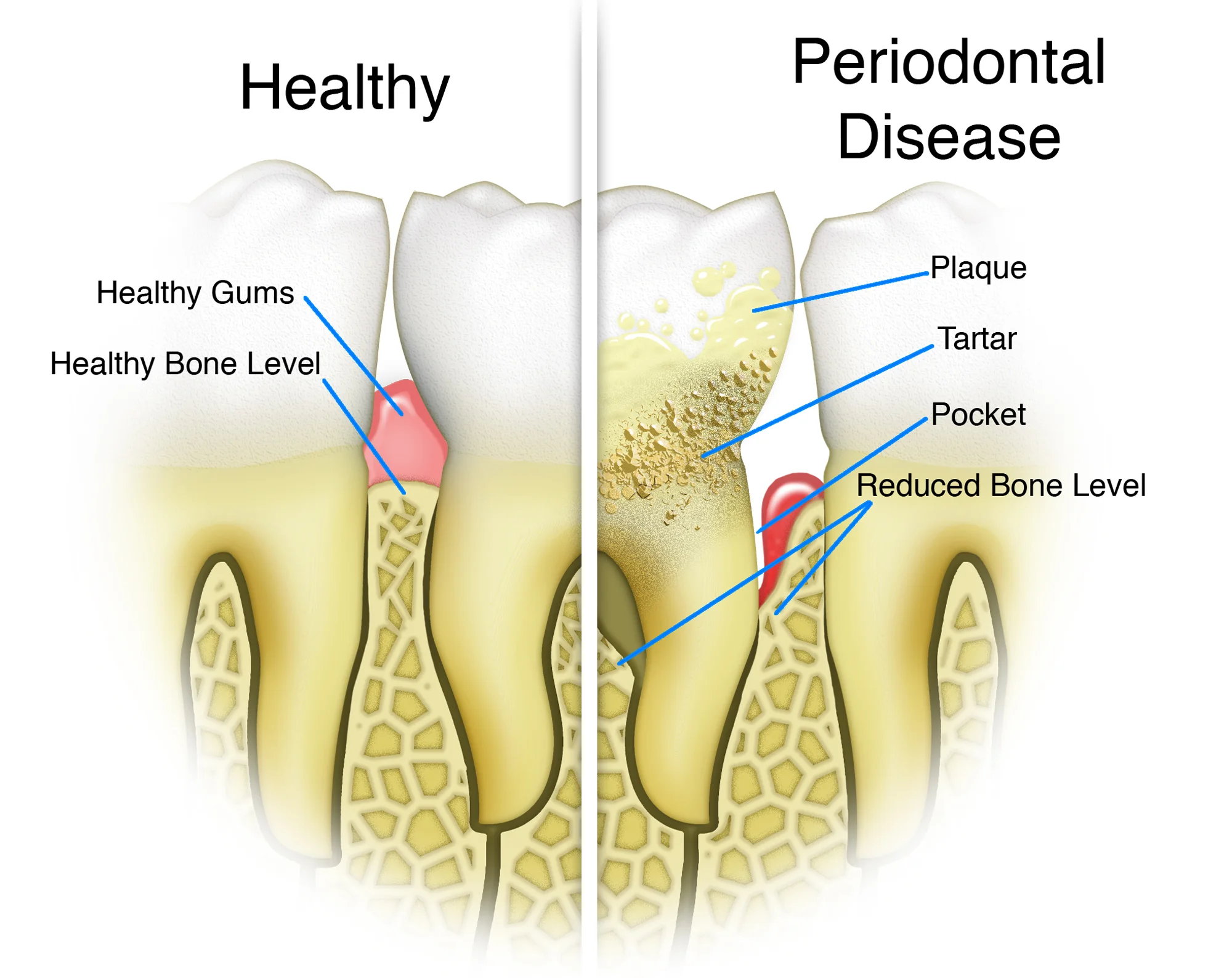
Read MoreResearchers from Case Western Reserve University School of Dental Medicine and the Departments of Urology and Pathology at University Hospitals Case Medical Center have found that treating gum disease reduces symptoms of prostate inflammation.
Read MoreUrologists from the American Urological Association, otherwise known as the AUA, say they do not agree with the US Preventive Services Task Force recommendation against screening for prostate cancer. The task force has argued and continues to argue that there is no good evidence to support screening for prostate cancer using the PSA (prostate-specific antigen) blood test.
Read MoreThis is the first study that has investigated the connection between BMI and prostate cancer-specific outcomes among patients treated with definitive EBRT in the era of dose-escalated IMRT with daily IGRT.
Read More